Explore The Wonders Of Indonesia
Alor – Alor Exploration 11 nights
Discover Alor: Where two oceans meet
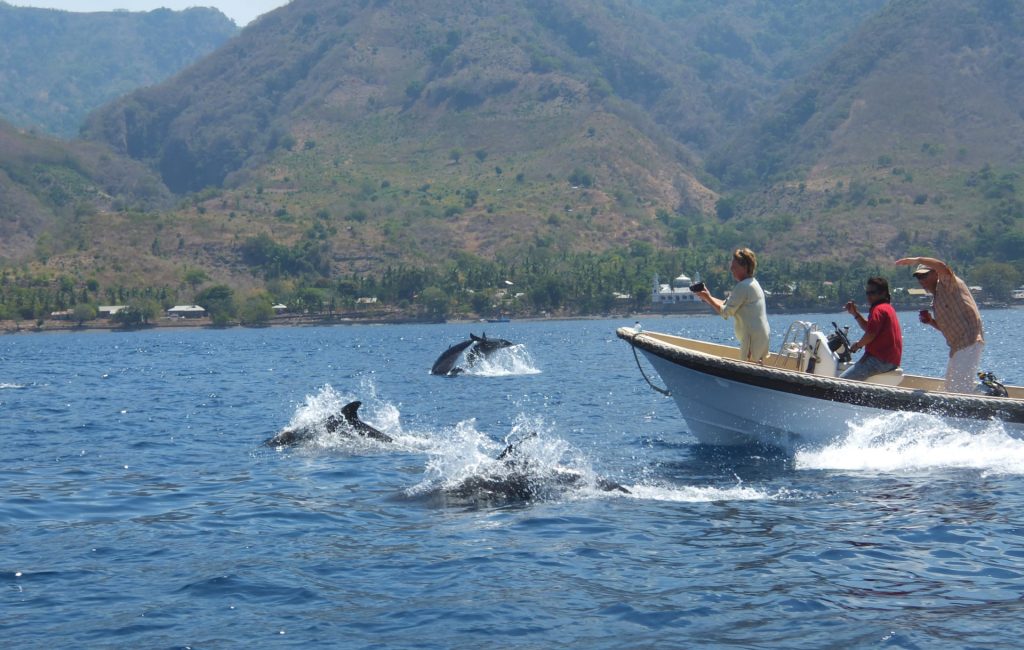
Hidden between Flores, Timor and the Banda Sea, Alor occupies a privileged position at the meeting point of the Indian and Pacific Oceans. Here, immense tidal exchanges transport nutrient-rich water through narrow volcanic channels, creating one of Indonesia’s most productive marine ecosystems.
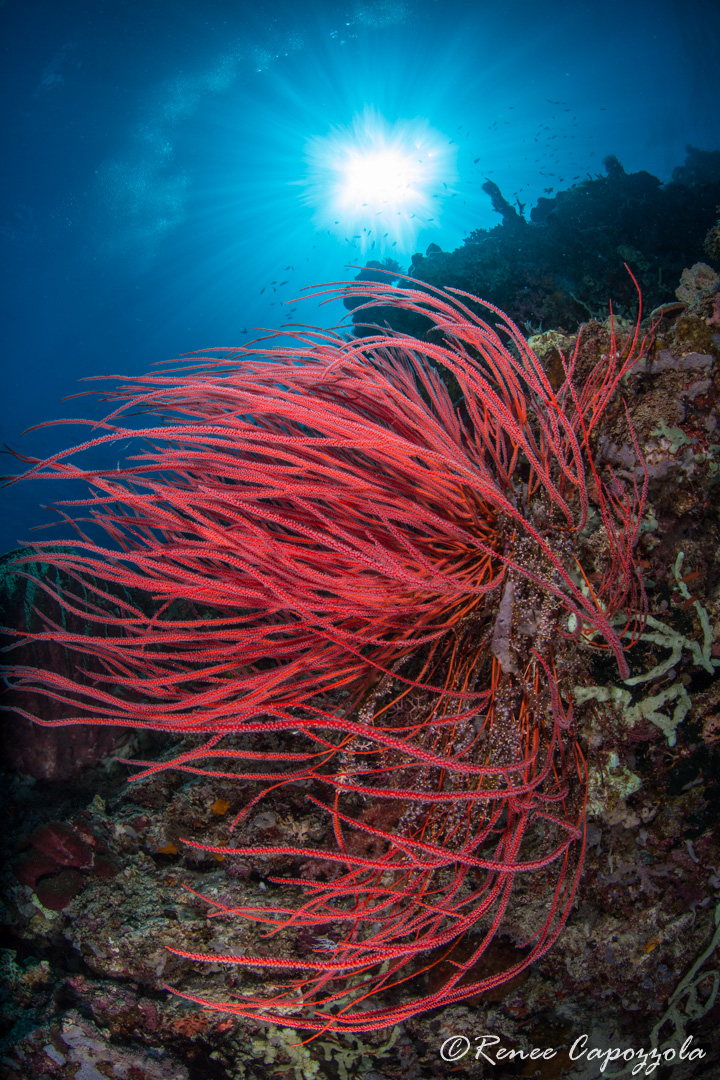
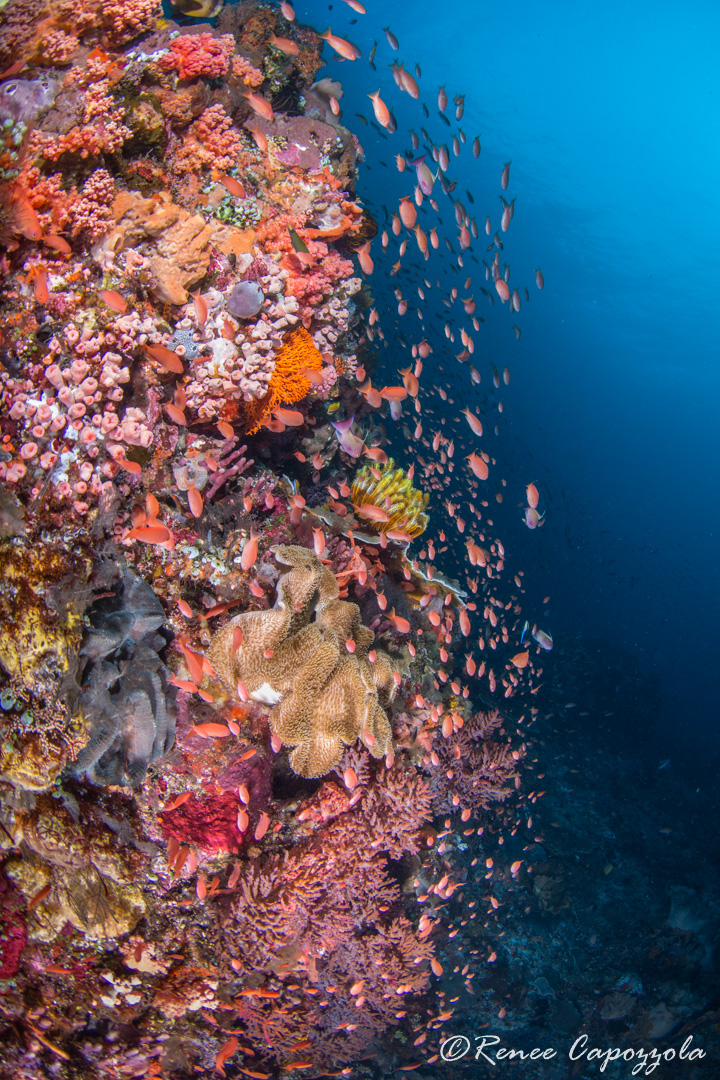
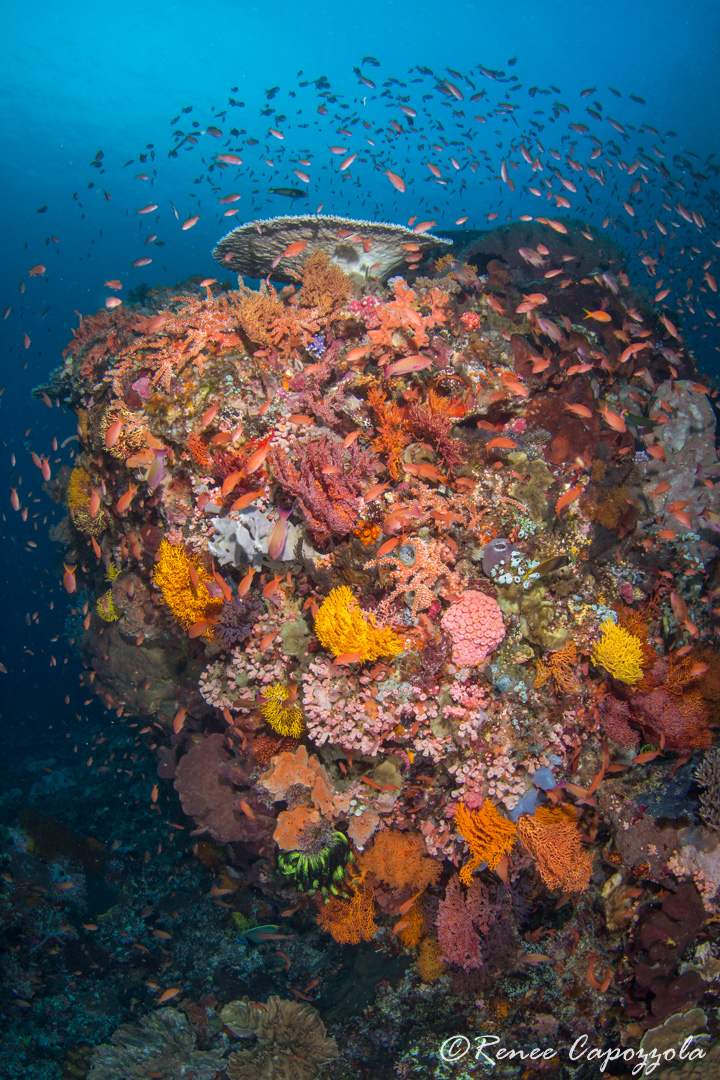
The result is an extraordinary diversity of underwater habitats packed into a surprisingly compact area. In a single expedition you may dive vibrant hard coral gardens, dramatic walls, submerged pinnacles, black volcanic sand slopes, colourful soft coral reefs and exhilarating drift dives washed by crystal-clear blue water.
Unlike many destinations where long overnight crossings separate the best dive sites, Alor offers exceptional variety within relatively short cruising distances. This gives our expedition team the flexibility to adapt every day according to tides, currents, visibility and marine life activity, selecting the very best sites under the best possible conditions.
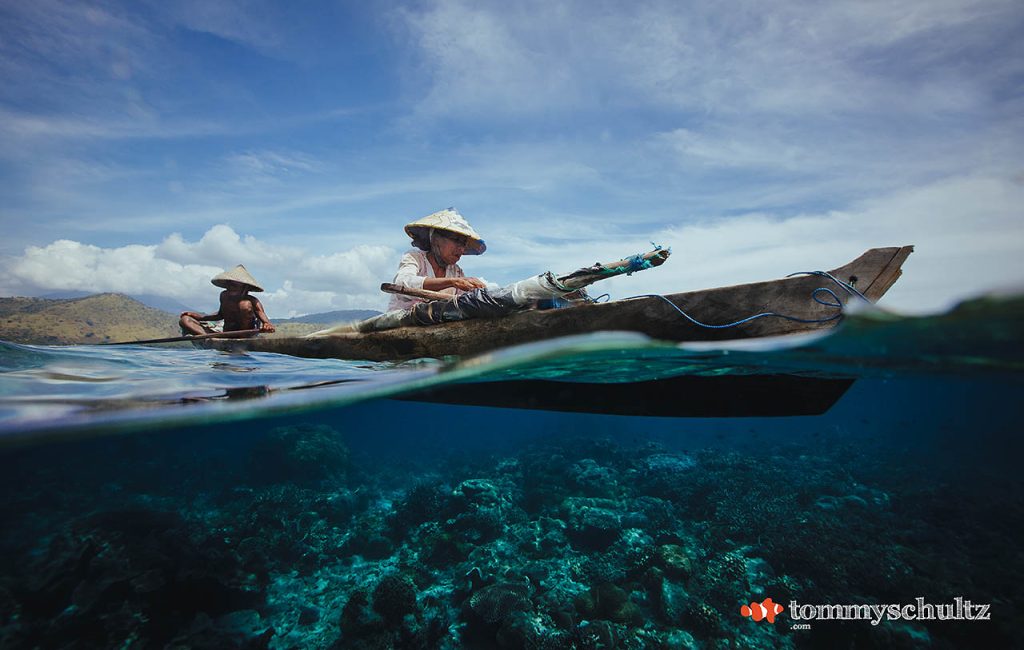
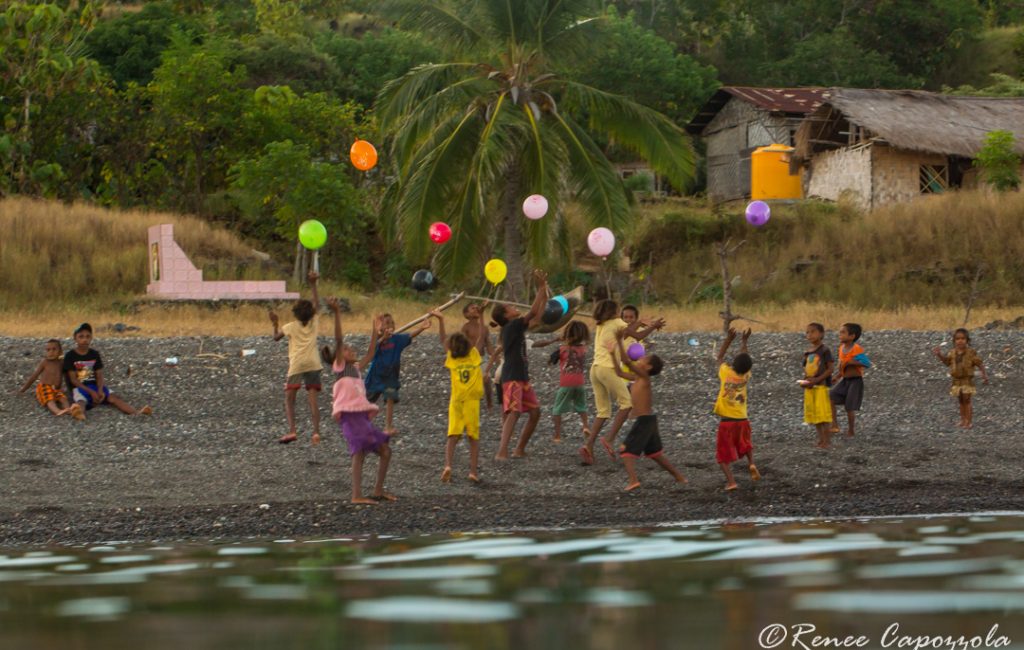
Above the surface, towering volcanic islands rise dramatically from the sea, while traditional fishing villages preserve cultures and customs that have changed little over generations. This combination of spectacular landscapes, vibrant local communities and world-class diving creates an expedition that is as rewarding above the water as it is below.
Although Alor has become increasingly recognised among experienced divers, it remains one of Indonesia’s least explored regions. Visitor numbers are still remarkably low compared with destinations such as Raja Ampat or Komodo, allowing divers to experience reefs that often feel completely untouched.
For underwater photographers, marine life enthusiasts and adventurous travellers alike, Alor represents one of the last places where exploration still feels genuine.
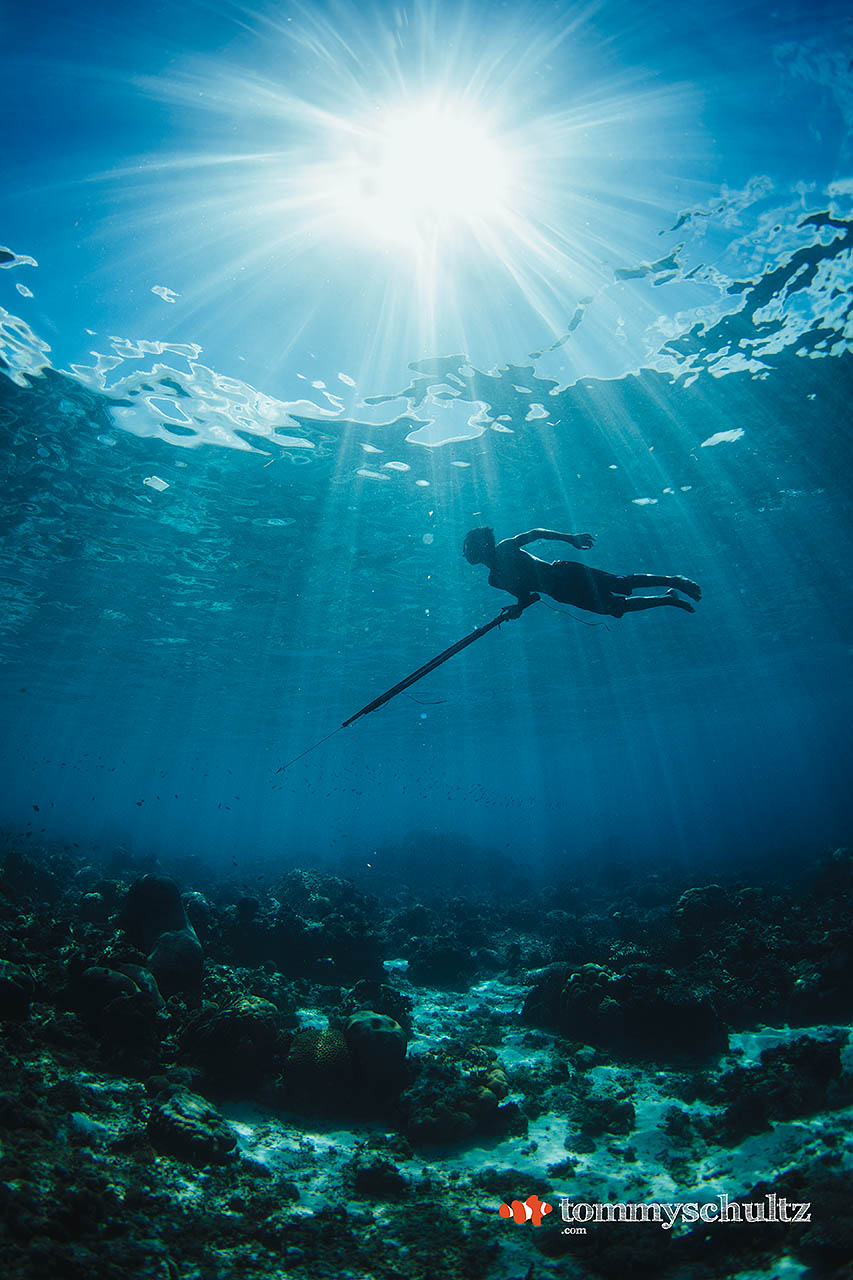
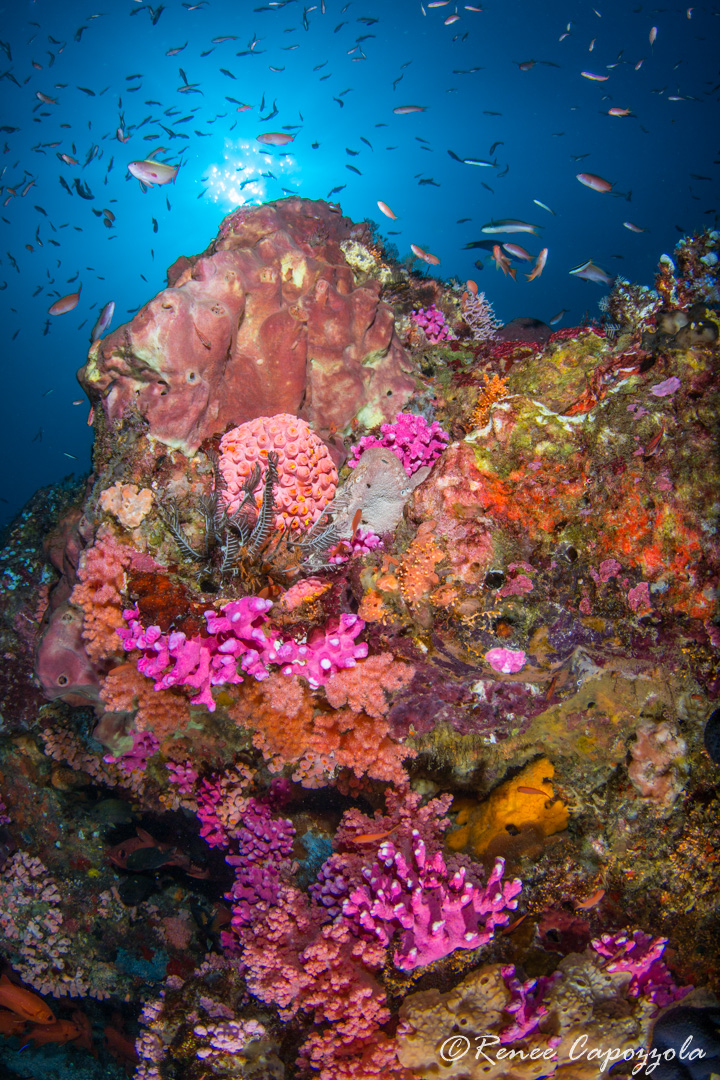
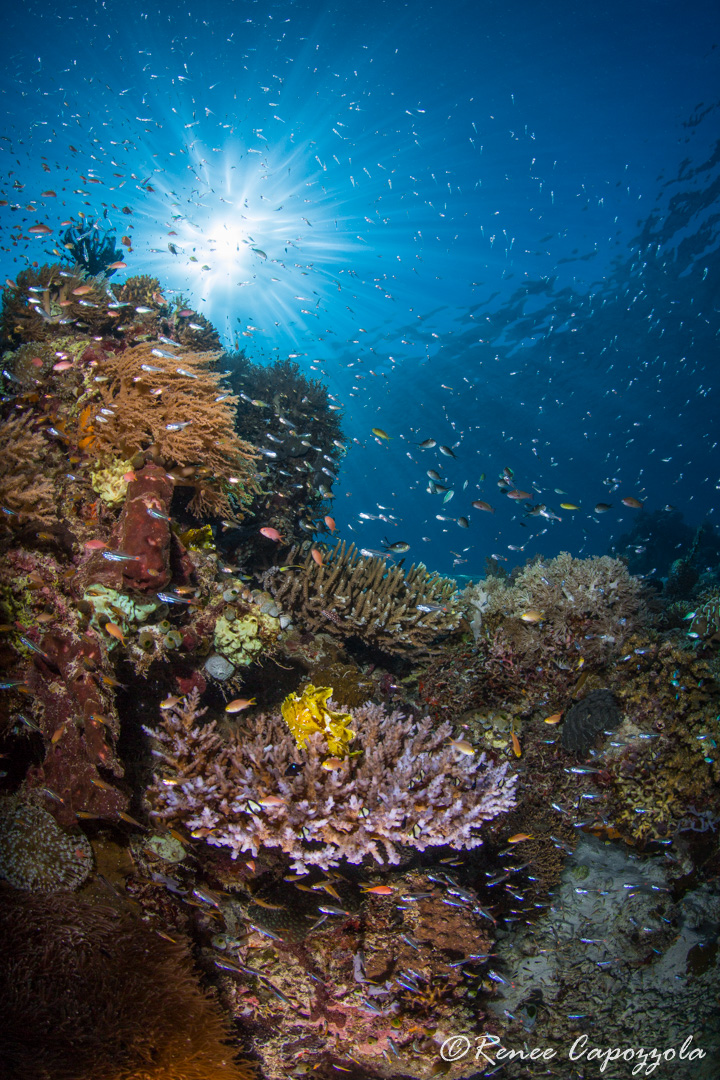
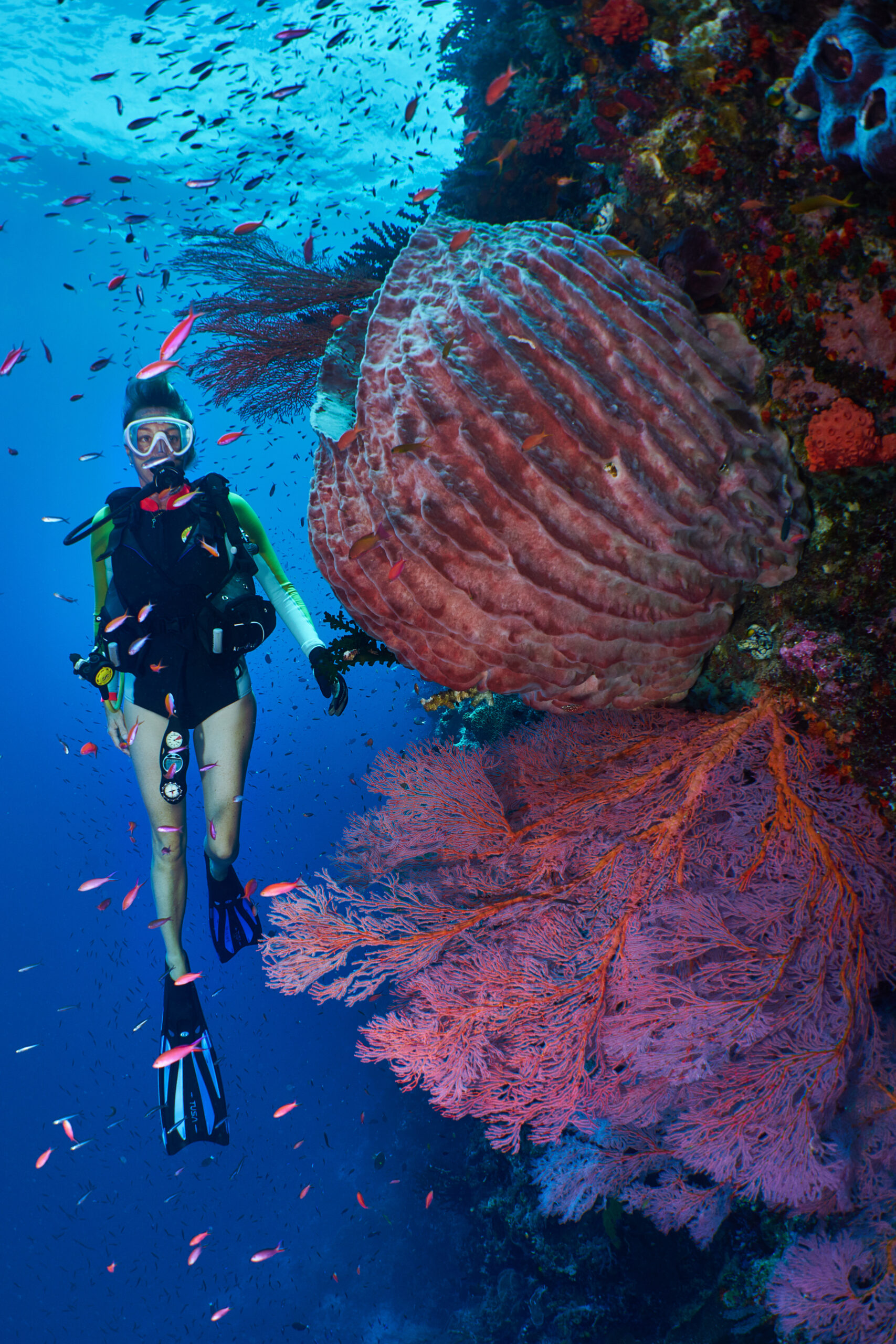
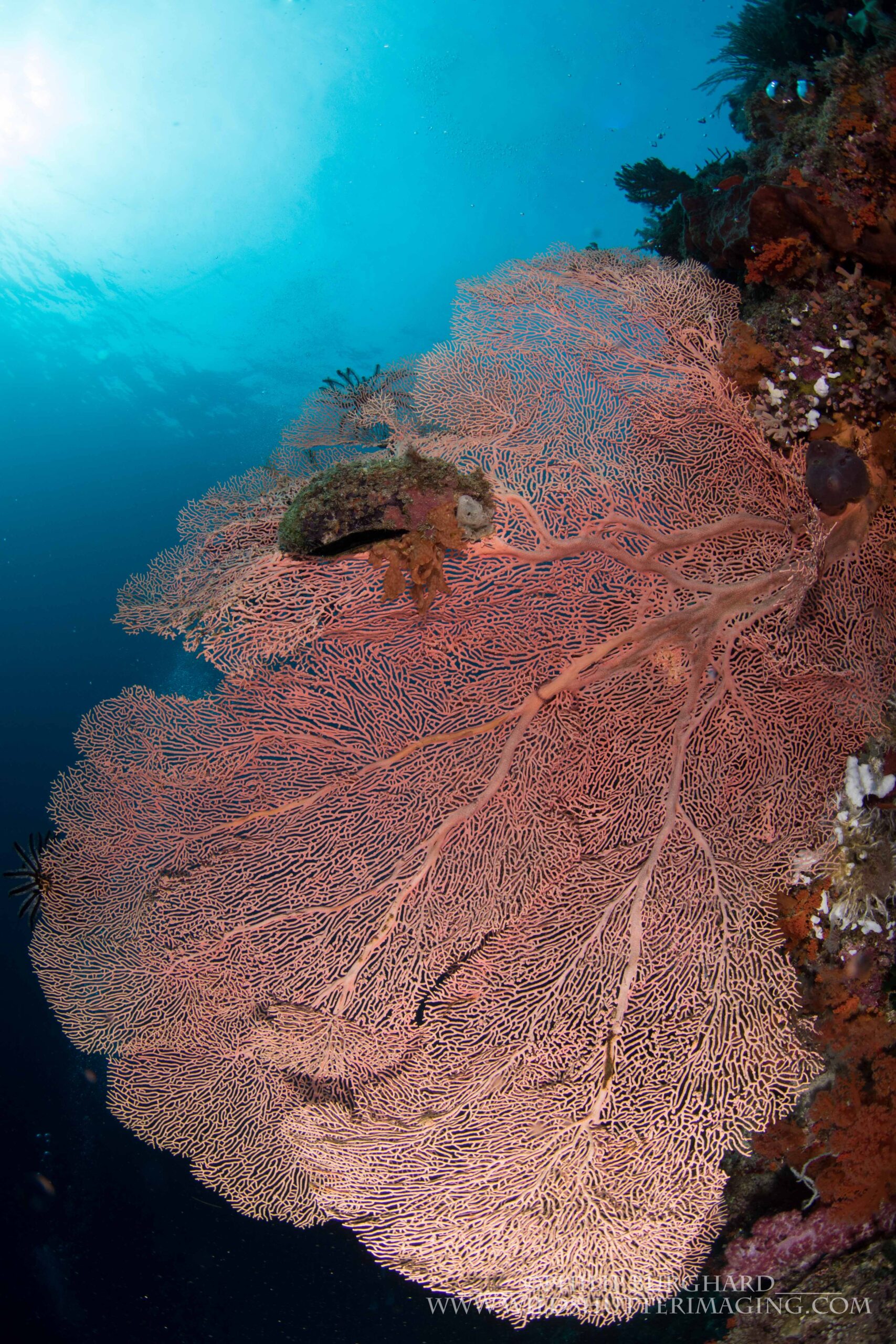
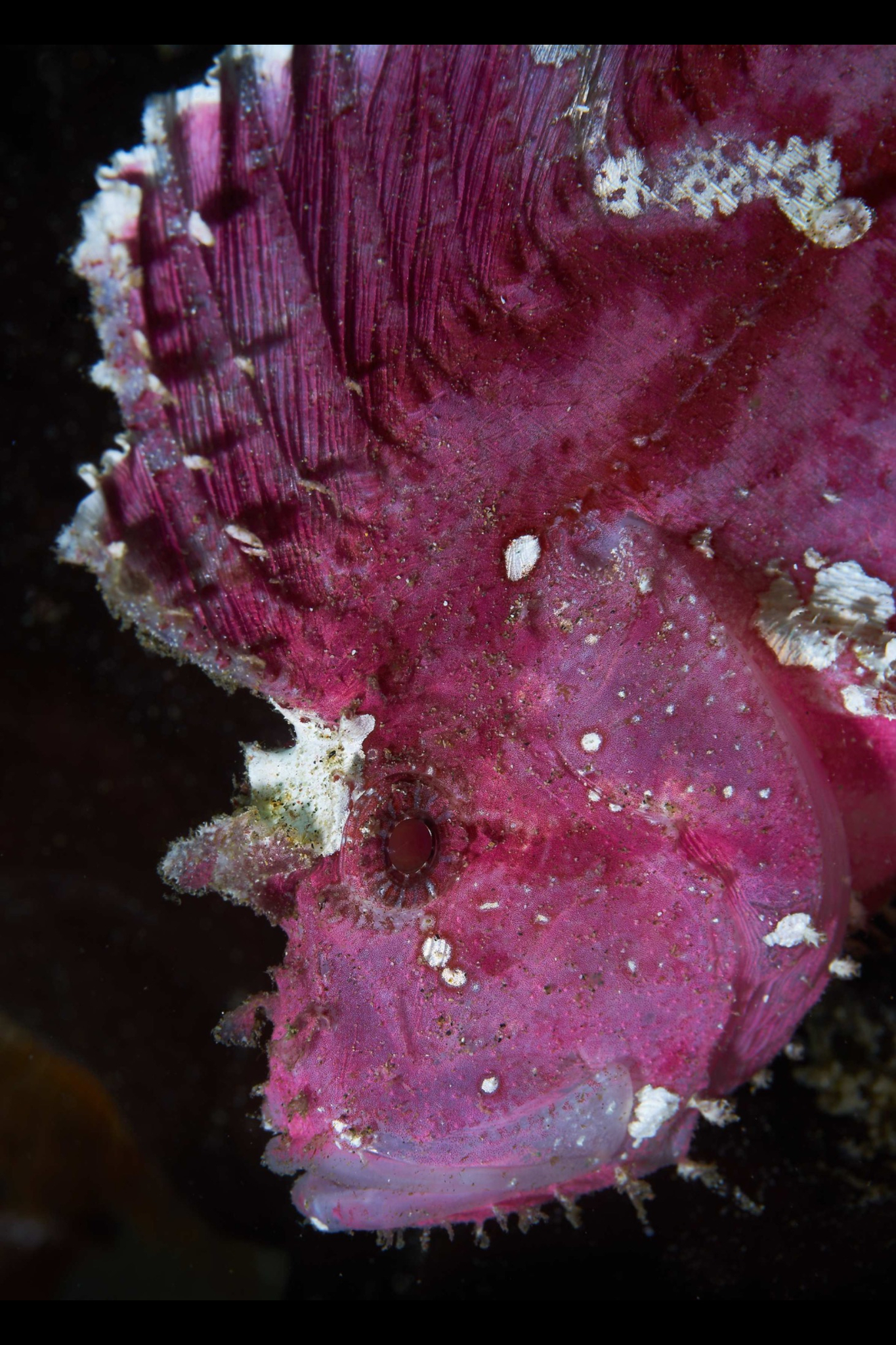
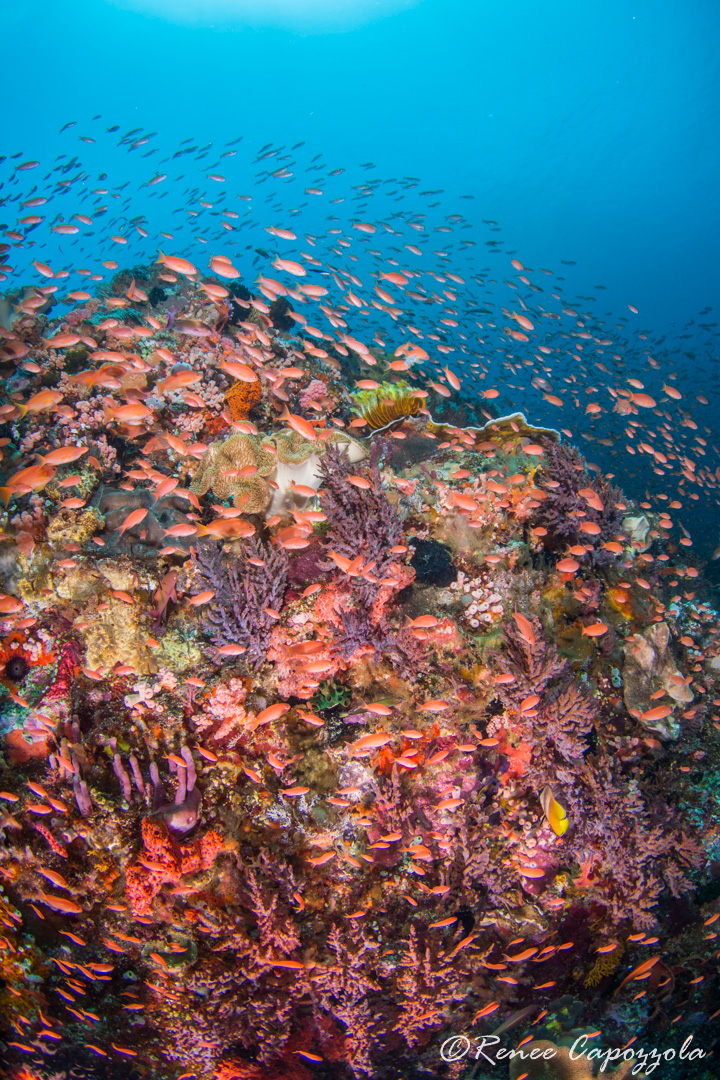
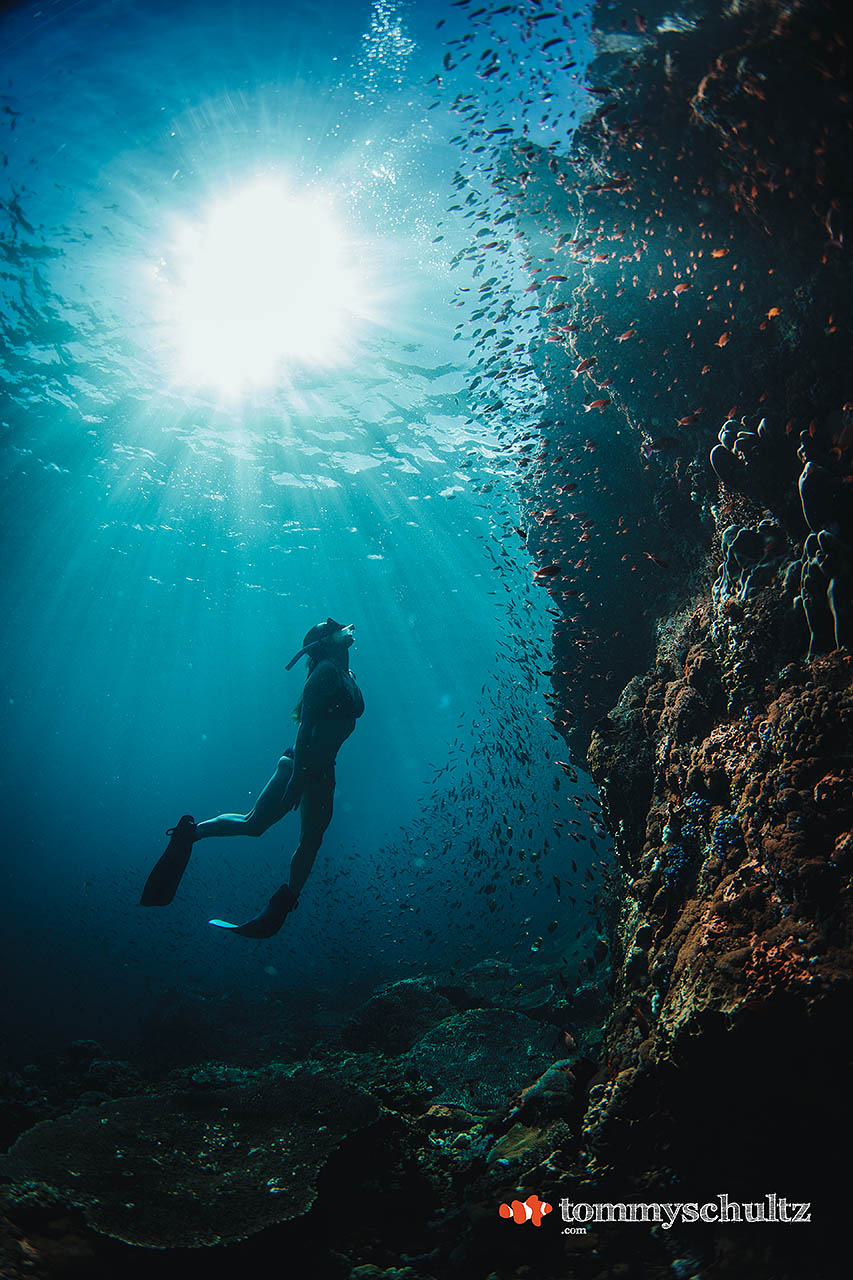
A Cultural Journey Beneath and Beyond the Surface
There are very few places left in Indonesia where nature, culture and exploration remain so deeply connected.
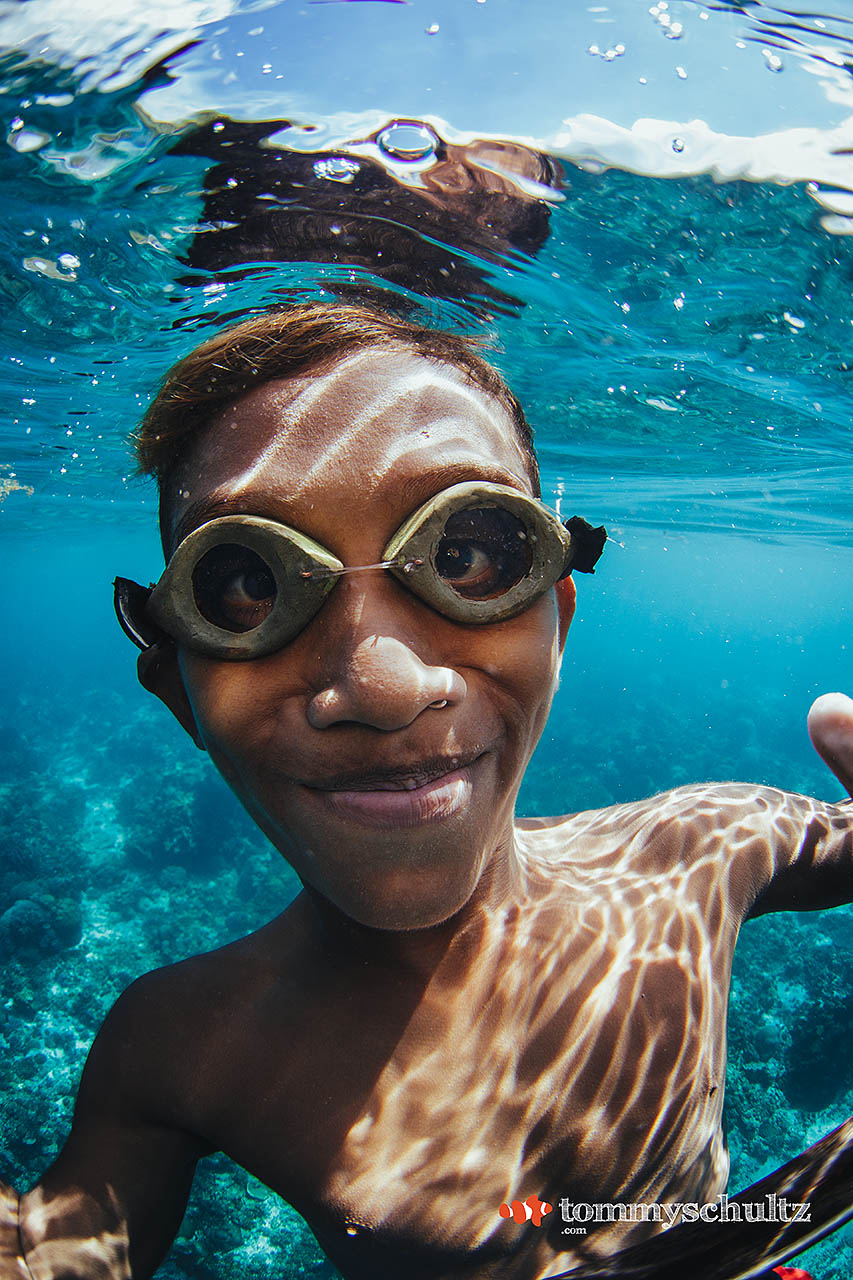
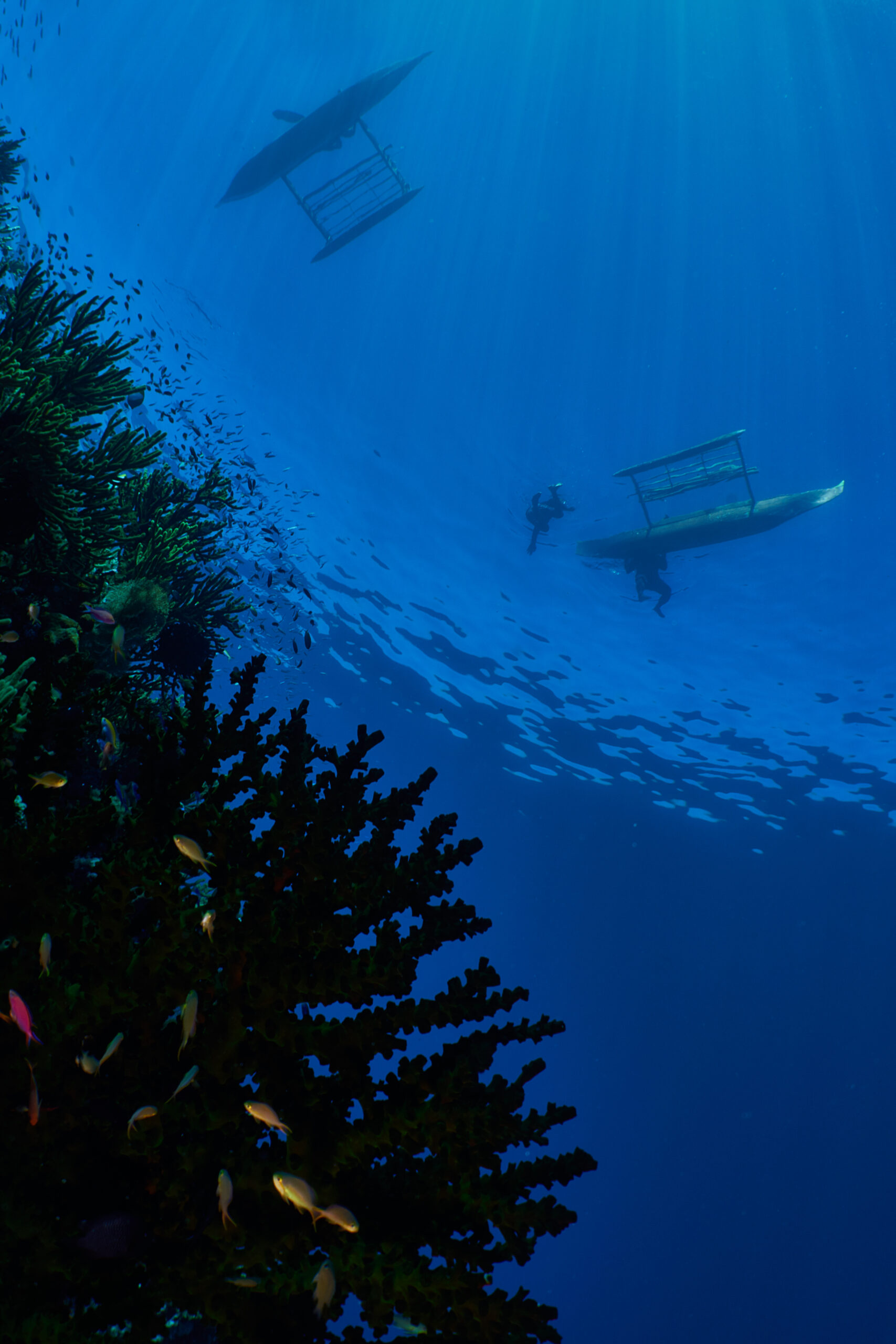
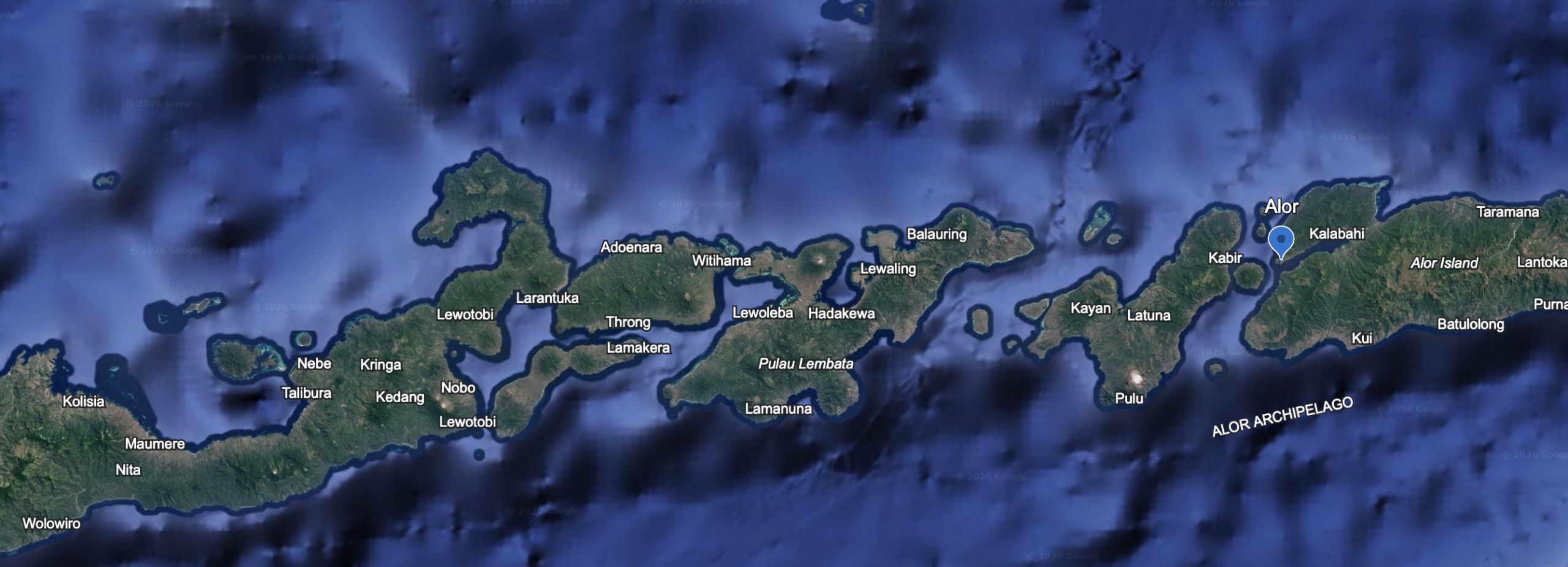
Situated between the Banda Sea and the Indian Ocean, the Alor Archipelago lies at the crossroads of powerful oceanic currents that nourish one of the richest marine ecosystems within the Coral Triangle. This unique geography creates an extraordinary diversity of underwater habitats, from vibrant coral gardens and dramatic volcanic walls to black sand slopes, colourful soft coral forests and exhilarating drift dives.
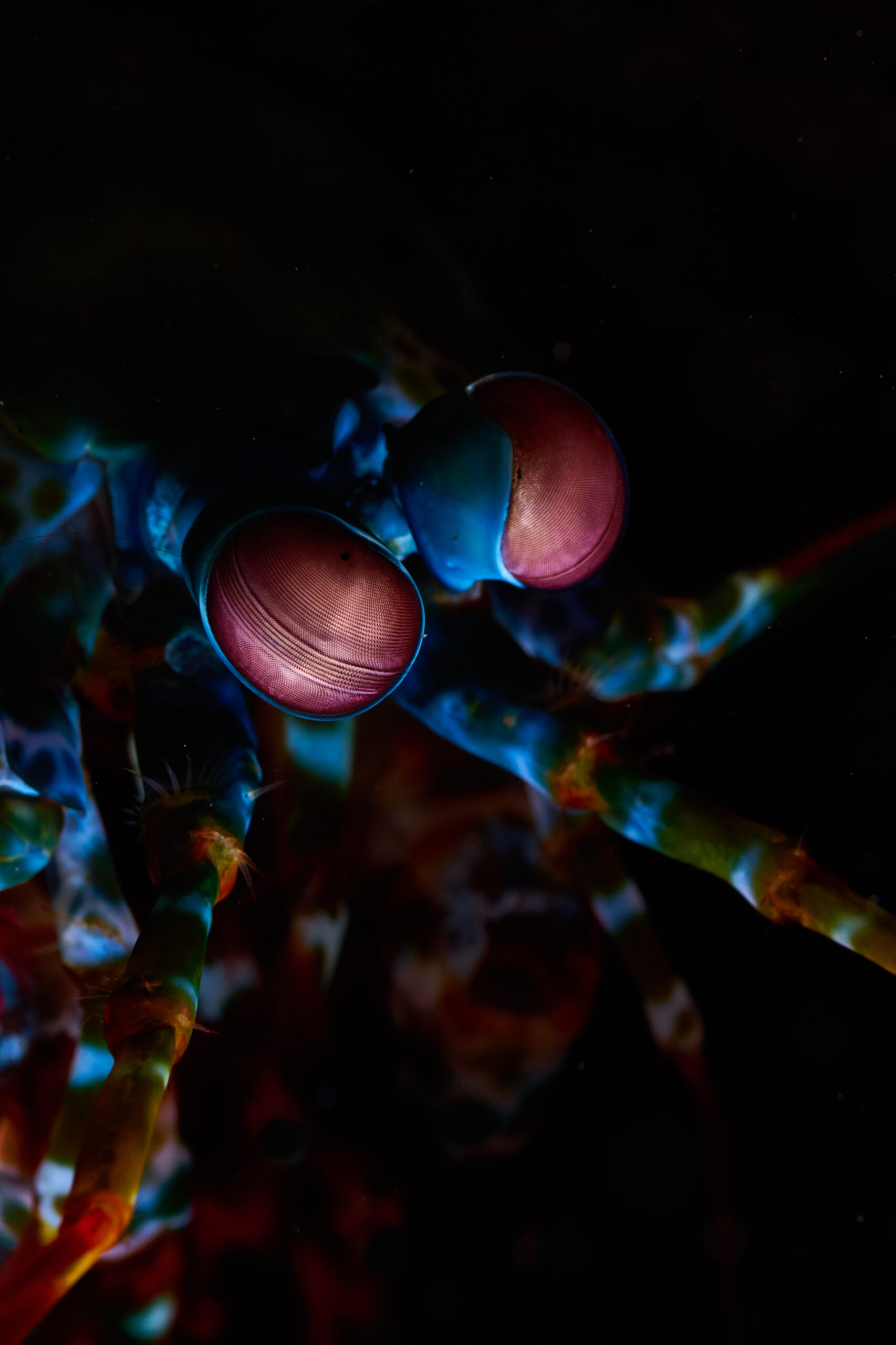
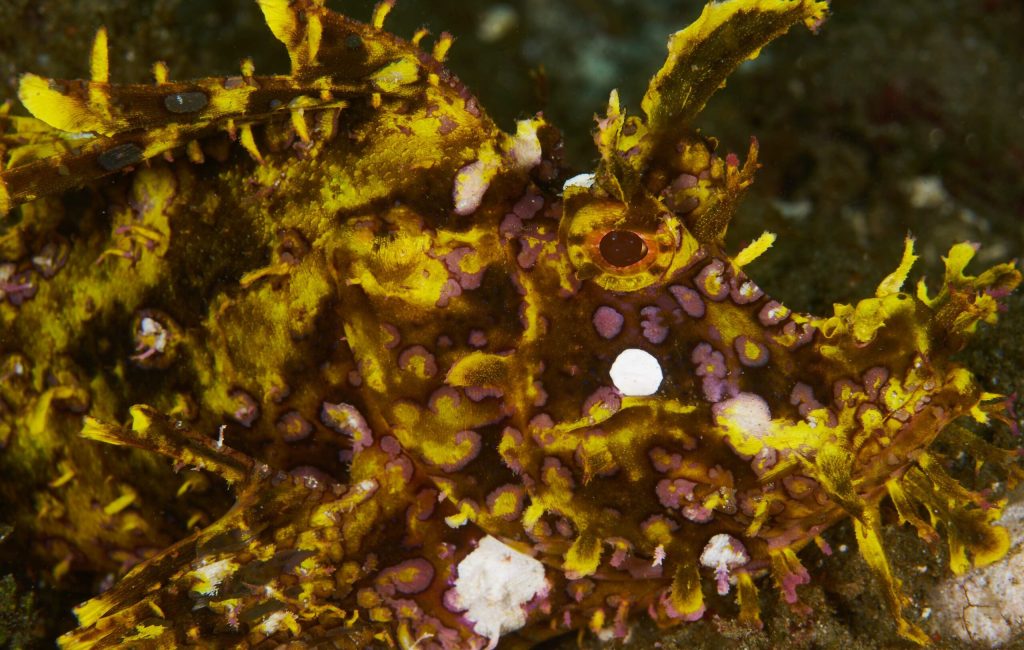
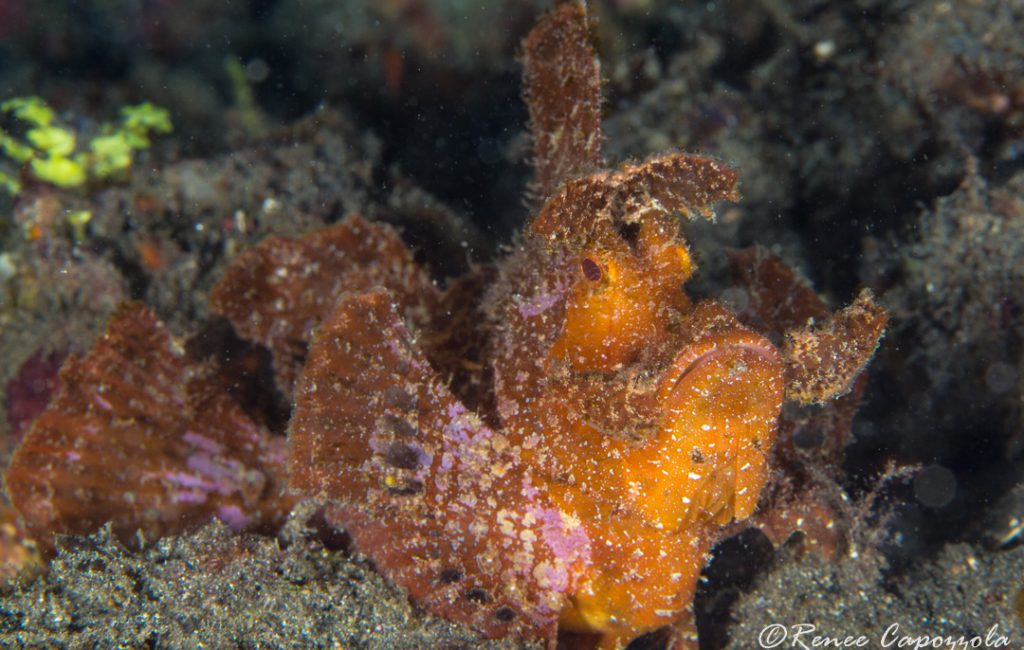
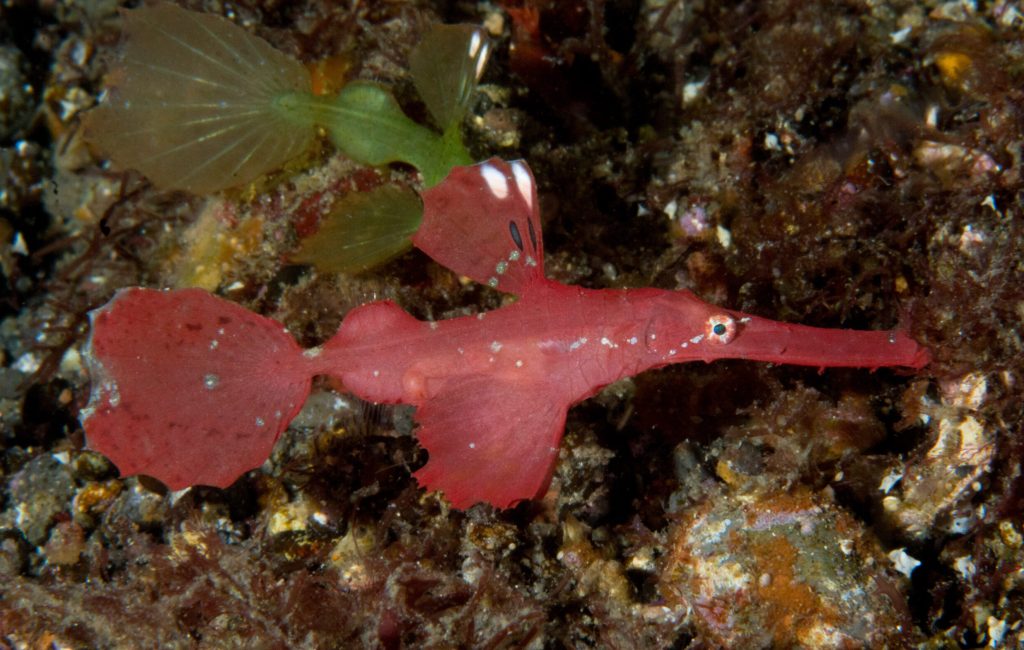
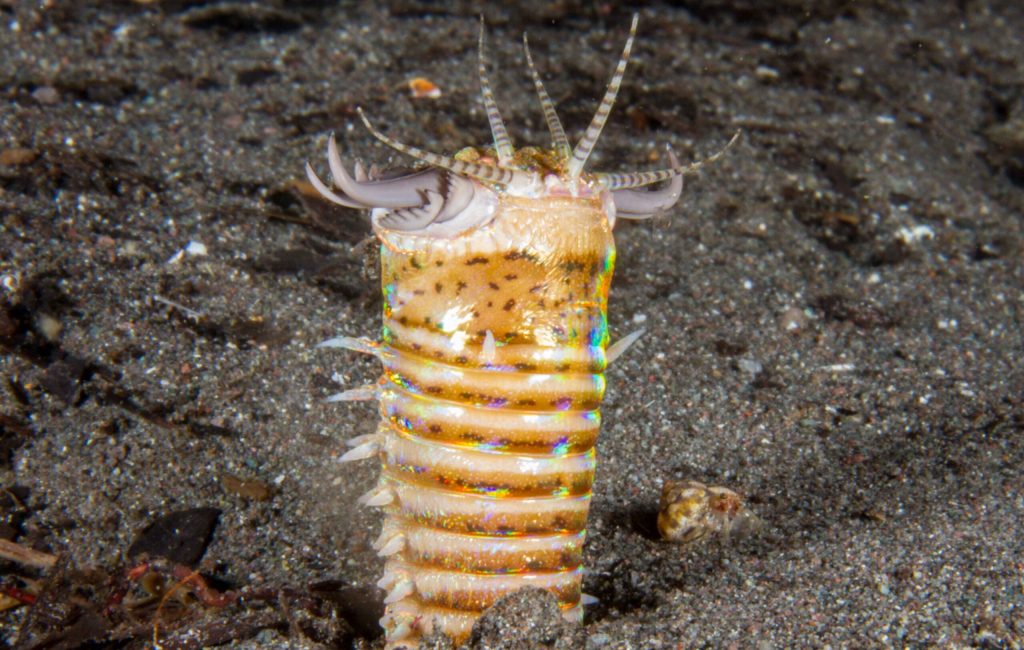
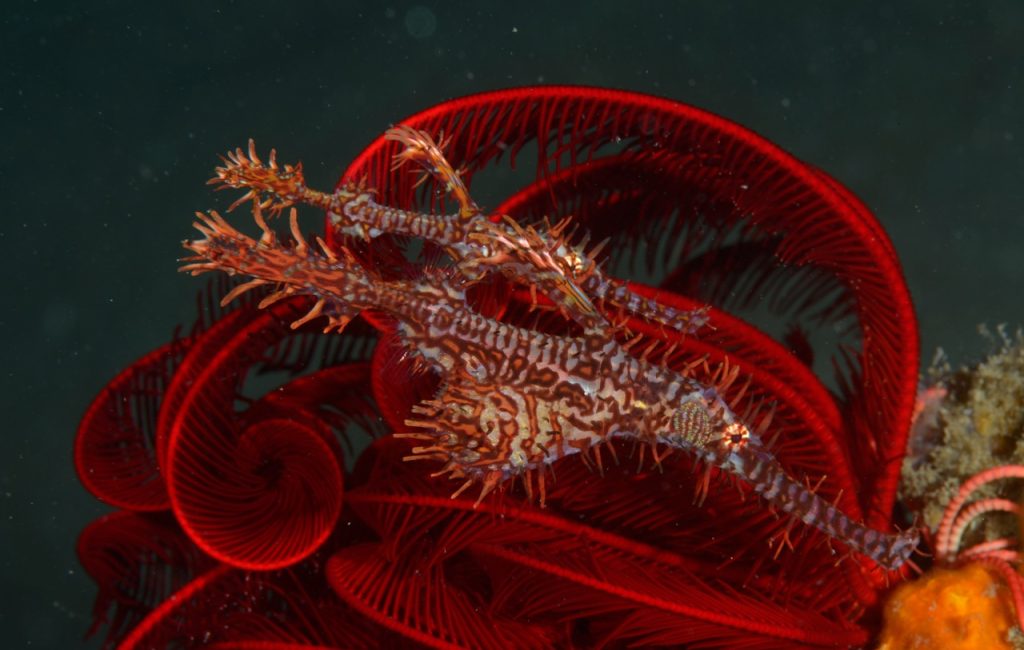
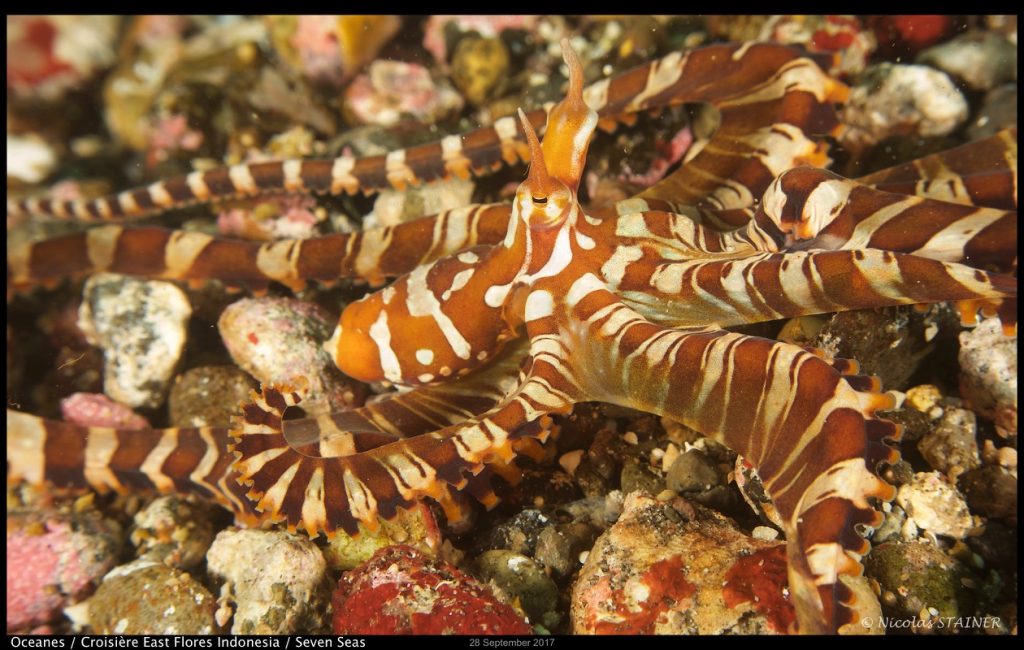
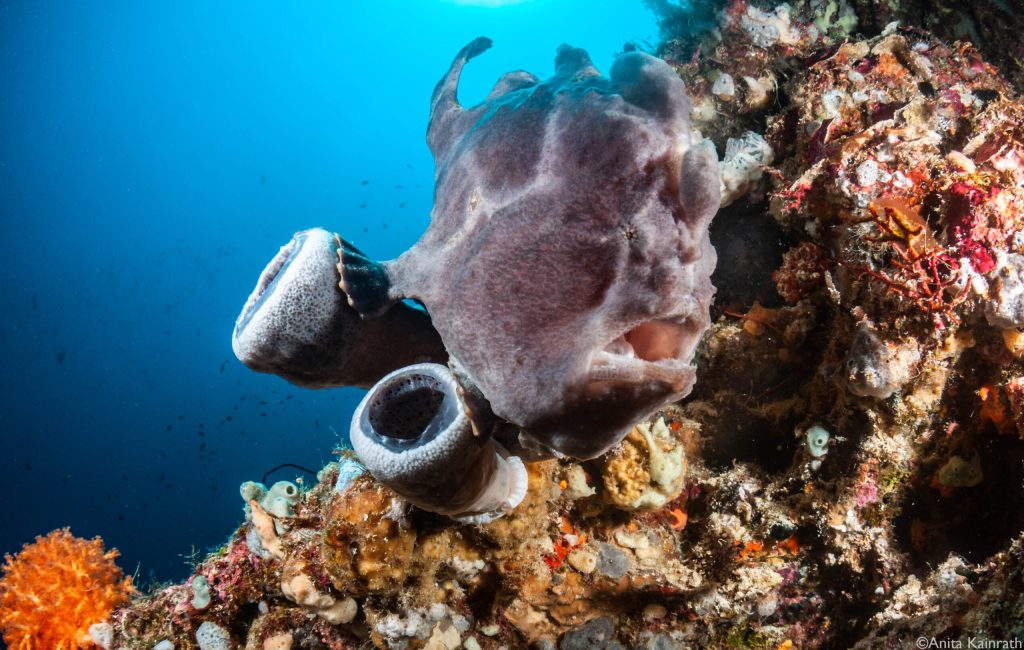
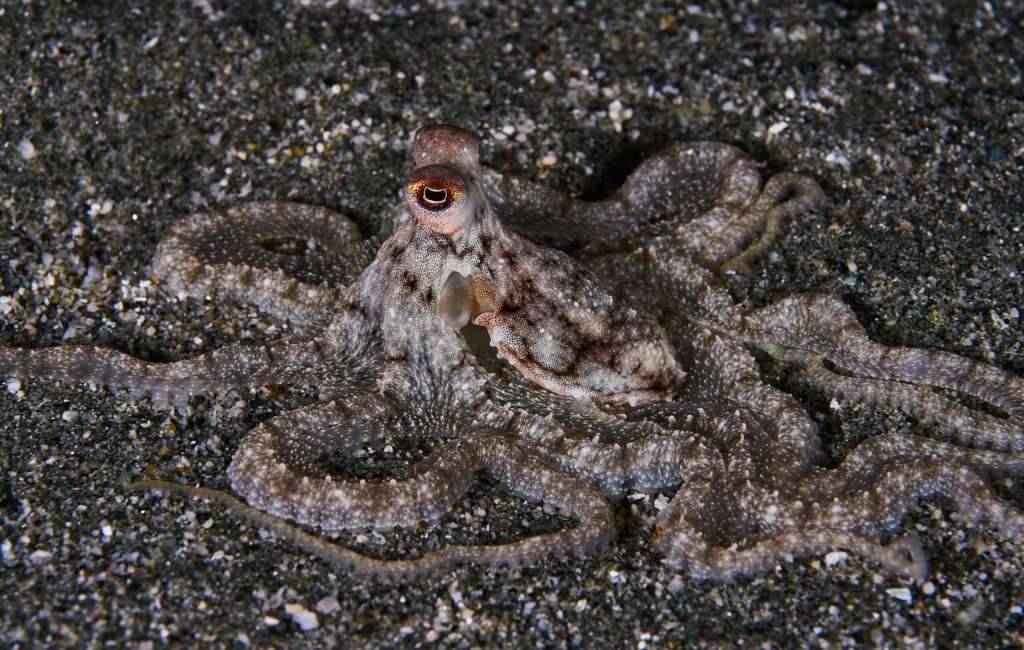
Every day beneath the surface reveals a different side of Alor. One morning may be spent drifting effortlessly over current-swept ridges surrounded by schools of fusiliers, giant trevallies and reef sharks, while the afternoon may unfold over black volcanic sand in search of Rhinopias, frogfish, ghost pipefish, pygmy seahorses, mimic octopus and countless other rare macro treasures.
Yet Alor’s magic extends far beyond its reefs.
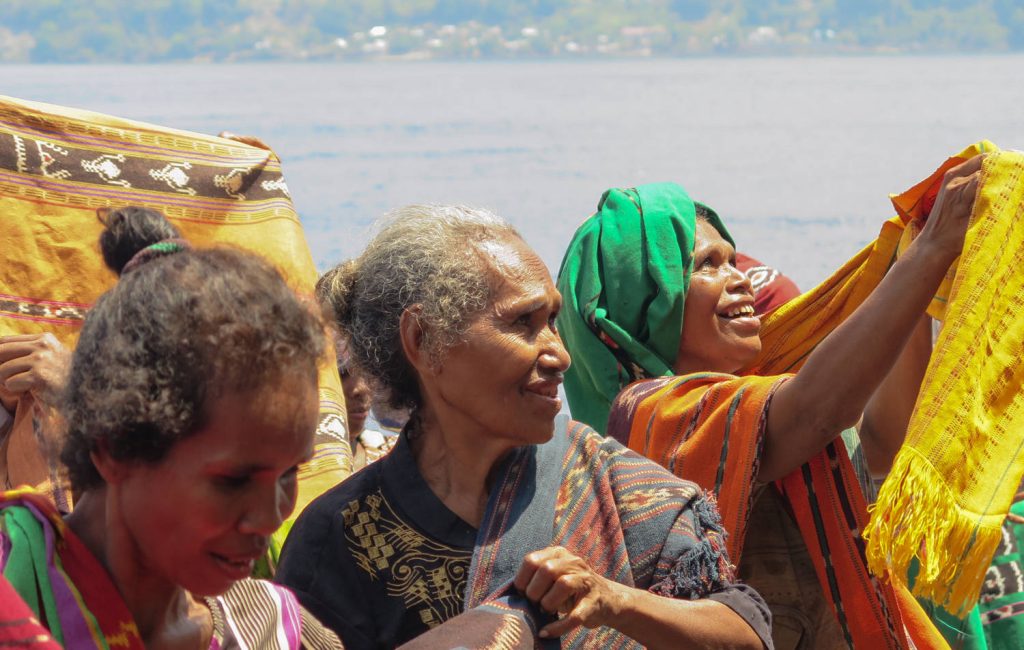
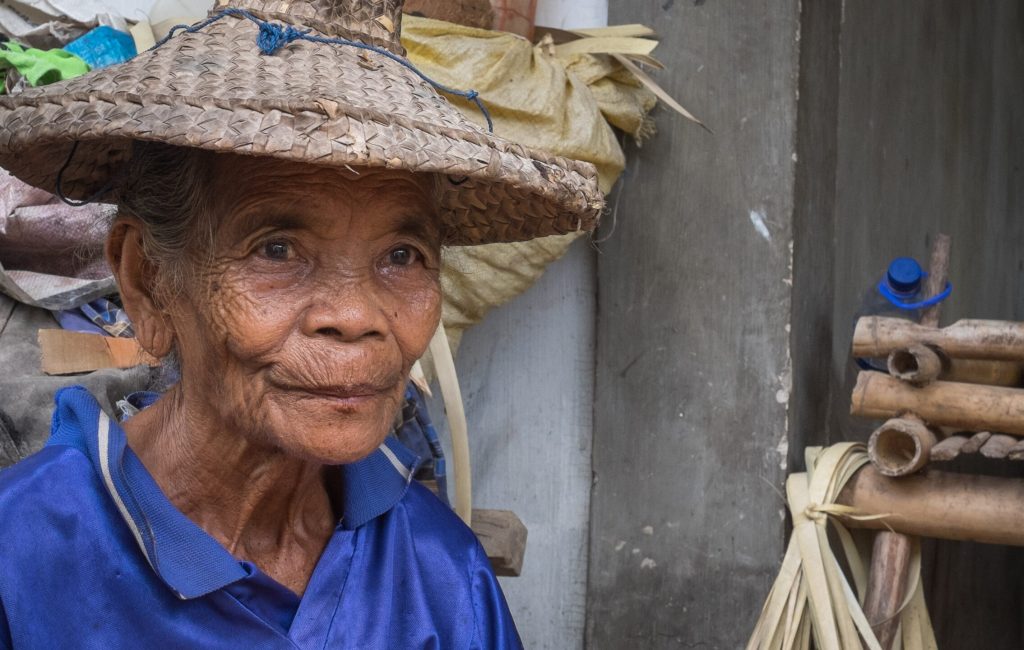
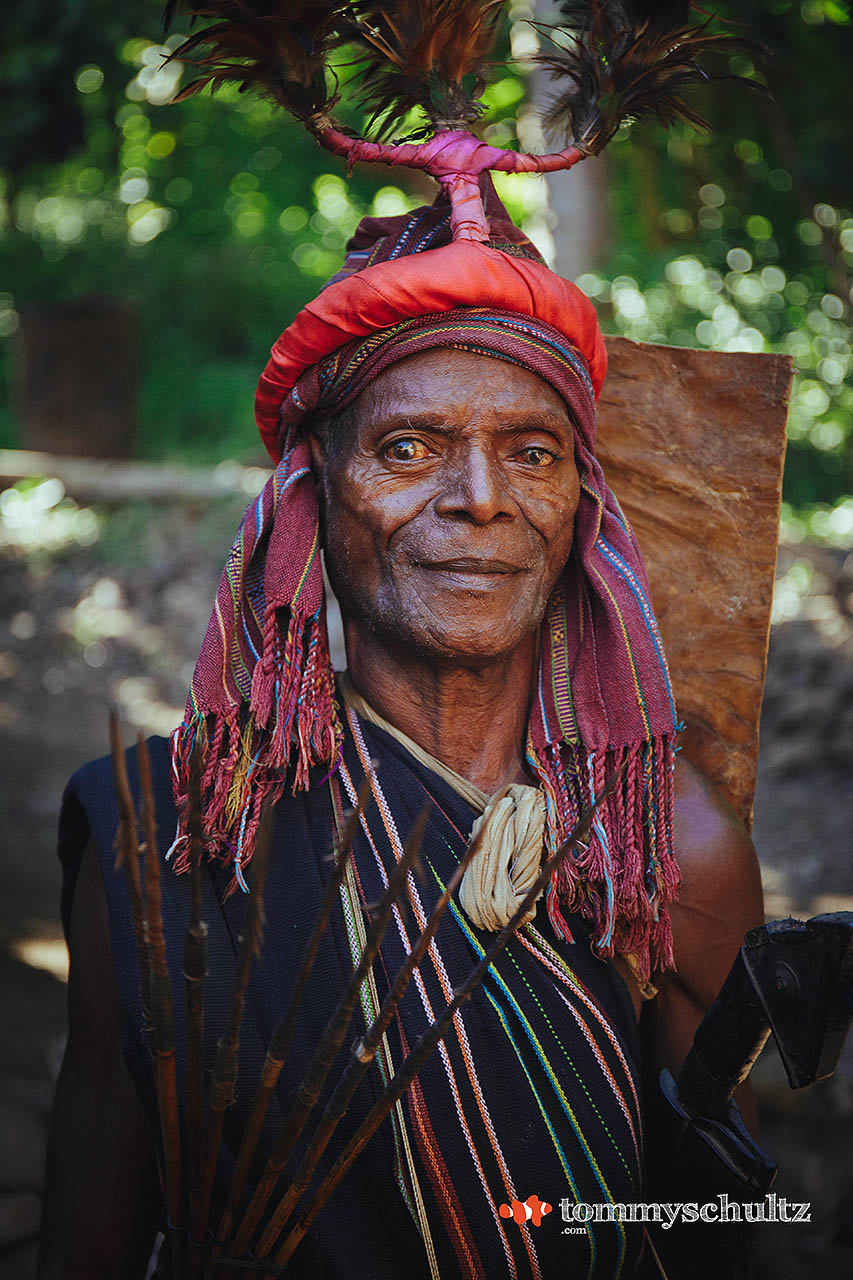
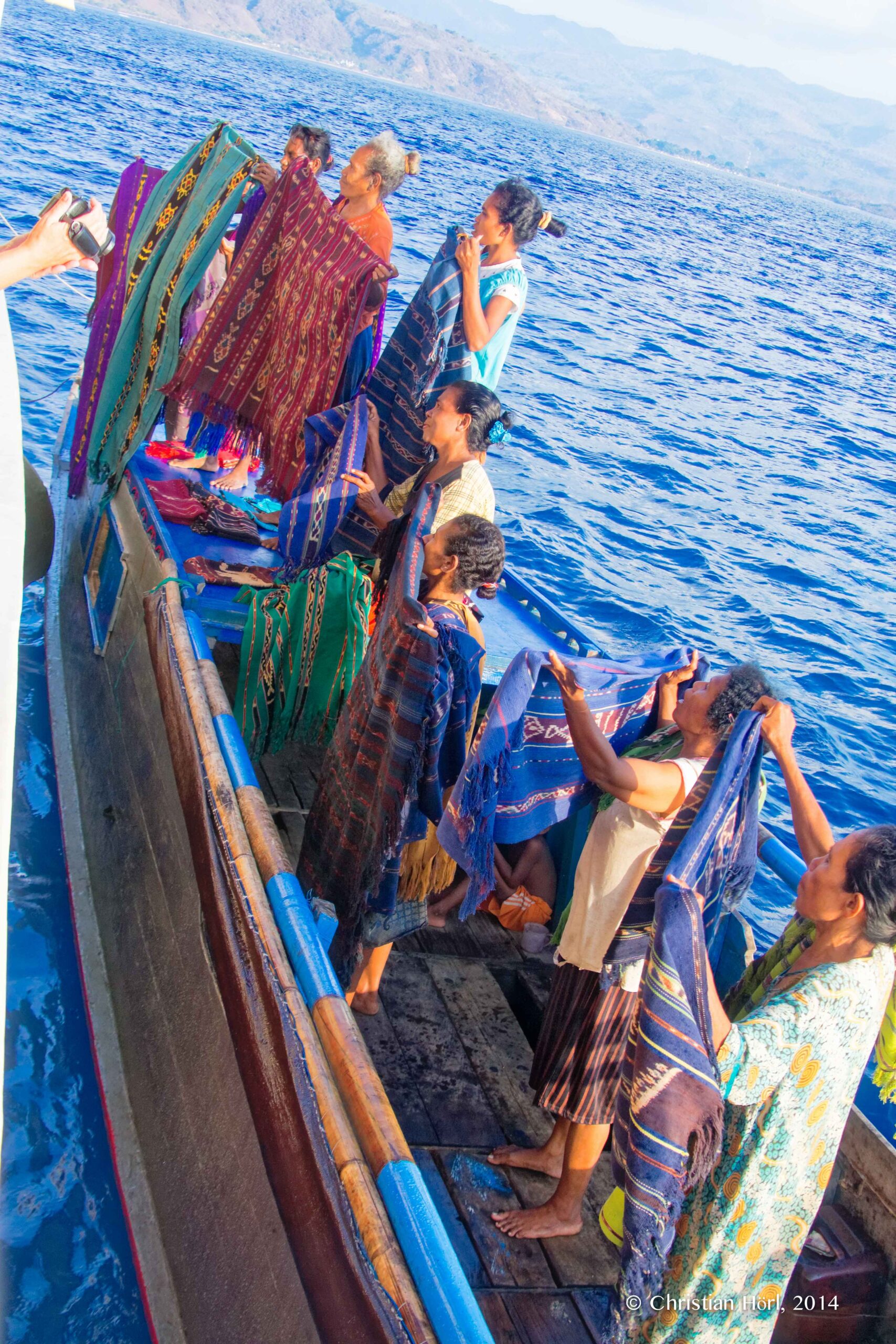
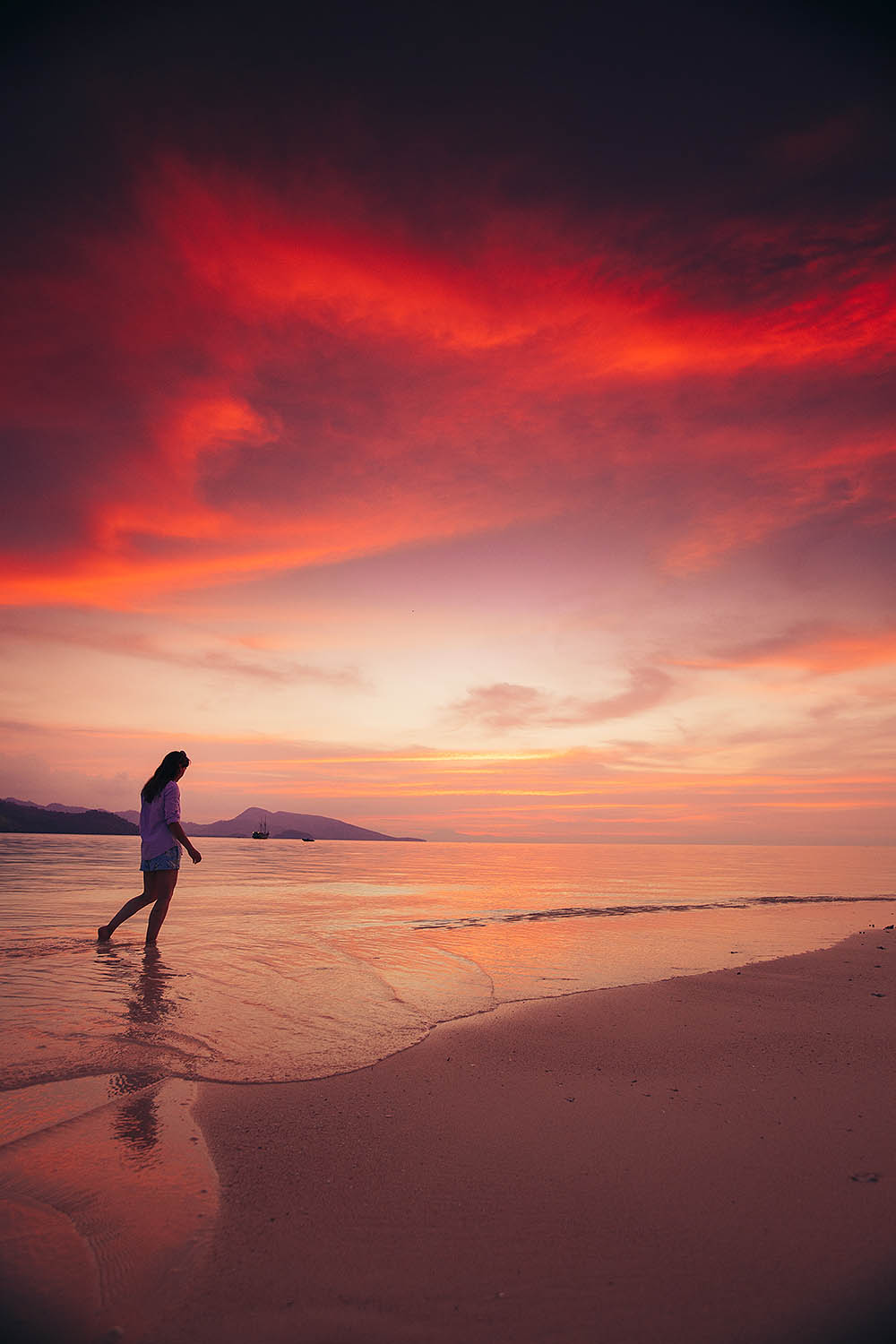
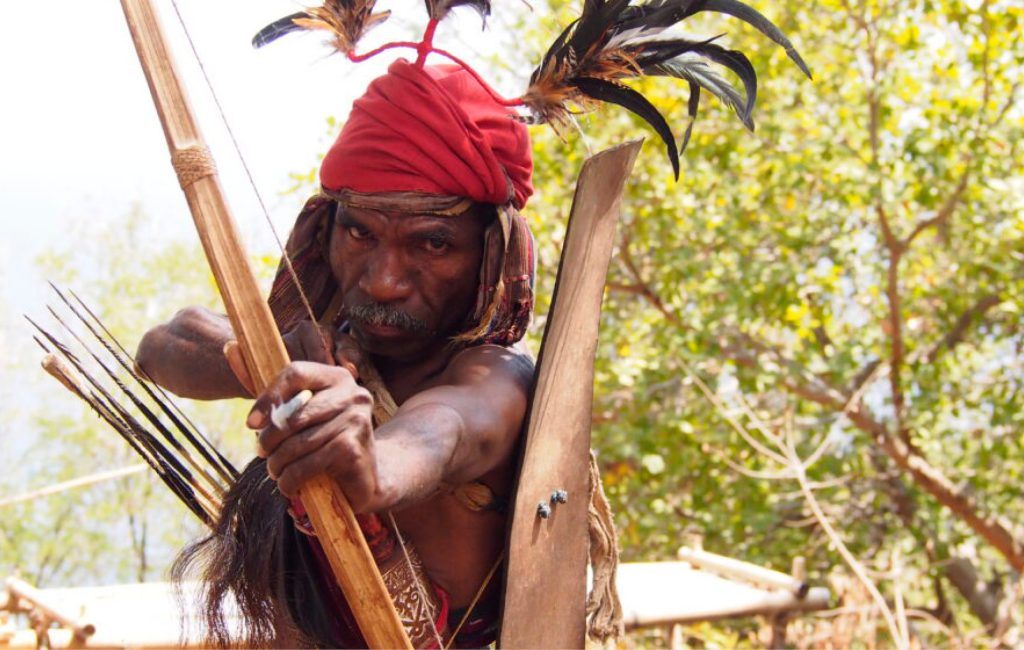
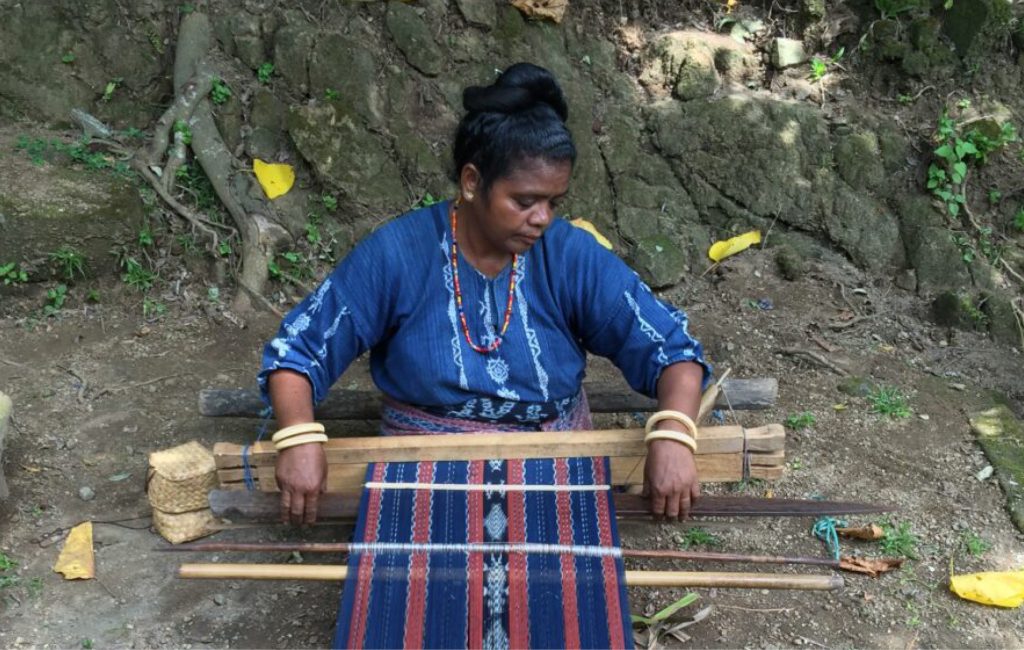
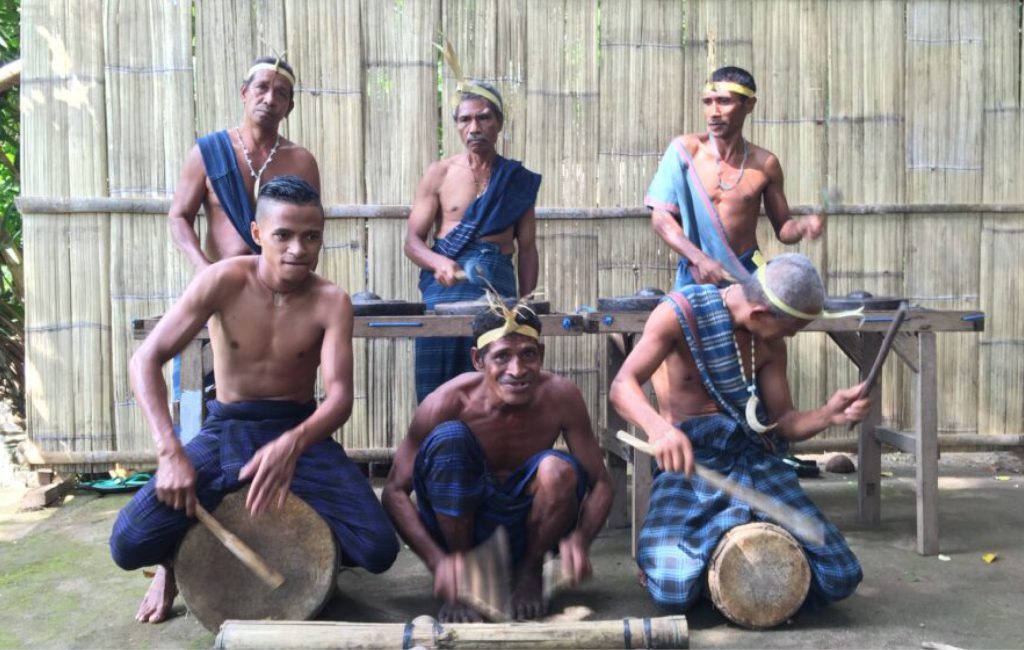
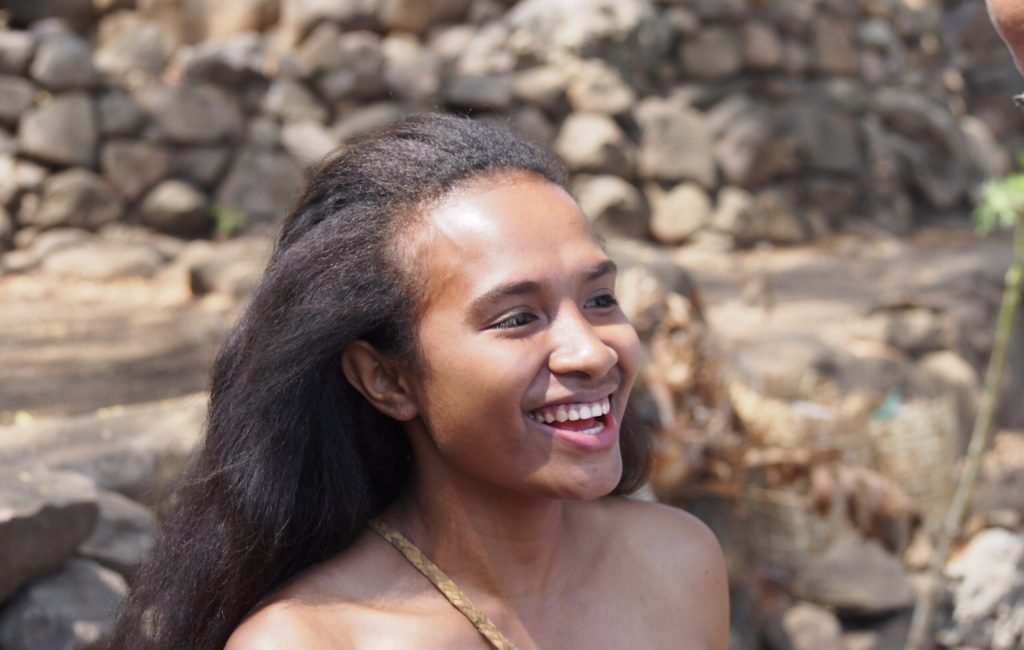
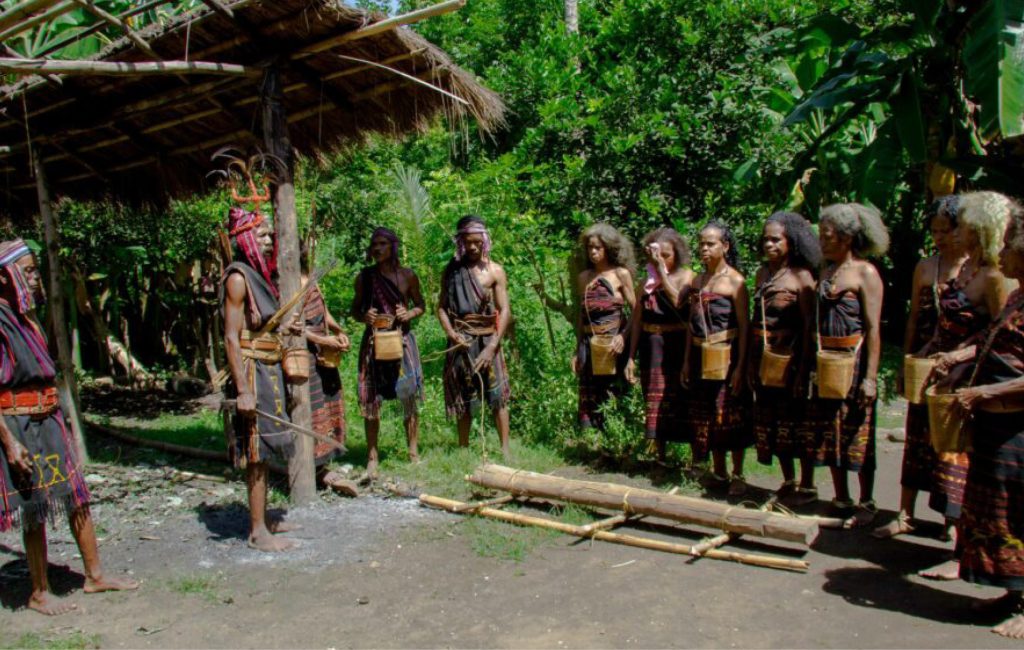
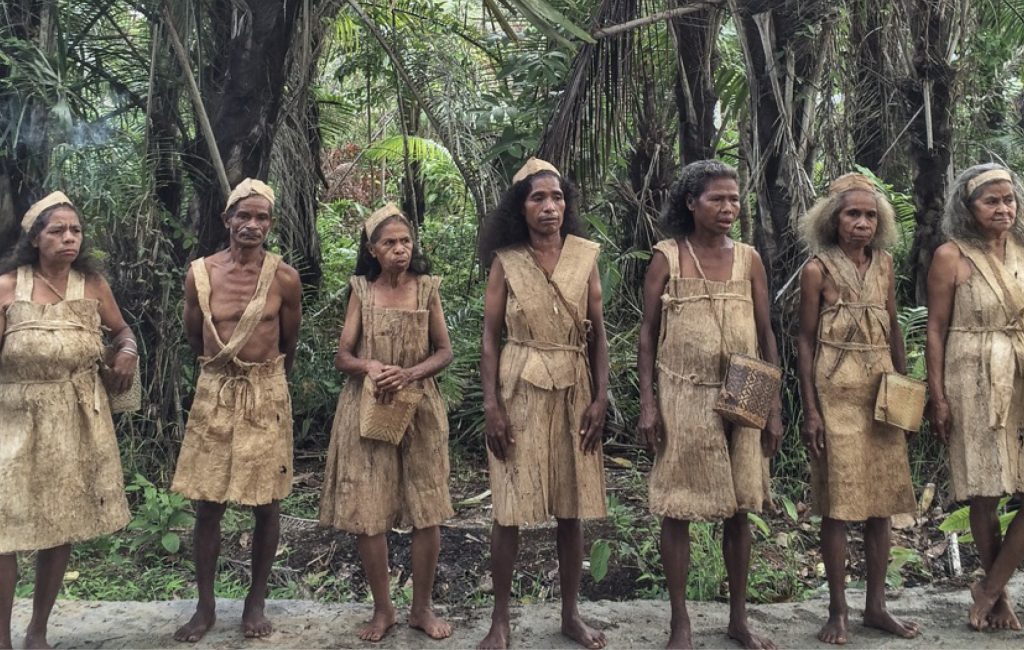
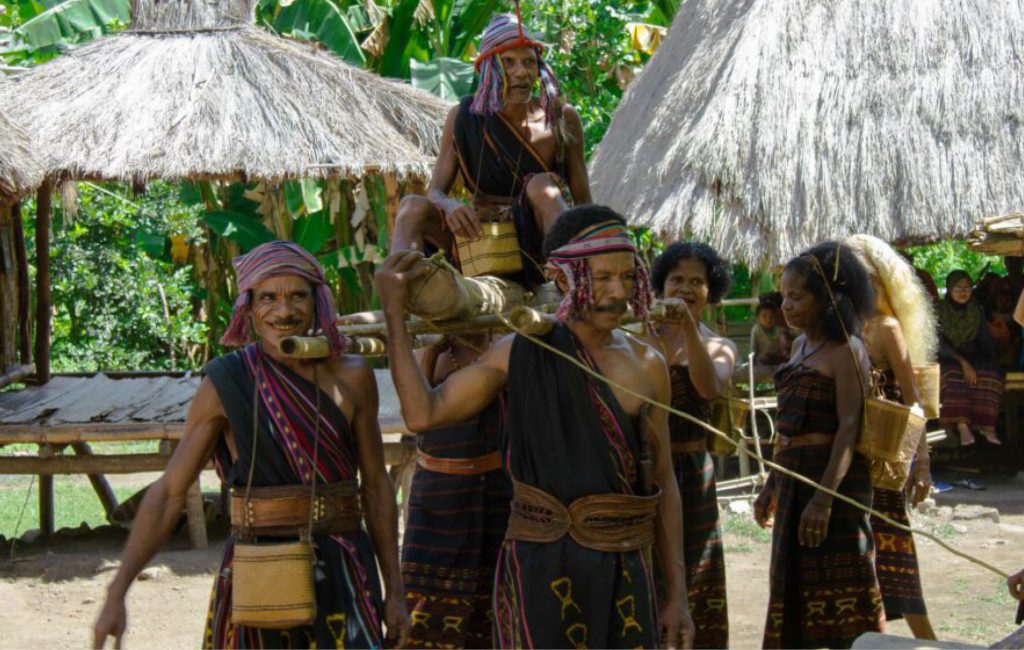
Towering volcanic islands rise directly from the sea, while traditional fishing villages preserve a way of life that has remained largely unchanged for generations. The archipelago is also one of Indonesia’s most culturally diverse regions, home to dozens of ethnic groups and languages. Ancient traditions continue to thrive through colourful ceremonies, storytelling, the famous Lego-Lego dance and beautifully handcrafted ikat textiles, all reflecting a rich cultural heritage passed down through the centuries.
Whenever the itinerary allows, guests may have the opportunity to experience selected cultural encounters, always approached with respect for local communities and their traditions. These moments remind us that conservation is not only about protecting coral reefs, but also about preserving the people, customs and knowledge that have coexisted with these waters for generations.
Beginning and ending in Kalabahi gives us something increasingly rare: the freedom to dive according to tides rather than schedules, revisit exceptional sites when conditions are perfect, and fully immerse ourselves in both the extraordinary underwater world and the rich cultural heritage that make Alor one of Indonesia’s last truly wild frontiers.
This is not simply a crossing.
It is a complete exploration of one of Indonesia’s most remarkable and least explored destinations.
Come dive in the Archipelago East of Flores & Alor and remember what it feels like to fall in love with the ocean all over again.
Tentative Itinerary
The itinerary may be adjusted at the discretion of the captain and cruise director based on weather conditions, which can sometimes be unpredictable, as well as the group’s overall experience. The goal is to offer the best possible diving and snorkeling sites according to the group’s interests and skill levels.
Day 1 - ALOR - KALEBAHI BAY
Flight to Alor from Kupang. Transfer to the Seven Seas, setting up gear meanwhile we are steaming out and afterwards we’ll do a general briefing, after some refreshments and lunch and we’ll do our check out dive.
Day 2 - ALOR AREA
Pulau Pura and Ternate
In the heart of the Alor Strait lies Pura, a small volcanic island where every dive pulses with energy and life. Here, the ocean is raw, powerful, and wildly beautiful.
The waters around Pura are renowned for their nutrient-rich waters, which attract an explosion of marine life. Massive schools of jacks, barracudas, and fusiliers swirl in silver tornadoes, while Napoleon wrasses, giant groupers, and reef sharks glide through deep canyons and coral-covered slopes.
During the right season, lucky divers may even encounter Mola mola (sunfish) or hammerhead sharks. But what truly sets Pura apart is its biodiversity: pristine coral gardens, dramatic drop-offs, and muck diving sites teeming with bizarre and beautiful critters: rhinopias, mimic octopus, pygmy seahorses, and an endless variety of nudibranchs.
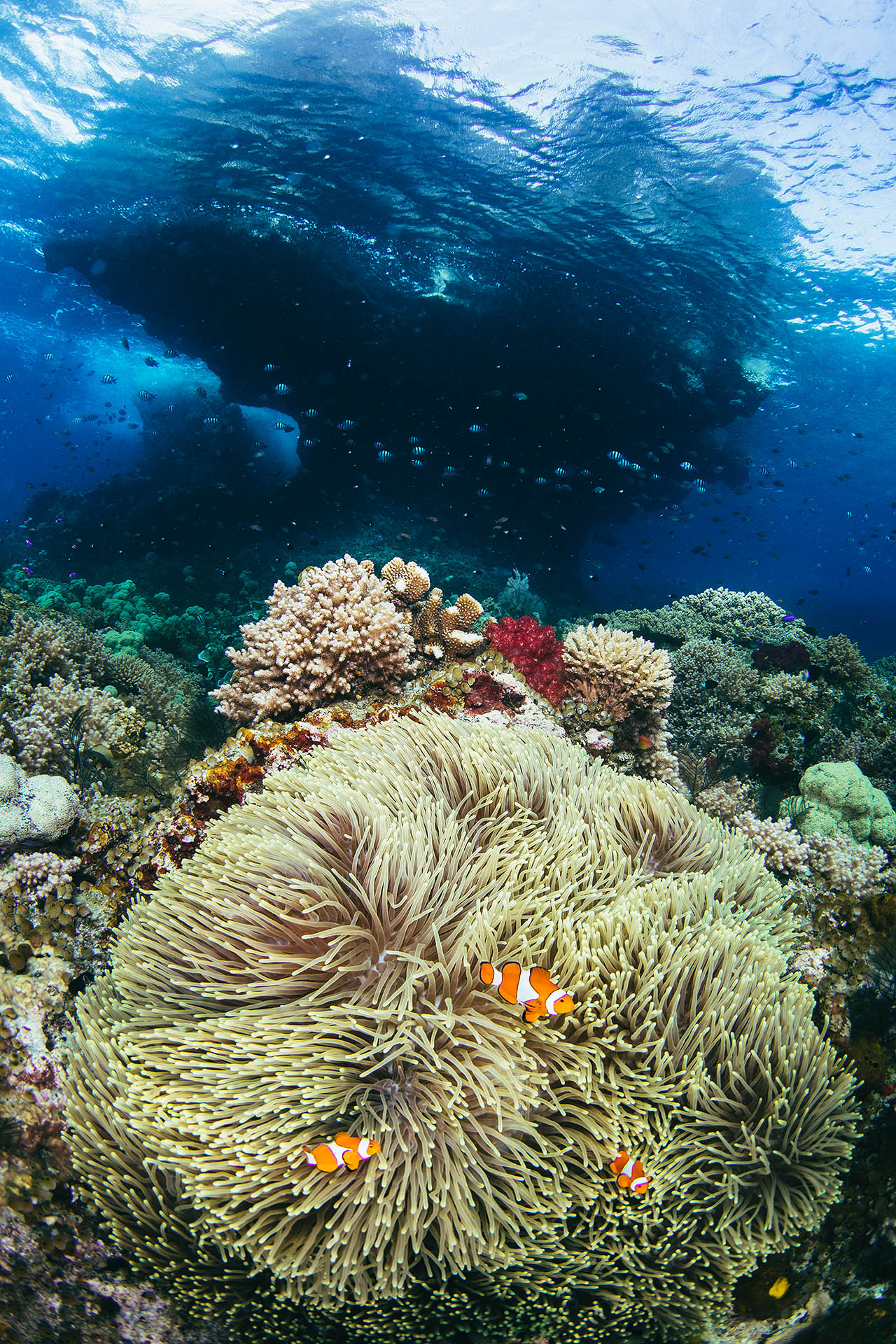
Clown Valley (aka Apuri Bay): Home to one of the largest concentrations of anemones and clownfish on the planet.
Pura Island Wall: A world-class vertical reef wall off Pura Island, starting around 8 m and plunging to depths well below recreational limits. Rich with sea fans, whip corals, and sponge gardens, this wall often attracts eagle rays, manta rays, and various shark species patrolling the depths.
The volcanic islands of Ternate, in the Alor Strait, lies one of Indonesia’s best-kept secrets: a series of dive sites where thriving reefs, and where every descent feels like a front-row seat to a marine symphony.
Babylon: Located on the southern coast of Ternate Island, this site is a classic vertical wall dive, descending from shallow coral gardens into depths of 25 to 30 m or more, with exceptional visibility often reaching 25–30 m, a sloping reef full of soft corals, reef fish, and occasional pelagic visitors.
Day 3 - ALOR AREA
Big fish, dramatic walls and Legendary drift diving
Today we head to the northern reaches of the Pantar Strait, where powerful currents, dramatic underwater topography and nutrient-rich waters combine to create some of Alor’s most exhilarating diving. From deep walls and exhilarating drift dives to thriving coral reefs teeming with life, this is a day dedicated to big fish encounters, spectacular scenery and some of the archipelago’s most iconic dive sites.
Munaseli: Situated near North Pantar Island, is widely regarded as one of Alor’s standout dive locations, offering a challenging deep-water experience shaped by moderate to strong currents. Its steep drop-offs and constant flow of nutrient-rich water from the depths draw in an impressive concentration of pelagic life and large schools of fish. Divers often encounter hammerheads, silvertip, grey reef and blacktip sharks, along with eagle rays, mobula rays, great barracudas, and powerful dogtooth tuna, creating a thrilling, high-energy dive environment.
Bama wall: Known for its towering wall that descends beyond 40 metres, revealing a striking underwater landscape and exceptional clarity. The site is alive with color and movement, with currents that can shift from gentle drifts to fast-moving flows. Typical sightings include Napoleon wrasse, bumphead parrotfish, sea snakes, bluefin trevallies, and dense formations of schooling fish, making Bama a spectacular and diverse underwater setting.
The Boardroom: Our next is one of the Pantar Strait’s finest drift dives, where nutrient-rich currents sustain an extraordinary abundance of marine life.
Located on the northwestern corner of Pura Island, this beautiful sloping reef is covered with healthy hard corals, colourful soft corals, giant barrel sponges and sea squirts, creating one of Alor’s most vibrant reef systems.
Schools of fusiliers, surgeonfish, batfish and midnight snappers fill the water column, while Napoleon wrasse, bumphead parrotfish, giant trevallies, reef sharks and eagle rays are frequent visitors to the deeper reef.
Hidden among the corals, photographers may also discover coral crouchers, yellow-spotted scorpionfish, nudibranchs and other cryptic reef species.
With its exceptional coral cover, exhilarating drift and abundant marine life, The Boardroom is a perfect showcase of everything that makes the Pantar Strait one of Indonesia’s premier diving destinations.
Day 4 - ALOR AREA
Pulau Rusa
Just off the southwest coast of Pulau Rusa lies Watu Balu: A rugged islet surrounded by some of the most vibrant and undisturbed reefs in Indonesia. Exposed to the open Indian Ocean, this site is influenced by nutrient-rich currents that fuel incredible marine biodiversity and deliver thrilling diving conditions.
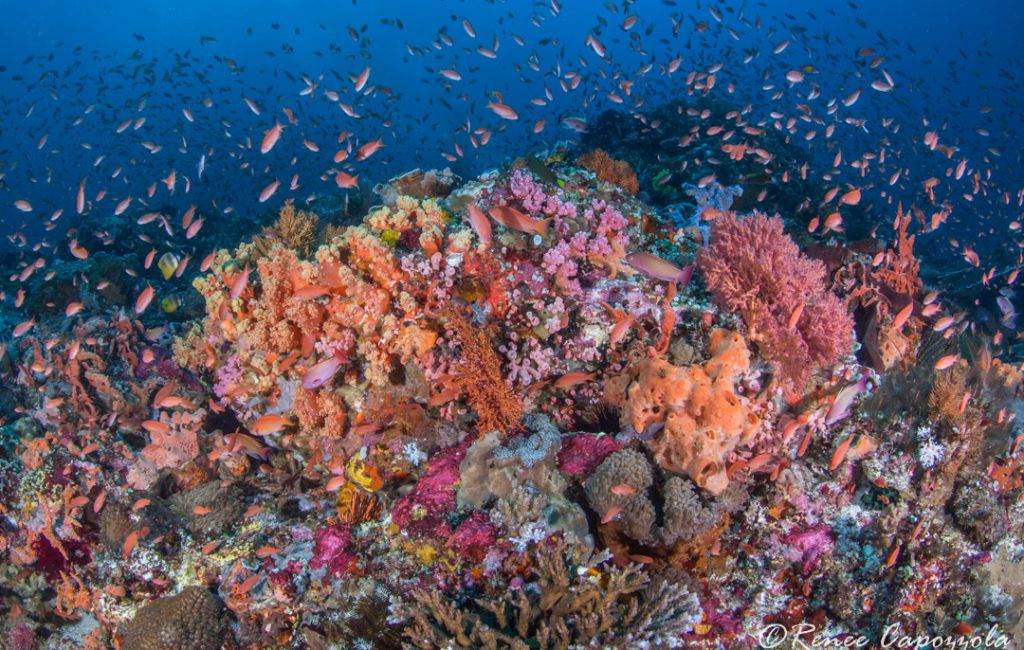
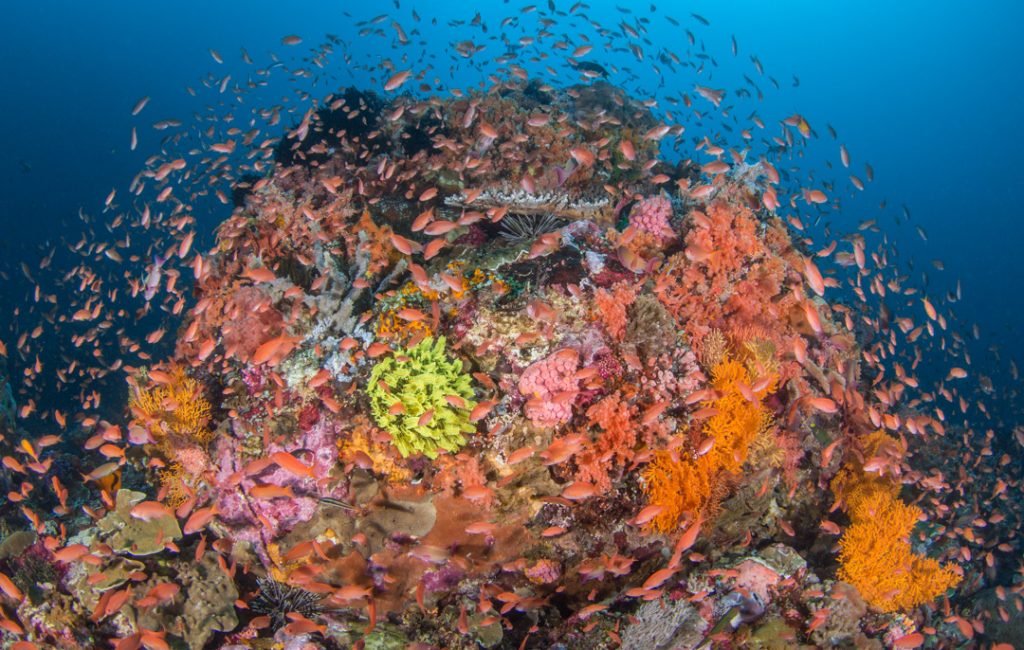
The reef is bursting with colorful hard corals, including massive table corals swarming with anthias and other reef life. Divers are often treated to sightings of yellow snappers, schooling surgeonfish, red snapper, and sleek rainbow runners darting through the current. Bamboo sharks are commonly spotted nestled beneath coral structures, and the elusive wobbegong shark may make a rare appearance.
When temperatures drop, there’s even a chance to encounter a Mola Mola (ocean sunfish)—a bucket-list moment for any diver.
The underwater landscape features a sponge-covered wall that flows into tiered coral ledges, creating a dramatic and visually rich environment ideal for wide-angle photography and exploration.
Rainbow Ridge: It is an underwater ridge lies to the southeast of Pulau Rusa, extending into deeper waters influenced by the Indian Ocean. This submerged feature is known for attracting a wide range of marine life due to the surrounding nutrient-rich environment. It offers a combination of reef structure and open blue water, making it a rewarding site for spotting both reef species and occasional pelagics.
Fusiliers and surgeonfish are often seen schooling along the ridge, while larger species like Napoleon wrasse may be observed patrolling the reef. The ridge is also home to patches of hard and soft coral, which support smaller reef fish and invertebrates.
Day 5 - KAWULA
Lewaling Bay at North Kawula
The Lewaling area offers a mix of sloping reefs and wall dives, with healthy coral cover and good visibility. The walls start shallow and drop steeply, covered in soft corals, sea fans, and sponges. Wall dives here often allow for a drift along the face of the reef.
Divers can expect to see fusiliers, snappers, anthias, and triggerfish, turtle and reef sharks as well as leaf scorpionfish and other reef species.
One of the dive sites, called Cardinals, is very shallow and ideal for longer dives. It is known for large numbers of cardinalfish, with several species often seen in the same area, especially around coral heads and rocky patches. Above the water, the active volcano Mount Lewotolok creates a dramatic backdrop to the diving.
The secluded bay is perfect for a peaceful kayak adventure gliding over crystal-clear waters. And if the tide is low, we’ll take the chance to explore the nearby mangroves, a fascinating maze of roots and reflections where nature reveals its quiet magic.
Day 6 - PULAU KOMBA
Komba Island, Volcano, where the Flores Sea meets the Banda Sea
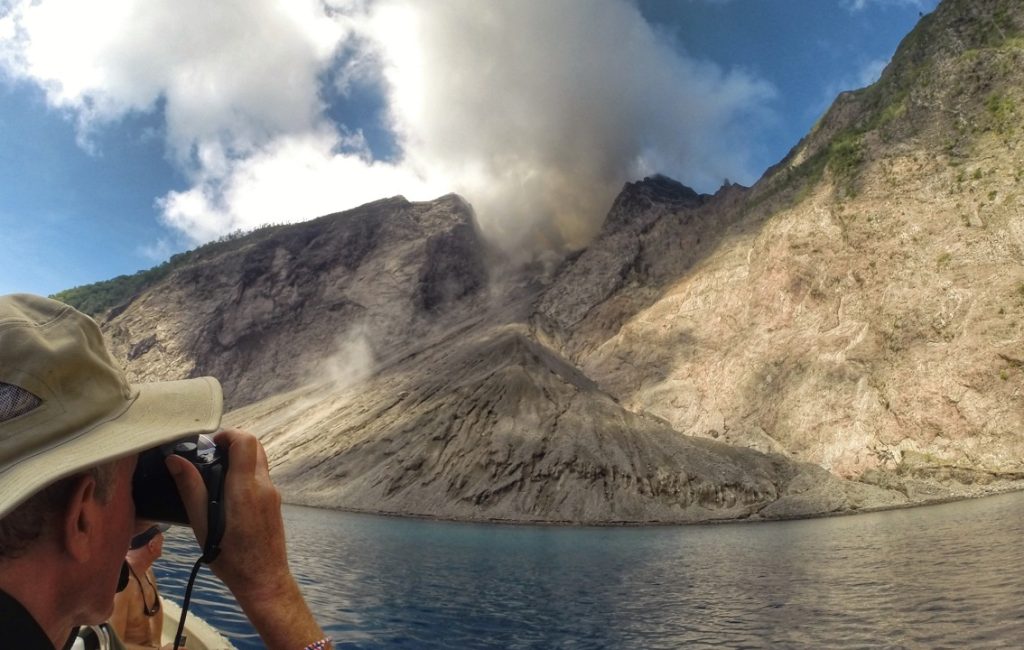
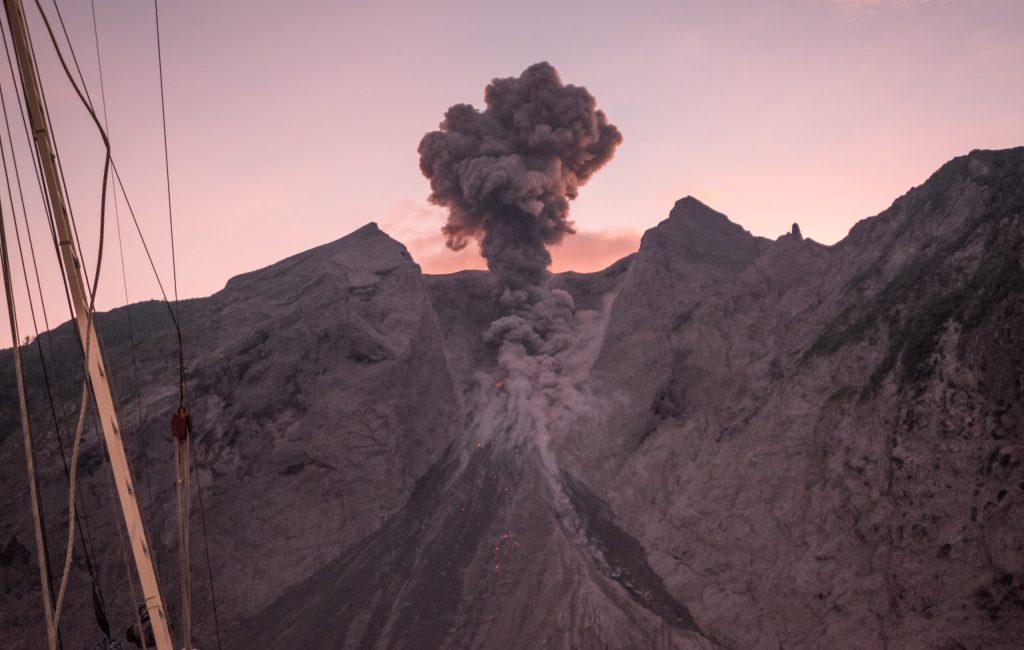
Pulau Komba is a remote volcanic island off the north coast of Lembata. It’s dominated by Mount Batutara, a small but active volcano that frequently emits smoke and ash, adding a dramatic view during surface intervals and between dives.
The underwater landscape includes rocky slopes, black sand areas, coral sections, and steep reef walls. Coral growth is healthy, with a mix of soft and hard corals, sponges, and volcanic rock formations. Divers often see fusiliers, trevallies, and surgeonfish in the open water, along with moray eels, scorpionfish, and leaf fish along the reef. Occasionally, larger species such as tuna or white-tip reef sharks may be seen cruising by.
Visibility is generally clear. The combination of active volcanic activity, lava-formed terrain, and black sand divingmakes Pulau Komba a distinctive and memorable site.
Day 7 - ALOR AREA
Coral Gardens, White Sand and Volcanic Caves
Today we explore three of the Pantar Strait’s most diverse dive sites, each revealing a different face of Alor’s extraordinary underwater world. From colourful sloping reefs and pristine white sand beaches to dramatic volcanic caverns, this is a day that perfectly showcases the remarkable diversity of the archipelago.
Plakang: We begin the day at Plakang, a beautiful sloping reef renowned for its exceptional coral cover and abundant fish life.
Healthy hard corals and colourful bommies create a thriving habitat for schools of fusiliers, surgeonfish and snappers, while giant trevallies, dogtooth tuna, rainbow runners and reef sharks patrol the blue beyond the reef.
With excellent visibility and gentle to moderate currents, Plakang offers the perfect balance between relaxed diving and exciting pelagic encounters, making it an ideal introduction to another unforgettable day in the Pantar Strait.
Ula: Our second dive takes us to Ula, one of Alor’s most picturesque sloping reefs.
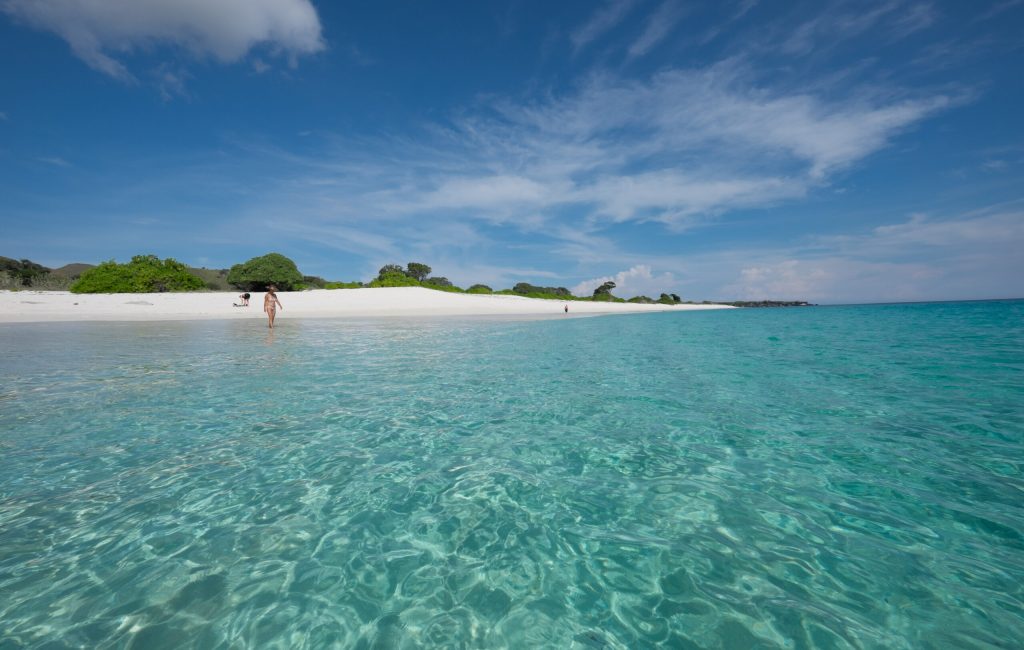
The reef gently descends towards a pristine white sand beach, where colourful coral bommies are scattered across the seabed like an underwater garden. Magnificent hard corals, vibrant soft corals and expansive coral gardens create one of the most spectacular reefscapes in the region.
The reef teems with life. Schools of fusiliers, butterflyfish, angelfish, sweetlips and parrotfish move effortlessly above the corals, while turtles are frequent visitors and larger predators occasionally appear in the blue.
The contrast between brilliant coral colours, crystal-clear water and white sand makes Ula a favourite among underwater photographers and one of the most visually stunning dives of the expedition.
Wolang Cave (Goa Wolang): Our final dive explores Wolang Cave, one of Alor’s most unique and adventurous dive sites.
Located along the southern coastline of Alor, this remarkable site features two volcanic caverns connected by dramatic swim-throughs, sculpted over thousands of years by volcanic activity. One of the caverns even contains a natural air pocket, adding a true sense of exploration to the dive.
The cave entrances are often filled with schools of glassfish and bluefin trevallies, while the rocky walls provide shelter for lobsters, shrimps, crabs, nudibranchs and electric clams. Divers may even encounter nurse sharks resting inside the caverns, together with their distinctive egg cases, while reef sharks occasionally patrol the reef just outside the entrance.
Emerging from the caves, the dive continues along a spectacular wall covered with brilliant orange soft corals, giant sea fans and colourful sponges, providing a breathtaking finale to the day’s exploration.
Combining cavern exploration, volcanic topography and vibrant reef life, Wolang Cave is one of Alor’s true hidden gems and an unforgettable conclusion to a remarkable day beneath the surface.
Evening On Board
As Seven Seas anchors beneath the volcanic peaks of the Pantar Strait, guests gather on deck to reflect on another extraordinary day of exploration.
From healthy coral gardens and pristine white sand to hidden volcanic caves and thriving marine life, today’s dives perfectly capture the incredible diversity that makes Alor one of Indonesia’s most spectacular and least explored diving destinations.
Day 8 - ALOR AREA
Beangabang. The Hidden South Coast of Pantar
Today we venture towards the remote southern coastline of Pantar, a region rarely explored by most liveaboards.
Protected from the stronger tidal exchanges of the central strait, Beangabang offers a completely different underwater landscape. Black volcanic sand, coral gardens, lava slopes and pristine reefs combine to create one of Alor’s most diverse diving environments.
The area is particularly famous among underwater photographers for its extraordinary macro life, although its coral reefs are equally impressive and often enjoy exceptional visibility.
Far from the better-known dive sites, this is where Alor truly feels unexplored.
Beangabang Bay: The morning begins with one of the finest macro dives of the expedition.
The gently sloping volcanic seabed appears deceptively simple at first glance, yet every metre hides an astonishing diversity of marine life.
Patient observation may reveal mimic octopus, wonderpus, flamboyant cuttlefish, frogfish, ghost pipefish, juvenile sweetlips, ornate shrimps, porcelain crabs, dragonets and numerous species of nudibranch.
Every dive rewards careful exploration rather than speed.
Southern Lava Reef: Leaving the sheltered bay behind, we explore a spectacular reef formed by ancient volcanic flows descending into crystal-clear water.
Healthy hard corals dominate the upper reef, gradually giving way to enormous sea fans, colourful soft corals and impressive sponge formations.
Schools of fusiliers, snappers and surgeonfish constantly move across the reef, while giant trevallies and Spanish mackerel patrol the blue beyond the drop-off.
Green turtles are frequently encountered grazing peacefully among the coral gardens.
Secret Reef: One of the advantages of a dedicated Alor expedition is the flexibility to visit lesser-known sites that rarely appear on traditional crossing itineraries.
Our third dive takes place on one of these hidden reefs, selected according to tides, weather and visibility.
These isolated coral formations often surprise even experienced divers with their remarkable fish life and pristine condition.
Dense schools of anthias blanket the reef, while reef sharks, Napoleon wrasse and eagle rays occasionally patrol the deeper sections.
This is expedition diving at its finest.
Twilight at Beangabang: As the afternoon light softens, we return to the sheltered bays for one final immersion.
Twilight transforms the reef into an entirely different world.
Daytime species begin settling into the coral while nocturnal hunters slowly emerge from their hiding places.
Octopus, cuttlefish, decorator crabs and shrimps become increasingly active, offering photographers some of the most unique images of the entire expedition.
Evening On Board
As Seven Seas cruises north once again, the dramatic volcanic coastline of Pantar glows beneath the evening light.
With every passing day, guests discover another completely different face of Alor.
The contrast between powerful drift dives, pristine coral reefs and world-class macro photography is what makes this archipelago unlike anywhere else in Indonesia.
Tomorrow we continue towards the remote reefs surrounding Reta Island, one of Alor’s least visited treasures, where healthy coral ecosystems and spectacular reef scenery awaits.
Day 9 - ALOR AREA
Reta Island. Untouched Reefs at the Edge of the Archipelago
As our expedition continues eastward, we reach one of Alor’s most pristine and least visited regions.
Reta Island lies far from the better-known dive sites of the Pantar Strait, where healthy reefs flourish in remarkable isolation. Here, dramatic volcanic slopes disappear into the deep, coral gardens remain largely untouched, and marine life benefits from the constant flow of clean, nutrient-rich oceanic water.
This is a day dedicated to exploring reefs that very few divers ever experience.
Reta Reef: Our morning begins on an expansive coral plateau bursting with life.
Magnificent hard corals form an intricate underwater landscape where countless reef fish find shelter. Anthias blanket the reef in vibrant colours, while schools of fusiliers move effortlessly through the current.
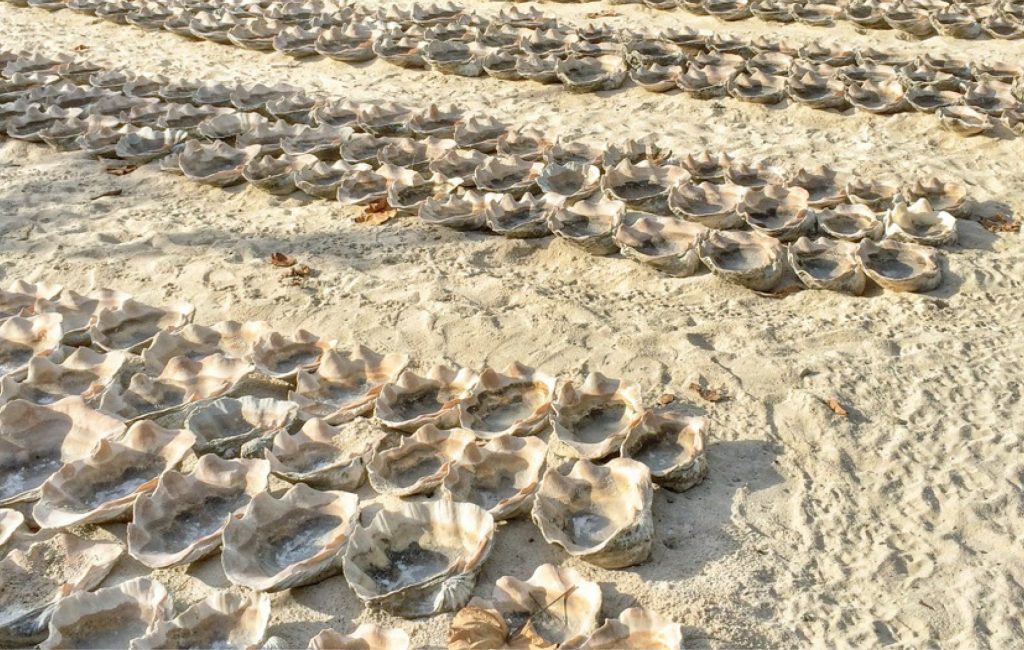
Green turtles are frequently encountered feeding among the coral heads, while giant clams, barrel sponges and delicate sea fans create endless photographic opportunities.
The reef’s outstanding condition reflects the remoteness of this remarkable location.
The Arch: Hidden in the waters off Ternate Island in the Pantar Strait, The Arch is a standout dive site renowned for its dramatic underwater architecture, a natural archway carved into a steep coral wall that plunges to depths of 20–30 m
The Eastern Pinnacle: One of the highlights of the day is an isolated underwater pinnacle rising dramatically from the depths.
The nutrient-rich currents concentrate enormous numbers of reef fish, attracting larger predators that patrol continuously around the structure.
Depending on conditions, divers may encounter eagle rays, Napoleon wrasse, rainbow runners, Spanish mackerel, and impressive schools of surgeonfish and snappers.
The combination of spectacular scenery and abundant fish life makes this one of the finest wide-angle dives of the expedition.

Day 10 - ALOR AREA
Pantar Strait
Today we dive the legendary Pantar Strait, the beating heart of the Alor Archipelago and one of the most exhilarating diving regions in the Coral Triangle.
As immense tidal exchanges funnel nutrient-rich waters between the islands of Alor and Pantar, the strait comes alive with spectacular coral growth, thriving reef ecosystems and an abundance of marine life. From dramatic volcanic walls to current-swept ridges, every dive showcases a different face of this extraordinary underwater landscape.
Kal’s Dream: We begin the day at Kal’s Dream, one of Alor’s most celebrated dive sites.
This spectacular submerged ridge is covered with pristine hard corals, colourful soft corals and giant sea fans, creating an ideal habitat for an incredible diversity of marine life.
Schools of fusiliers, giant trevallies, dogtooth tuna, barracuda and rainbow runners patrol the reef, while grey reef sharks and whitetip reef sharks are frequent visitors. Depending on the season and conditions, larger pelagic species may also pass through the blue.
Every drift at Kal’s Dream is different, making it a site that rewards repeat visits.
Cathedral: Our second dive takes us to the magnificent Cathedral, where towering volcanic walls, dramatic overhangs and natural swim-throughs create one of the most scenic dives in the Pantar Strait.
The reef is decorated with large gorgonian sea fans, vibrant soft corals and colourful sponges, while the walls shelter pygmy seahorses, nudibranchs, leaf scorpionfish and longnose hawkfish.
Beyond the reef, schools of snapper, fusiliers and hunting trevallies move effortlessly through the crystal-clear water, creating spectacular opportunities for wide-angle photography.
Crucifixion (Kelalaka): Our final dive explores Crucifixion, also known locally as Kelalaka, one of the most exciting drift dives in the entire archipelago.
Powerful currents sweep across healthy coral ridges alive with anthias, surgeonfish, fusiliers and snappers, attracting giant trevallies, Spanish mackerel, dogtooth tuna and reef sharks.
With favourable conditions, divers may also encounter eagle rays gliding effortlessly through the blue, making every descent an unforgettable experience.
Evening On Board
As Seven Seas anchors beneath the volcanic peaks of the Pantar Strait, guests gather on deck to enjoy another spectacular sunset over one of Indonesia’s most pristine marine environments.
With every dive, the Pantar Strait reveals another reason why it is regarded as one of the finest diving destinations in the Coral Triangle.
Day 11 -ALOR AREA
Pulau Pura & Takpala Village
Pasir Merah (Red Sand)
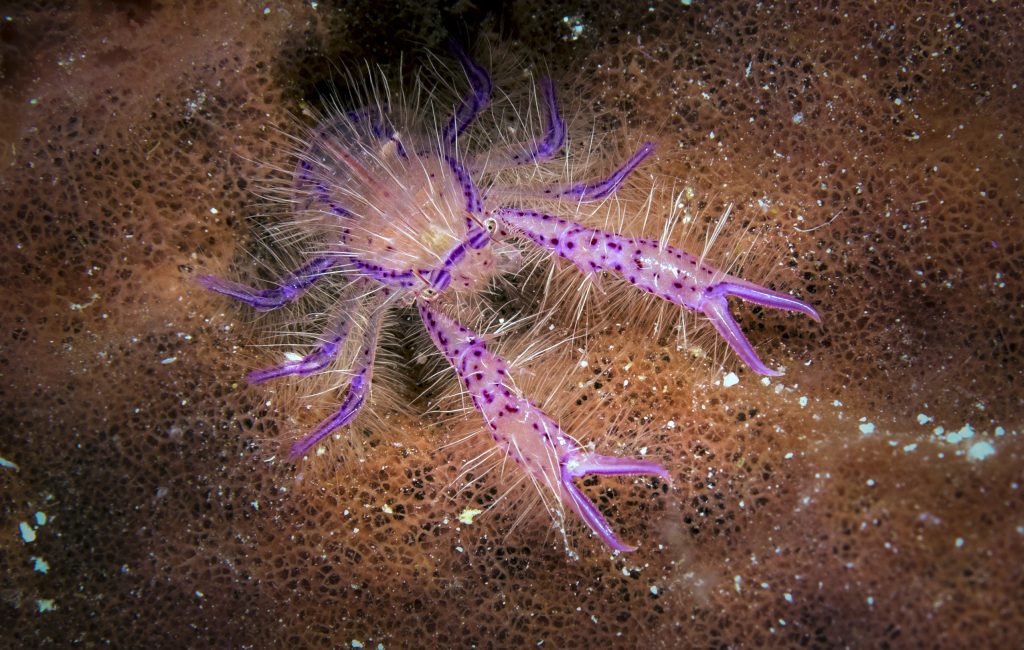
Located north of Pura, Pasir Merah is one of Alor’s most unique dive sites, featuring volcanic red sand slopes and natural bubbling gas vents, a striking reminder of the island’s volcanic origins. This unusual habitat supports an exceptional variety of macro life, including mandarin fish, hairy shrimp, and, in deeper sections, the possibility of encountering bamboo sharks and nurse sharks.
Bakalang Jetty
Dive beneath the weathered pillars of Bakalang Jetty, where soft corals transform the structure into a vibrant underwater tapestry. Hidden among the corals, frogfish blend perfectly into their surroundings, while rays and schools of batfish may cruise through the blue beyond. With excellent visibility, gentle conditions and outstanding macro opportunities, this site is a photographer’s paradise and a perfect introduction to Alor’s fascinating muck diving.
Takpala Village
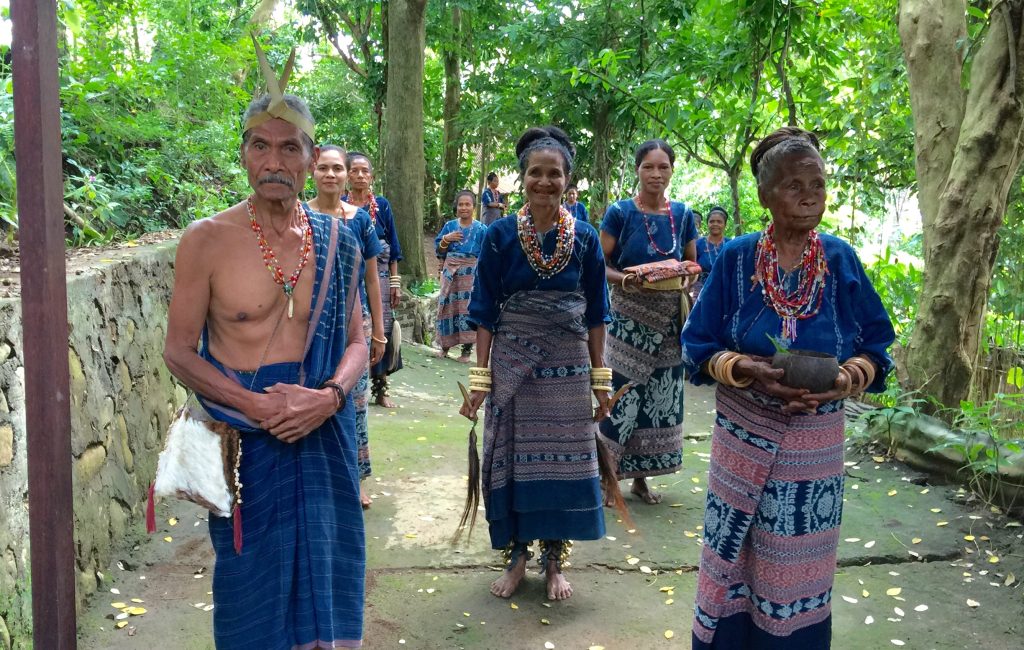
After our final dive, we leave the ocean behind to discover another side of Alor with a visit to Takpala, a traditional Abui village nestled in the hills above Kalabahi.
Here, centuries-old traditions are still very much alive. Traditional houses built entirely from natural materials surround a ceremonial courtyard, where local villagers welcome us with the famous Lego-Lego dance and share their customs, rituals and unique way of life. It is a rare opportunity to experience one of Indonesia’s most authentic cultural communities.
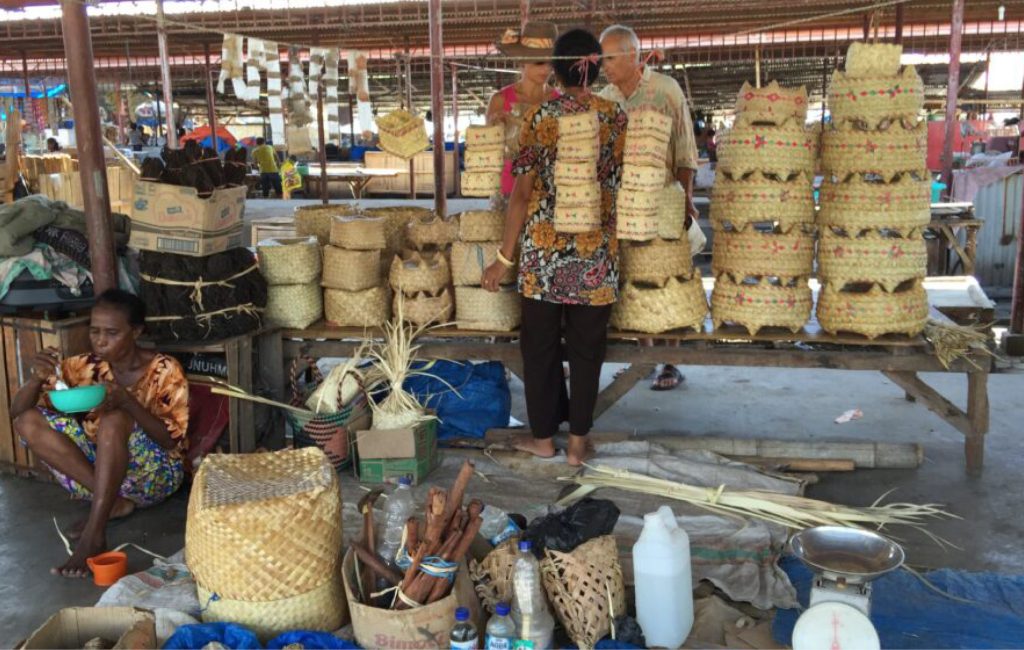
On our return to the harbour, those still full of energy may enjoy a short stop at Kalabahi’s local market, offering a final glimpse into everyday island life before returning to Seven Seas.
Day 12 - ALOR - KALEBAHI BAY
Disembarkation. Fly to Bali/Jakarta and transfer to flights home or resort.