Explore The Wonders Of Indonesia
Saumlaki – Tual Forgotten Islands Exploration 14 Nights
Saumlaki to Tual. Into the wild heart of the Forgotten Islands
Few places on Earth remain as untouched as Indonesia’s Forgotten Islands. Scattered across the eastern Banda Sea, these remote volcanic outposts lie far beyond the country’s well-known diving destinations, where thriving coral reefs, nutrient-rich currents and endless horizons have created one of the richest marine ecosystems in the Indo-Pacific.
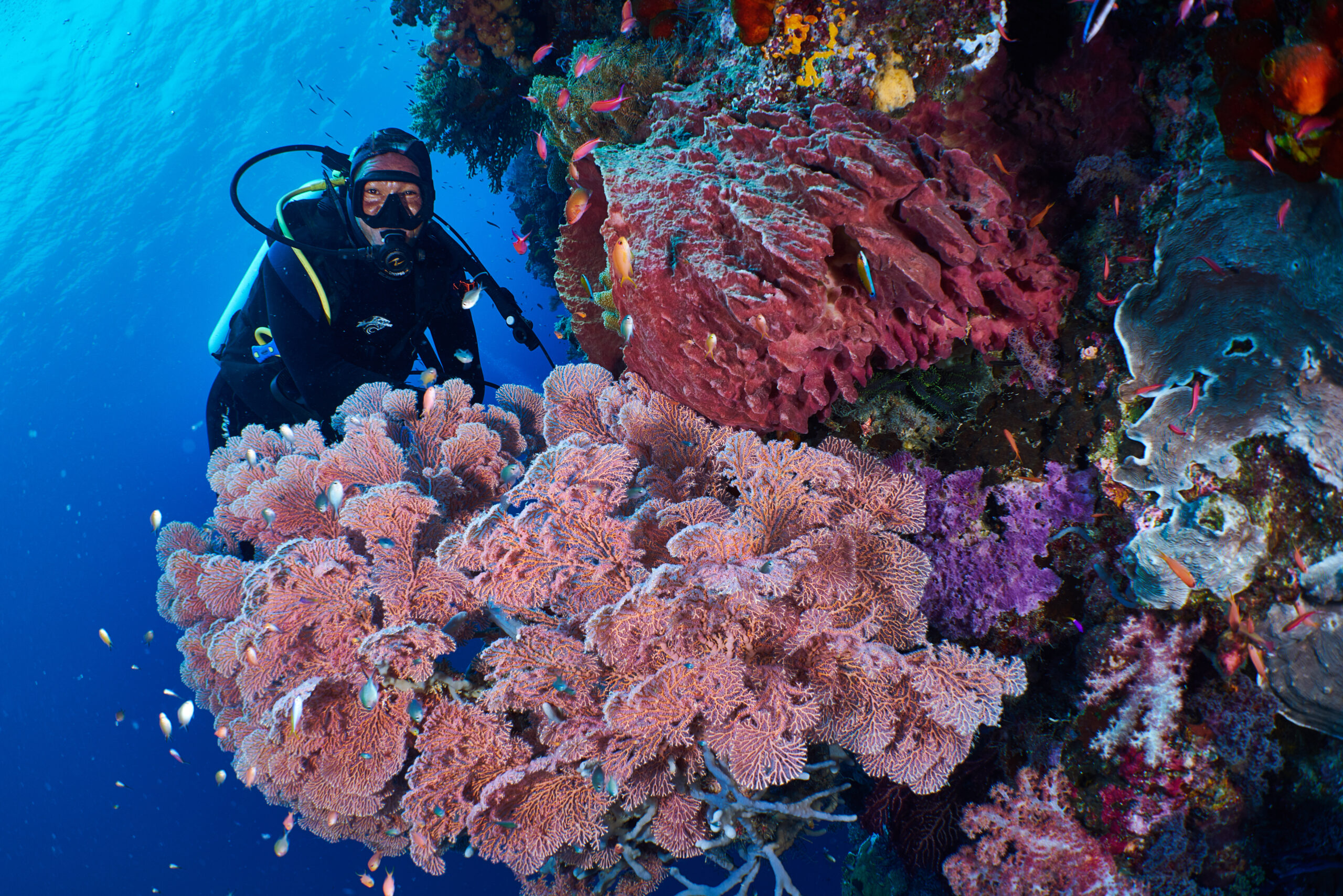
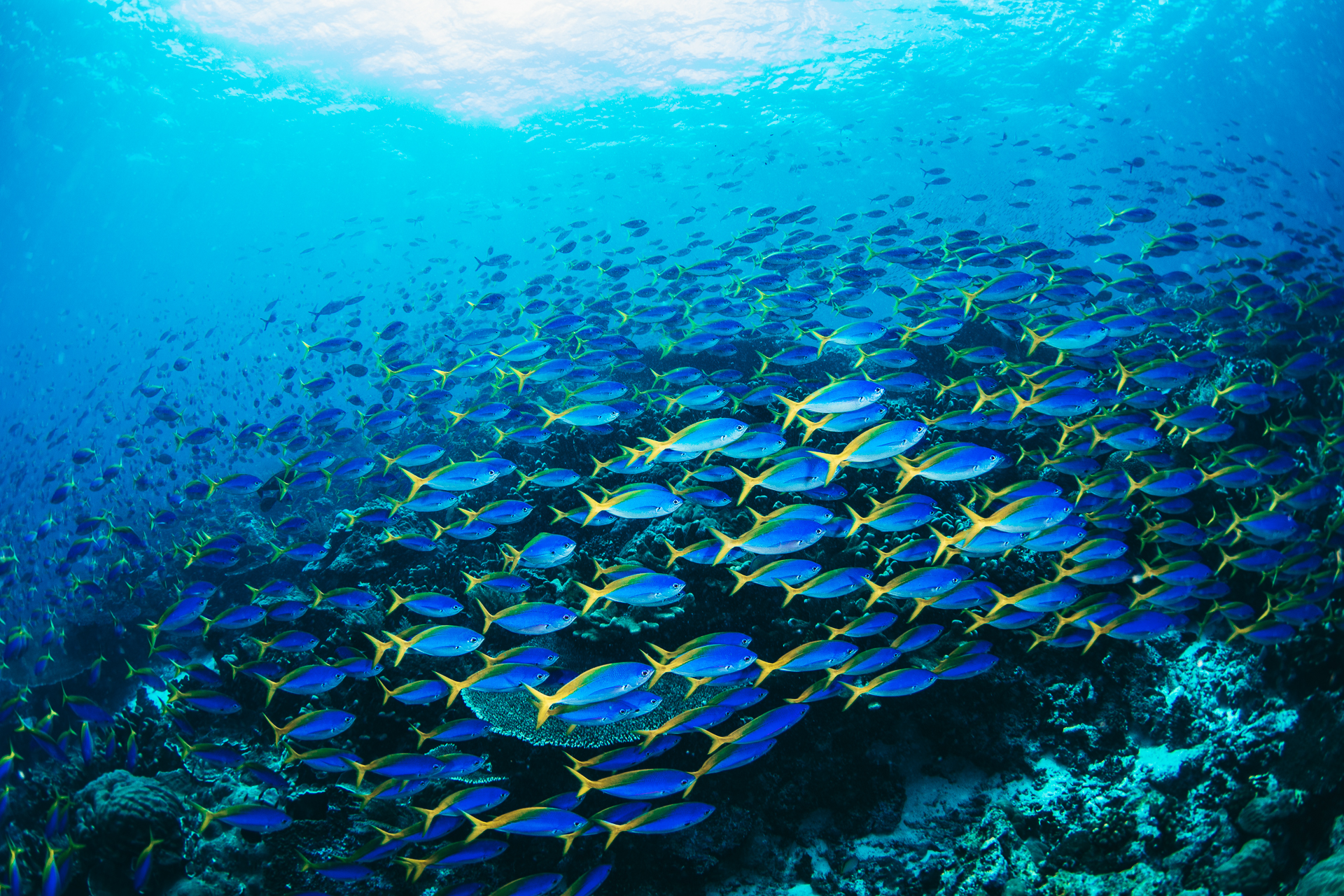
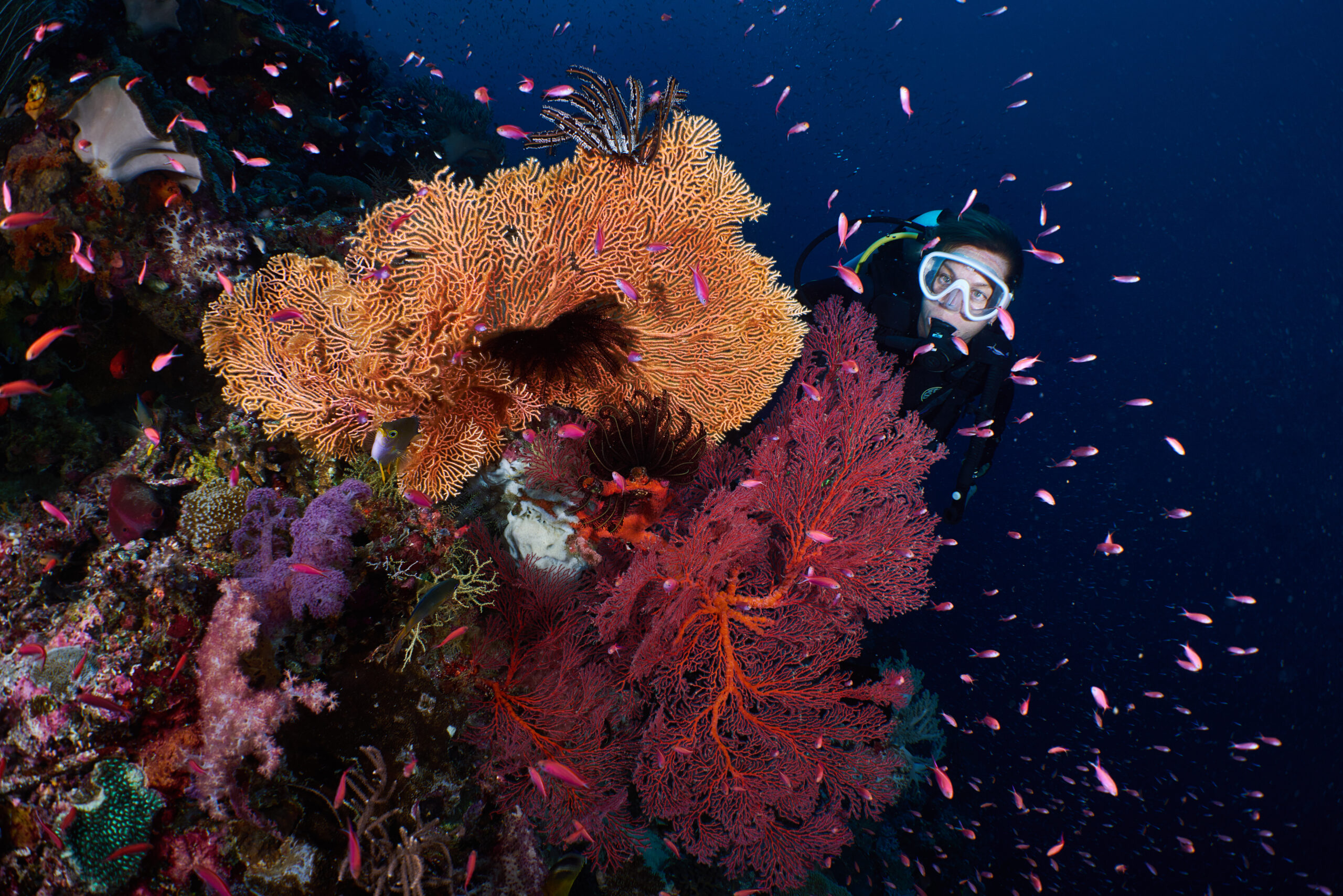
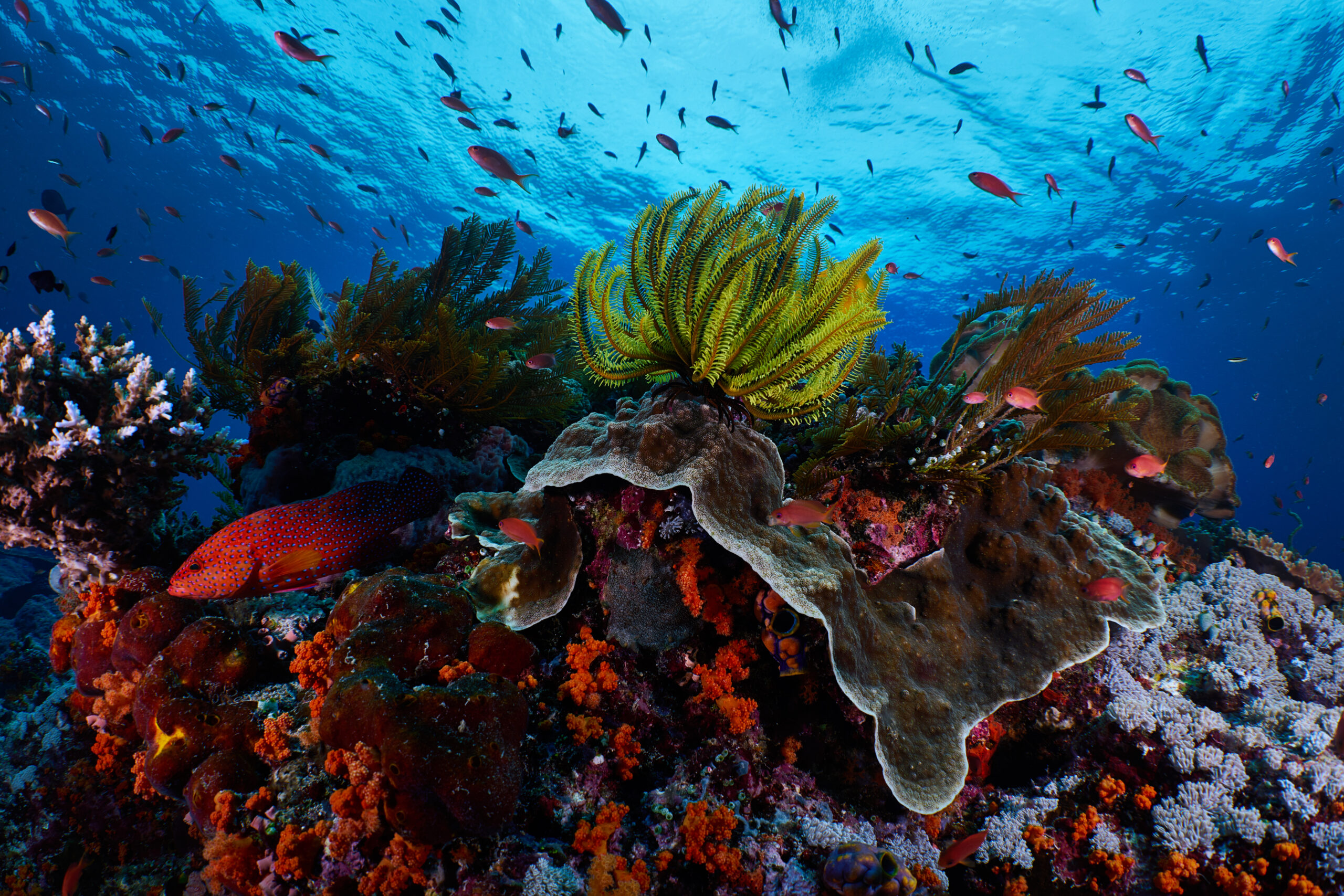
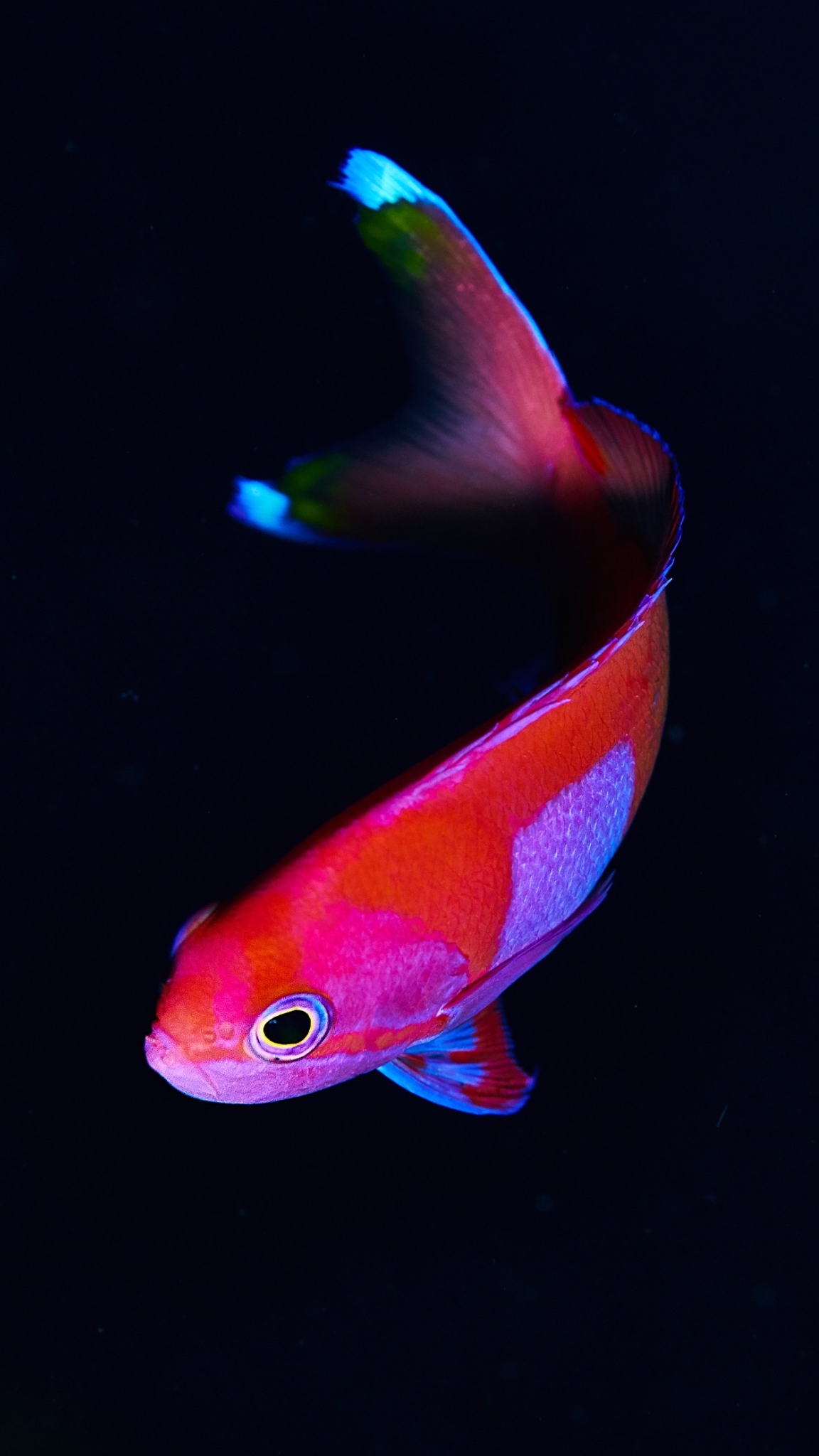
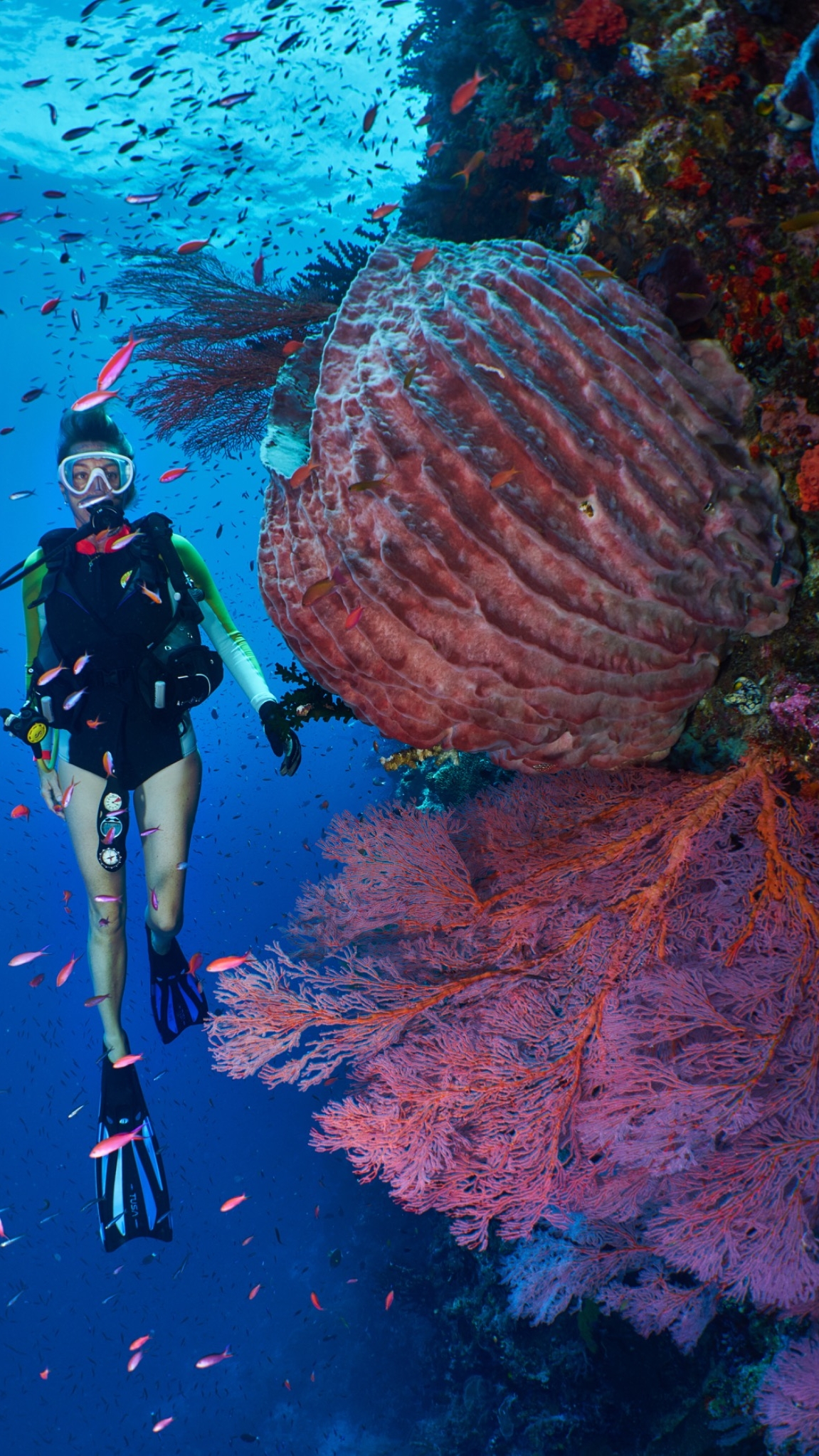
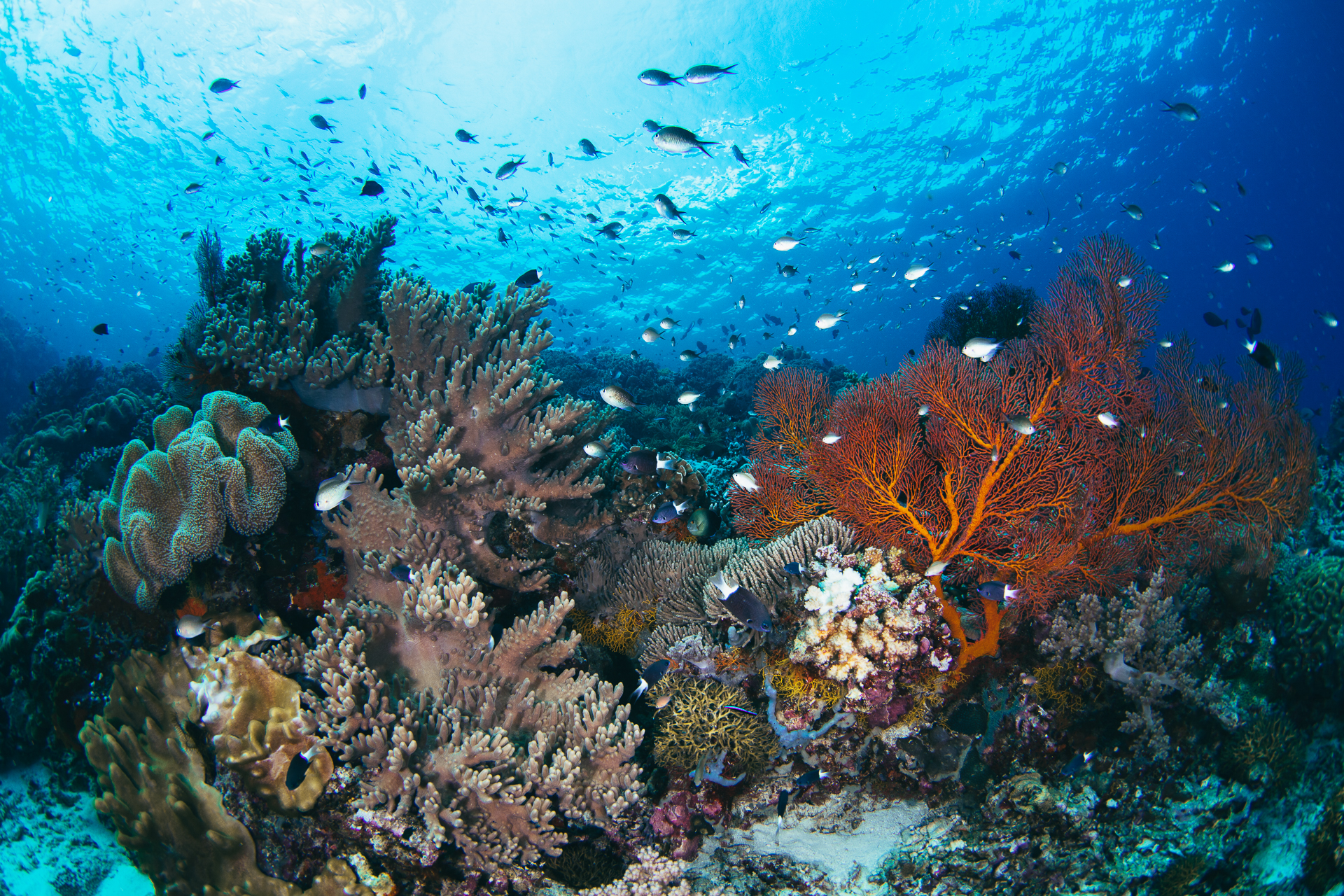
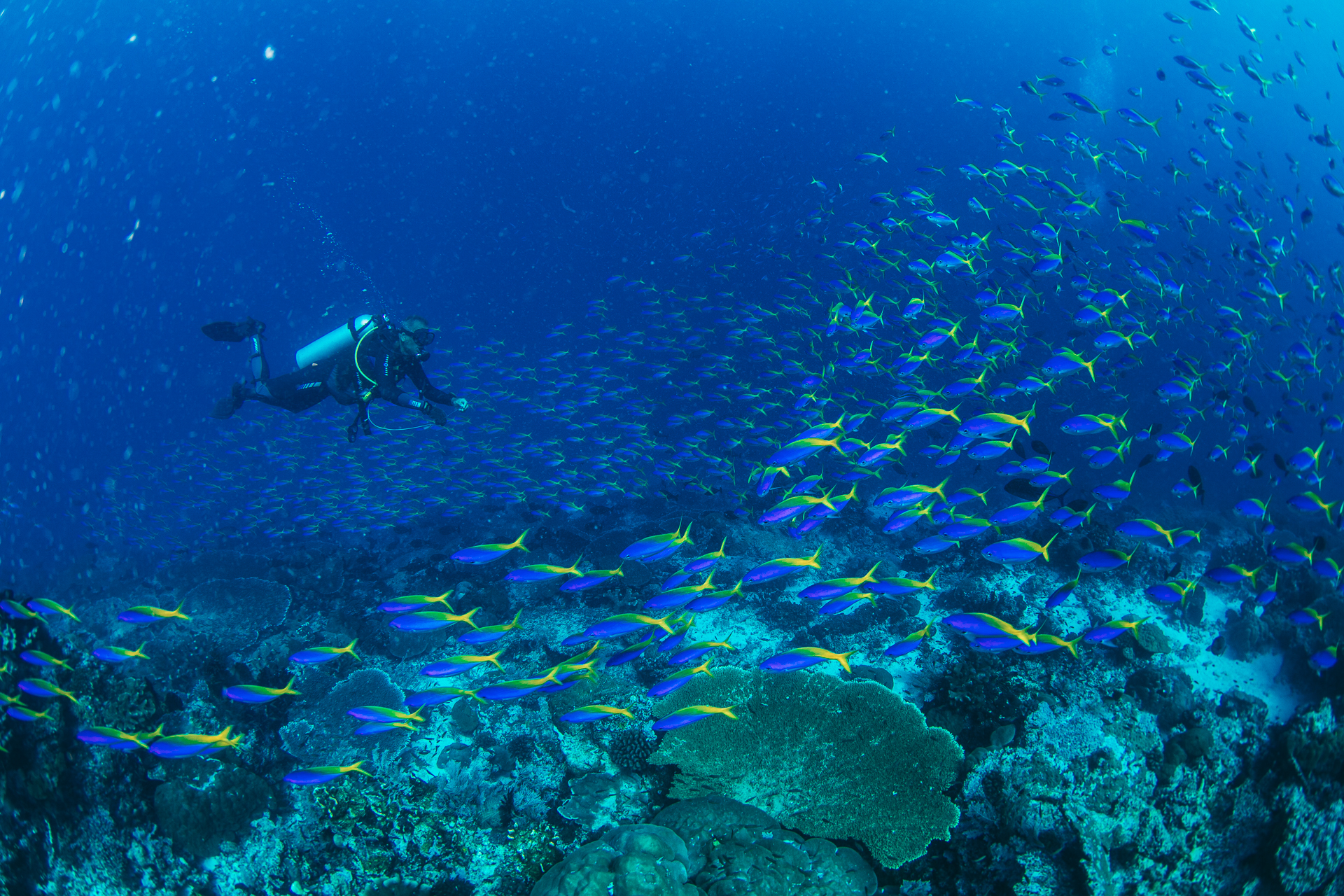
Departing from Saumlaki, our expedition begins among the pristine reefs of Pulau Dawera and Tanjung Kelapa, where crystal-clear water reveals flourishing hard corals, immense sea fans and colourful soft coral gardens. Reef sharks patrol the walls, turtles glide effortlessly above the reef crest, while clouds of fusiliers, anthias and snappers bring every coral formation to life.
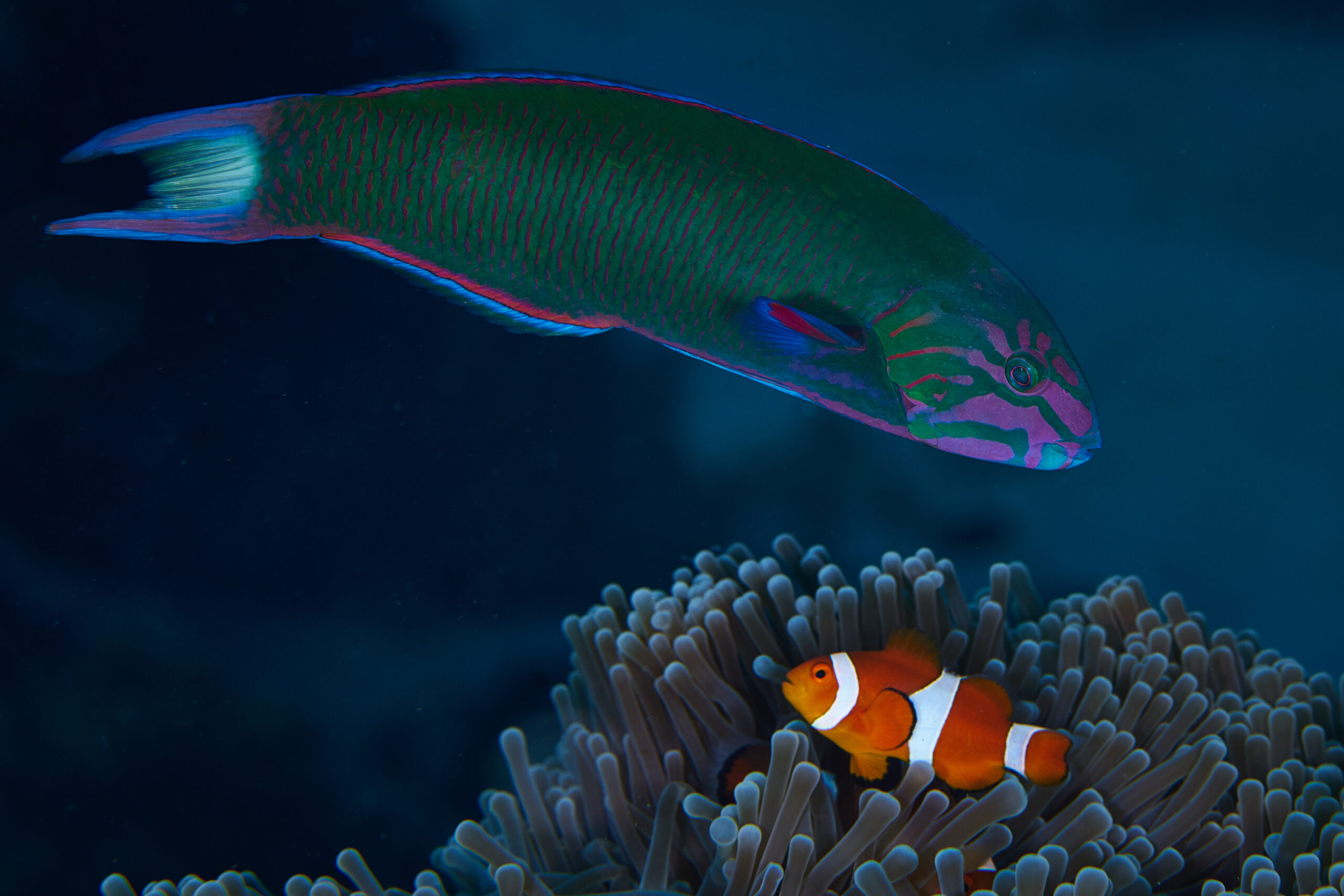
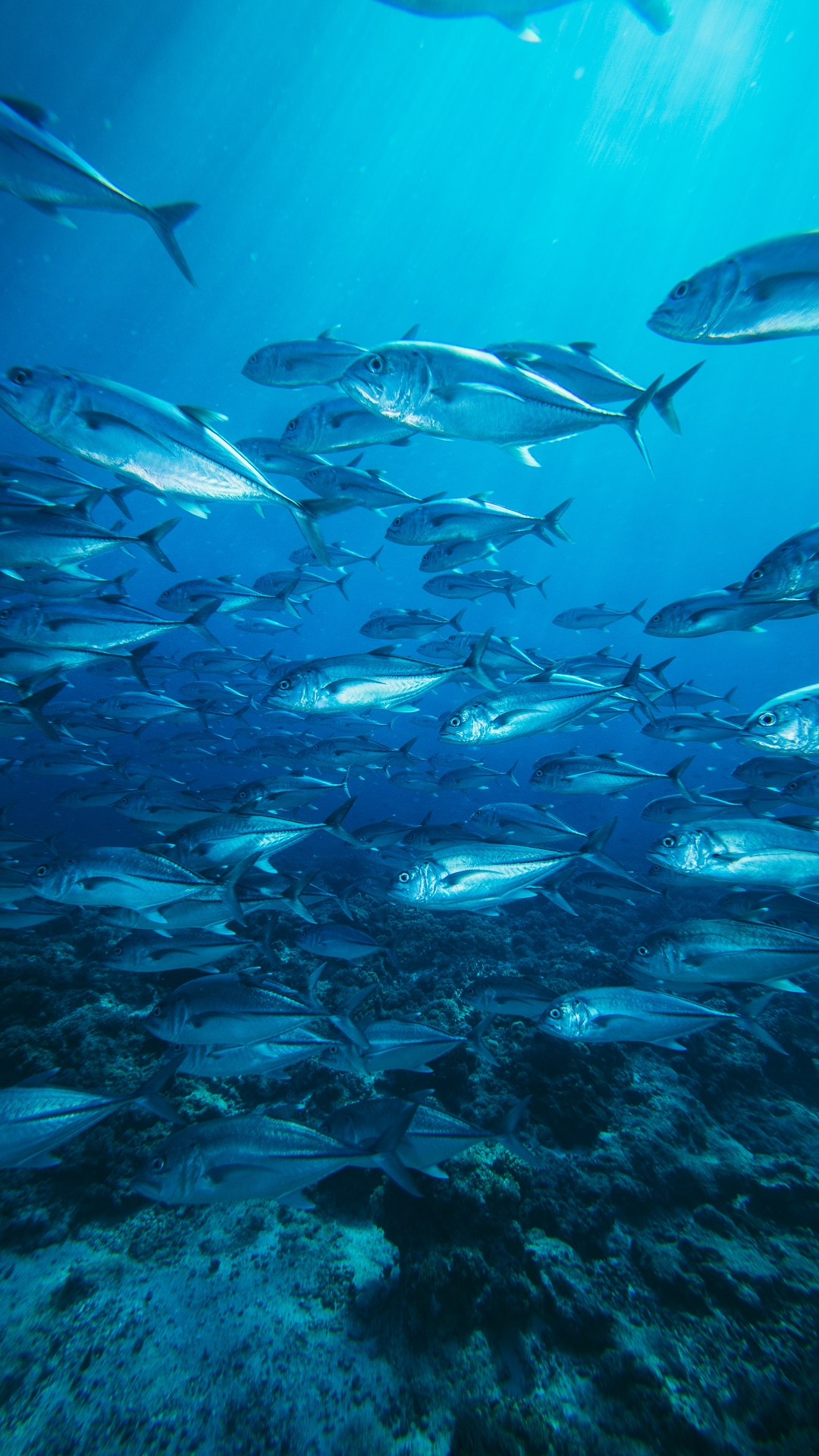
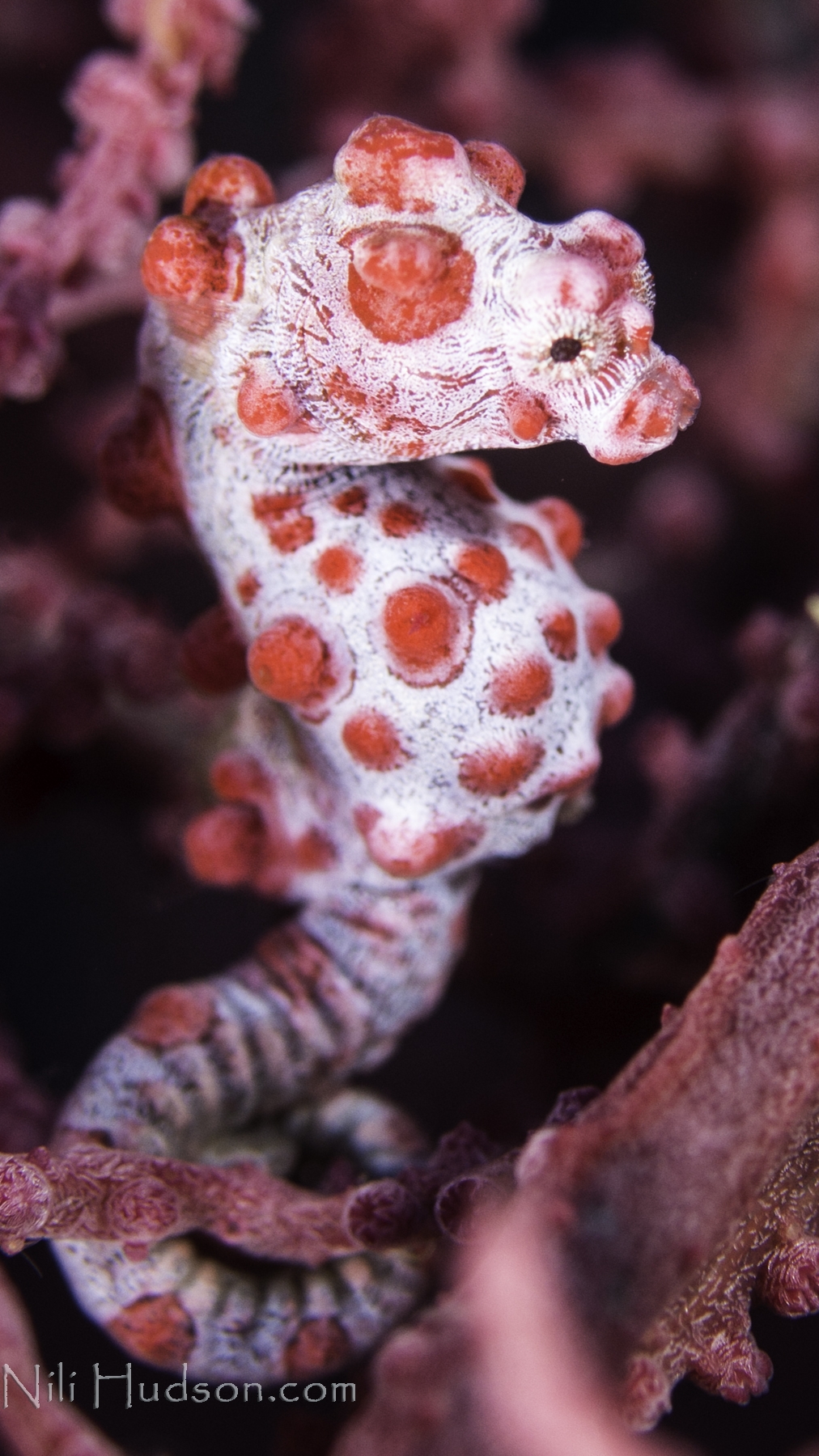
Sailing deeper into the archipelago, the volcanic islands of Luang, Terbang and Teun reveal an entirely different underwater world. Dramatic walls disappear into the deep blue, coral-covered ridges rise from the seabed, and nutrient-rich currents attract schooling barracudas, giant trevallies, dogtooth tuna and countless reef fish. Between the larger encounters, patient eyes are rewarded with pygmy seahorses, ghost pipefish, frogfish and brilliantly coloured nudibranchs hidden among the corals.
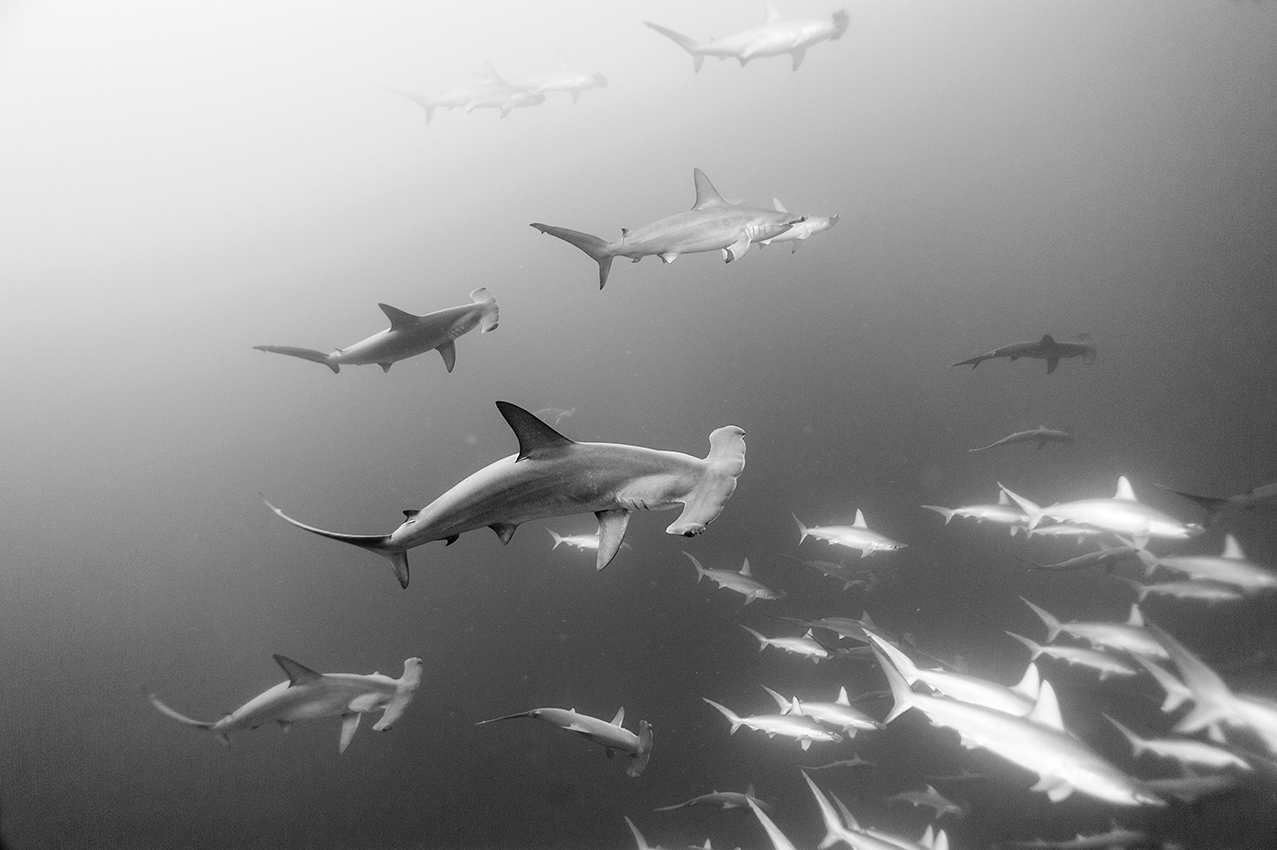
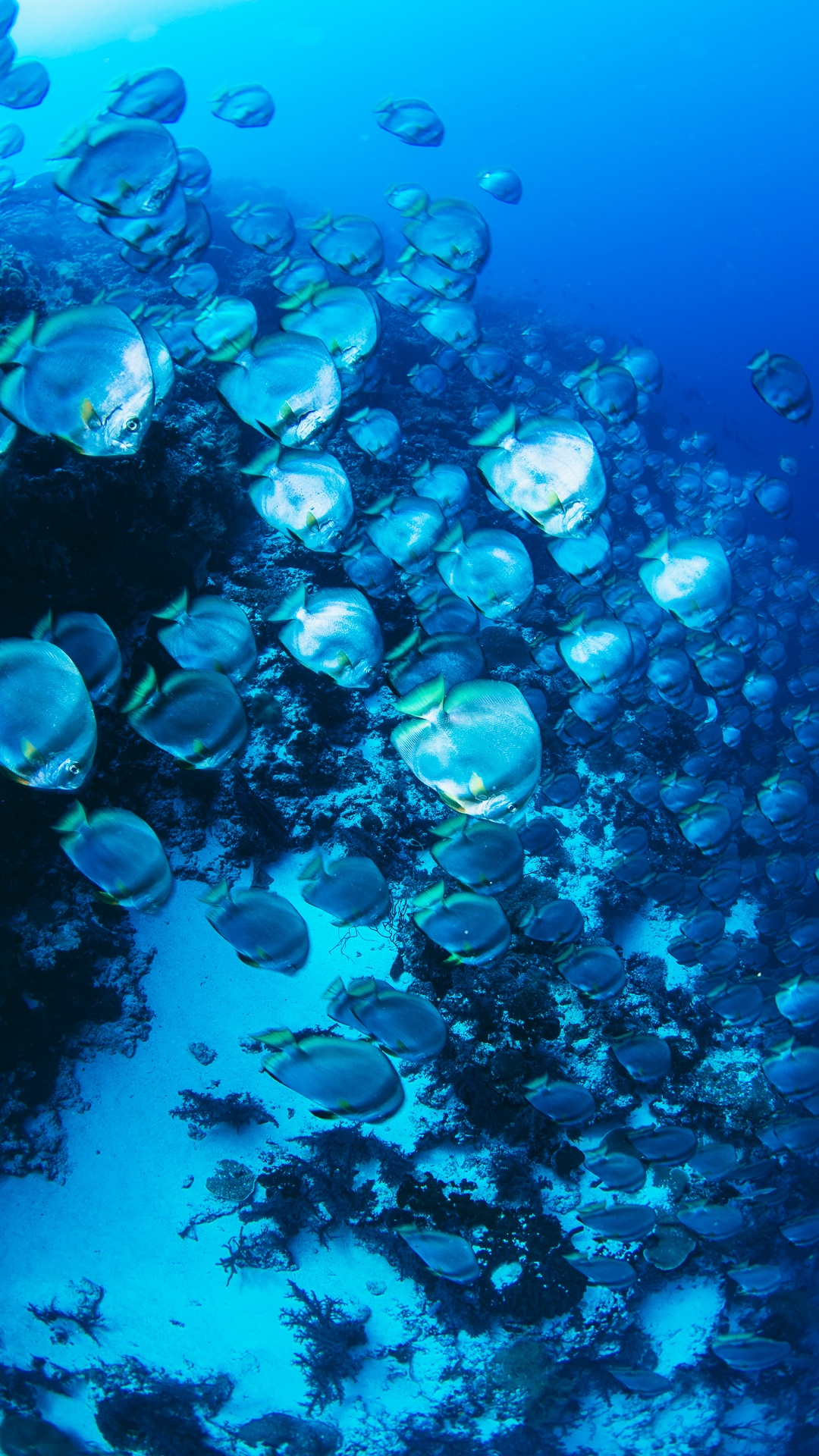
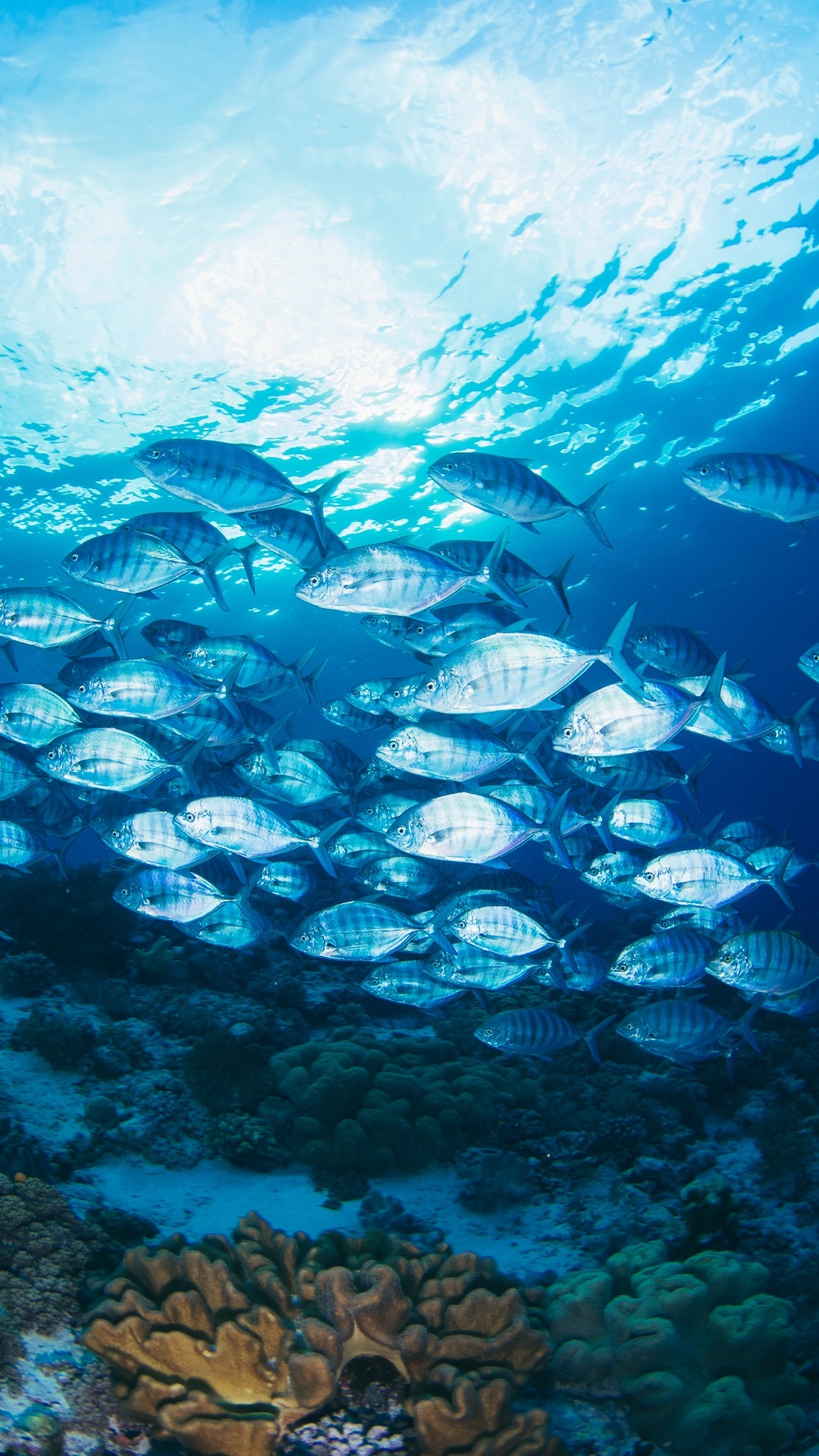
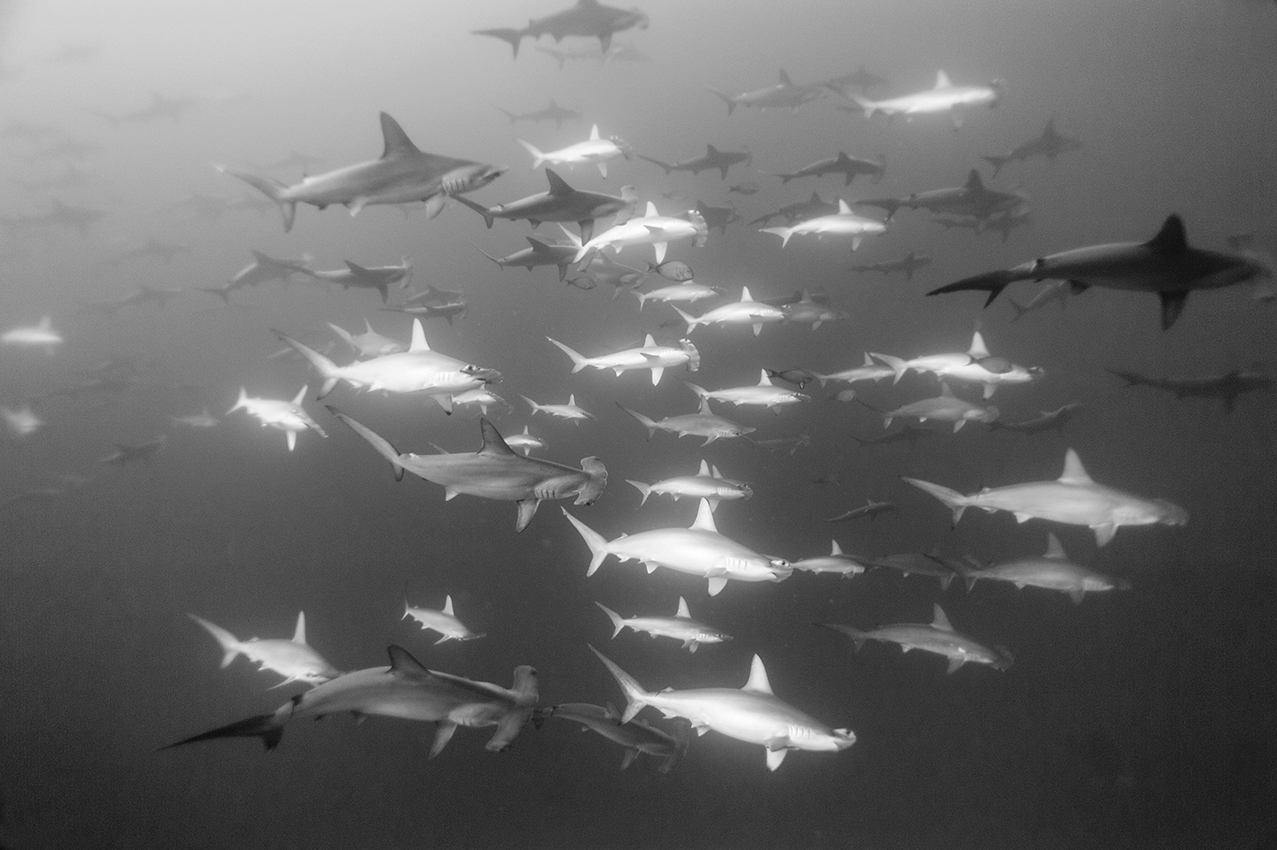
Further offshore lies the legendary Nil Desperandum, whose very name — “Abandon Hope” — hints at its wild and isolated character. This remote seamount is shaped by powerful oceanic currents that attract some of the Banda Sea’s most iconic pelagic species. Vast schools of jacks and barracudas circle the reef, grey reef sharks cruise effortlessly through the blue, and, when conditions align, schooling scalloped hammerheads emerge from the depths, creating one of Indonesia’s most exhilarating underwater spectacles.
No Forgotten Islands expedition would be complete without visiting Manuk, a solitary volcanic island rising dramatically from the open ocean. Its active volcanic slopes continue to enrich the surrounding waters, sustaining extraordinary marine life. Here, enormous schools of fish swirl around the reef while dogtooth tuna, giant trevallies and reef sharks patrol the drop-offs. Manuk is equally renowned for its remarkable population of sea snakes, offering one of the most unique diving experiences found anywhere in the world.
As the expedition continues toward Ultima Frontera, Karang Huisman and Karang Rembang, the reefs become increasingly pristine. Healthy coral plateaus, spectacular walls and exceptional visibility showcase the extraordinary biodiversity of this little-visited region. Eagle rays, reef sharks and turtles are frequent companions, while every dive reveals new colours, new landscapes and new surprises.
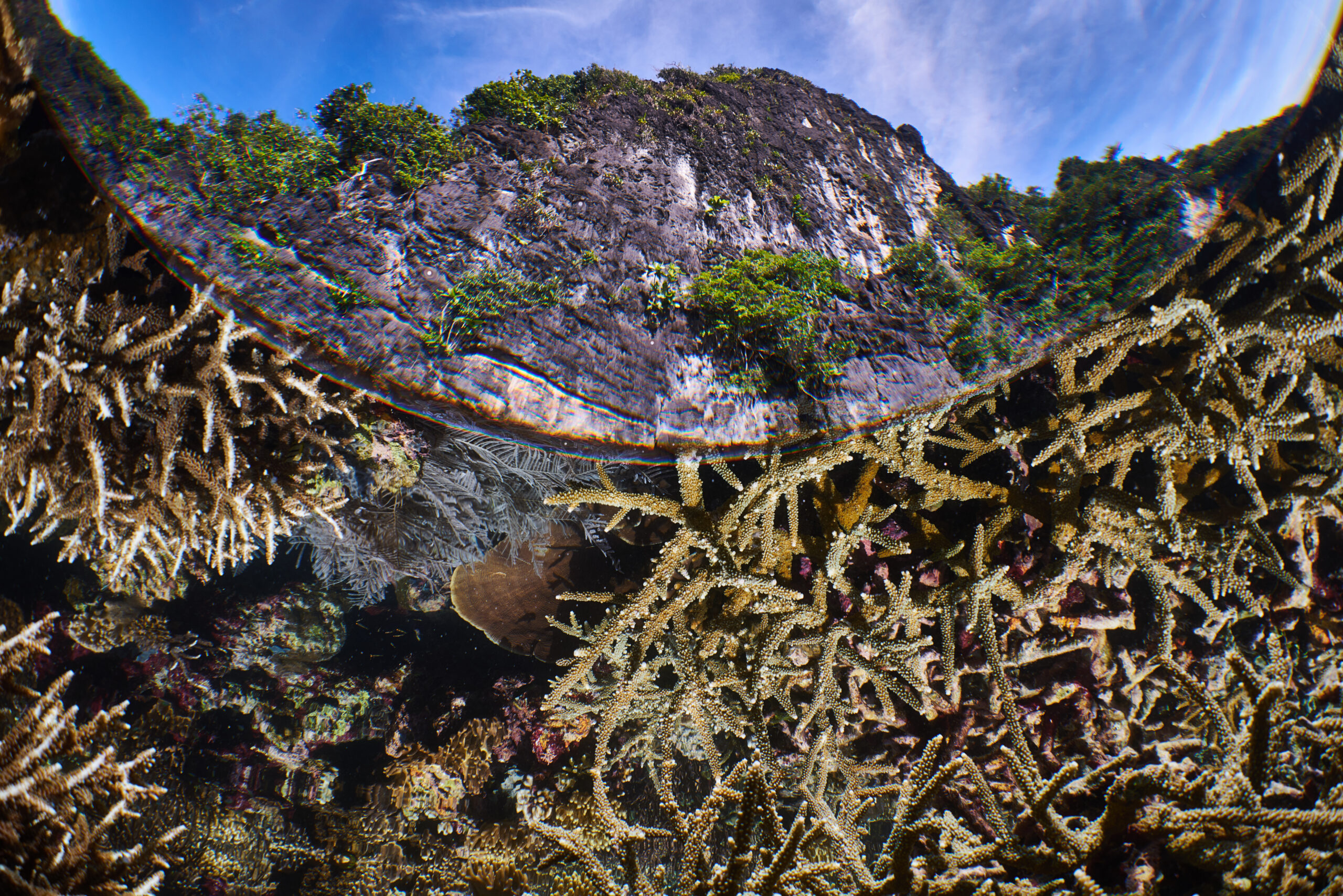
The journey concludes around Little Manuk before reaching the turquoise lagoons of Tual, where vibrant coral gardens provide a fitting finale to an unforgettable voyage.
From remote volcanic islands to untouched offshore reefs, this expedition captures the very essence of exploration diving. Far from the crowds and surrounded by some of the healthiest reefs on Earth, every dive offers the possibility of discovering something extraordinary, making the Forgotten Islands one of the last truly wild frontiers of the Coral Triangle.
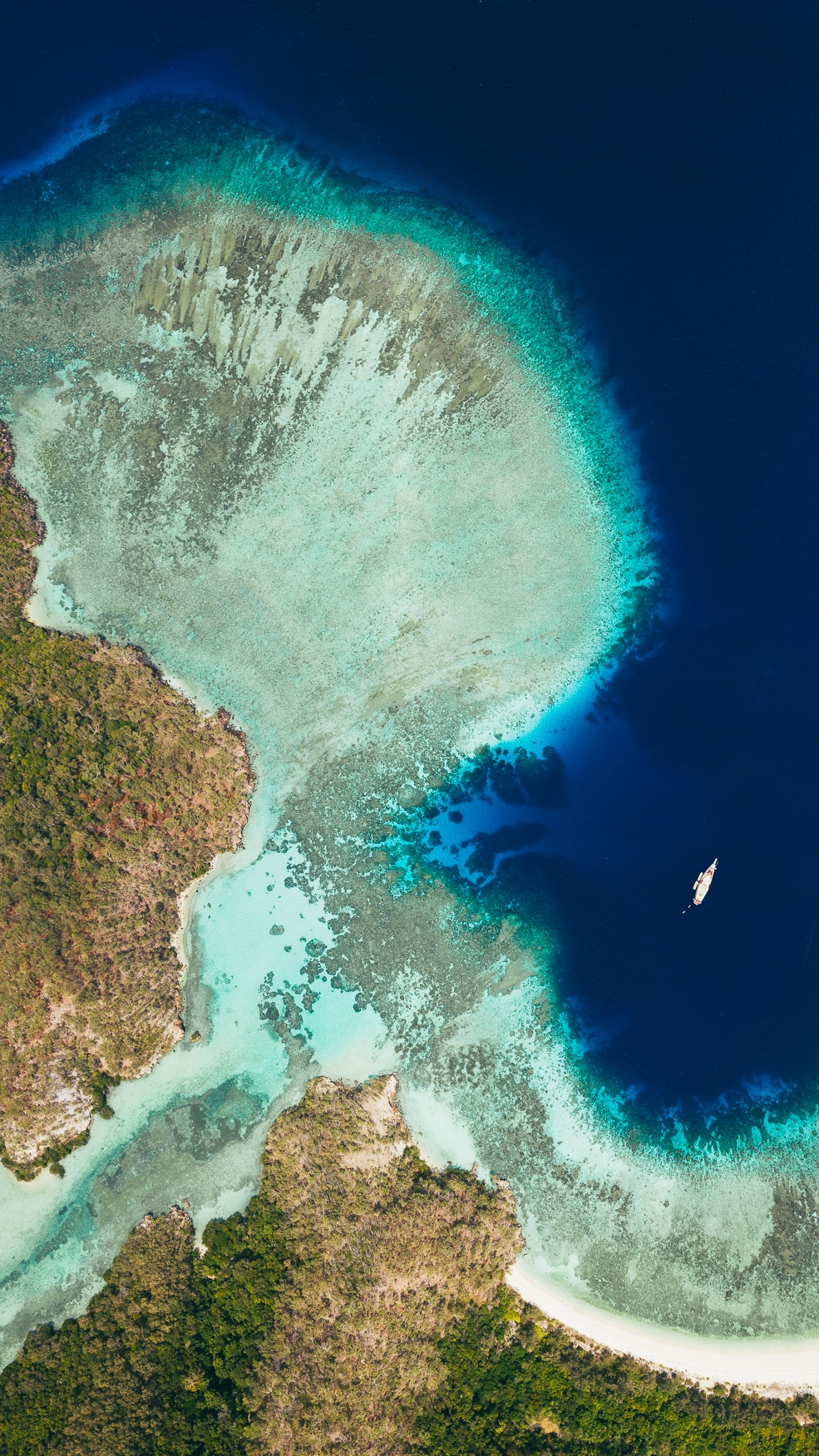
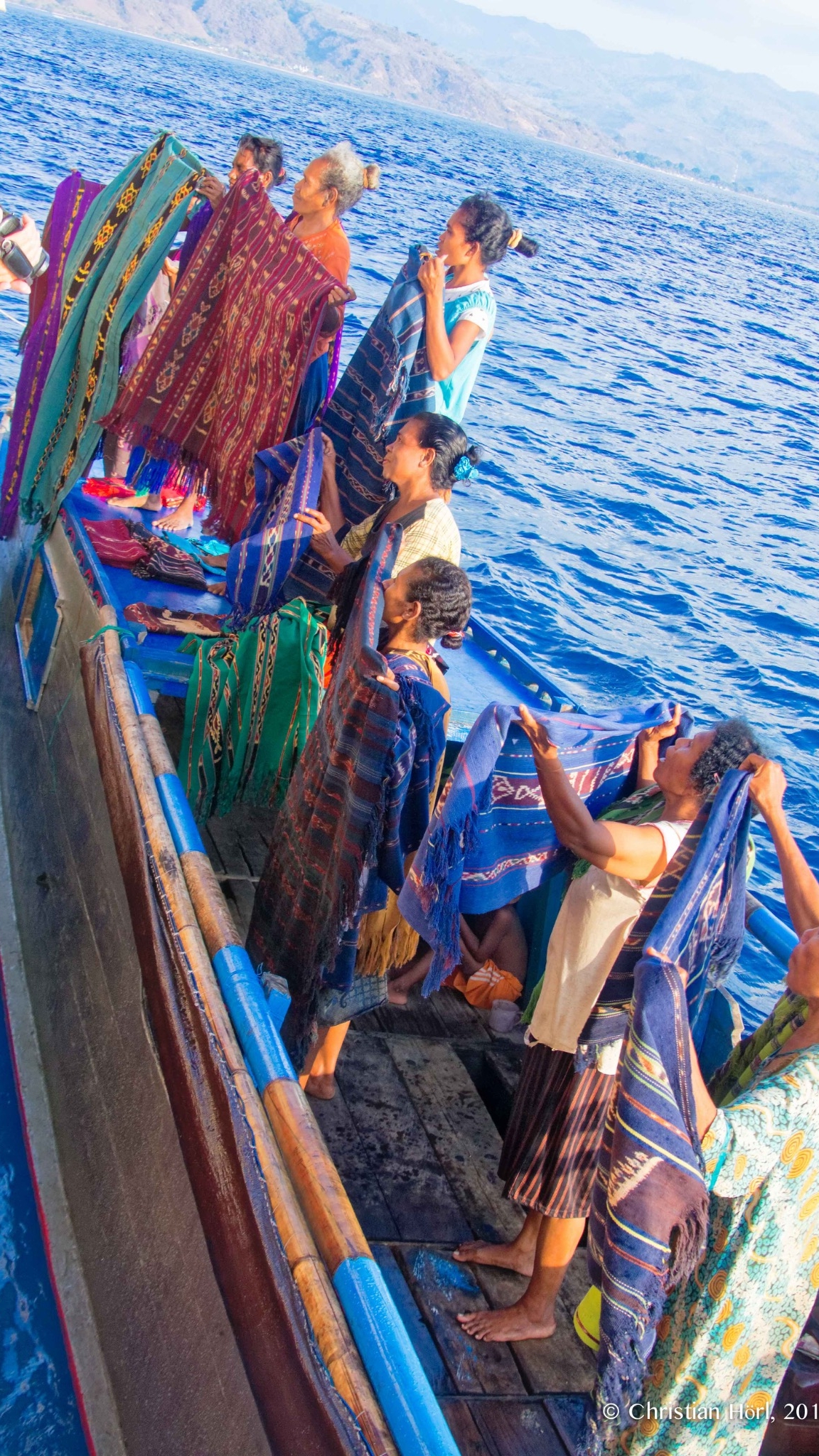
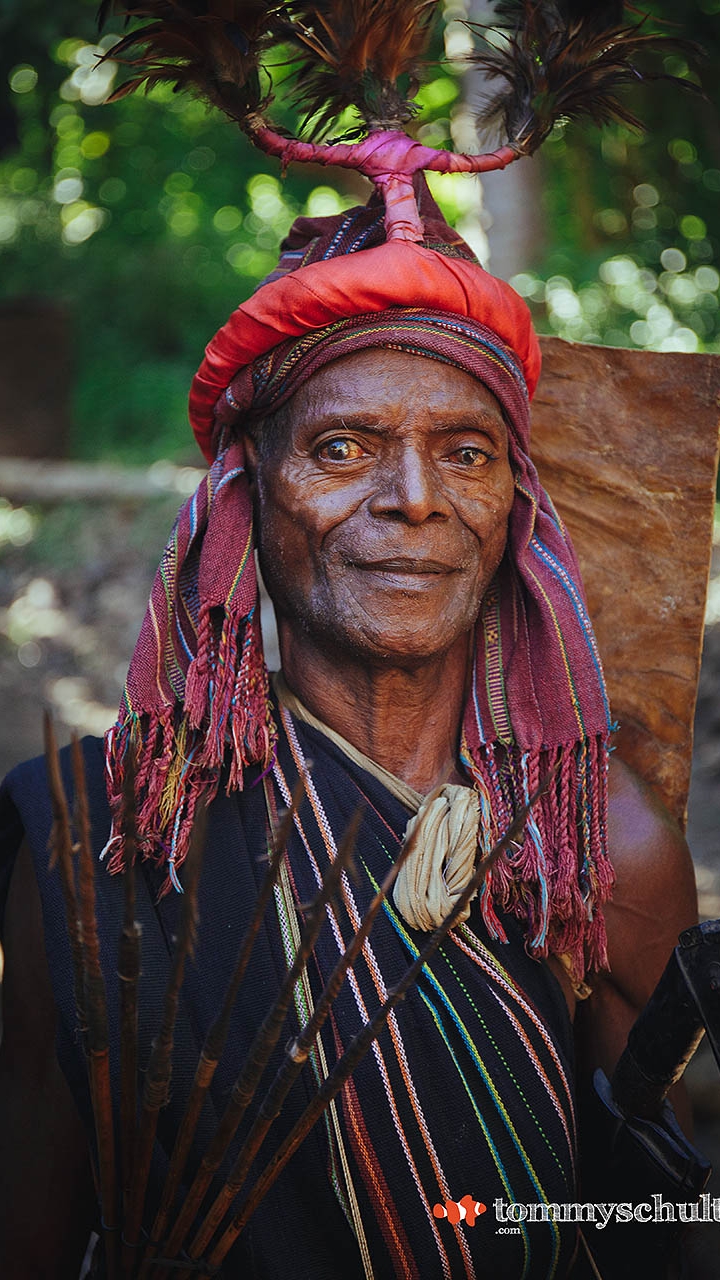
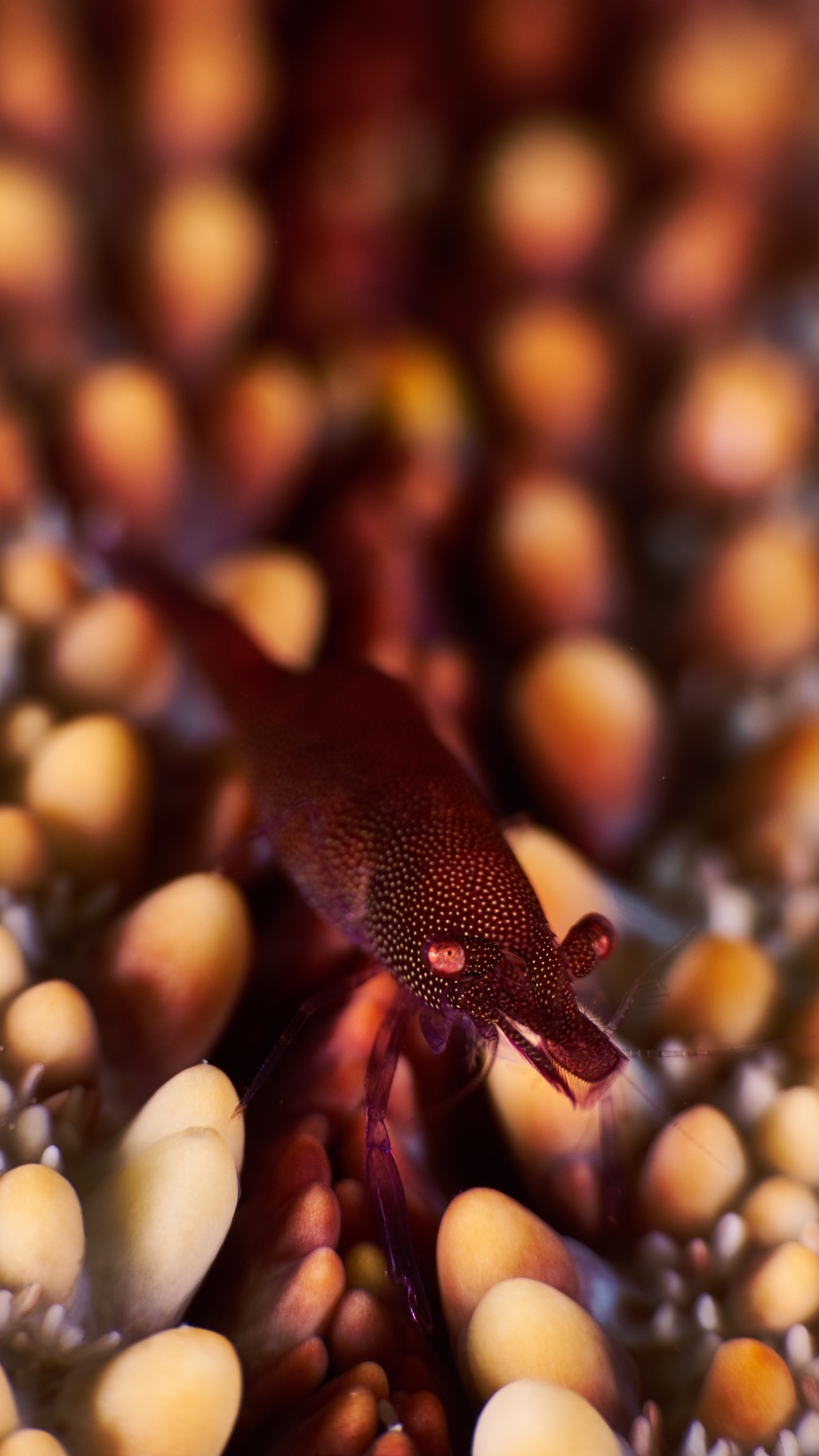
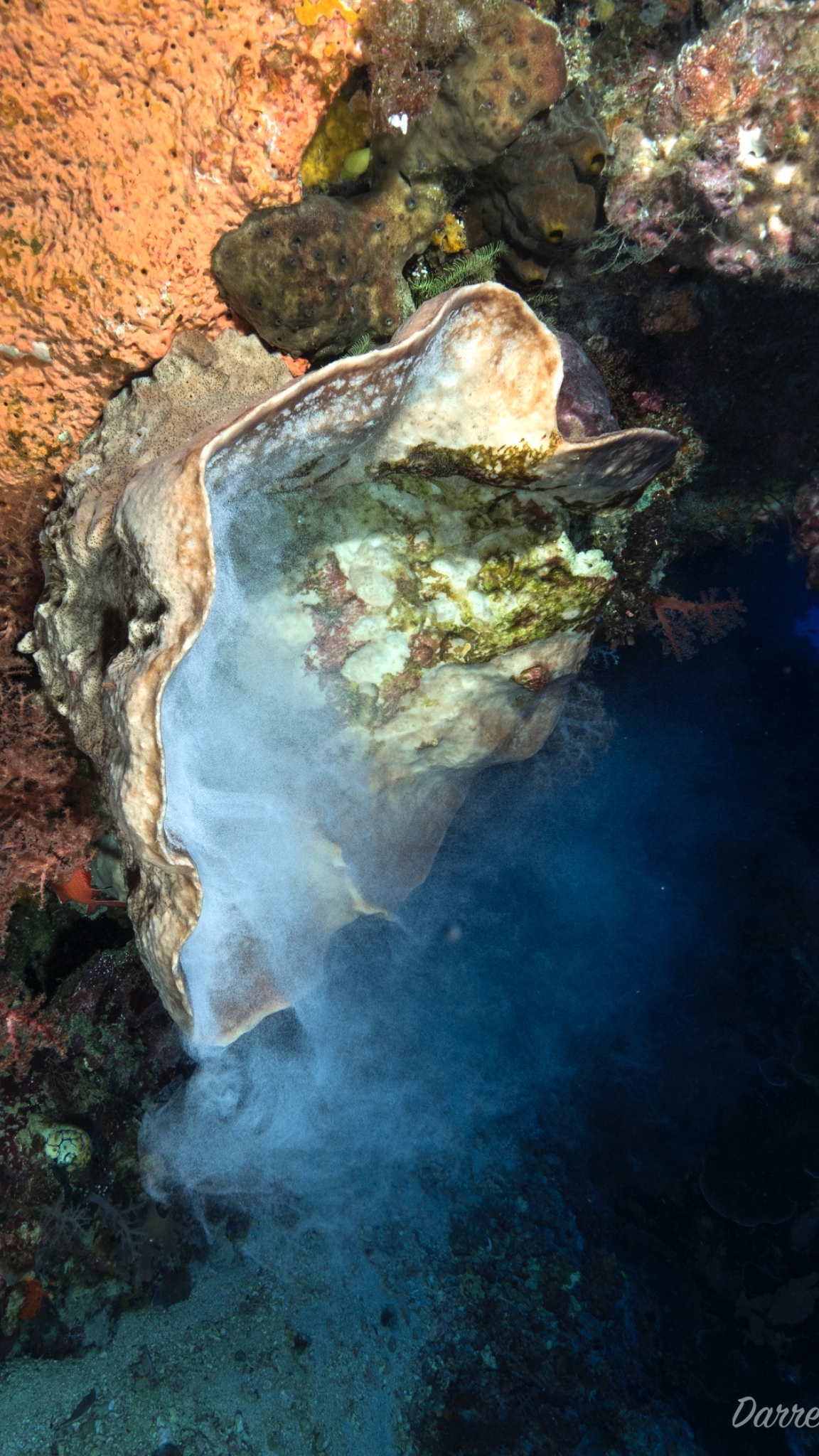
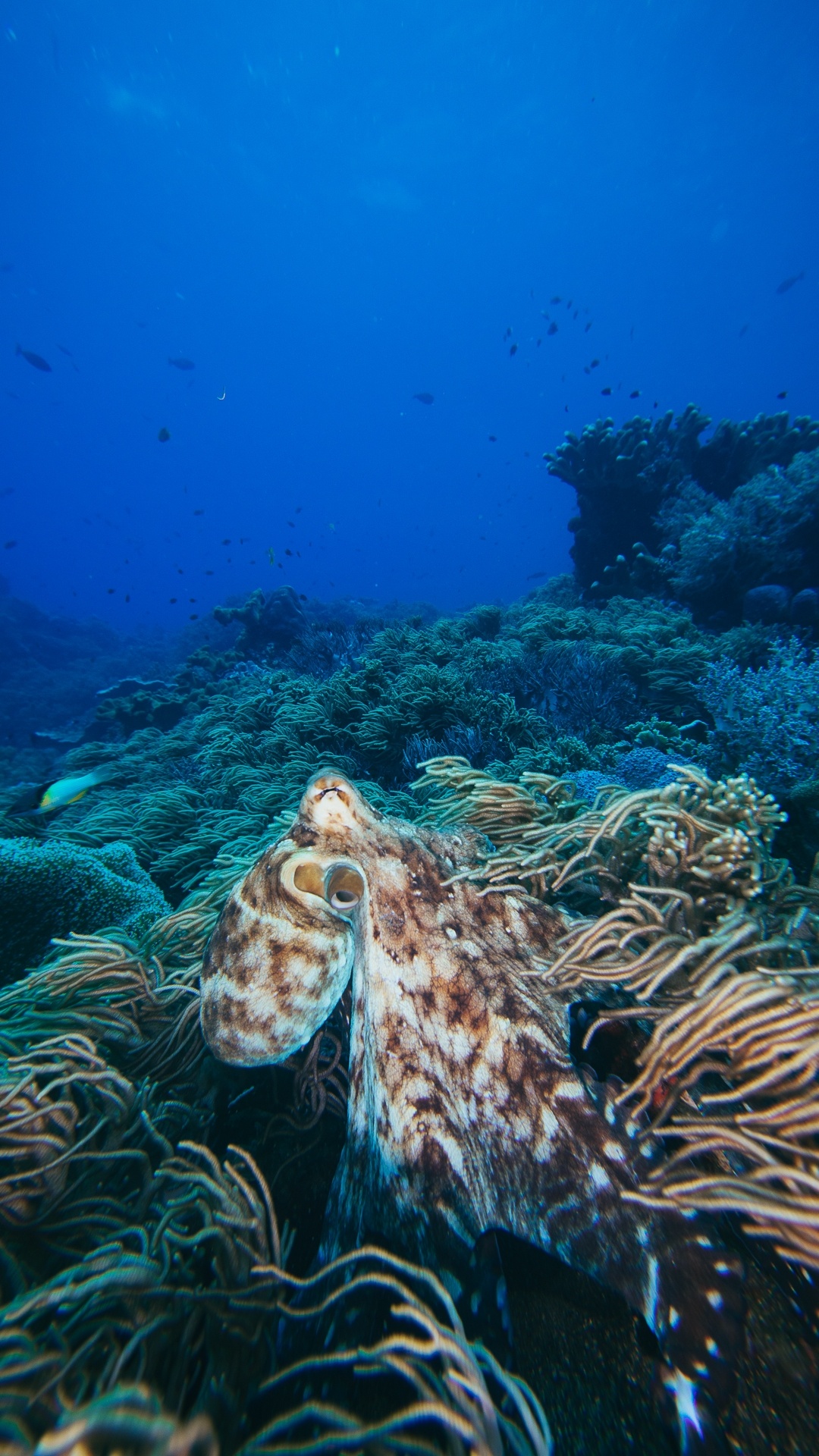
The Forgotten Islands: an odyssey of wild seas, ancient rituals, and unforgettable encounters.
Indonesia’s “Forgotten Islands” – also known as the Southeast Moluccas (Maluku Tenggara) – are not a single destination, but rather a 1,000 km long chain of archipelagos stretching from Timor to West Papua on the island of New Guinea.
Undeveloped, distant from population centers and far off any beaten path, these “Forgotten Islands” have been largely isolated from the rest of Indonesia and the world.
The terrain of these islands varies from forested mountainous peaks in the Inner Banda Arc (Wetar, Roma, Damar, Nila), with peaks as high as 868 m on Damer, to the flat easternmost Aru and Kei island groups, dominated by savannah, mangroves and broadleaf forests.
Culturally, most of the Austronesian peoples of Maluku Tenggara share deep connections, with similar languages, myths, and traditional beliefs.
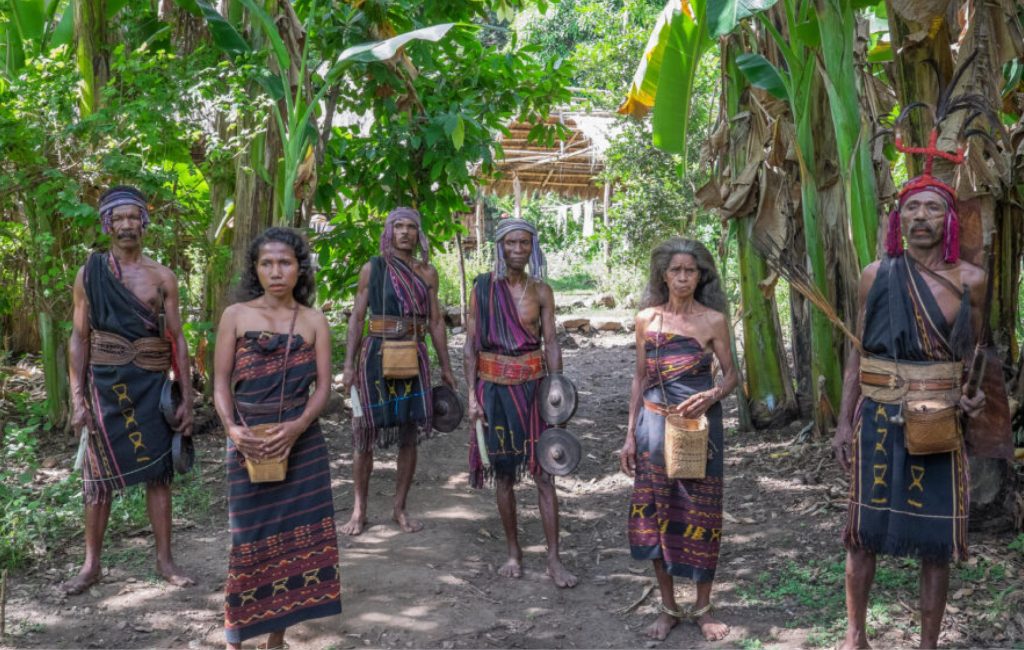
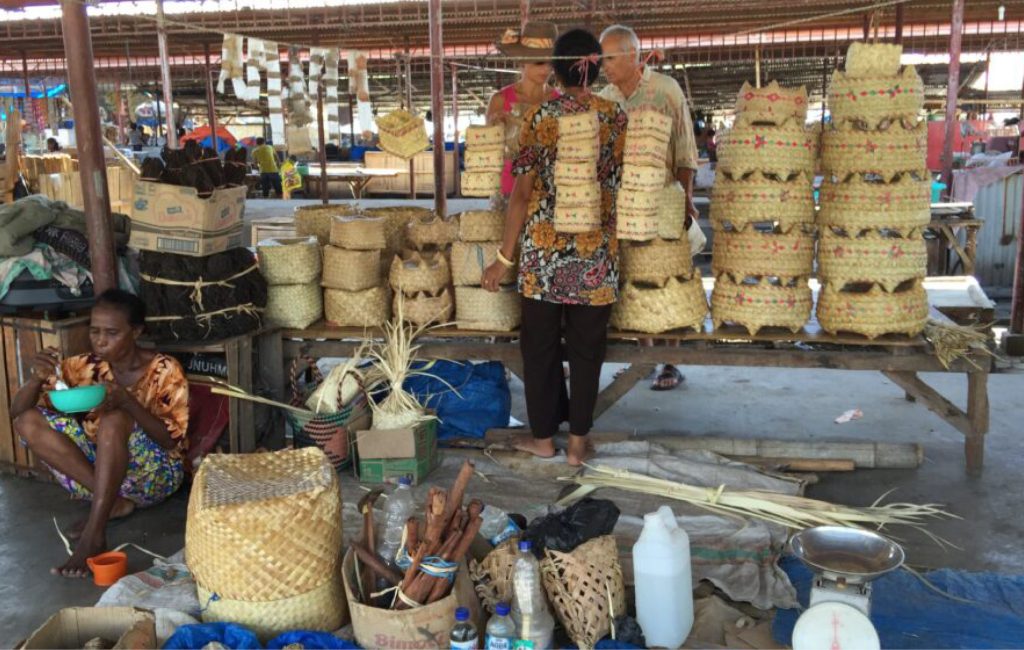
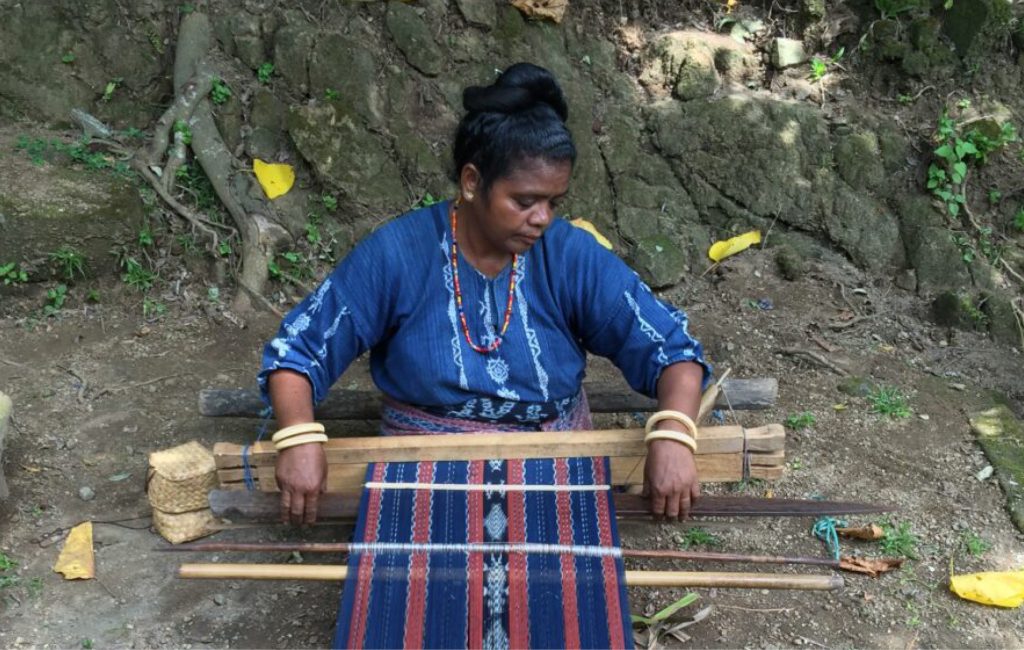
They are known for their powerful woodcarvings and sculptures depicting ancestral figures, their distinctive hand-woven ikat fabrics, and their plaited bamboo and palm baskets, each piece carrying the mark of generations of tradition.
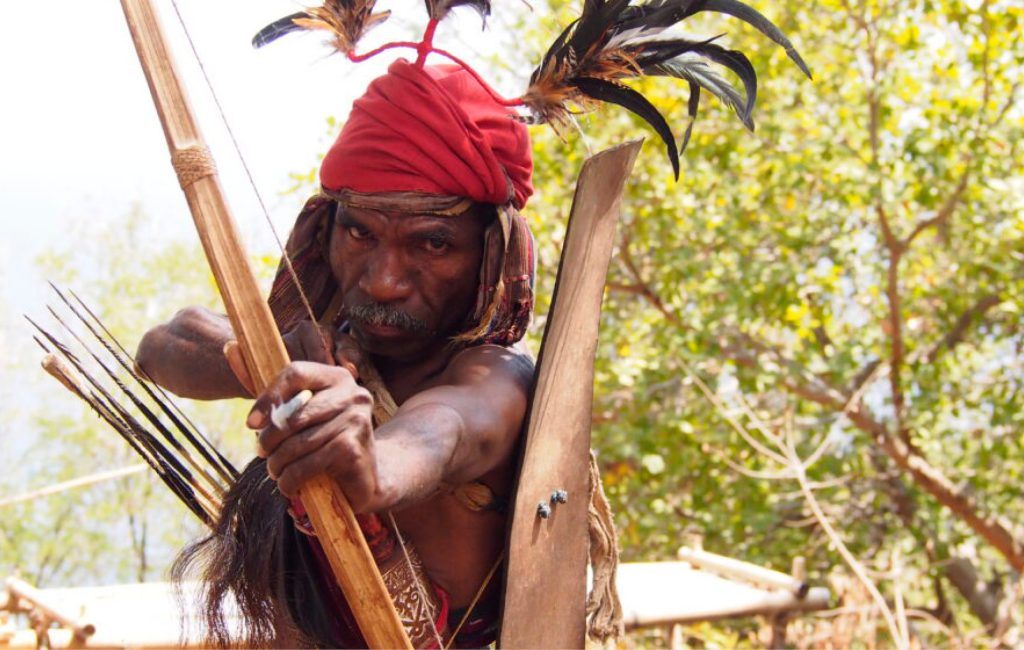
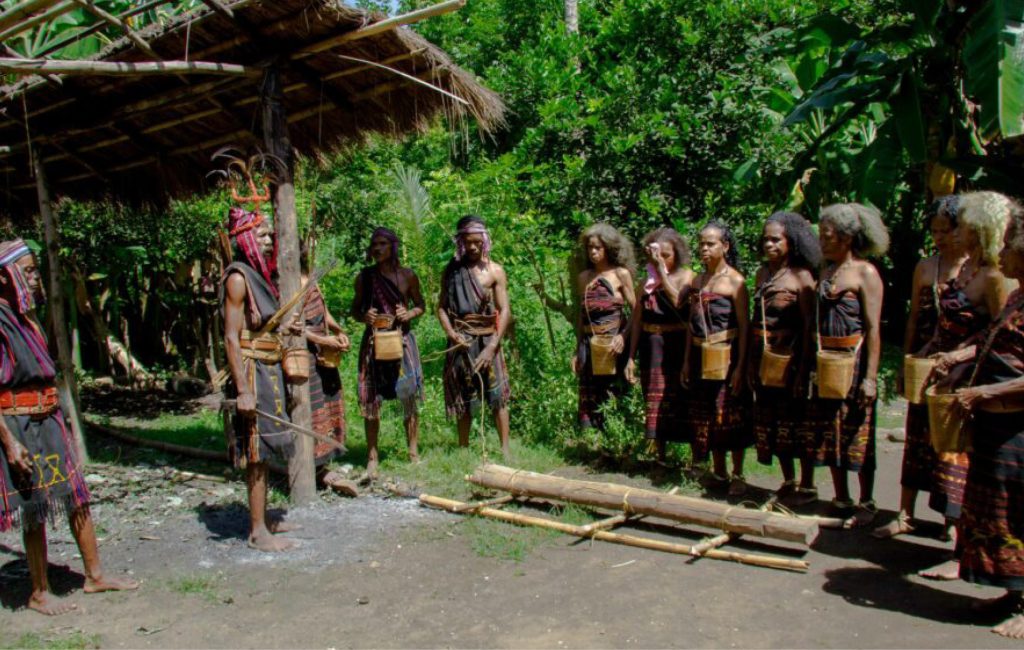
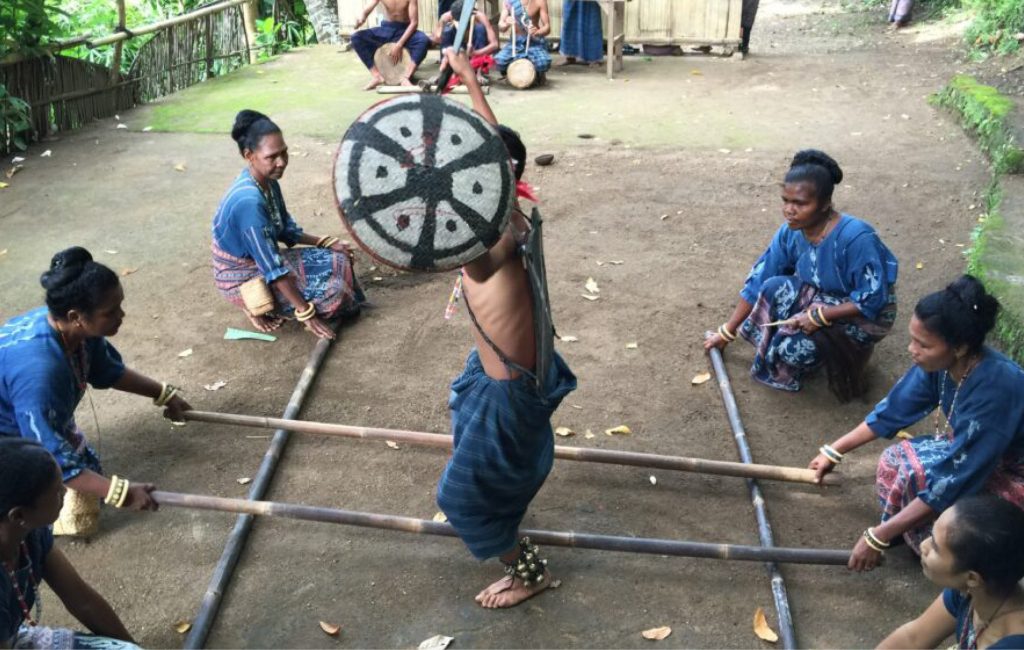
The islands are home to more than a dozen ethnic groups, each with its own language, music, and rituals. The most prominent are the Abui people, known for their striking traditional attire, harmonious chants, and symbolic dances performed in sacred stone circles.
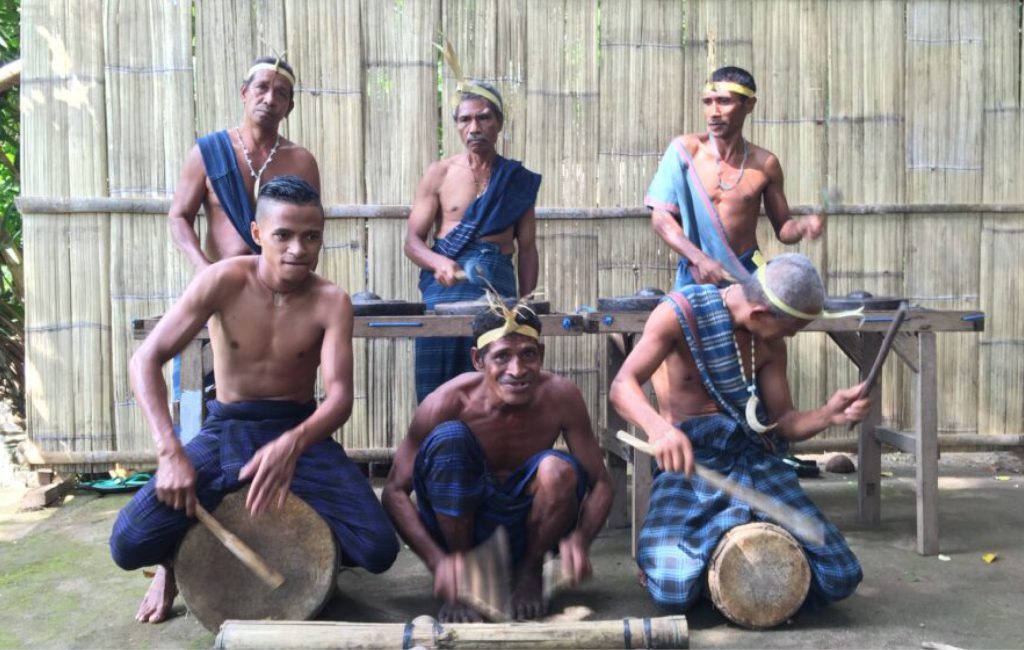
Villages like Takpala offer glimpses into a way of life preserved for generations. Handwoven ikat textiles, rhythmic gong music, and storytelling through dance are all part of the living culture here. Guests are often welcomed with warmth and ceremony, making cultural excursions as memorable as any dive.
Folklore is rich with tales of ancestral spirits, sea creatures, and sacred mountains — stories passed down through songs and ceremonies that still mark the seasonal cycles and rites of passage.
Come join us on this rare voyage, exploring wild frontiers, Forgotten Islands, and timeless beauty from Alor to the remote seas of Saumlaki.
Tentative Itinerary
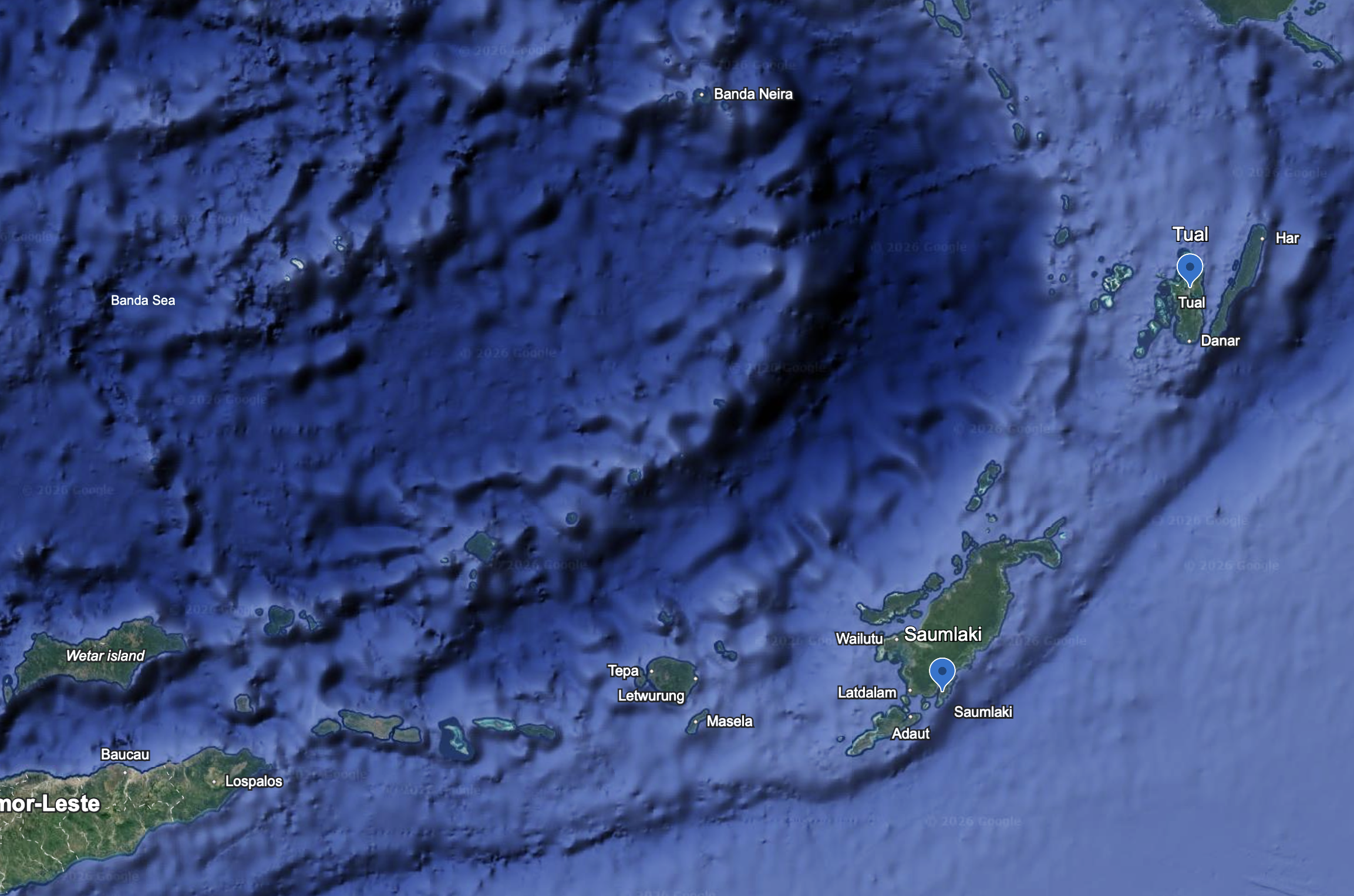
The itinerary may be adjusted at the discretion of the captain and cruise director based on weather conditions, which can sometimes be unpredictable, as well as the group’s overall experience. The goal is to offer the best possible diving and snorkeling sites according to the group’s interests and skill levels.
Day 1 - SAUMLAKI
Flight to Saumlaki. Transfer to the Seven Seas, setting up gear meanwhile we are steaming out and afterwards we’ll do a general briefing, after some refreshments and lunch.
Our Forgotten Islands expedition begins in Saumlaki, the remote gateway to one of Indonesia’s last true frontiers. After boarding the vessel, settling into your cabin, assembling your dive equipment and attending the safety briefing, we set course towards our first dive.
Karang Barasadi is the perfect introduction to the expedition. Its gentle sandy slope, healthy shallow coral gardens, excellent visibility and calm conditions make it an ideal check dive. Reef fish thrive throughout the site, providing a relaxed start before entering progressively deeper and more remote waters.
From here, we begin following the legendary Forgotten Islands route, renowned for its volcanic islands, powerful currents, untouched reefs and extraordinary marine biodiversity.
Day 2 - PULAU DAWERA
Dawera Island
Dawera Island, located in Indonesia’s Maluku Province within the Tanimbar Islands, is renowned for its abundant marine biodiversity and pristine coral ecosystems.
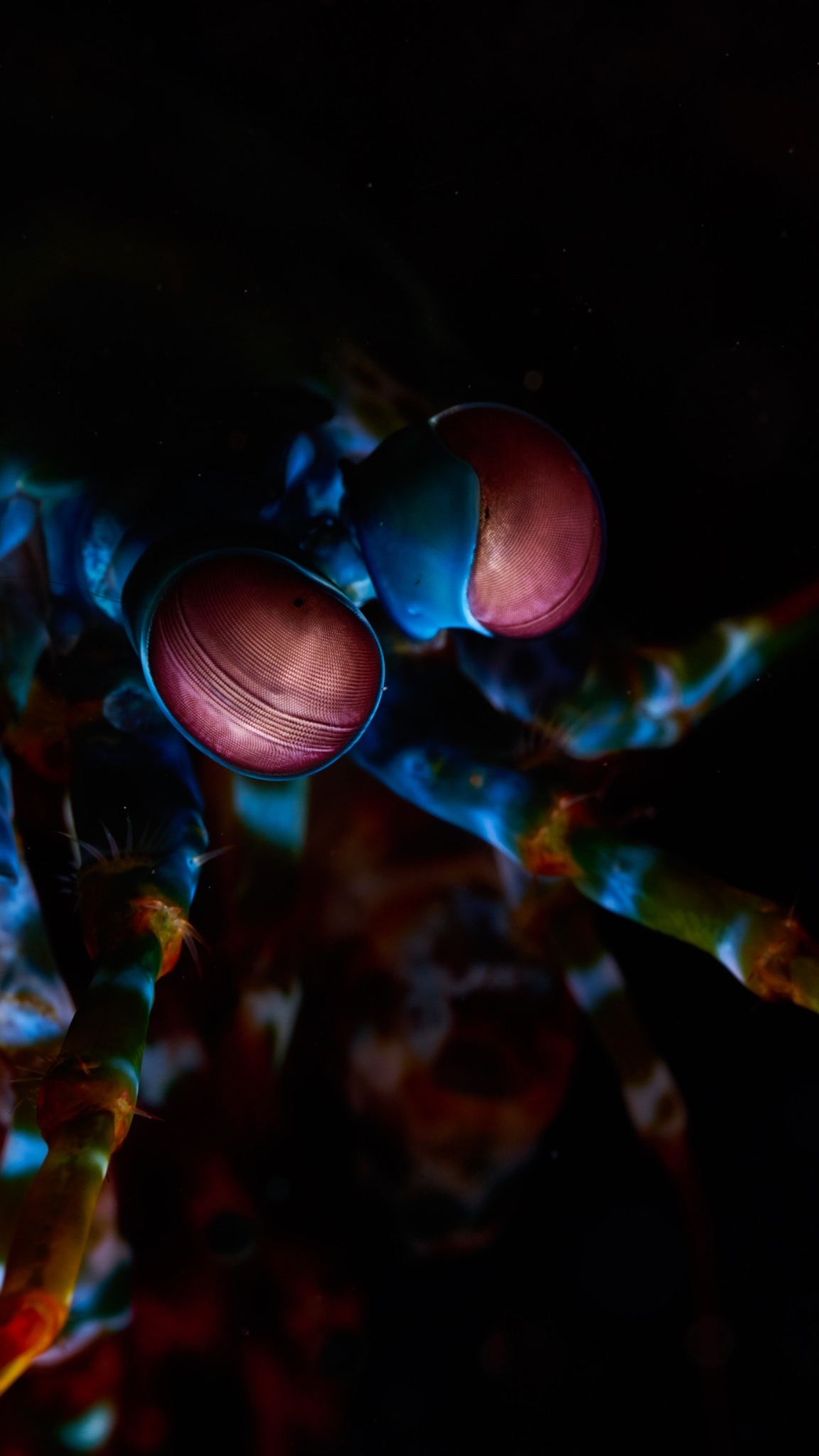
The island offers exceptional diving opportunities, especially along its dramatic vertical walls, where divers can encounter a diverse array of marine life. From vibrant reef fish to larger species such as barracudas and reef sharks, the underwater world here is both rich and varied. Adding to the experience are fascinating macro creatures like pygmy seahorses, colorful nudibranchs, and elusive mantis shrimps. The hard and soft coral formations create stunning underwater landscapes that captivate every visitor.
During our visit, we will explore the local village, where the community welcomes guests with heartfelt traditional ceremonies. These cultural moments offer a meaningful connection to the island’s heritage and highlight the villagers’ deep commitment to preserving their natural environment.
Day 3 - PULAU KELAPA
Pulau Kelapa
Pulau Kelapa is a small, remote island in the Tanimbar Archipelago in eastern Indonesia’s Maluku Province, nestled between Pulau Moa and Pulau Sermata. Though modest in size, it is known for its lush tropical vegetation and is dominated by coconut palms, which give the island its name. The island’s natural landscape features sandy beaches and dense greenery, creating a serene and untouched environment typical of the remote Tanimbar Islands.
The diving around Pulau Kelapa is exceptional, offering a variety of underwater environments. Divers can explore exposed corners with strong currents that attract abundant marine life, as well as protected walls and reef cracksteeming with species such as red snappers, longfin snappers, bigeye trevally, fusiliers, dogtooth tuna, and the occasional hammerhead shark. The walls are decorated with beautiful sea fans and colorful sponges, and you may also spot electric clams nestled in the crevices. Dolphins are often seen in the area, adding an extra thrill to the experience.
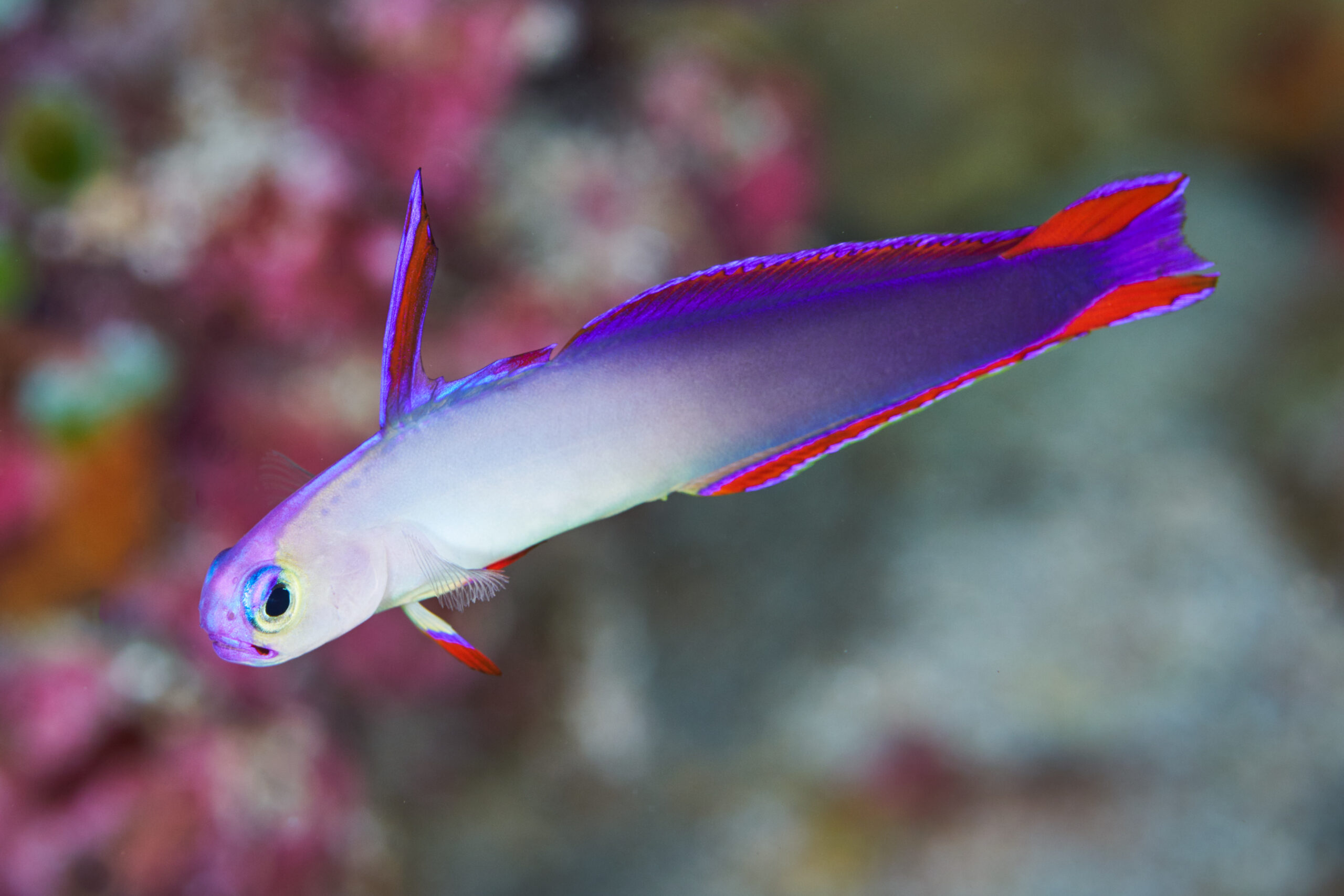
We end the day with a truly unique night dive to encounter the remarkable flashlight fish, creating an unforgettable underwater experience. These fascinating creatures use their natural glowing light organs beneath their eyes to communicate, attract prey, and confuse predators. At night, their soft bioluminescent glow illuminates the reef as they move in small schools or hide within reef cracks, offering divers a rare and magical sight.
Day 4 - LUANG
Luang
The remote volcanic island of Luang marks the transition into one of the most untouched sections of the Forgotten Islands. Rising abruptly from the deep Banda Sea, its rugged coastline continues underwater as a series of dramatic walls, volcanic drop-offs, overhangs and current-swept ridges, creating spectacular underwater scenery and consistently excellent visibility.
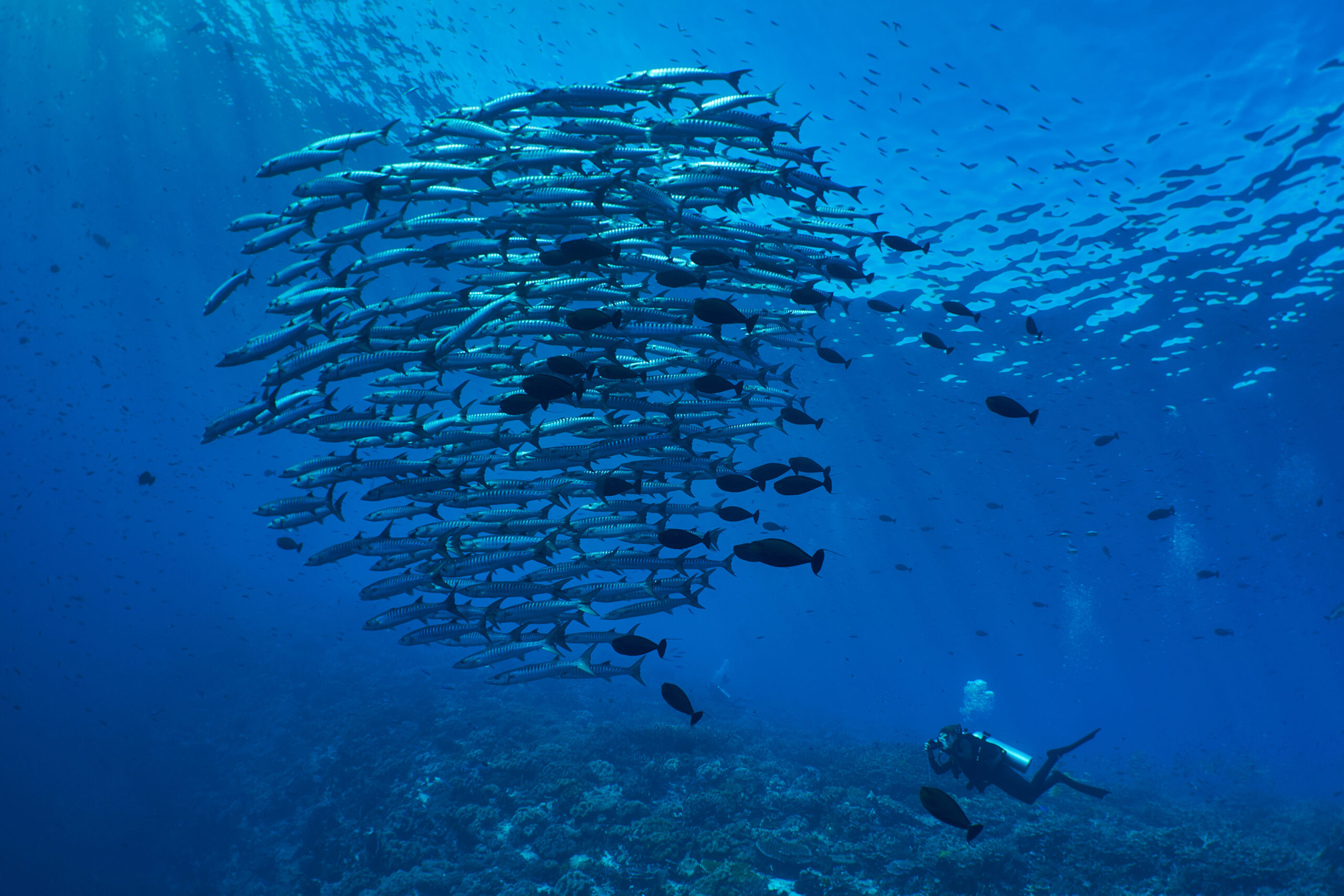
The nutrient-rich oceanic currents that flow through this region support healthy hard and soft coral reefs, enormous sea fans, colourful sponges and an exceptional diversity of reef life. Clouds of fusiliers, surgeonfish, anthias and snappershover above the reef, while giant trevallies, dogtooth tunas and Spanish mackerel often patrol the blue water beyond the wall.
The reefs surrounding Luang are remarkably pristine, having remained largely untouched thanks to the area’s extreme remoteness and the very limited number of liveaboards that visit each season. Depending on currents and conditions, divers may also encounter grey reef sharks, white tip reef sharks, Napoleon wrasse, green turtles and large schools of pelagic fish moving along the reef edge.
The Luang and neighbouring Kelapa reef system is also renowned for its impressive coral diversity, with expansive coral gardens giving way to steep walls that disappear into the deep blue. Every dive offers a different perspective, combining spectacular topography, crystal-clear water and the feeling of exploring one of Indonesia’s last truly wild diving frontiers.
Day 5 - TERBANG
Damar Islands
The Damar Islands are part of the Banda Sea and remain peaceful, remote, and largely untouched by development. Because they are far from busy areas, these islands offer a pristine and natural environment both above and below the surface.
These islands are especially known for their exceptional diving. The surrounding waters are crystal clear, providing stunning visibility and making it easy to take in the breathtaking underwater scenery. They are ideal for wall diving and drift diving, where divers can glide effortlessly along the reef, carried by the gentle to moderate currents.
Beneath the surface, you’ll find steep underwater walls and dramatic overhangs that create striking shapes and shadowed formations. The reefs are vibrant and full of life, adorned with colorful sea fans and sponges that add movement and brilliance to this spectacular underwater landscape.
Day 6 - PULAU TEUN
Pulau Teun, dominated by an active volcano, offers a remarkable underwater landscape shaped by powerful geological forces. Above the surface, you can often see smoke rising from the crater and notice a distinct sulfur scent in the air, a constant reminder of the island’s volcanic nature. Below the surface, divers explore steep walls, ancient lava ridges, and cavernous overhangs, all adorned with vibrant hard and soft corals. Thanks to its remote location, the reefs remain in exceptional condition.
The nutrient-rich waters attract open-ocean predators and migratory species. Regular encounters include dogtooth tuna patrolling the reef edges, curious Napoleon wrassealong the ridges, schools of jacks and barracudas, bumphead parrotfish, mobula and eagle rays gliding through open water, and reef sharks such as blacktip, whitetip, and grey reef sharks. On occasion, divers may even spot hammerhead sharks passing through the area.
Pulau Teun is also home to Mesa, a small traditional village where locals preserve time-honored ways of life, adding a layer of cultural richness to this remote and wild island.
Day 7 - NILDISPERANDUM
Nil Desperandum Atoll
Nil Desperandum is a remote, untouched atoll far to the south, completely unspoiled by development. Its name means “Never despair” in Latin, and it carries a powerful story of survival and hope. In the early 1800s, a British ship ran aground on the reef, leaving its crew stranded for weeks. They survived on fish, coconuts, and rainwater, and when they were finally rescued, the captain’s log ended with the words: “All is not lost. Nil desperandum.” The name has remained ever since.
The atoll forms a ring of coral surrounding a calm, hidden lagoon, with steep outer reef walls that drop dramatically into the deep blue ocean. The reefs here remain wild, pristine, and rarely visited.
Diving along the outer wall, you’ll encounter massive barrel sponges, schools of fusiliers and snappers, barracudas, dogtooth tuna, and turtles. It is also considered one of the best places to spot hammerhead sharks when conditions align, making every dive a truly thrilling and unforgettable experience.
Day 8 - SERUA
Pulau Serua & Pulau Keka
About 70 nautical miles northeast of Pulau Teun lies Pulau Serua, a small volcanic islandhome to a charming village and a scenic hilltop church overlooking the sea. While Serua is known for this picturesque landmark, the main dive sites are found nearby around Pulau Keka.
Pulau Keka offers steep underwater walls covered in vibrant hard and soft corals and impressive barrel sponges. Thanks to its remote location, the reefs remain in excellent condition.
The nutrient-rich waters attract a wide range of open-ocean predators and migratory species. Divers commonly encounter dogtooth tuna, Napoleon wrasse, schools of jacks and fusiliers, great barracuda, and turtles. Olive sea snakes are also frequently seen, and Pulau Keka is a well-known hotspot for hammerhead sharks, often spotted during early mornings and late afternoons.
Beyond diving, Pulau Keka offers excellent snorkeling, along with opportunities for kayaking and paddle surfing, allowing visitors to explore the beautiful coastline and enjoy the calm, crystal-clear waters.
Day 9 - MANUK
That will be our northernmost point on this route — the remote and captivating island of Manuk.
Situated in the heart of the Banda Sea, Manuk Island is a hidden gem known for its raw, untouched beauty both above and below the surface. Surrounded by deep waters and volcanic geology, it offers a truly unique diving experience featuring black sand slopes, coral-covered ridges, and vertical walls that host a wide range of marine life.
Above the surface, the island is equally fascinating. Manuk is an active volcano, and it’s not uncommon to see a thin column of smoke rising from a vent on the southern side. The island also supports a vibrant population of seabirds, including frigatebirds and boobies, often seen soaring overhead or nesting along the rocky shoreline.
Marine biodiversity here is rich and varied. Divers can expect to see schools of fusiliers, snappers, moray eels, the occasional passing pelagic, turtles, and sometimes hammerhead sharks. The great barracudas are often seen in large numbers and are surprisingly curious on this island. However, what truly sets Manuk apart is its thriving population of olive sea snakes. These elegant creatures are often encountered in impressive numbers — sometimes dozens swimming throughout the site.
One of the most extraordinary spectacles at Manuk is the rare chance to witness cooperative hunting behavior between the olive sea snakes and bluespotted trevally. In a coordinated effort, the trevally herd small fish into tight spaces while the snakes probe the crevices, flushing out prey. This dynamic interaction has attracted significant interest from scientists, who have been keen to study and understand this remarkable behavior. For divers, it’s a once-in-a-lifetime experience to witness nature’s intelligence and adaptability in action.
Day 10 - FIVE METER PATCH SEAMOUNT
This beautiful submerged seamount is crowned by a shallow coral plateau bathed in sunlight only a few metres below the surface. Deeper sections attract tunas, jacks and reef sharks, making this an excellent site for both wide-angle photography and pelagic encounters.
Day 11 - ULTIMA FRONTERA
True to its name, Ultima Frontera represents one of the most remote dive sites of the expedition. Outstanding visibility, pristine coral cover and powerful currents attract reef sharks, dogtooth tunas, giant trevallies and impressive schools of barracudas.
During the afternoon we begin our navigation towards the peaceful Tayandu Islands, where conditions become noticeably calmer. Here we may visit a spectacular white sand spit sheltered inside the lagoon of a traditional pearl farm.
Day 12 - KARAGNG HUISMAN
The vertical walls of Karang Huisman are covered in flourishing coral growth and surrounded by large schools of fusiliers, trevallies and reef sharks. Excellent visibility makes this another outstanding wide-angle dive.
Day 13 - KARANG REMBRANG
A remote seamount with excellent visibility, sharks, trevallies, dogtooth tunas and schooling barracudas. Coral is in superb condition.
Navigation to Tayandu Islands.
Conditions become calmer as the route approaches the Tayandu group. Includes a visit to a white sand tongue beach protected inside a pearl farm lagoon.
Day 14 - LITTLE MANUK
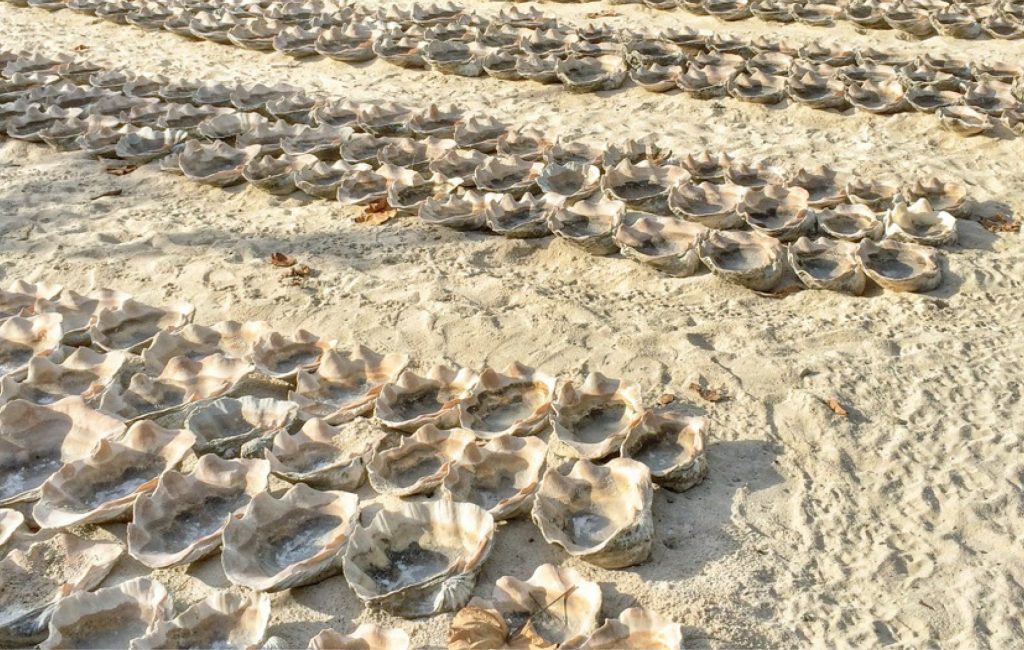
Our final dives take place around Little Manuk, where volcanic slopes meet healthy coral reefs. Reef sharks, sea snakes, turtles and countless reef fish accompany us during the last underwater adventure before returning towards Tual.
Day 15 - TUAL
Disembarkation. Fly to Bali/Jakarta and transfer to flights home or resorts.