Explore The Wonders Of Indonesia
Sumbawa-Komodo Diving & Exploration
Discover Komodo & Sumbawa: The Wild wild East Sumbawa-Komodo Diving & Exploration
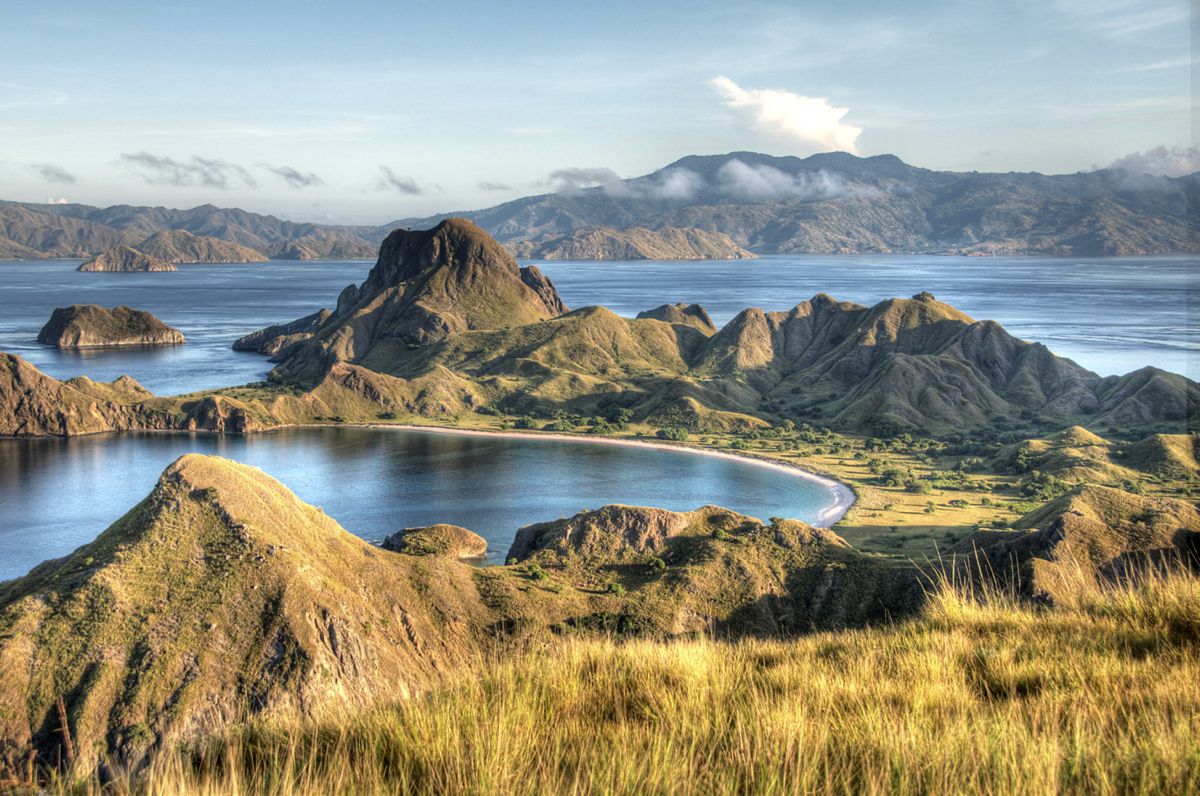
Komodo National Park was created in 1980 to protect the dragons and other rare and unusual wildlife here. Recognized as a UNESCO World Heritage site in 1991, Komodo has since been named as one of the ‘World’s Top Ten Destinations’ by National Geographic Magazine in the July 2017 edition.
The Park itself includes a trio of large islands (Komodo, Rinca, and Padar), interspersed with an archipelago of smaller islands and seamounts. Located at the boundary between the Indian and Pacific, these two great oceans are home to completely different marine environments. Driven by this confluence of oceans, the Indonesian Flow Through creates a net north to south current within the Flores Sea, which surrounds Komodo Park.
The end result is a stunning diversity of habitats and species in a relatively small area, enabling us to introduce you to an incredible variety of dive sites and marine environments with a minimal amount of travel time between your adventures.
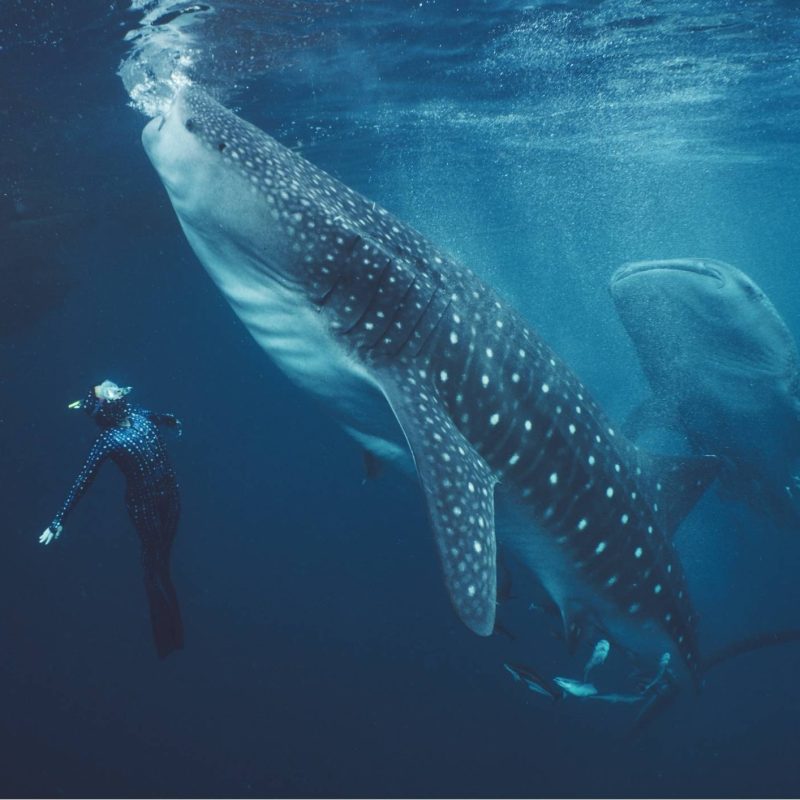
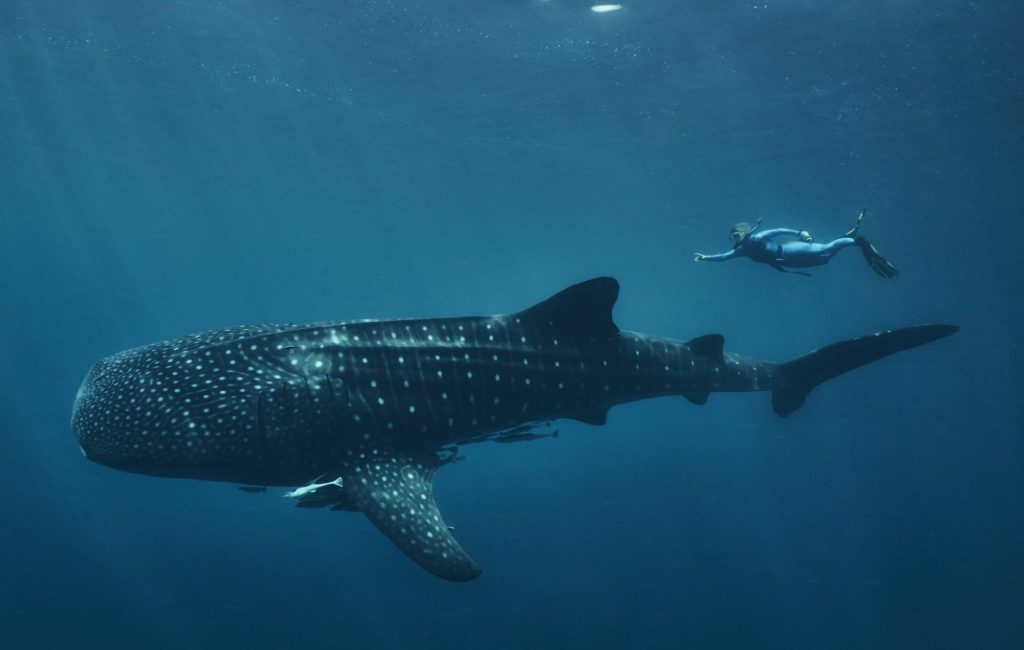
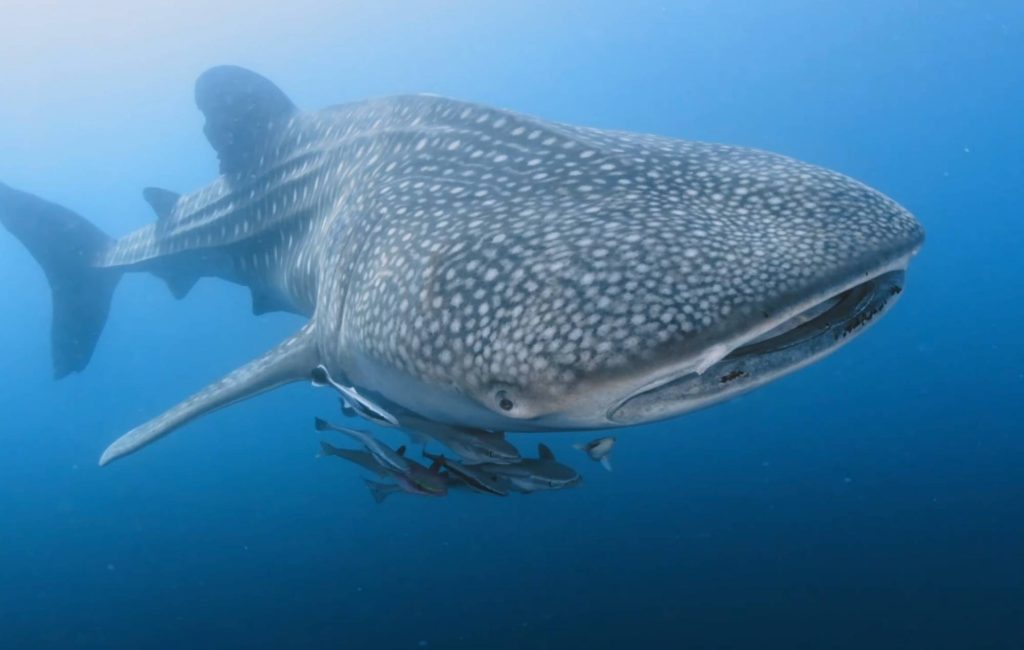
Our Komodo trips now go even further, extended to Teluk Saleh, Sumbawa, and South East Sumbawa as well, where you can experience one of nature’s most awe-inspiring encounters: swimming with the largest fish in the world: the whale shark.
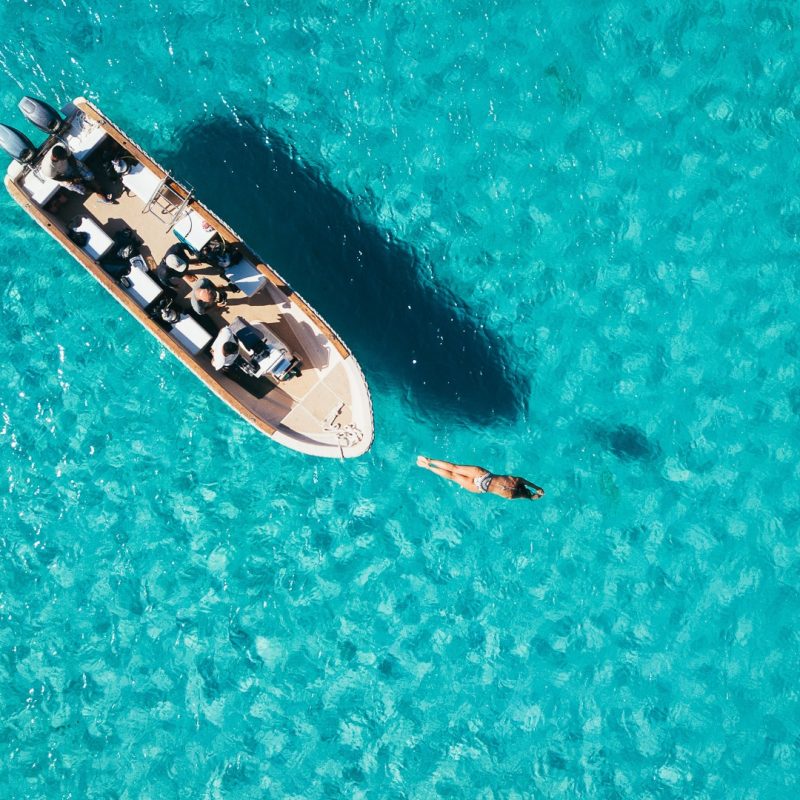
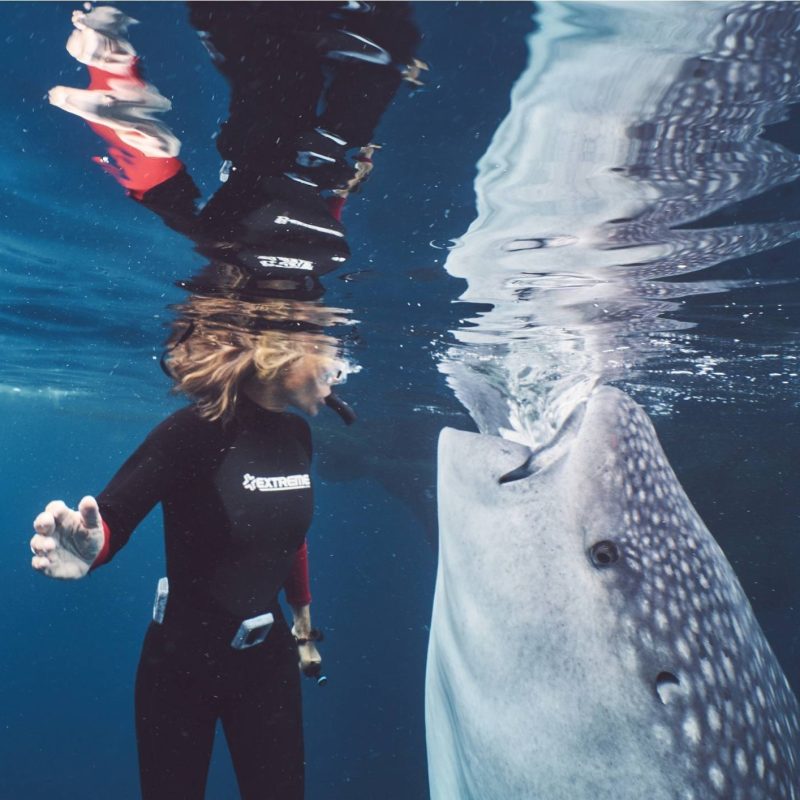
In the calm waters of this massive bay, whale sharks gather near traditional fishing platforms, creating an incredible chance to snorkel with these gentle giants in their natural habitat.
Komodo, Sumbawa and beyond...
We’ll introduce you to Komodo’s most iconic dive sites such as Manta Alley, Manta Point, Tatawa Besar, Batu Bolong, Castle Rock, and Crystal Rock. We’ve also discovered many of our own favorite spots over the years, such as the ‘Seven Seas Secret’ spot, where we’ve sometimes spotted dugong cruising the shallows.
With more than twenty years of experience exploring the best that Indonesia has to offer, you can be assured that you diving the right place at the right time. Most (if not all) dive sites are dependent on the tide, moon, and other environmental conditions – get there at the wrong time and you’re likely to miss that unforgettable experience underwater.
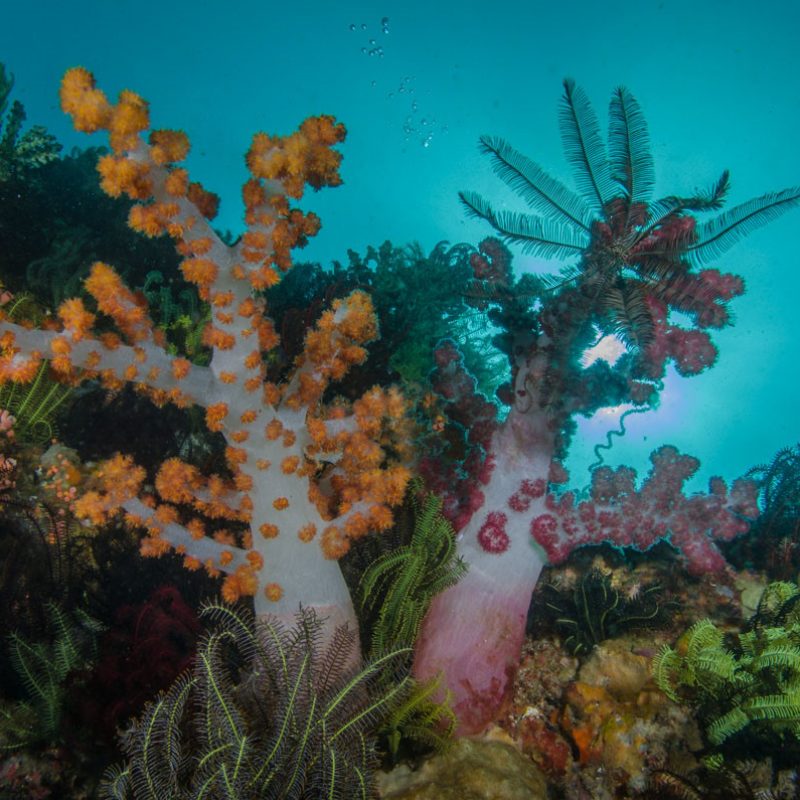
This trip ventures into the South of Sumbawa, where we’ve discovered a variety of dive sites which offer even more options than those you’ll find within Komodo Park. From a kaleidoscopic soft coral paradise, to an exquisite shallow water reef of branching coral and teeming with tropical fish and cruising baby black tip sharks, to an incredible sandy slope inhabited by a squadron of enormous sting rays.
And as if all this wasn’t enough, the cherry on top is our visit to Teluk Saleh, South of Pulau Mojo. Here you’ll have the chance to experience the unforgettable thrill of swimming alongside the ocean’s largest fish, the magnificent whale shark.
With our wealth of experience in Komodo and beyond, the crew aboard the Seven Seas invites you to experience this jewel of the Coral Triangle at its very best.
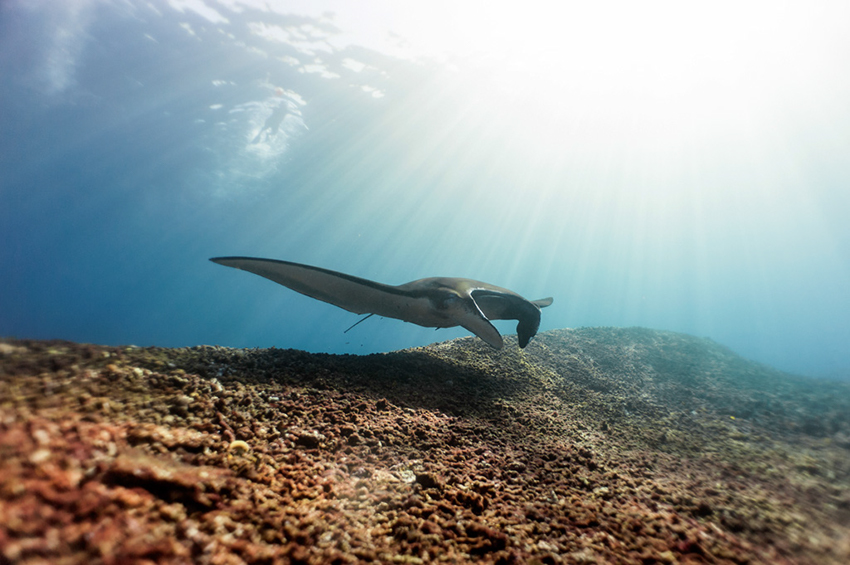
Dive with giants: From graceful mantas in Komodo to the gentle whale sharks of Sumbawa.
Tentative Itinerary
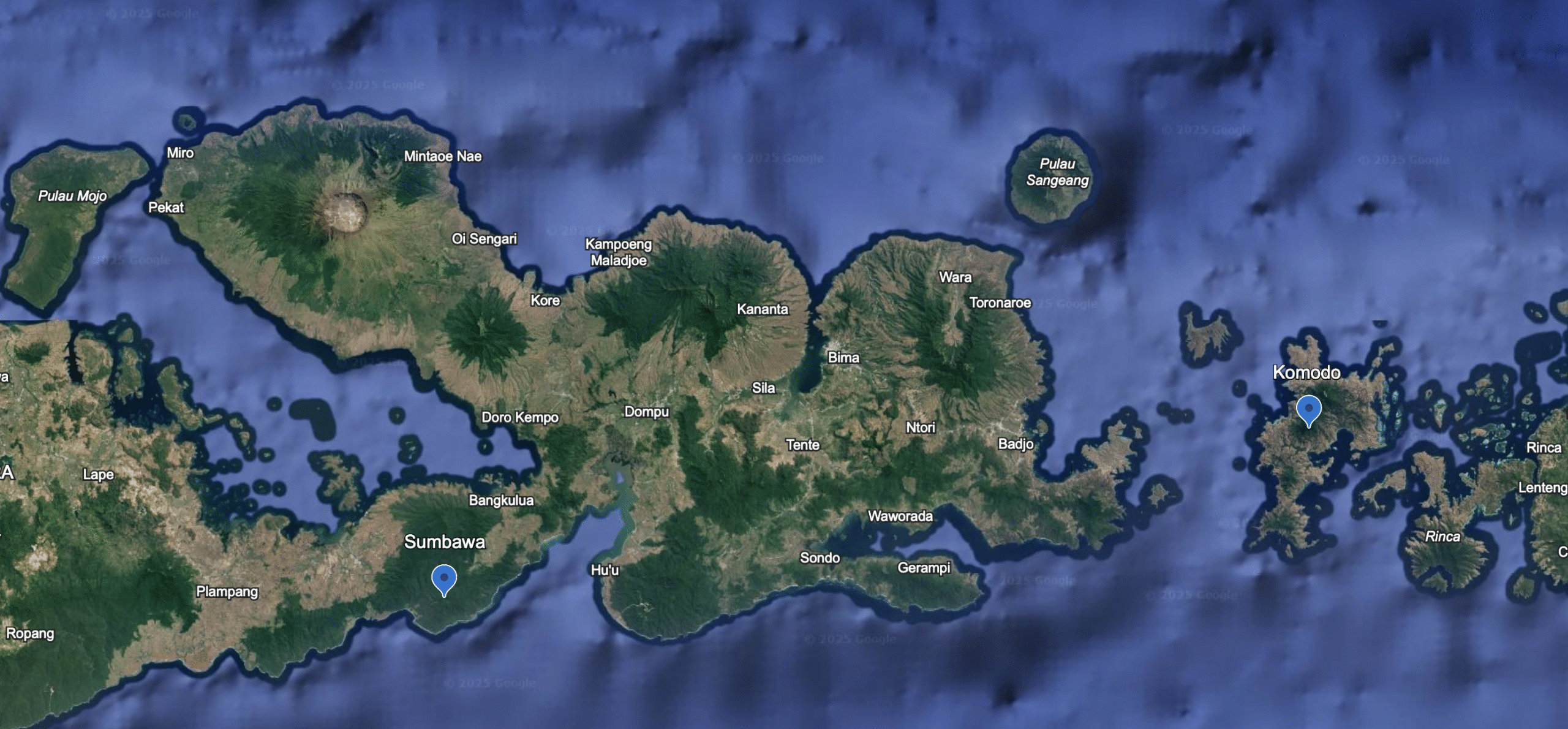
The itinerary may be adjusted at the discretion of the captain and cruise director based on weather conditions, which can sometimes be unpredictable, as well as the group’s overall experience. The goal is to offer the best possible diving and snorkeling sites according to the group’s interests and skill levels.
Day 1 – August 13 – PULAU MOYO – West Nusa Tenggara
Flight to Sumbawa Besar. Transfer to the Seven Seas, setting up gear meanwhile we are steaming out and afterwards we’ll do a general briefing, after some refreshments and lunch and we’ll do our check out dive. We gear up for our first dive at Angel Reef.
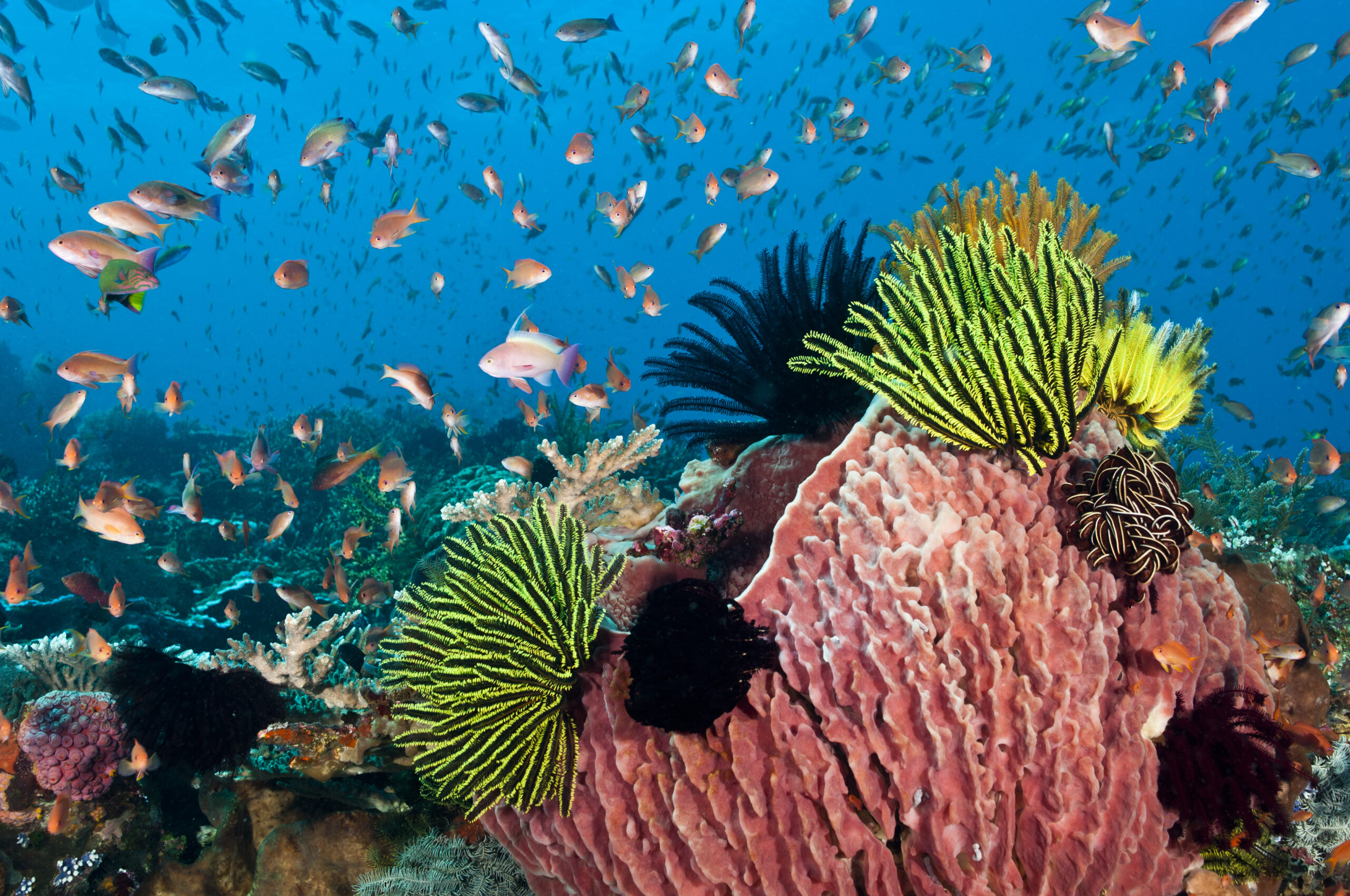
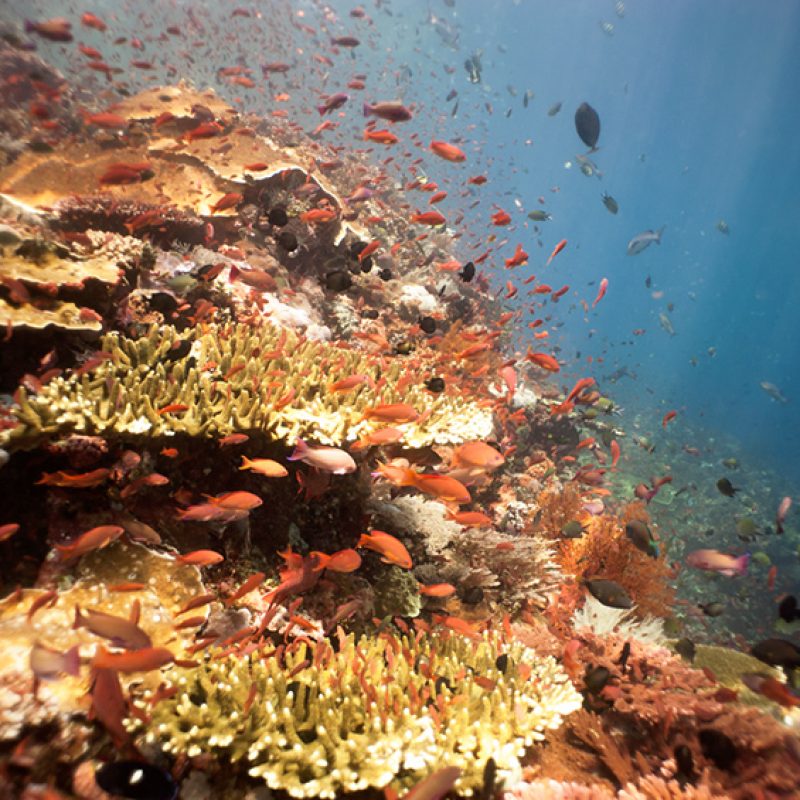
Descending into crystal-clear waters, you’ll find yourself drifting over a spectacular coral garden bursting with color and life. Hard and soft corals cover the slope, teeming with schools of fusiliers, snappers, trevallies, and bannerfish. Look closer, and you’ll discover a world of smaller treasures, from nudibranchs and leaf scorpionfish to graceful ribbon eels weaving through the reef.
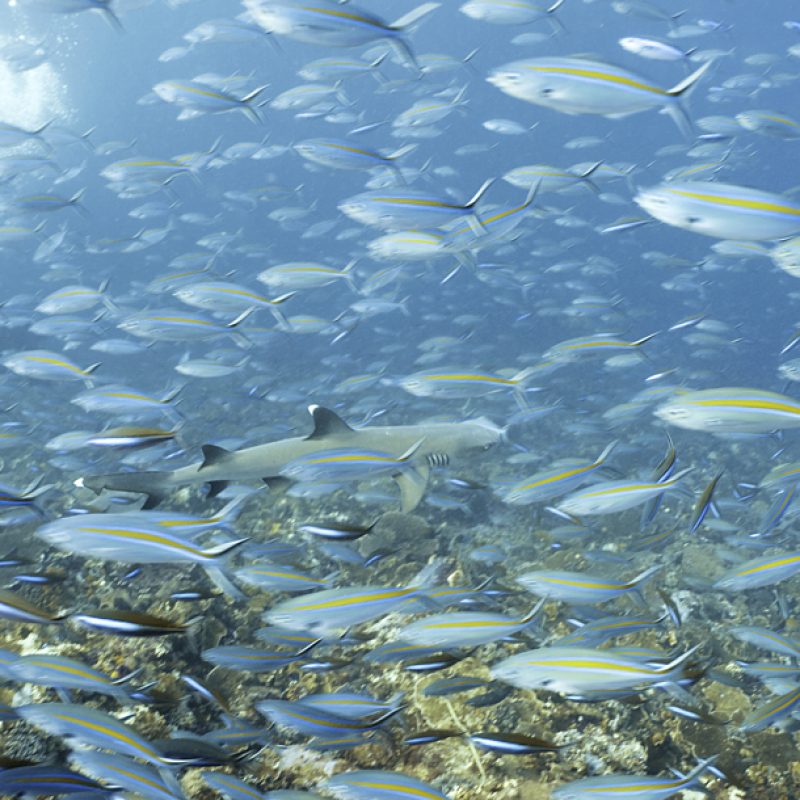
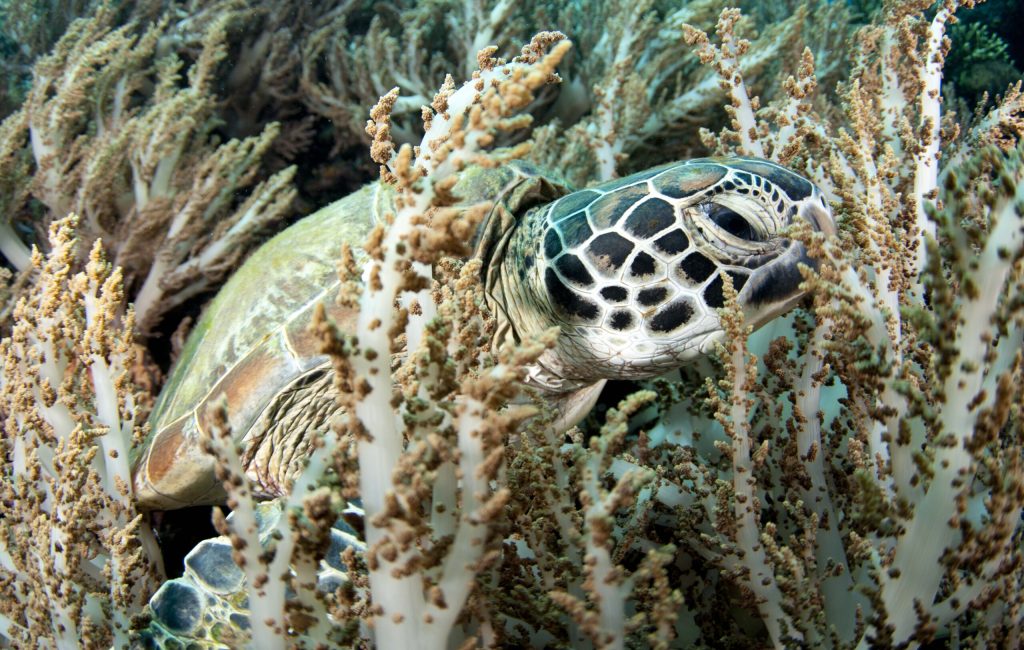
The highlight here is the sheer abundance of life. Large table corals host clouds of anthias, turtles glide effortlessly in the blue, and white-tip reef sharks can sometimes be spotted cruising along the slope. With its excellent visibility and healthy coral cover, Angel Reef is a diver’s paradise for both wide-angle photographers and macro lovers.
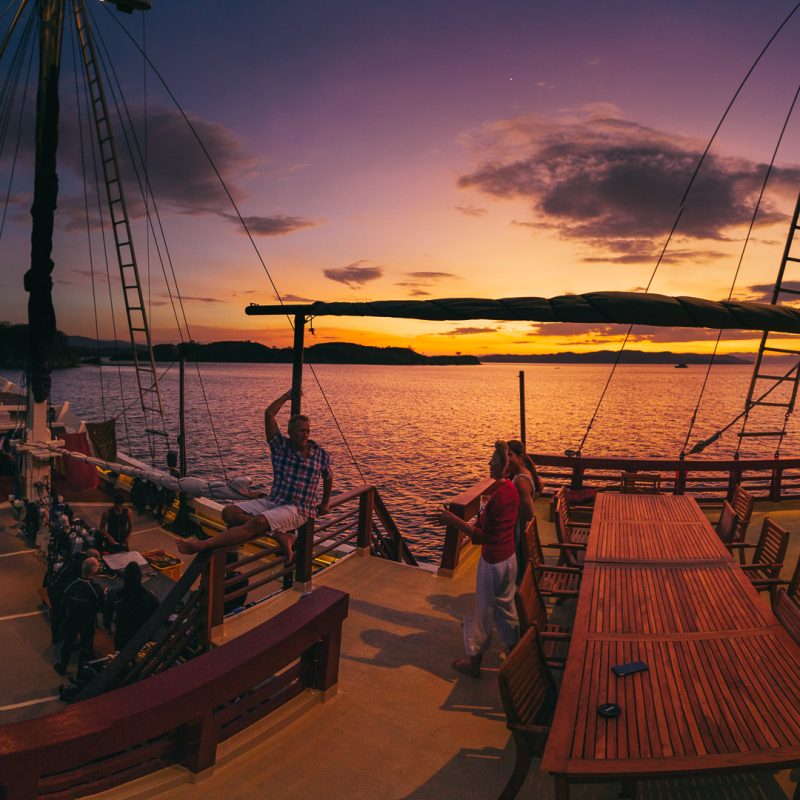
As the day winds down, we will enjoy a golden sunset over Moyo’s coastline, with stories of the day’s dives shared over a delicious dinner on boar.
Day 2 – August 14 – TELUK SALEH – Sumbawa
Teluk Saleh is one of the best places in Indonesia to encounter whale sharks. These gentle giants are attracted by the anchovies caught by fishermen near bagans, large traditional fishing platforms. The fishermen’s catch draws whale sharks to feed and linger around the platforms, offering a rare chance to swim or snorkel alongside them in calm waters.
This allows for safe and respectful encounters. While sightings are not guaranteed, they are frequent, especially during the dry season. It’s an unforgettable experience and one of the highlights of any trip through Sumbawa.
After spending a whole morning with the whale sharks we will move for a dive in Tanjung Berhenti
Day 3 – August 15 – SANGEANG – Flores Sea
Sangeang Island is an active volcano situated northeast of Sumbawa, easily recognized by its twin volcanic peaks and frequent plumes of smoke. Its raw, rugged beauty and remote setting make it a fascinating destination, both above water and beneath the surface.
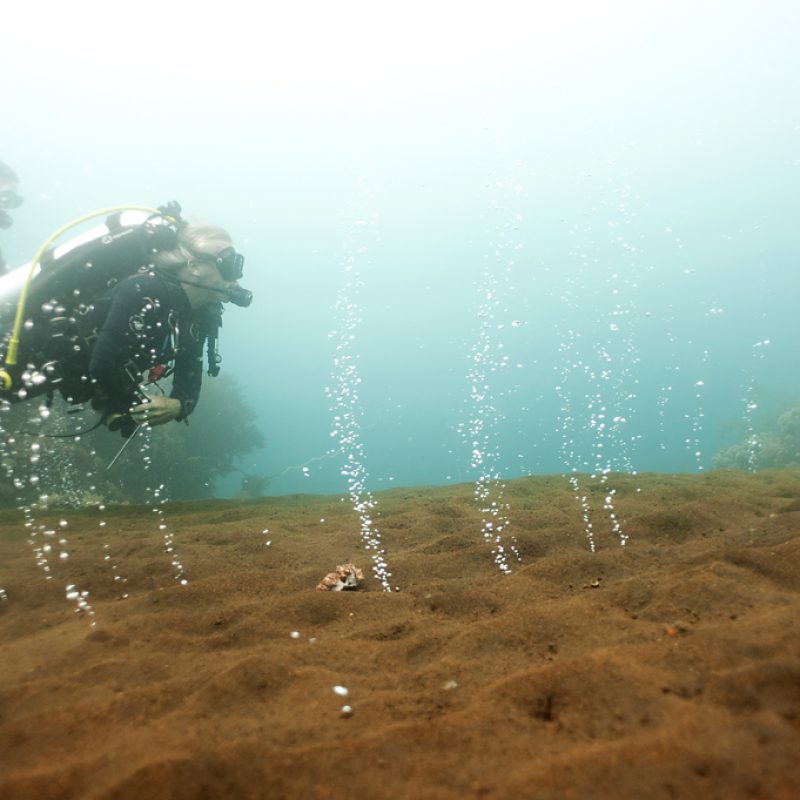
The volcanic nature of the island has shaped a unique underwater environment, with black sand slopes, warm water vents, and nutrient-rich conditions that support an impressive variety of marine life. The combination of volcanic terrain, colorful soft corals, and vivid sponges makes this area particularly appealing to divers.
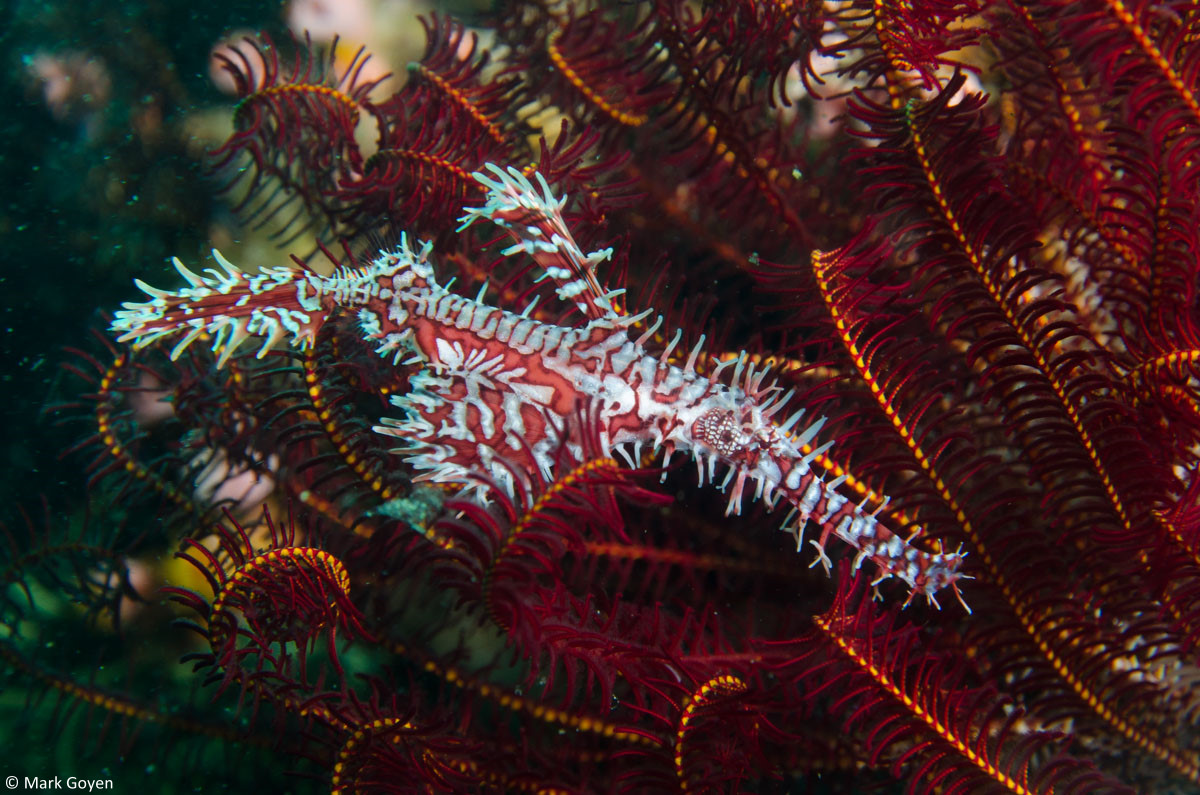
Bubbles from the seabed rise in certain areas, creating an otherworldly atmosphere beneath the surface. The reefs are alive with reef fish, soft corals, and macro creatures like ribbon eels, ghost pipefish, and sand-dwelling critters.
Sangeang offers a refreshing contrast to the surrounding regions, thanks to its volcanic origin, vibrant marine habitats, and the cultural presence of Bontoh Village where traditional boat building is still part of daily life. The villagers craft wooden phinisi boats by hand—a time- honored skill passed down through generations. You’ll be able to see the boat frames in various stages of construction and learn how these impressive vessels are built using simple tools, local wood, and deep knowledge of the sea.
After the visit, we’ll prepare for a night dive in the surrounding waters.
Day 4 – August 16 – GILI LAWA – Komodo National Park
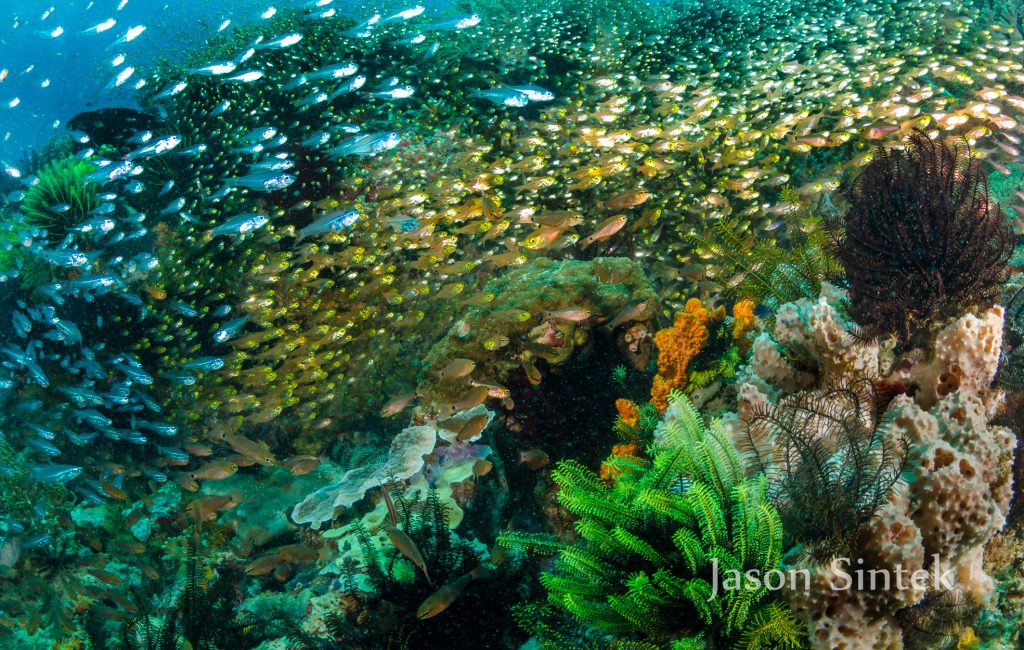
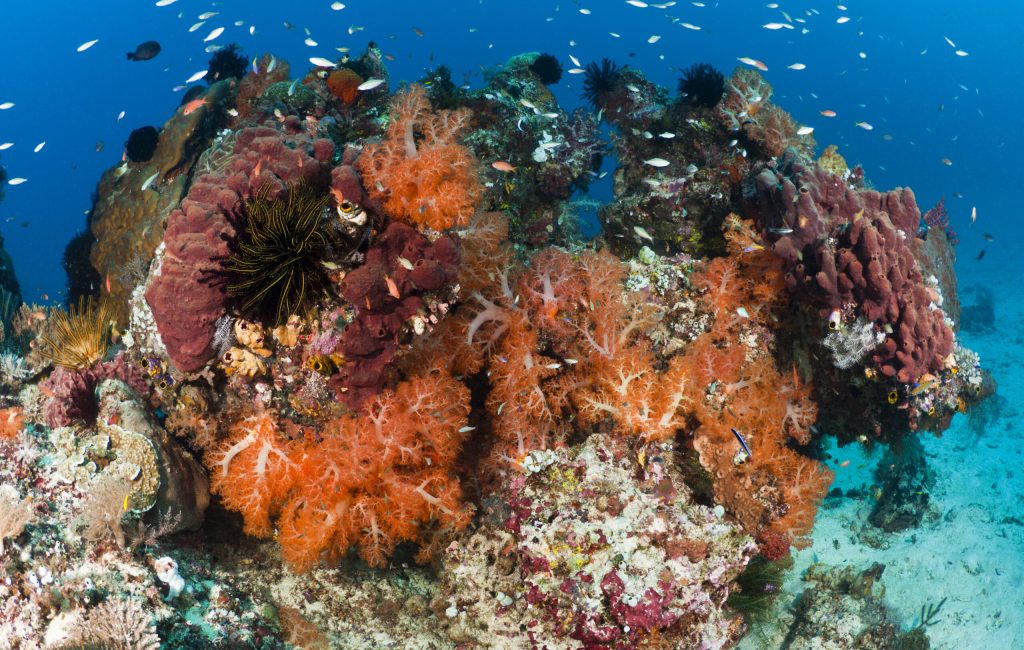
Located in the northeast of Komodo Island, Gili Lawa is one of the most iconic dive destinations in the national park, offering some of the region’s top underwater adventures. Known for its warm, clear waters and rich marine life. Above water, the hills of Gili Lawa provide stunning panoramic views, making it a favorite for both divers and snorkelers.
Castle Rock: An underwater seamount attracting action-packed marine life thanks to steady currents. Divers can expect to encounter dense schools of predatory fish like giant trevallies, Napoleon wrasse and big groups of surgeonfish , along with reef sharks patrolling the area. The top of the site is shallower and covered in healthy coral, perfect for a slower finish to the dive.
Crystal Rock: A vibrant reef that rises close to the surface, offering excellent visibility and lots of fish traffic. This site is full of movement—snapper, sweetlips, and jacks are common, often swirling in the current. The sheltered side is ideal for exploring colorful hard coral formations and spotting smaller reef species.
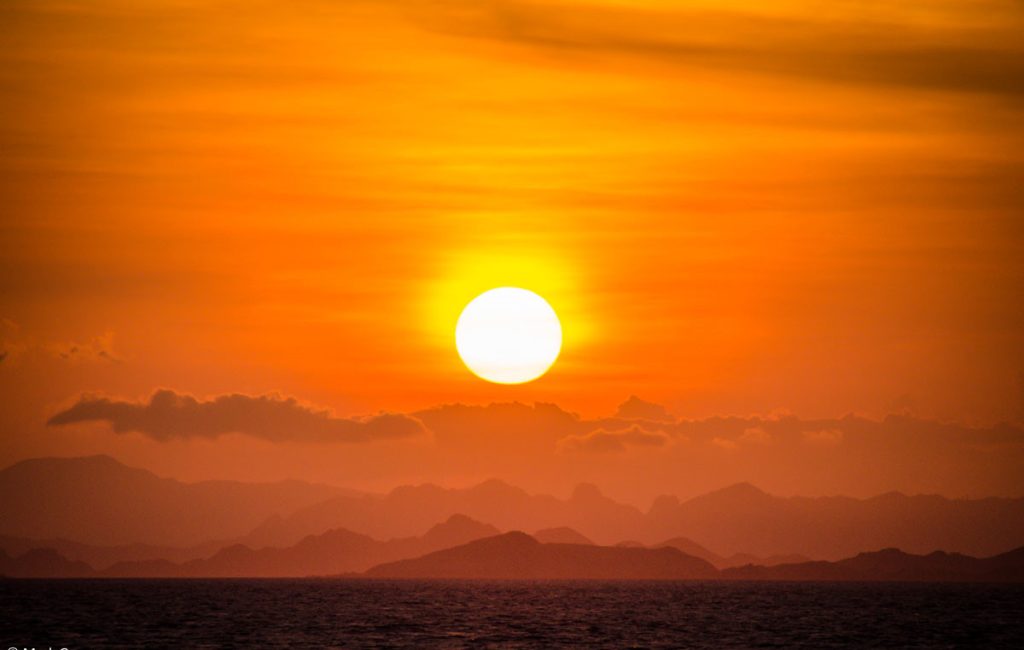
The Cauldron (Shotgun): A thrilling drift through a narrow channel between two islands.Timing is key here, so dives are usually planned around tidal flow. Watching the sunset from a secluded beach or hiking to a scenic viewpoint are also popular activities in the area, offering a perfect way to end the day after diving.
Day 5 – August 17 – BATU MONCO – Komodo National Park
Batu Monco is a quiet bay located on the northwestern side of Komodo Island. With its calm, clear waters and protection from strong currents, it’s well-suited for laid-back and comfortable dives. The site features sloping reefs, small drop-offs, and untouched shallow coral zones that are full of marine life.
You’ll find a variety of vibrant hard and soft corals, along with commonly seen reef species like angelfish, butterflyfish, and parrotfish. Octopus, cuttlefish, and moray eels can also be encountered. Juvenile manta rays are known to pass through the area from time to time. On the surface, the bay is great for kayaking and paddleboarding, offering a peaceful way to enjoy the natural setting.
After a couple if dives we’ll do our afternoon dive in Laju Pamale where we will enjoy close by after the dive some delicious snacks and drinks at the beach.
Day 6 – August 18 – N’DOKO – Sumbawa
N’doko, located on the eastern side of Sumbawa Island, is a great destination for diving and snorkeling. The area features healthy reefs with soft corals, sponges, and crinoids, and offers excellent underwater visibility.
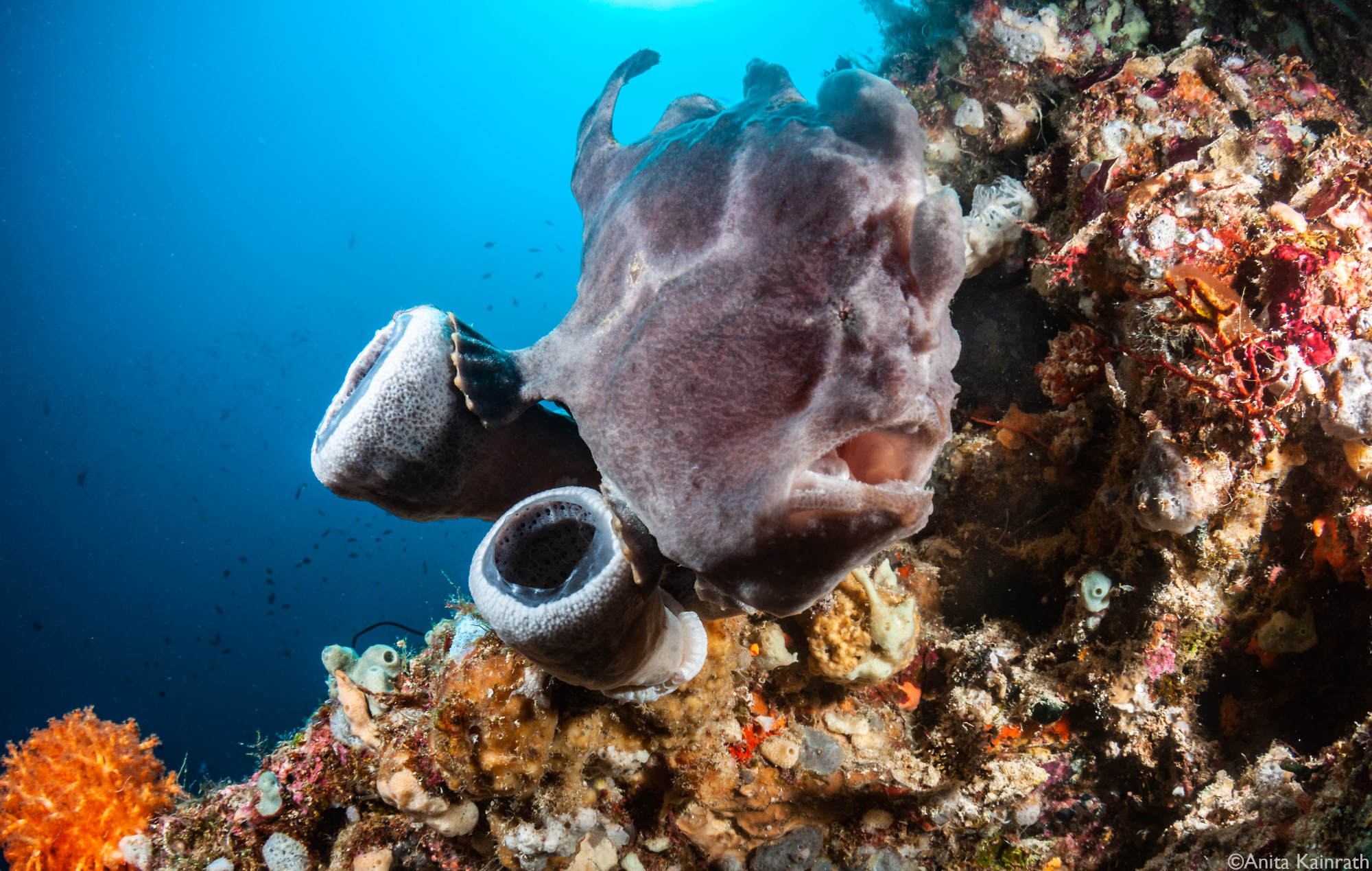
Marine life is diverse, including schools of surgeonfish, leaf scorpionfish, turtles, white-tip reef sharks, and the occasional warty frogfish. Dive sites range from sandy slopes with coral bommies to drift dives, offering something for different skill levels.
After diving, you can relax on a quiet beach with a fantastic view of Sangeang Island, especially at sunset. The snorkeling is also very good, with plenty of life near the shore.
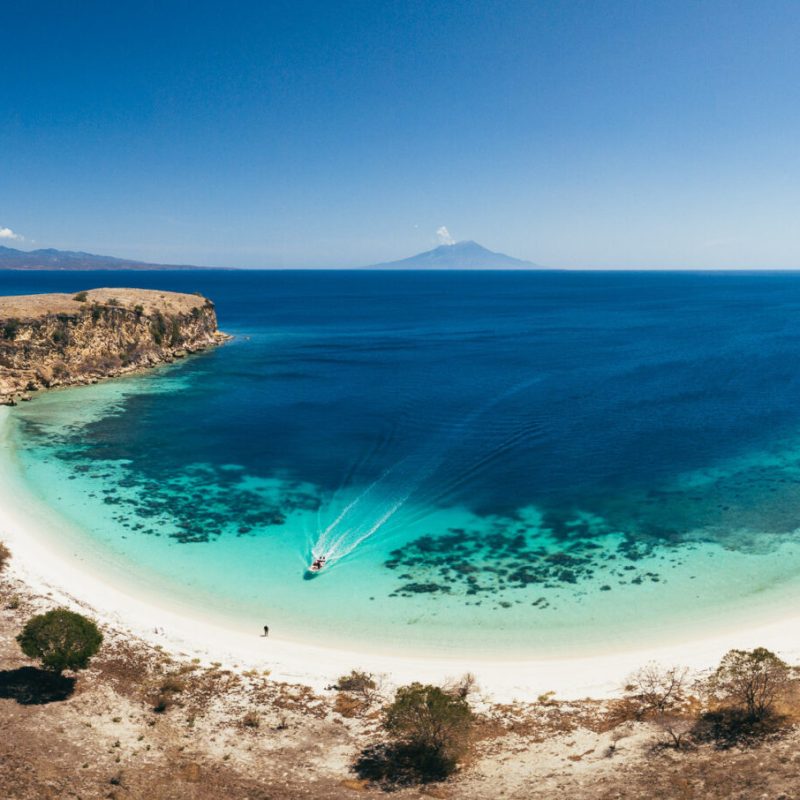
The beaches along our route are simply breathtaking, untouched stretches of white sand, and even a secluded pink beach reminiscent of what Komodo’s famous Pink Beach used to be, before the crowds. Hidden far from any tourist routes, this secret paradise is reserved just for us, ensuring a completely private and intimate experience.
At noon, we set up an unforgettable beach barbeque: the turquoise sea on one side, majestic mountains on the other, and later, a sky full of stars above us. The setting is pure magic, the kind of moment that stays with you forever.
Day 7 – August 19 – MANTA ALLEY & NUSA KODE – South Komodo National Park
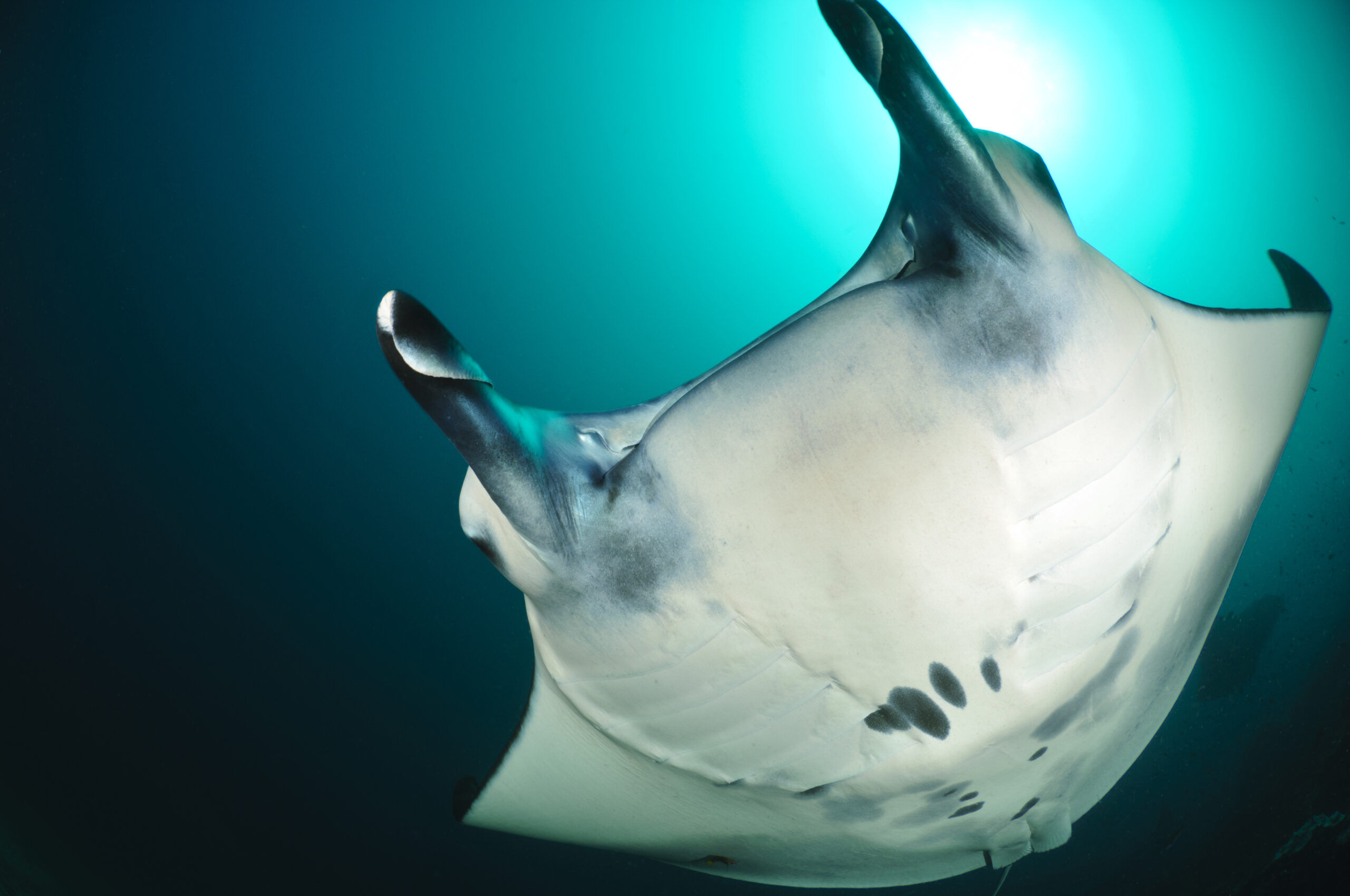
Manta Alley, located at the southern tip of Komodo Island, is renowned as one of the top places in the world to encounter manta rays. During the dry season, cooler waters rich in plankton attract large numbers of reef mantas, and occasionally even oceanic mantas.
This dive site is far more than a standard cleaning station. It features narrow channels, rocky formations, and coral slopes that support a diverse range of marine life. Mantas are often seen cruising through the area, hovering over cleaning spots or feeding in the current.
The reef itself is full of life, dense fields of soft corals, crinoids, and sponges cover the substrate. Schools of fusiliers and trevallies sweep through the water, while white-tip reef sharks and turtles are also commonly sighted.
Manta Alley is an exposed site, open to oceanic conditions, which can bring strong currents, surge, and rough surface weather. At times, diving here may not be possible due to unfavourable sea conditions.
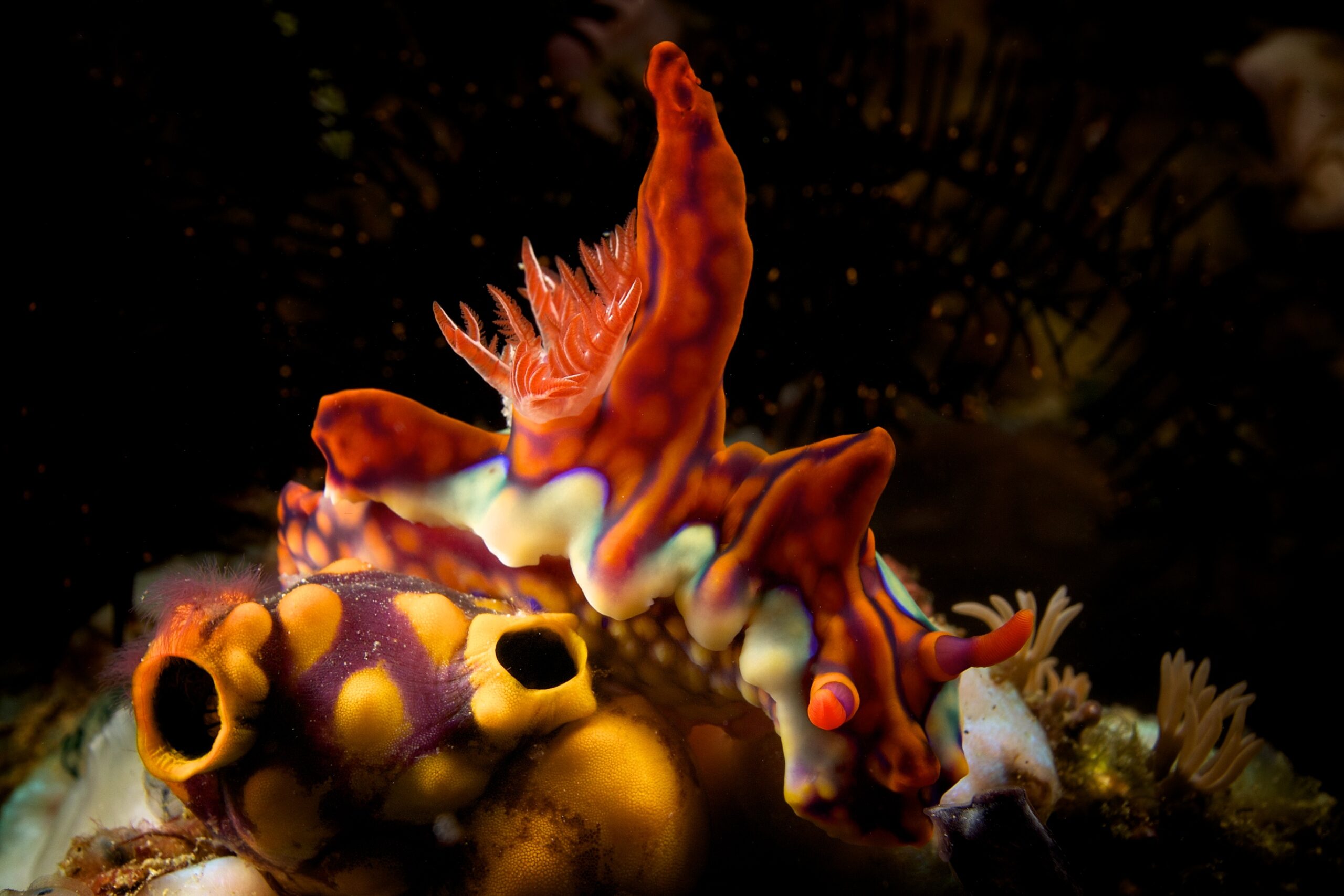
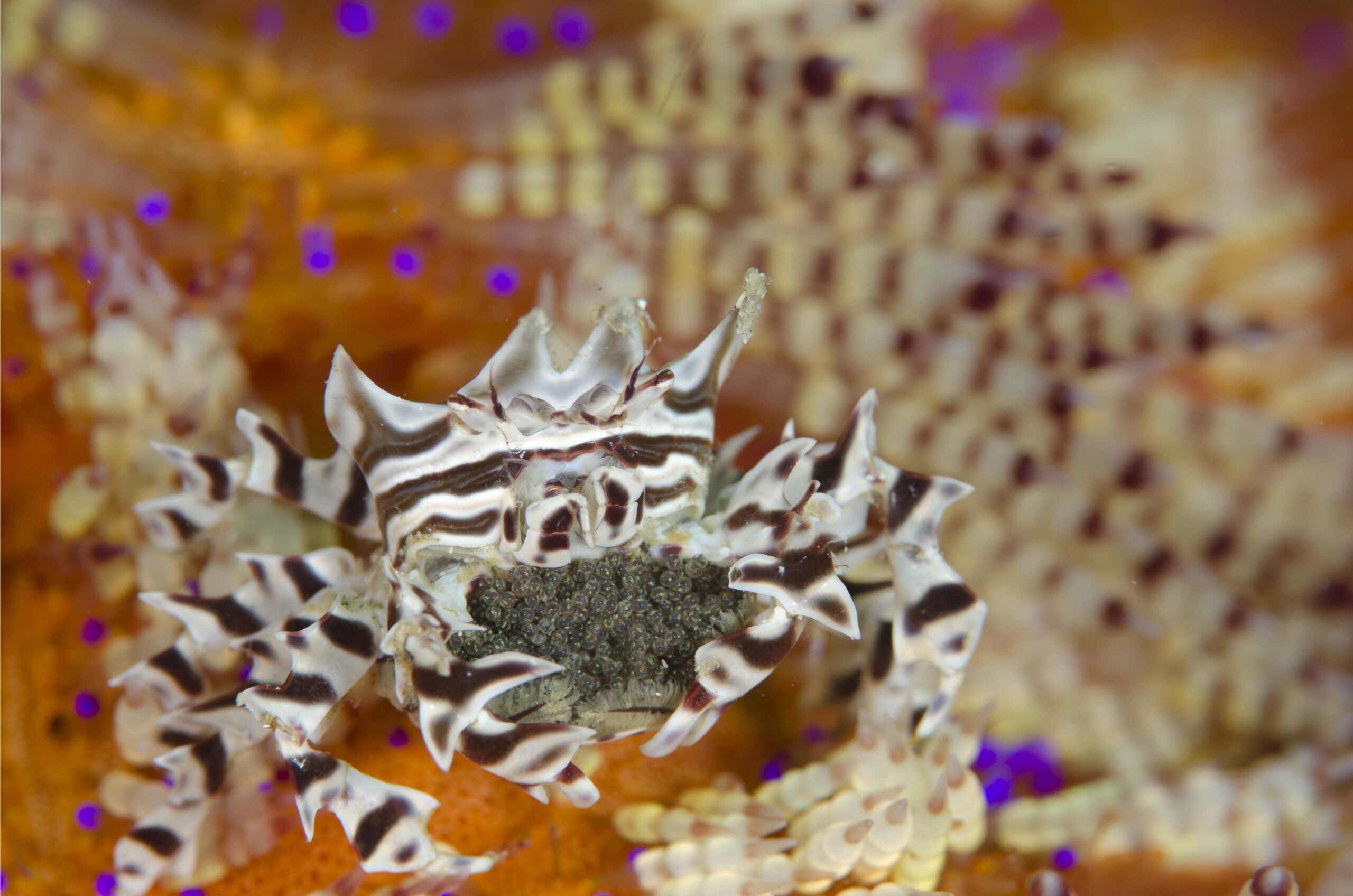
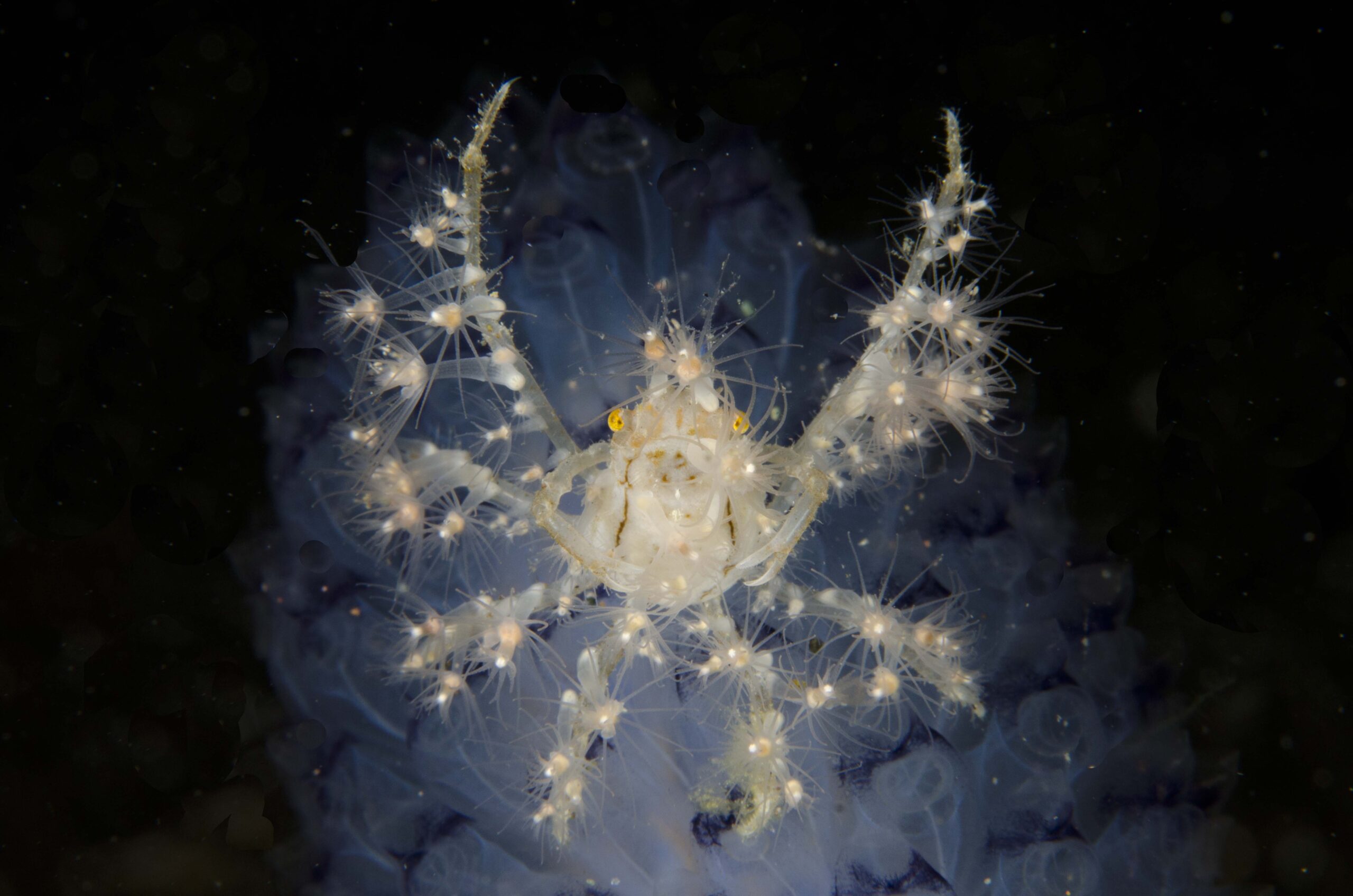
After a couple of dives in Manta Alley, we’ll cross into the dramatic setting of Nusa Kode, where our midday dive takes place at the legendary Cannibal Rock. Rising to just 3 meters below the surface and dropping down to around 30 meters, this seamount is considered one of Komodo’s richest dive sites. Its slopes are carpeted with sponges, soft corals, and featherstars, creating a vibrant backdrop for some of the best macro life in the park: frogfish, nudibranchs, pygmy seahorses, and the rare Coleman shrimps hiding in fire urchins. Larger reef fish also patrol the area, and depending on the currents, schools of pelagics add to the action. While the bay offers some protection, the water can be cooler here, bringing in nutrients that fuel this explosion of life.
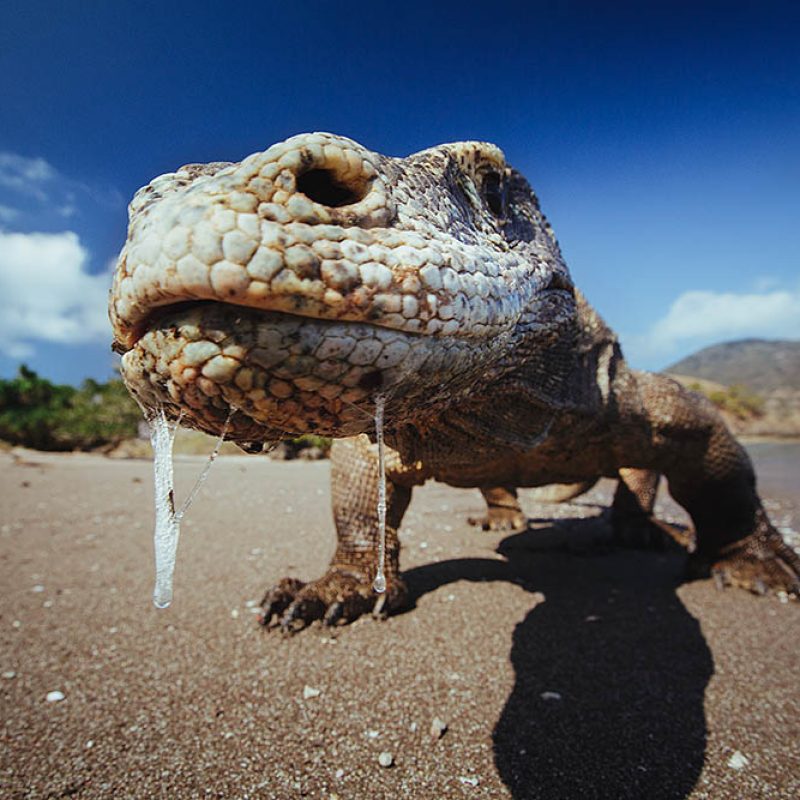
After surfacing, don’t forget to glance toward the beach, this is one of the rare places where Komodo dragons can often be seen walking along the shore, a truly surreal sight.
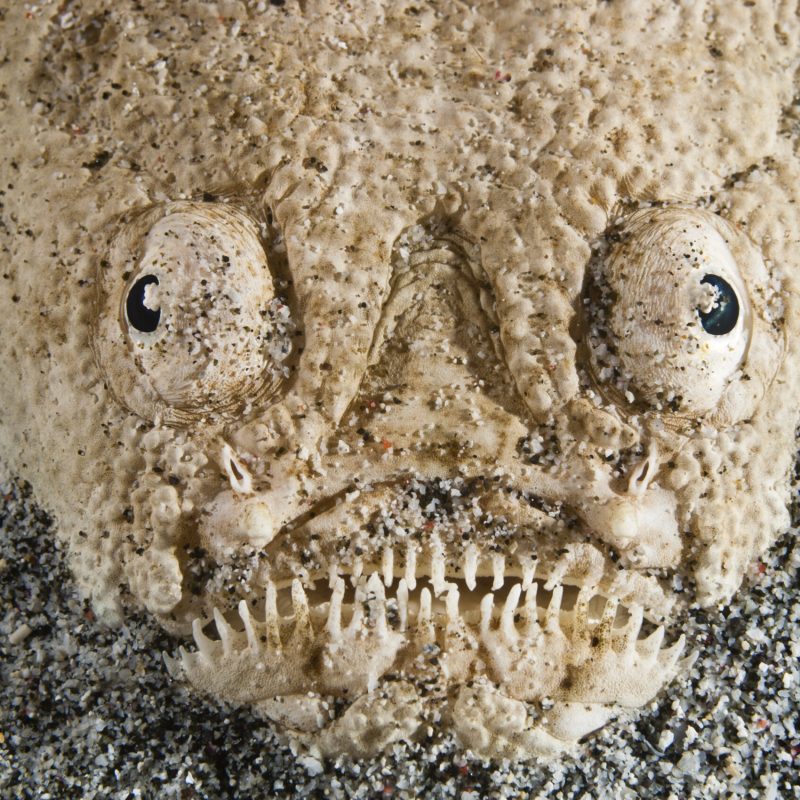
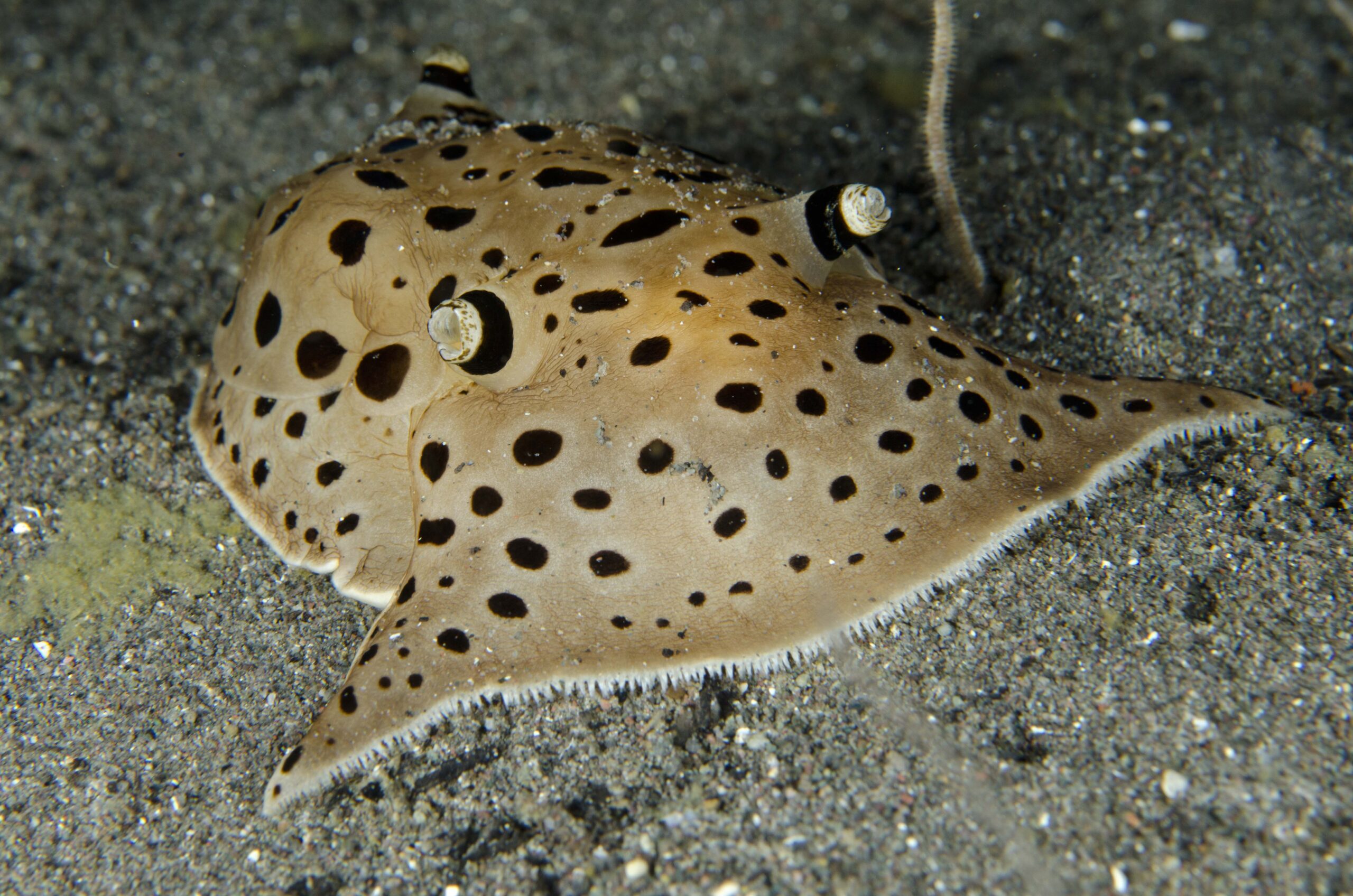
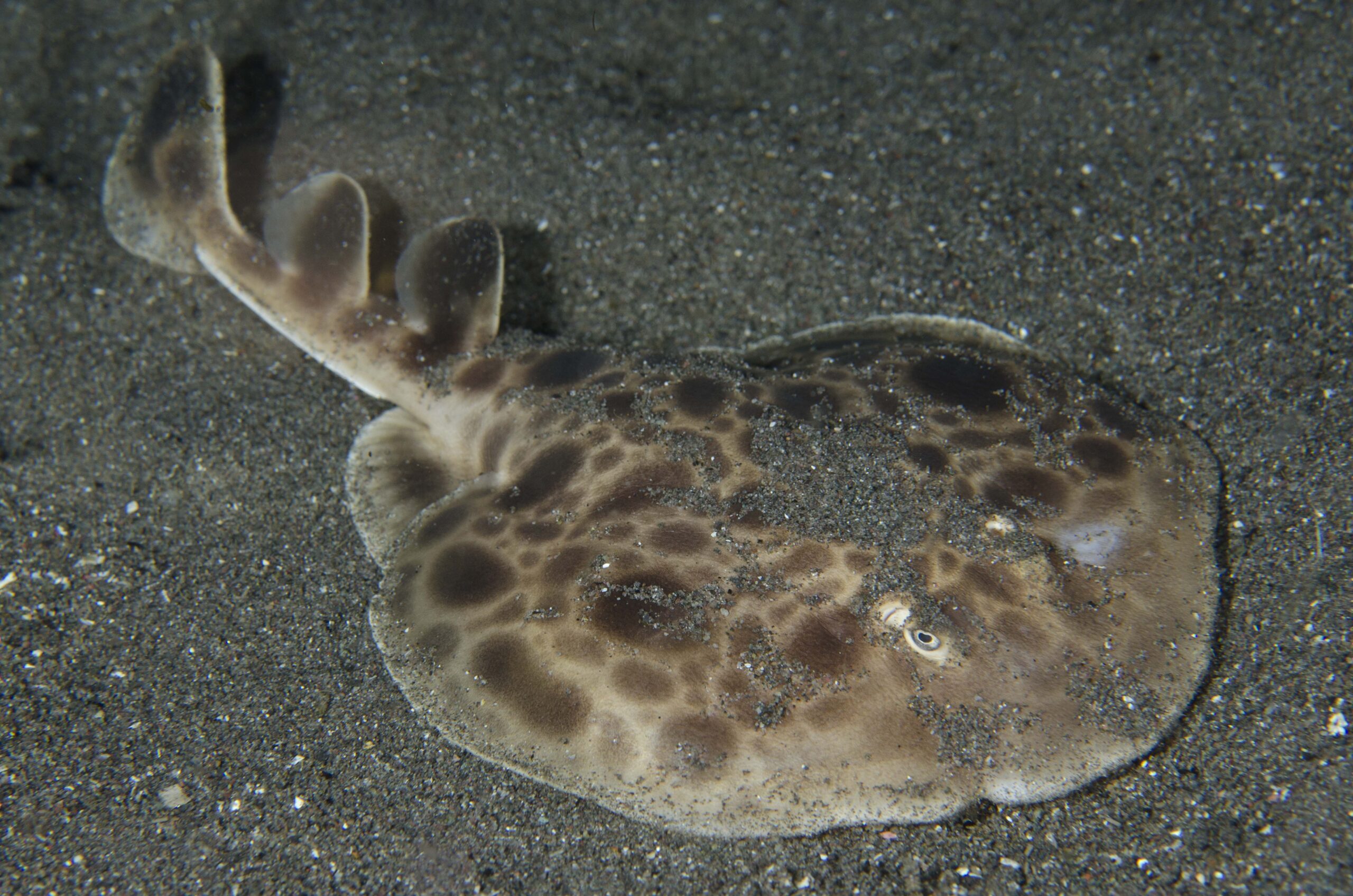
As the sun sets, the adventure continues with a fourth dive at Torpedo Alley, one of Komodo’s most famous night dives. On the black sandy slopes between 5 and 25 meters, the reef transforms into a stage for nocturnal creatures. Here you may encounter electric torpedo rays, stargazers, bobtail squid, cuttlefish, frogfish, and bizarre critters like the Bobbitt worm. It’s a classic muck dive, where the thrill comes from finding camouflaged and rare species that only reveal themselves under the cover of darkness.
From the dazzling colors of Cannibal Rock to the mysterious nightlife of Torpedo Alley, this day combines two of Komodo’s most iconic and contrasting experiences, both above and below the surface.
Day 8 – August 20 – CENTRAL KOMODO – Komodo National Park
Central Komodo stands out as one of Indonesia’s premier diving locations, offering a diverse underwater environment with excellent coral health, a wide range of marine species. The region features everything from easygoing reef dives to more advanced sites with strong currents and larger marine creatures. Dive locations in Central Komodo include coral slopes, reef walls, sandy bottoms, and pinnacles. From macro subjects like nudibranchs and frogfish to large marine animals such as manta rays and reef sharks.
Some of the dives sites that we might do are:
Karang Makassar (Manta Point): A broad, shallow reef known for frequent manta ray encounters, especially during rising tides when they come to cleaning stations. A relaxed drift dive with sandy patches and scattered coral bommies.
Tatawa Besar: An easygoing drift dive with vibrant soft corals, large schools of fish, and regular sightings of turtles.
Tatawa Kecil: A site for more advanced divers, featuring complex coral topography, swim-throughs, and stronger currents. It’s a good place to see larger fish like trevallies and the occasional shark.
Siaba Besar: A sheltered bay with minimal current and shallow depths. Expect encounters with turtles, cuttlefish, and large groups of reef fish.
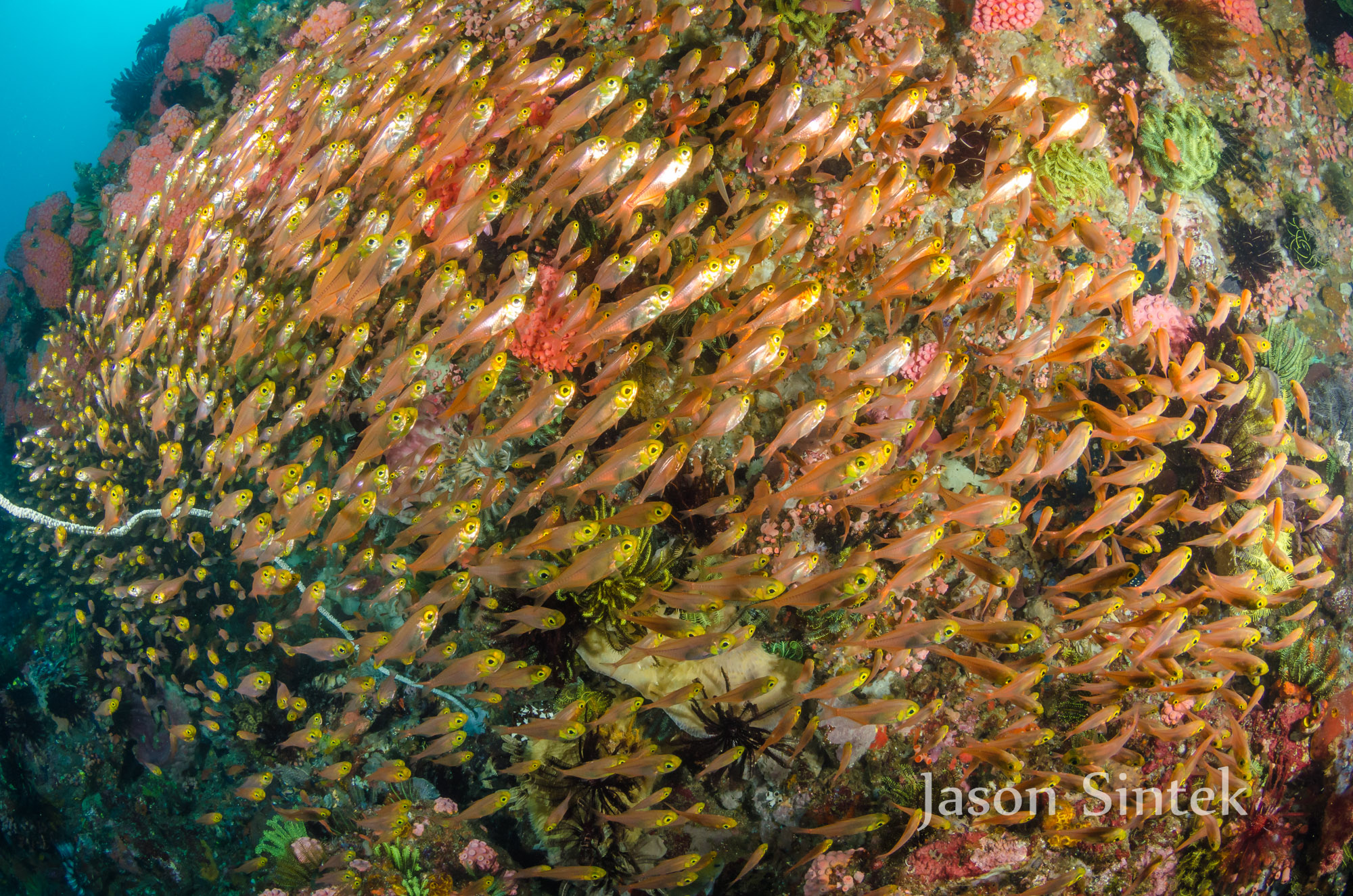
Batu Bolong: One of the most iconic dive sites in Central Komodo. It’s a steep coral pinnacle that rises from deep water to just below the surface. The reef is densely packed with hard and soft corals and attracts a huge variety of marine life. Expect to see large schools of anthias, snappers, fusiliers, and surgeonfish. Turtles are common, and reef sharks often cruise the deeper sections. Napoleon wrasse, giant trevallies, and the occasional barracuda also pass through.
Seven Seas Secret: Another of our signature dives, this hidden gem reveals an outstanding hard coral garden that gently slopes into a pristine stretch of white sand. The reef is alive with action: majestic manta rays gliding through the blue, turtles resting gracefully on the corals, and reef sharks patrolling the edge of the slope. With a touch of luck, you may even encounter one of the ocean’s rarest and most enchanting visitors, the elusive dugong.
After finishing our day, we make our way to the eastern part of Komodo to wrap up the day doing a night dive in Pulau Lassa.
Day 9 – August 21 – LOH LIANG & CENTRAL KOMODO – Komodo National Park
The day begins with an encounter like no other. We start at the ranger station for a guided walk to meet the world-famous Komodo dragons in their natural habitat. Hiking through the rugged terrain not only allows us to observe and understand these legendary creatures up close, but also to discover other unique wildlife such as water buffalo, megapodes, and graceful deer roaming freely across the island. It’s a rare glimpse into a living, prehistoric world.
After this unforgettable adventure on land, we return to the sea. Our dive of the day takes place in Central Komodo, where vibrant reefs and thrilling marine life set the tone for the underwater journey ahead.
To end the day – and this unforgettable journey – we gather on a pristine beach, enjoying delicious snacks and refreshing drinks as the sun sets in a blaze of colors over the horizon. A perfect celebration of adventure, friendship, and the magic of the sea.
Day 10 – August 22 – LABUAN BAJO
For more on the Seven Seas, see: www.thesevenseas.net
Disembarkation. Fly to Bali and transfer to flights home or resorts.