Explore The Wonders Of Indonesia
Komodo – East of Flores & Alor Exploration 12 nights
Explore from Komodo to Alor through Flores
This journey is a true odyssey across some of Eastern Indonesia’s most spectacular and remote waters. Starting among the legendary reefs of Komodo, following the volcanic coastline of Flores, venturing out to isolated islands such as Pulau Komba and Pulau Rusa, and ending among the extraordinary reefs and marine diversity of Alor.
We begin in Komodo National Park, where some of Indonesia’s most celebrated diving sets the stage for the journey ahead. Here, spectacular reefs reveal huge schools of fish, reef sharks, turtles and an extraordinary abundance of marine life, surrounded by vibrant coral gardens and dramatic underwater landscapes. On land, we also have the opportunity to trek through the National Park and encounter the legendary Komodo dragons, guardians of this remarkable archipelago.
From Komodo we turn east, following the quiet and little travelled north coast of Flores. Along the way, the scenery changes and the feeling of exploration grows stronger as we leave the busier routes behind. At Kulambu Bay, the focus shifts towards the smaller inhabitants of the reef, with excellent macro diving and the chance to find seahorses and a fascinating variety of unusual critters. Remote beaches and sandbanks provide beautiful places to step ashore, swim and watch the sun disappear behind the volcanic silhouettes of Flores.
As we continue east, we take a break from the underwater world for one of the great land experiences of the journey: Kelimutu National Park. Travelling inland through the lush highlands of Flores, we reach the famous three coloured volcanic lakes, surrounded by forest, mountain scenery and traditional villages. It is a completely different side of Indonesia and one of the highlights of travelling through this extraordinary island by sea.
Our route then takes us towards Pulau Komba, an isolated volcanic island rising dramatically from the surrounding sea. Here, the volcanic origins of the region continue beneath the surface, creating fascinating underwater landscapes and a very different diving environment. From there we continue to Pulau Rusa, another remote island surrounded by beautiful reefs and rarely visited waters, where the feeling of being far away from Indonesia’s more established diving routes becomes even stronger.
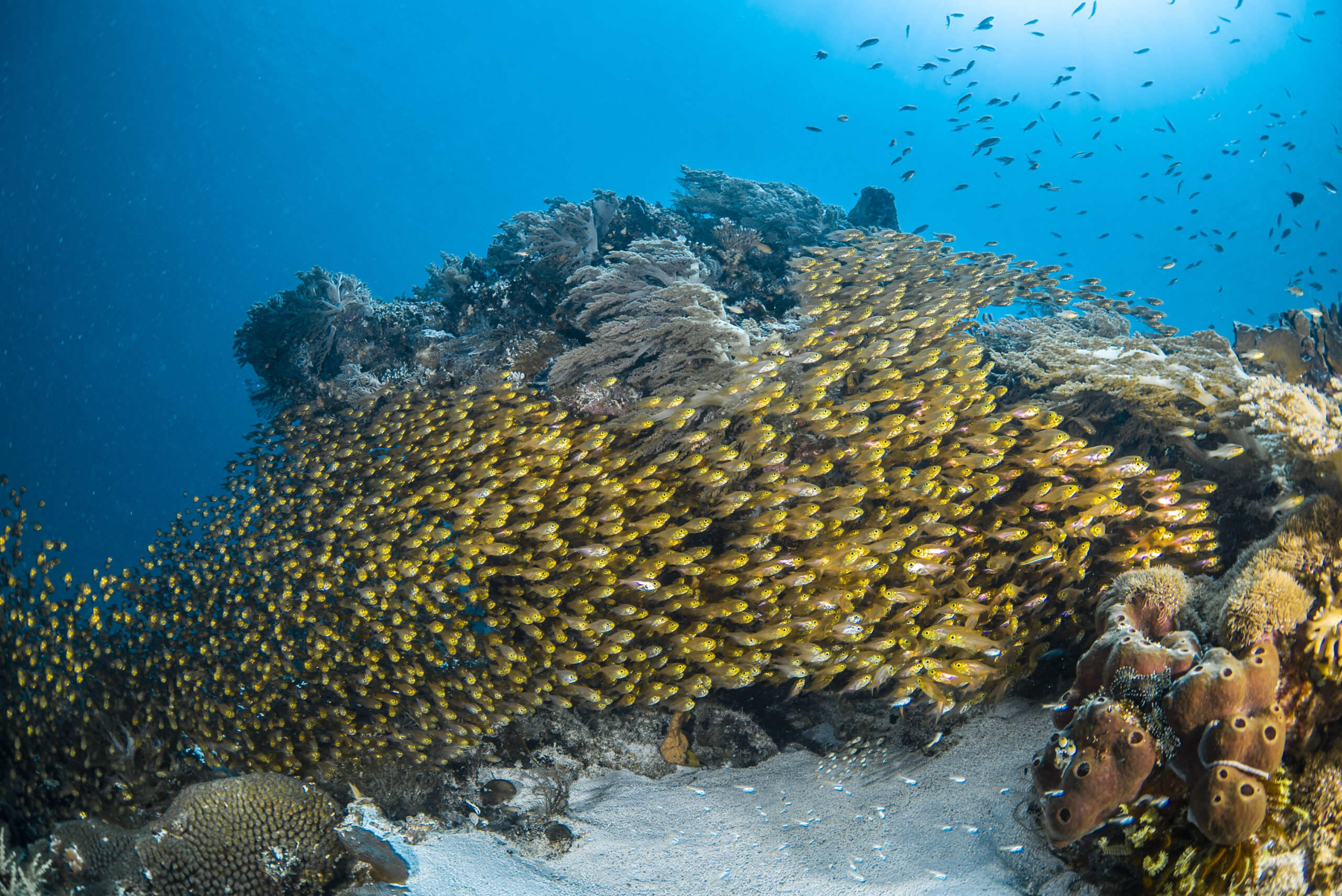
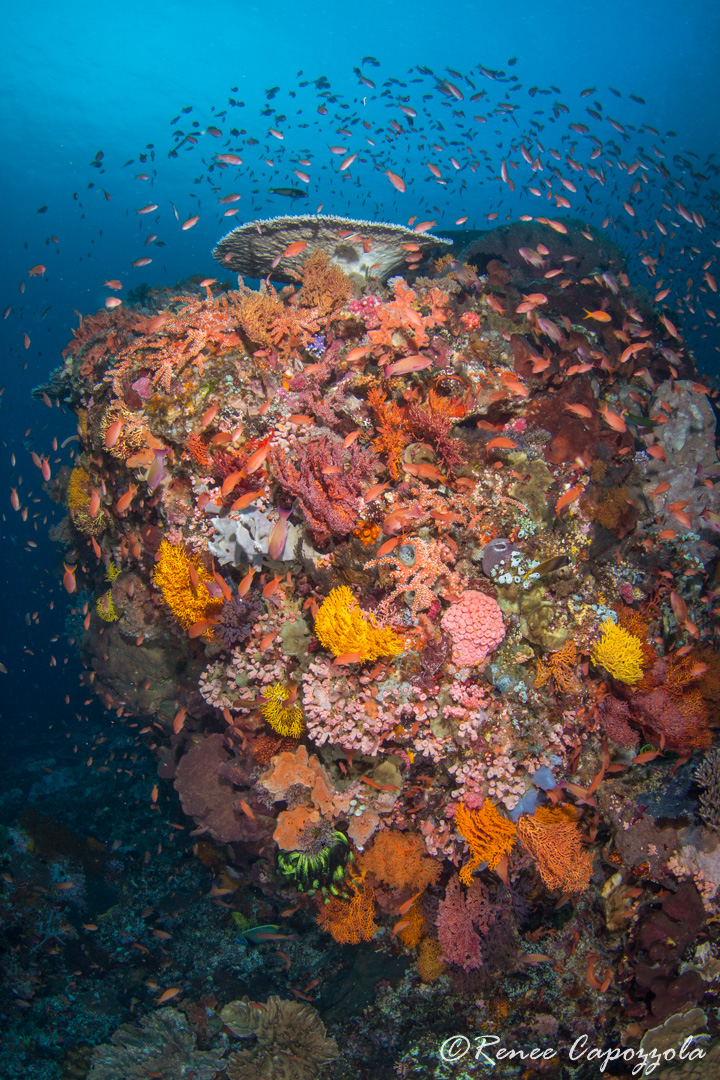
Finally, we enter the Alor region, where spectacular coral reefs, dramatic walls and an extraordinary diversity of marine life provide a fitting finale to the expedition. Schooling fish, beautiful coral gardens, reef life and exceptional underwater scenery make every dive different as we explore this remote corner of the Indonesian archipelago.
Our journey eventually brings us into Kalabahi Bay, where we enjoy our final dives and snorkeling sessions before the adventure comes to an end. After travelling all the way from Komodo through Flores and into Alor, it is the perfect place to finish a voyage that has constantly changed character from one region to the next.
From the legendary reefs and dragons of Komodo to the volcanic landscapes of Flores, from remote islands and hidden macro sites to the spectacular coral reefs of Alor, this expedition brings together an extraordinary variety of Indonesia in a single journey, where every day reveals something different, above and below the surface.
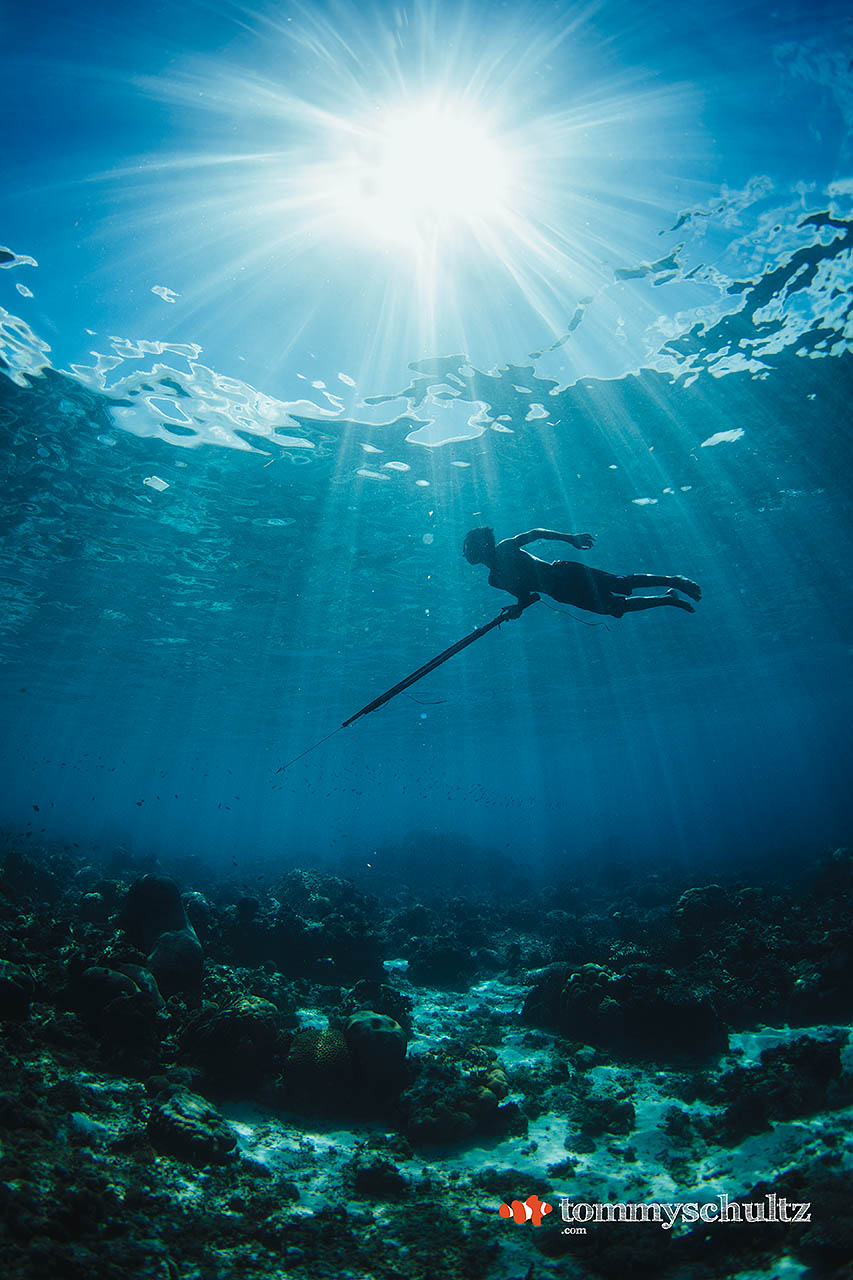
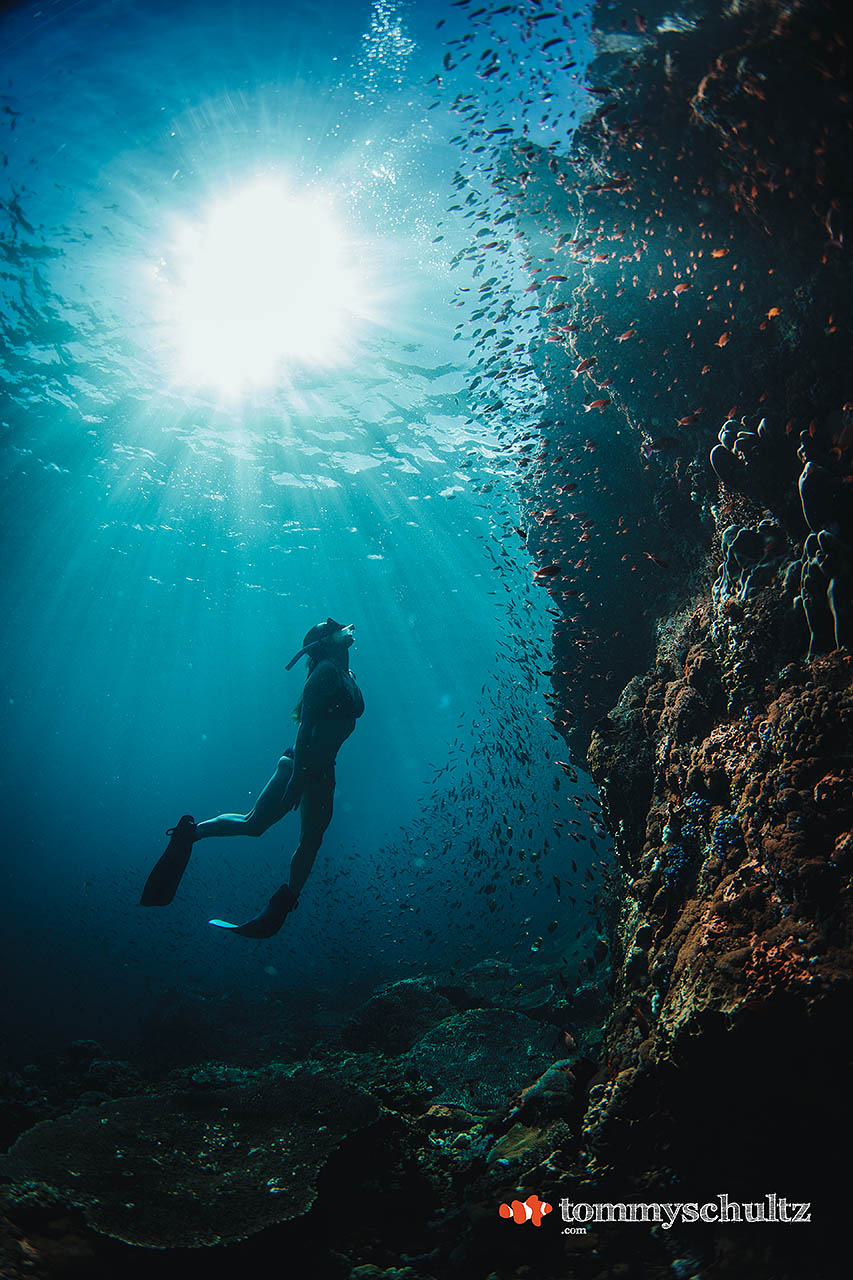
A journey through the best of Eastern Indonesia
We begin in North and Central Komodo, where crystal clear waters and vibrant coral reefs are home to an extraordinary abundance of marine life. Here we also go ashore for a trek to see the famous Komodo dragons, one of the highlights of any journey through the National Park.
After exploring Komodo, we set course east towards Flores, following the quiet and little travelled north coast of Flores. This is where the journey begins to feel increasingly remote, combining beautiful scenery, small coastal communities and dive sites rarely visited by other liveaboards.
Along the way we reach Kulambu Bay, a hidden area known for high quality macro diving, where seahorses and other unusual critters can often be found. Just a couple of hours from Kulambu, we can also stop at a remote sandbank, a beautiful place to relax, swim and enjoy the sunset.
As we continue east, we leave the boat for a full day excursion inland to Kelimutu National Park, home to the famous three coloured volcanic lakes. The journey into the highlands takes us through lush landscapes and traditional villages before reaching one of Flores’ most remarkable natural landmarks.
From Flores, we continue towards increasingly remote waters and Pulau Komba, an isolated volcanic island rising dramatically from the sea. The diving here offers a fascinating reminder that this entire region has been shaped by volcanic activity, with the opportunity to explore underwater landscapes around the volcano and experience another very different side of Eastern Indonesia.
Continuing east, we reach Pulau Rusa, another remote island that offers beautiful diving and a genuine sense of exploration. Far from the busier routes of Komodo, this part of the journey is about discovering reefs and islands that very few visitors to Indonesia ever get the chance to experience.
We then enter the Alor region, one of the most spectacular and diverse diving areas in Eastern Indonesia. Beautiful coral reefs, walls, schooling fish and an extraordinary variety of marine life make Alor a fitting finale to a journey that has taken us all the way from Komodo across Flores and into the eastern reaches of the archipelago.
Our final day brings us into Kalabahi Bay, where we can enjoy our last dives or snorkeling sessions before bringing this remarkable journey across Eastern Indonesia to an end.
From the legendary reefs and dragons of Komodo to the volcanic islands, remote coastlines and extraordinary marine diversity of Alor, this is a true journey across some of the most beautiful and least travelled parts of Eastern Indonesia.
Komodo to Alor, From legendary manta sites and vibrant reefs to remote volcanic islands, pristine coral gardens, and the extraordinary biodiversity of Eastern Indonesia.
Tentative Itinerary
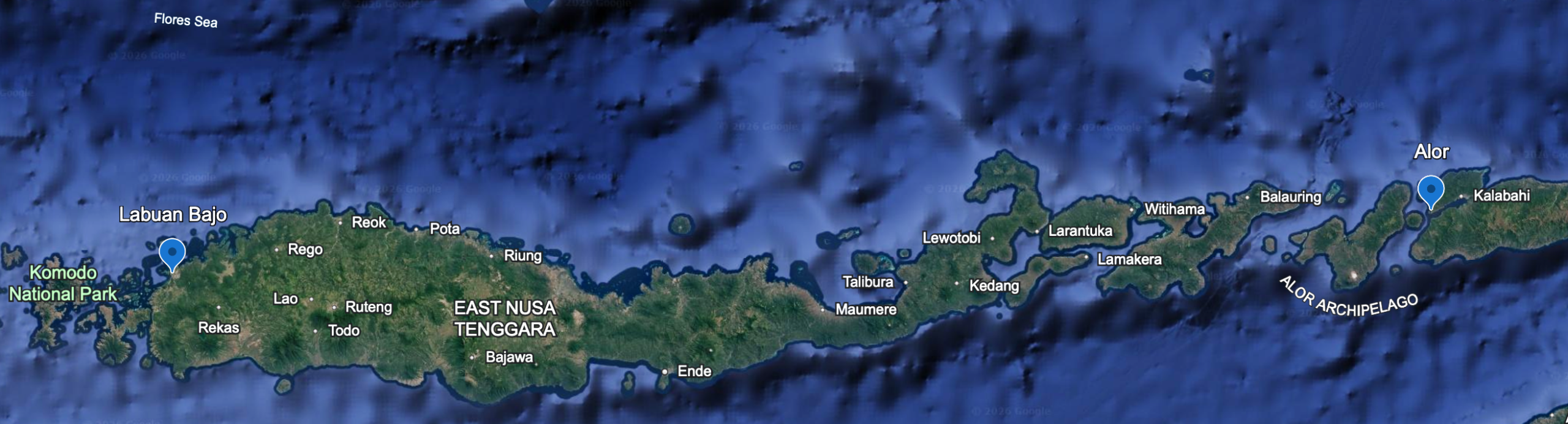
The itinerary may be adjusted at the discretion of the captain and cruise director based on weather conditions, which can sometimes be unpredictable, as well as the group’s overall experience. The goal is to offer the best possible diving and snorkeling sites according to the group’s interests and skill levels.
Day 1 - KOMODO - Sebayor
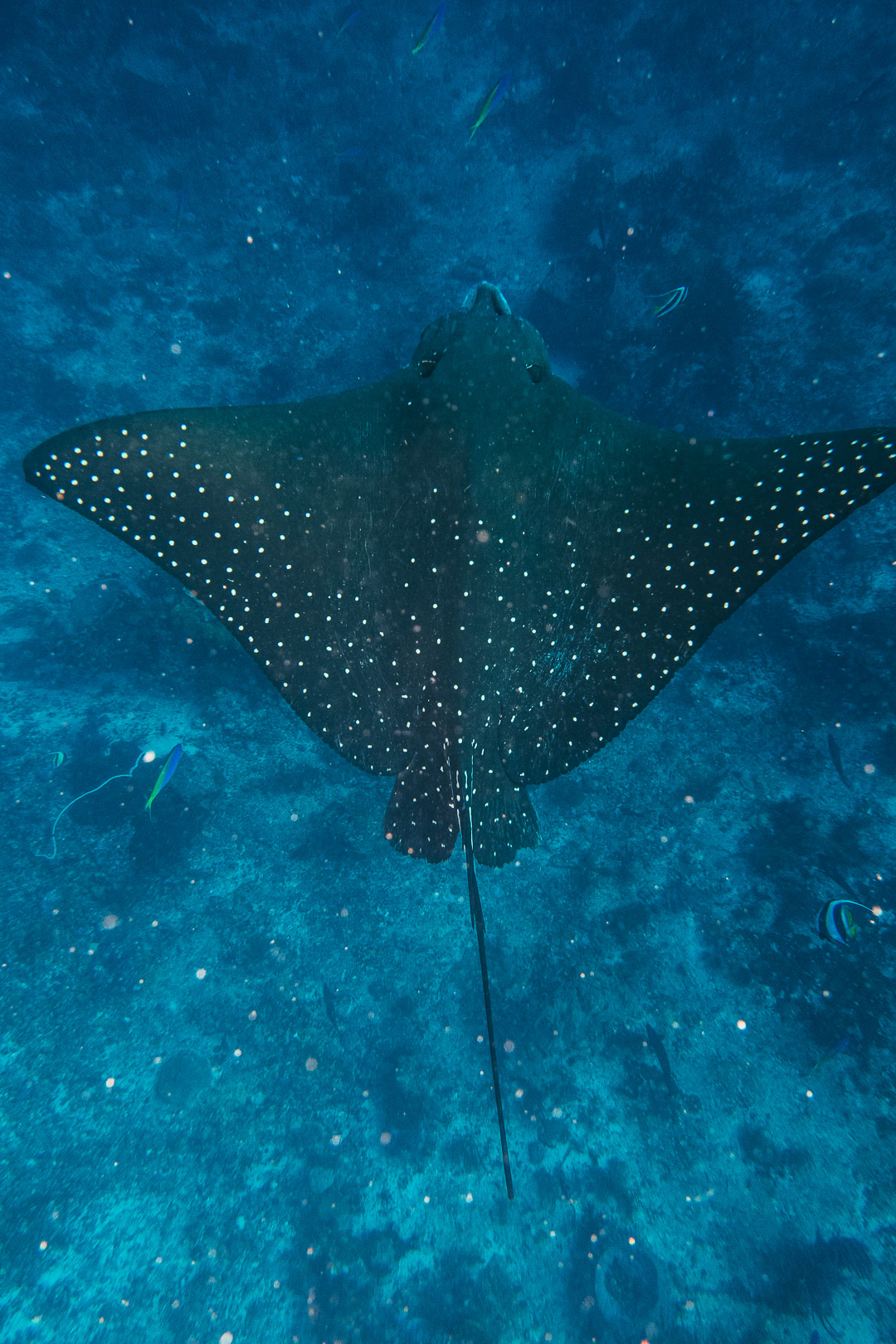
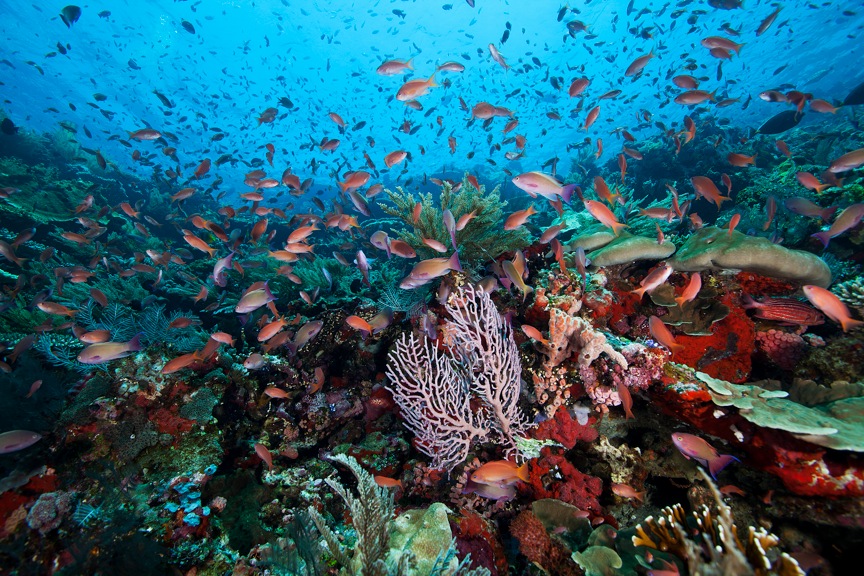
Flight to Labuan Bajo. Transfer to the Seven Seas, setting up gear meanwhile we are steaming out and afterwards we’ll do a general briefing, after some refreshments and lunch and we’ll do our check out dive. The perfect check dive doesn’t exist… well, maybe it does in Sebayor. This site is as close to ideal as it gets for your first dive of the trip. A vibrant top reef teeming with anthias and damsels sets the scene, while gently sloping reefs are lined with hard corals and buzzing with life. Schools of yellow snapper drift along the reef, green and hawksbill turtles make regular appearances, and if you’re lucky, you might even spot an eagle ray cruising by in the blue. Great visibility and an explosion of color make this a relaxed and satisfying start to your diving adventure.
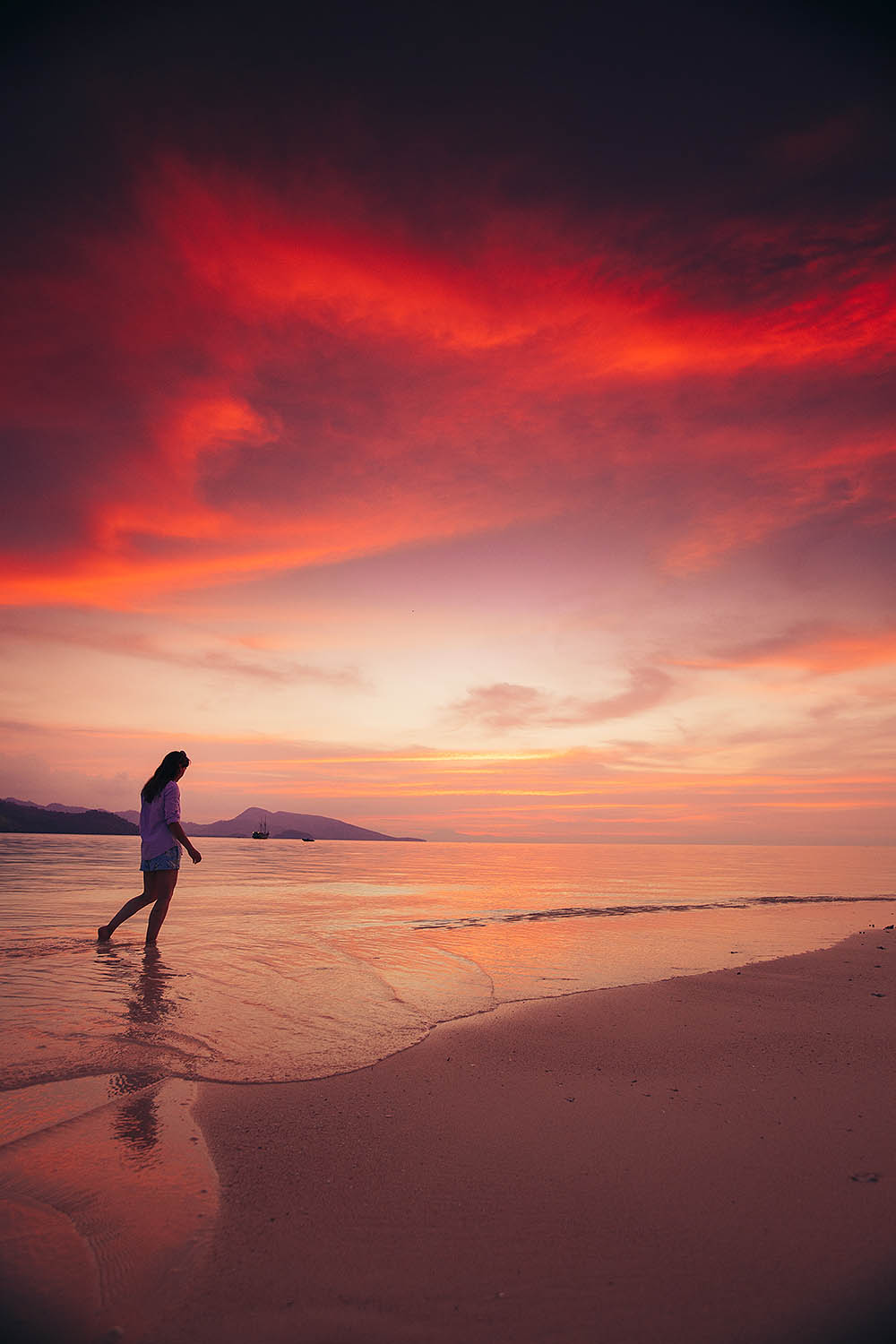
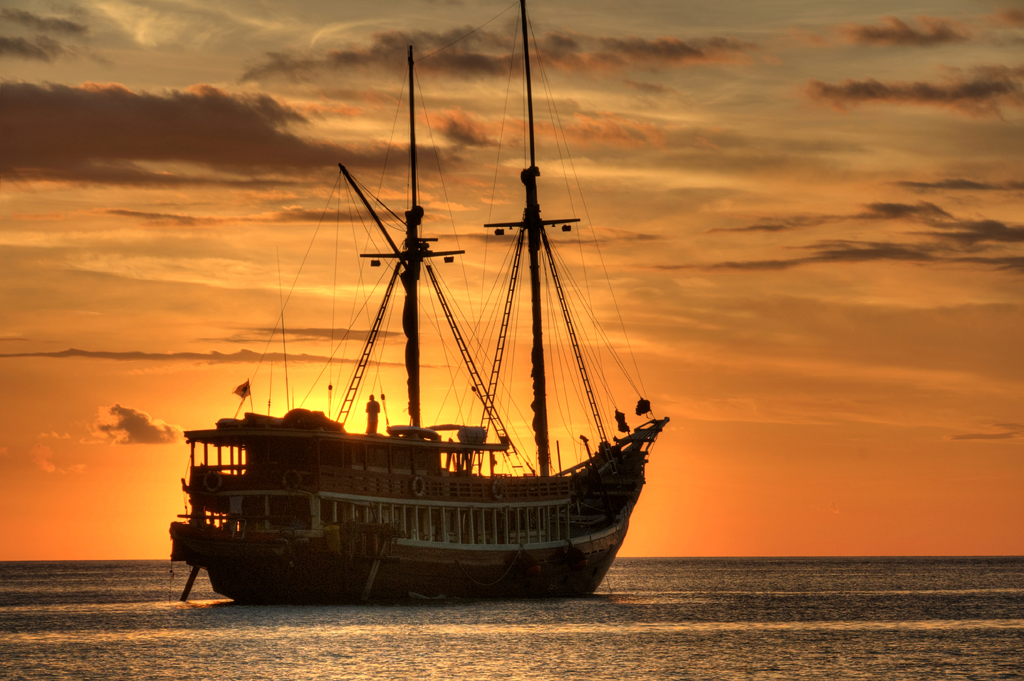
And as if that wasn’t enough, after our check dive we’ll head to a pristine beach, where refreshing drinks and tasty snacks await us. With the sun melting into the horizon and the ocean glowing in golden light, it’s the perfect way to celebrate the beginning of our adventure.
Day 2 - KOMODO - Central KNP
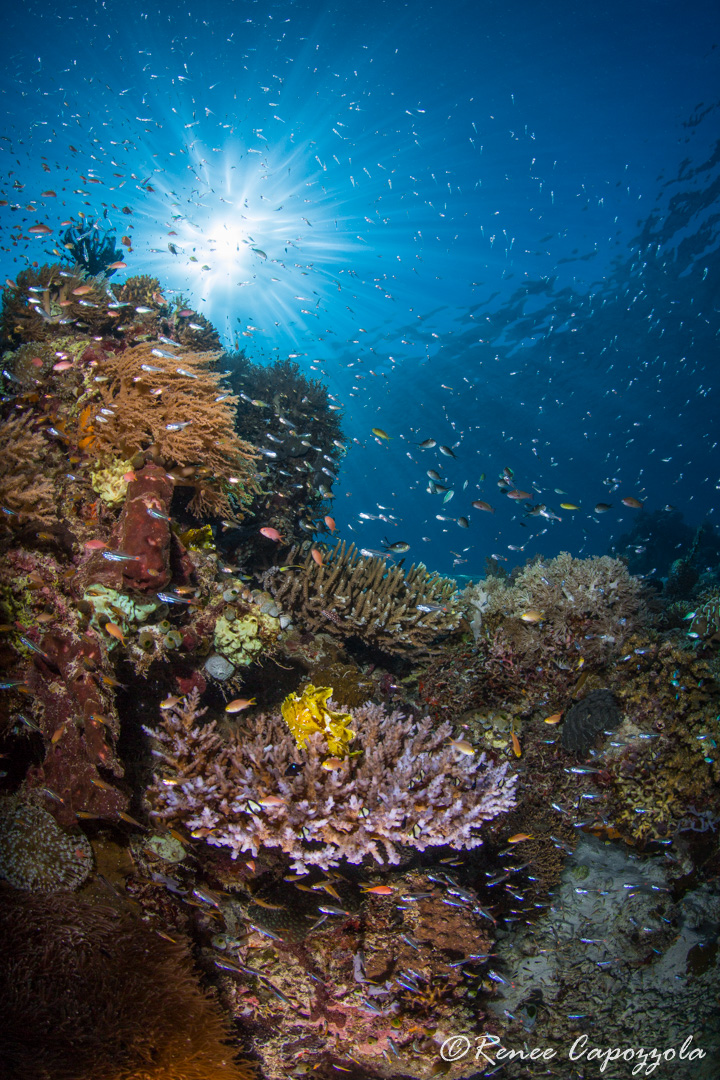
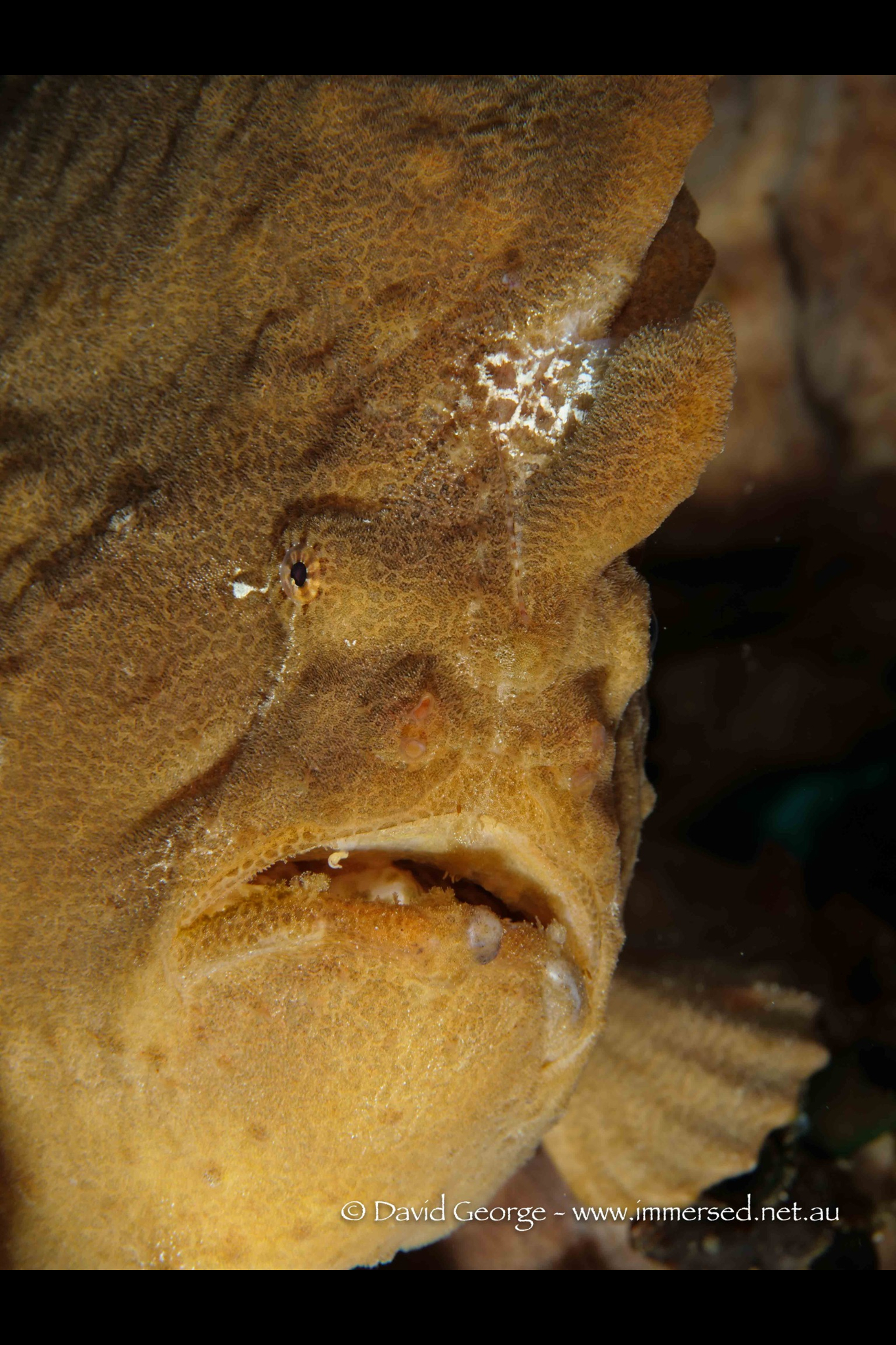
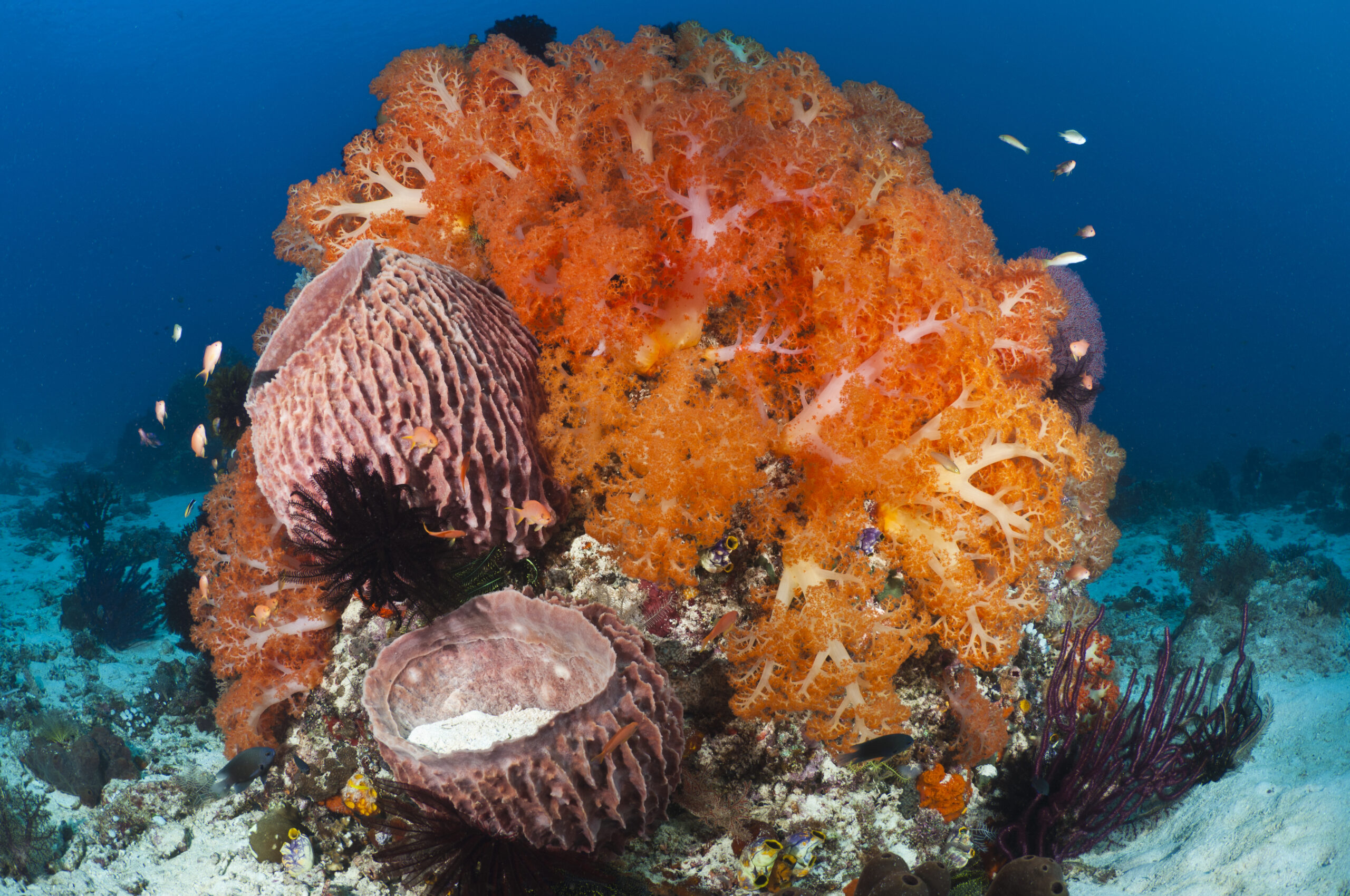
Central Komodo stands out as one of Indonesia’s premier diving locations, offering a diverse underwater environment with excellent coral health, a wide range of marine species. The region features everything from easygoing reef dives to more advanced sites with strong currents and larger marine creatures. Dive locations in Central Komodo include coral slopes, reef walls, sandy bottoms, and pinnacles. From macro subjects like nudibranchs and frogfish to large marine animals such as manta rays and reef sharks.
Some of the dives sites that we might do are:
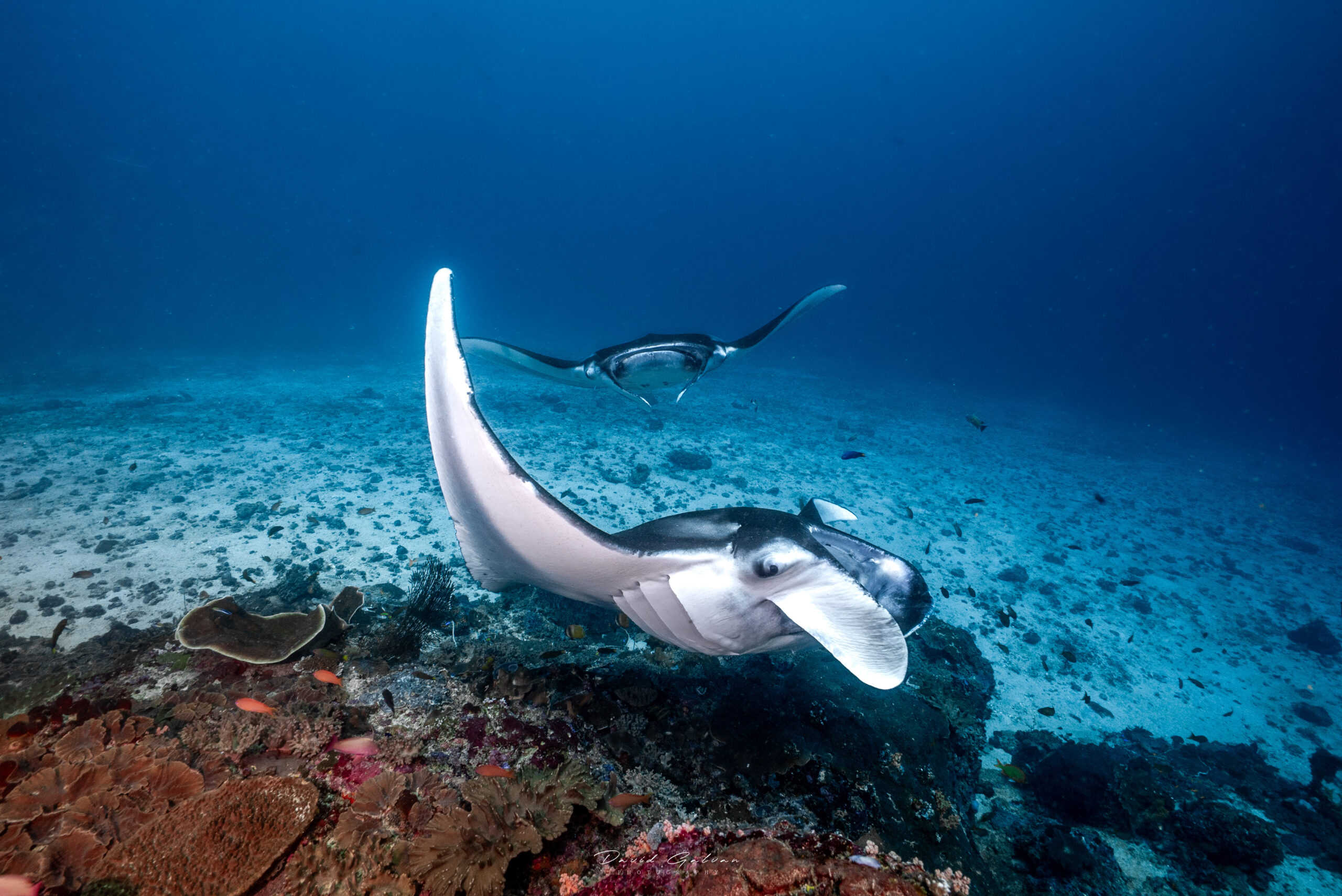
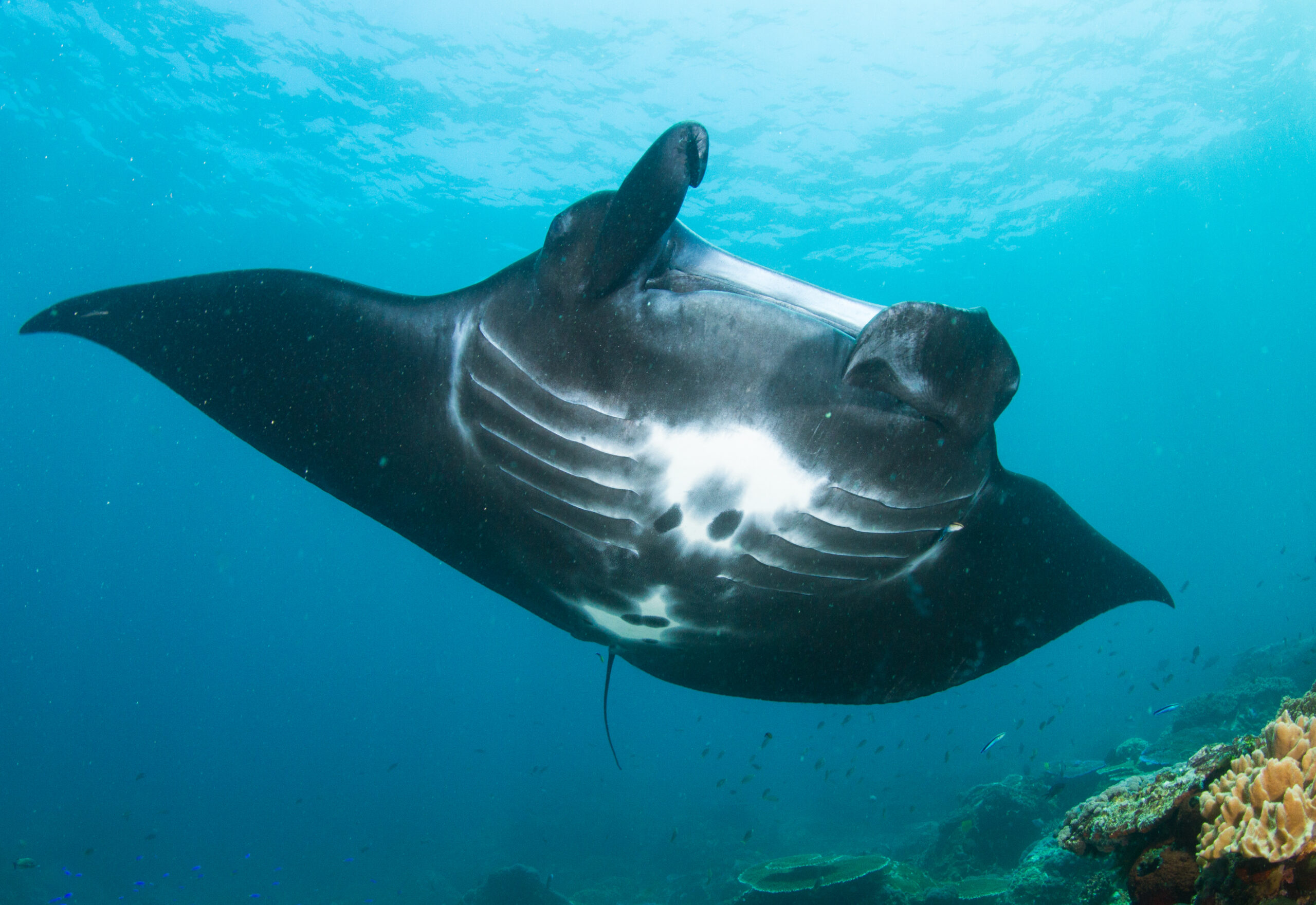
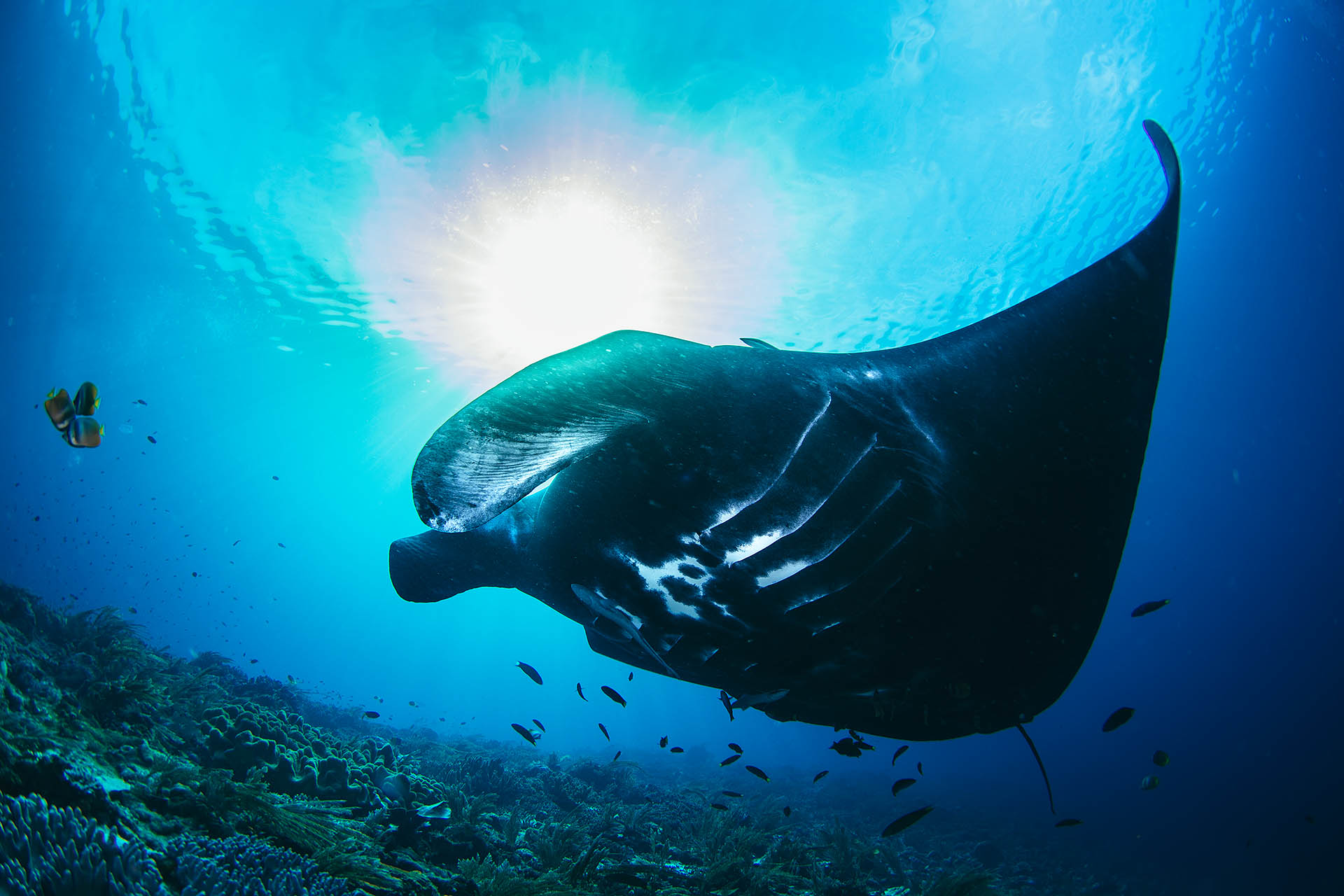
Karang Makassar (Manta Point): A broad, shallow reef known for frequent manta ray encounters, especially during rising tides when they come to cleaning stations. A relaxed drift dive with sandy patches and scattered coral bommies.
Tatawa Besar: An easygoing drift dive with vibrant soft corals, large schools of fish, and regular sightings of turtles.
Tatawa Kecil: A site for more advanced divers, featuring complex coral topography, swim-throughs, and stronger currents. It’s a good place to see larger fish like trevallies and the occasional shark.
Siaba Besar: A sheltered bay with minimal current and shallow depths. Expect encounters with turtles, cuttlefish, and large groups of reef fish.
Batu Bolong: One of the most iconic dive sites in Central Komodo. It’s a steep coral pinnacle that rises from deep water to just below the surface. The reef is densely packed with hard and soft corals and attracts a huge variety of marine life. Expect to see large schools of anthias, snappers, fusiliers, and surgeonfish. Turtles are common, and reef sharks often cruise the deeper sections. Napoleon wrasse, giant trevallies, and the occasional barracuda also pass through.
Seven Seas Secret: Another of our signature dives, this hidden gem reveals an outstanding hard coral garden that gently slopes into a pristine stretch of white sand. The reef is alive with action: majestic manta rays gliding through the blue, turtles resting gracefully on the corals, and reef sharks patrolling the edge of the slope. With a touch of luck, you may even encounter one of the ocean’s rarest and most enchanting visitors, the elusive dugong.
Day 3 - KOMODO - Gili Lawa
Located in the northeast of Komodo Island, Gili Lawa is one of the most iconic dive destinations in the national park, offering some of the region’s top underwater adventures. Known for its warm, clear waters and rich marine life. Above water, the hills of Gili Lawa provide stunning panoramic views, making it a favorite for both divers and snorkelers.
Castle Rock: An underwater seamount attracting action-packed marine life thanks to steady currents. Divers can expect to encounter dense schools of predatory fish like giant trevallies, Napoleon wrasse and big groups of surgeonfish , along with reef sharks patrolling the area. The top of the site is shallower and covered in healthy coral, perfect for a slower finish to the dive.
Crystal Rock: A vibrant reef that rises close to the surface, offering excellent visibility and lots of fish traffic. This site is full of movement—snapper, sweetlips, and jacks are common, often swirling in the current. The sheltered side is ideal for exploring colorful hard coral formations and spotting smaller reef species.
The Cauldron (Shotgun): A thrilling drift through a narrow channel between two islands.Timing is key here, so dives are usually planned around tidal flow. Watching the sunset from a secluded beach or hiking to a scenic viewpoint are also popular activities in the area, offering a perfect way to end the day after diving.
Day 4 - KOMODO - Ranger Station in North KNP & Sebolon
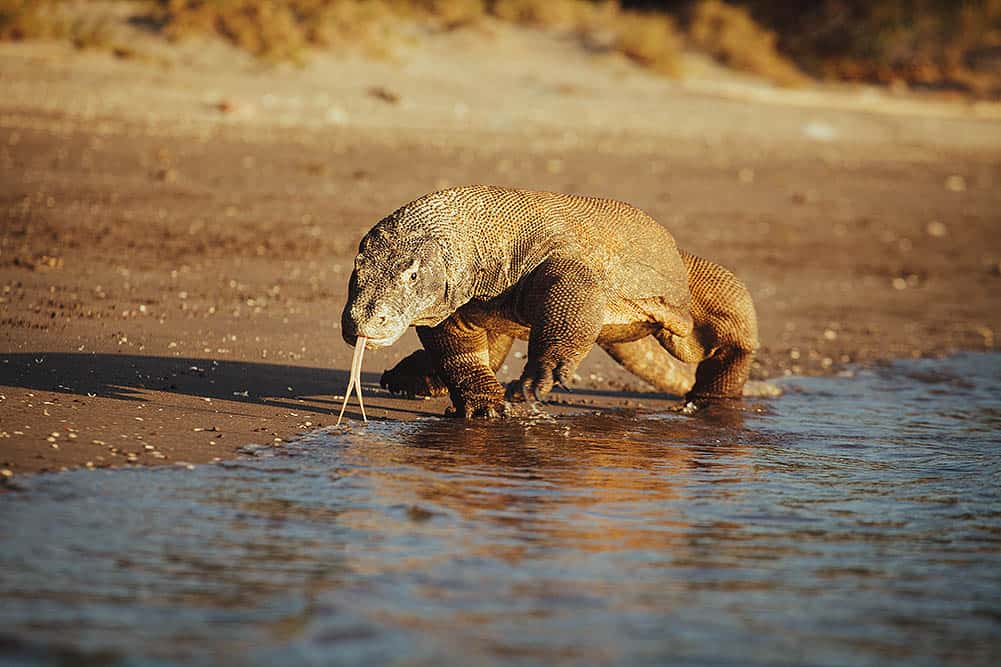
The day begins with an encounter like no other. We start at the ranger station for a guided walk to meet the world-famous Komodo dragons in their natural habitat. Hiking through the rugged terrain not only allows us to observe and understand these legendary creatures up close, but also to discover other unique wildlife such as water buffalo, megapodes, and graceful deer roaming freely across the island. It’s a rare glimpse into a living, prehistoric world.
After this unforgettable adventure on land, we return to the sea. Our first dive of the day takes place in Central Komodo, where vibrant reefs and thrilling marine life set the tone for the underwater journey ahead. As we continue sailing east, the day’s highlight awaits at Sebolon, where we drop in for our third dive. Here, calm crystal-clear waters and pristine coral gardens teem with schools of reef fish, turtles gliding effortlessly, and the occasional pelagic visitor – the perfect way to end a day filled with exploration both above and below the surface.
Day 5 – KULAMBU - Flores Sea
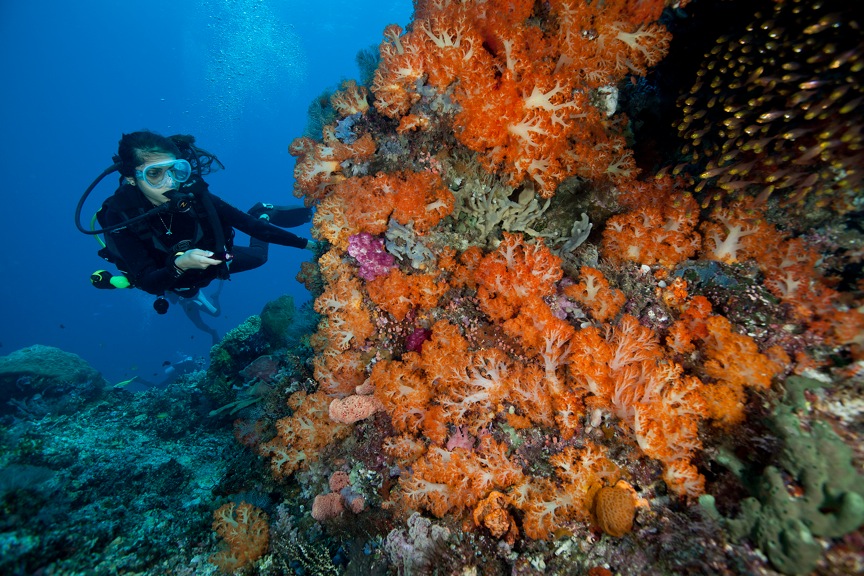
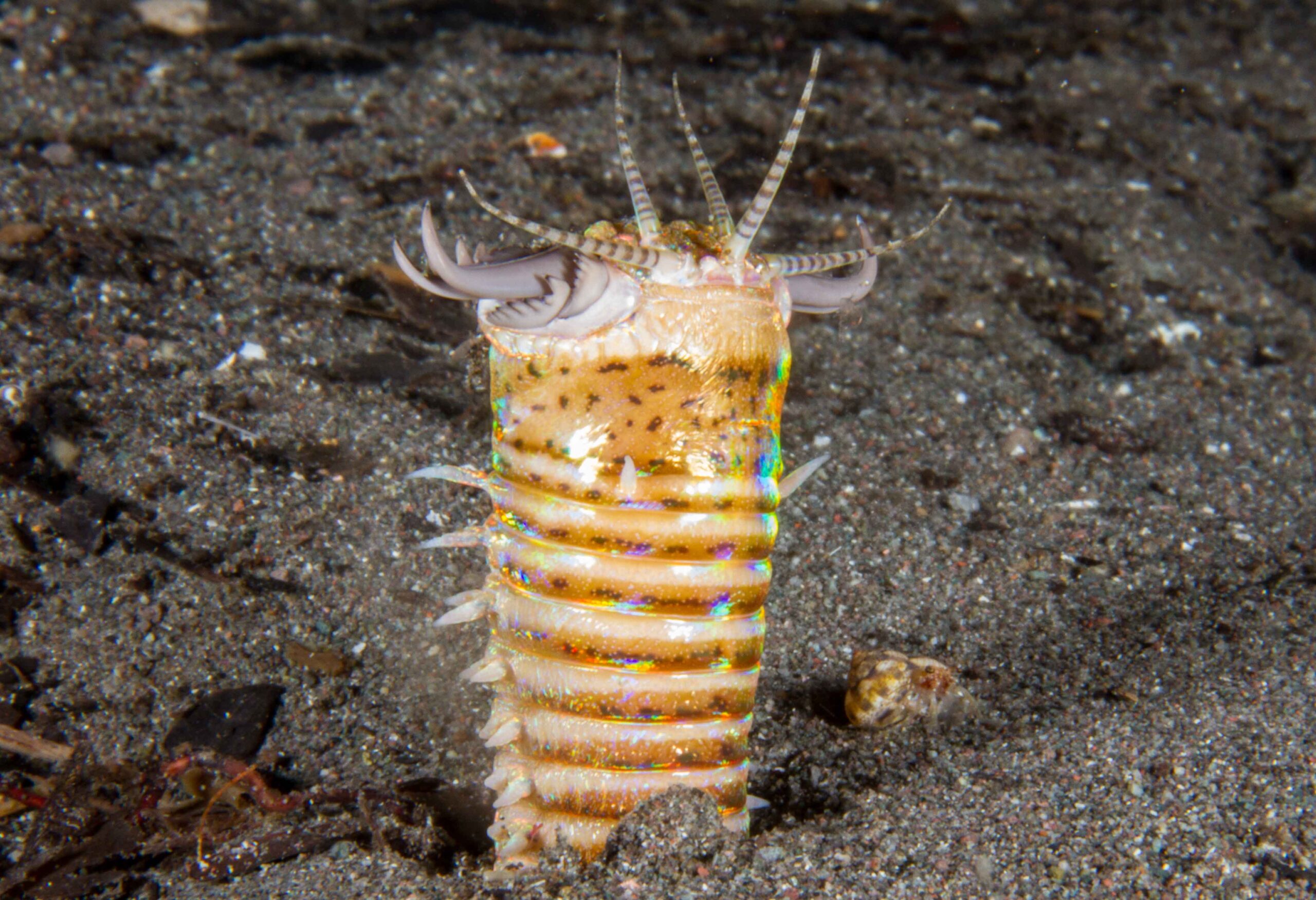
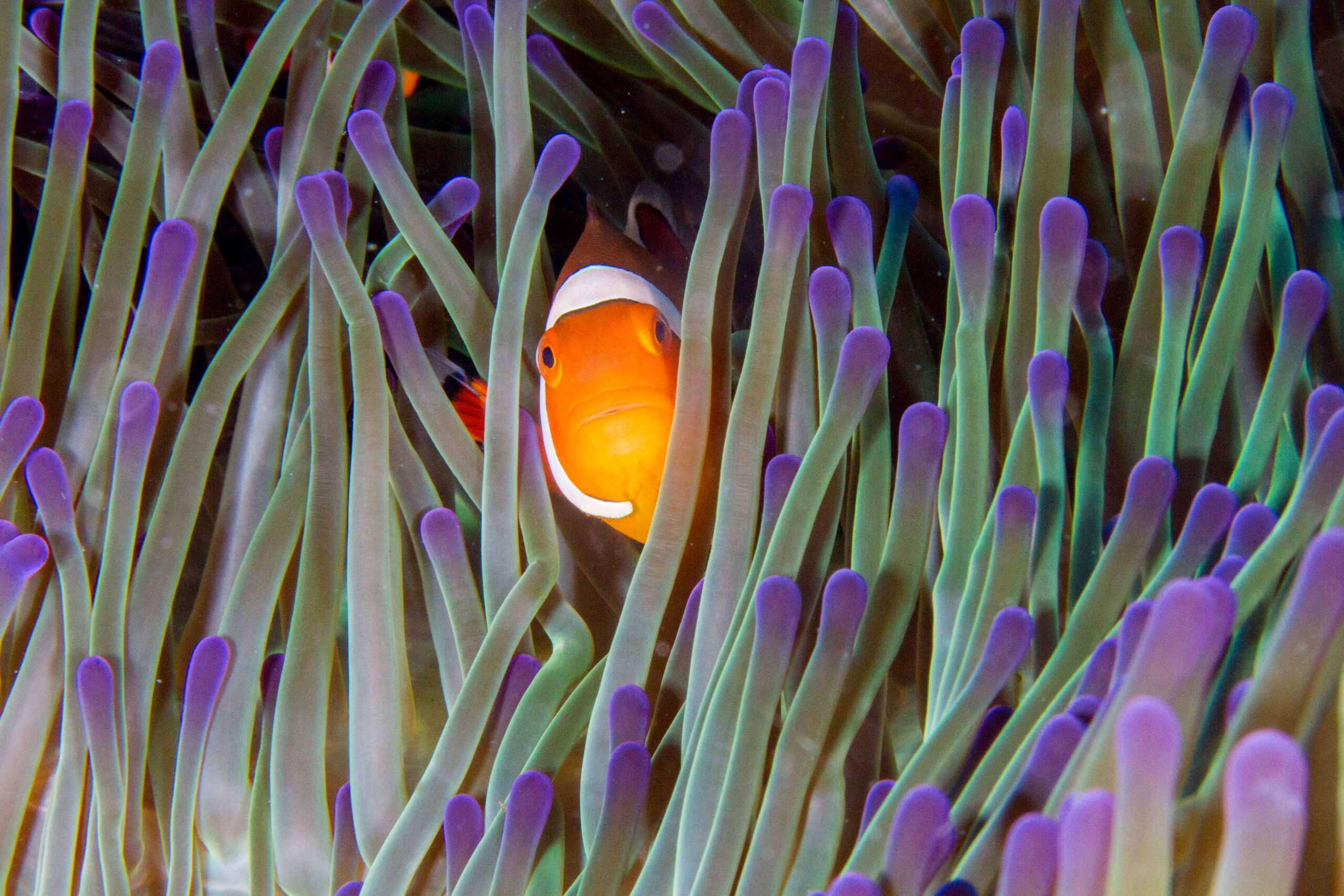
Kulambu Bay in Flores offers an extraordinary playground for macro enthusiasts. Tucked inside the bay, a gently sloping black sandy reef creates the perfect habitat for a fascinating array of critters. This unique environment hides countless treasures waiting to be discovered by keen-eyed divers.
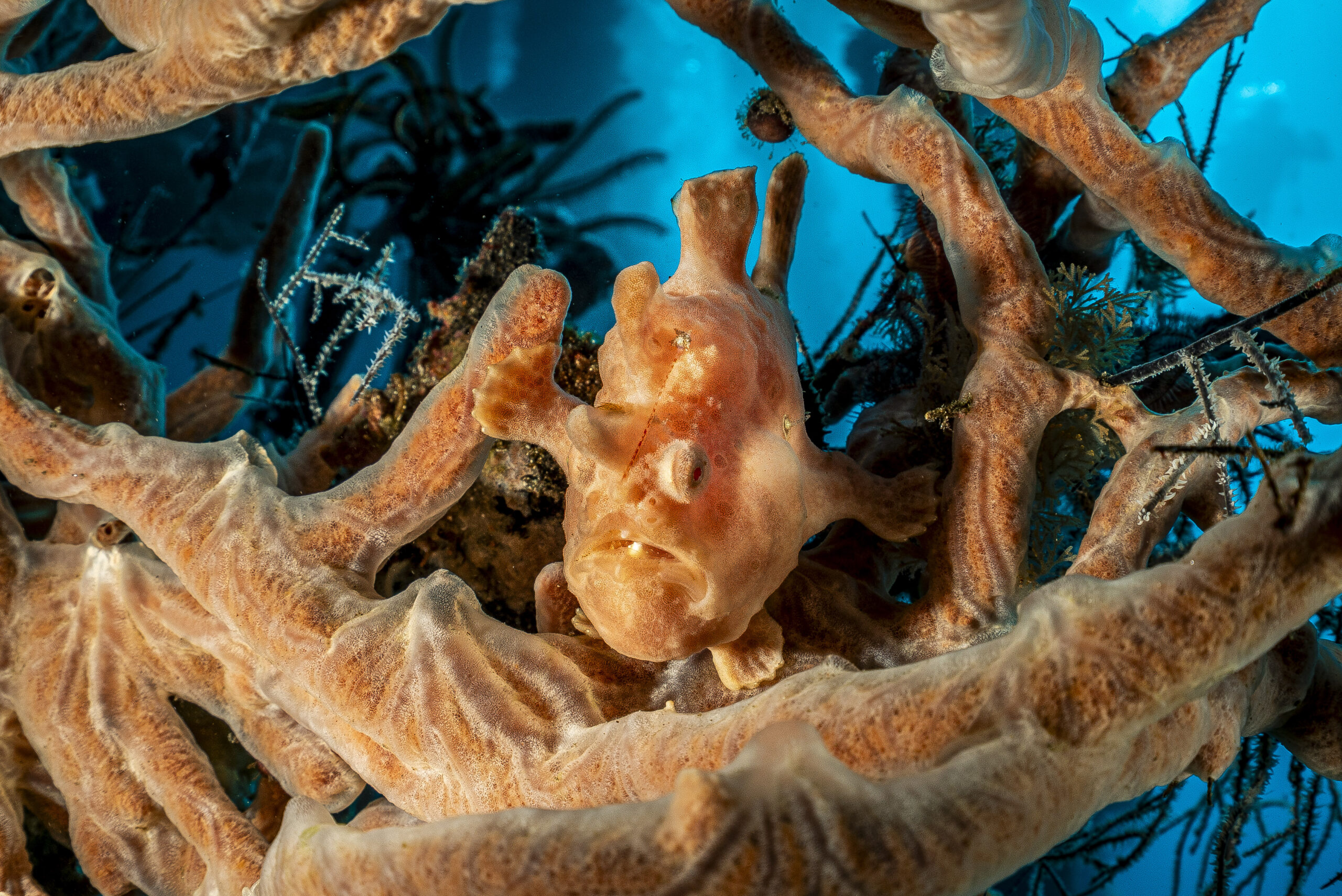
Here you can spot the elegant ornate ghost pipefish drifting among feather stars, or the quirky frogfish perfectly camouflaged against the sand. Bright fire sea urchins shelter rare companions like Coleman’s shrimps and striking zebra crabs, while the reef also reveals an astonishing variety of decorated crabs, each more unusual than the last. If you look closely, graceful seahorses can often be found clinging to sea fans, adding to the bay’s magical atmosphere.
Kulambu Bay is a dream for photographers and critter lovers alike, a place where every dive feels like a treasure hunt, full of rare encounters and unforgettable details beneath the surface.
After a couple of dives, the Seven Seas will continue eastward, sailing through waters renowned as a migratory corridor for some of the ocean’s most majestic creatures. This is prime territory for whale watching, with the chance to encounter sperm whales, pods of dolphins, and even melon-headed whales along the way.
Day 6 - NORTH COAST OF FLORES - Tanjung Sada & Kelimutu National Park
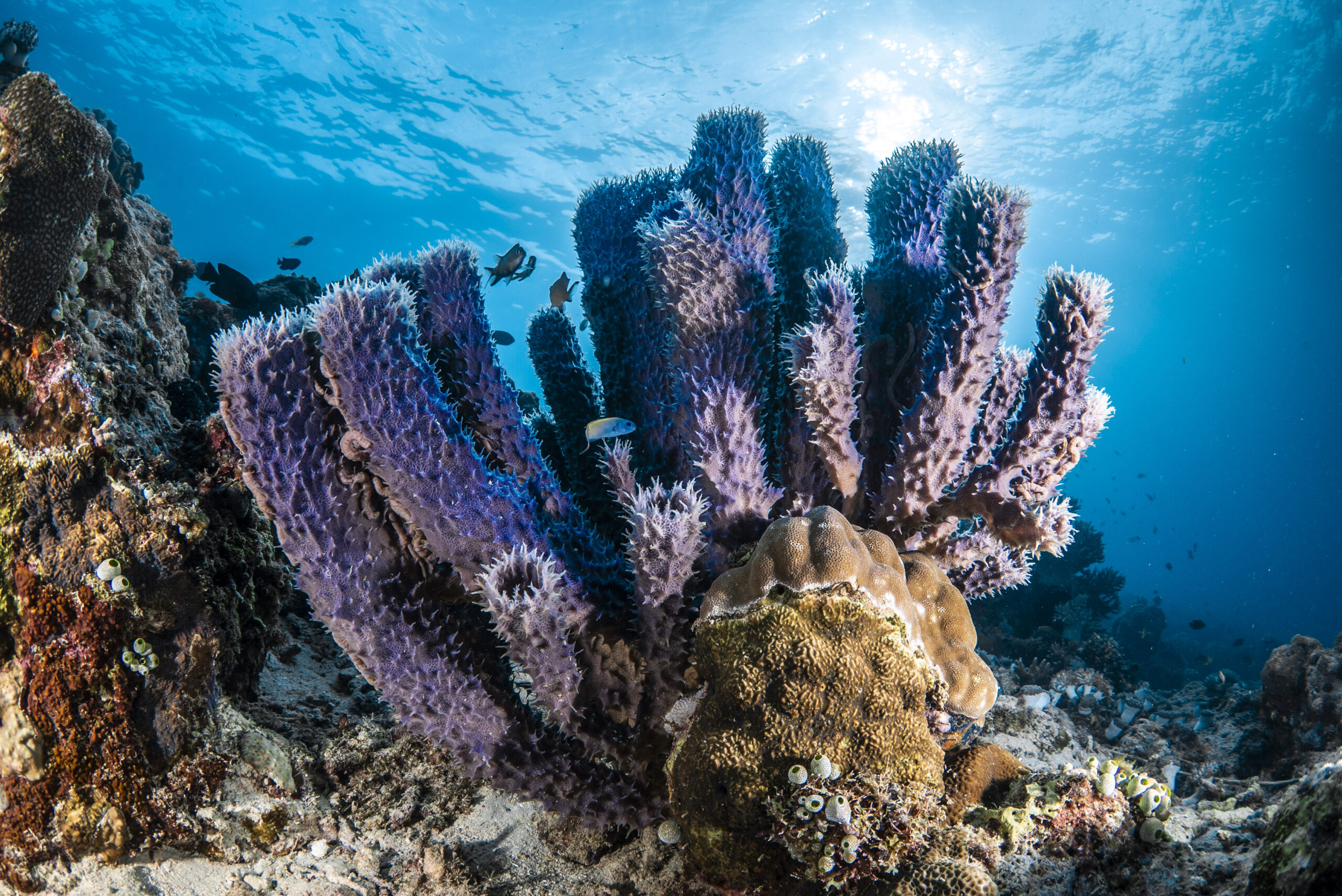
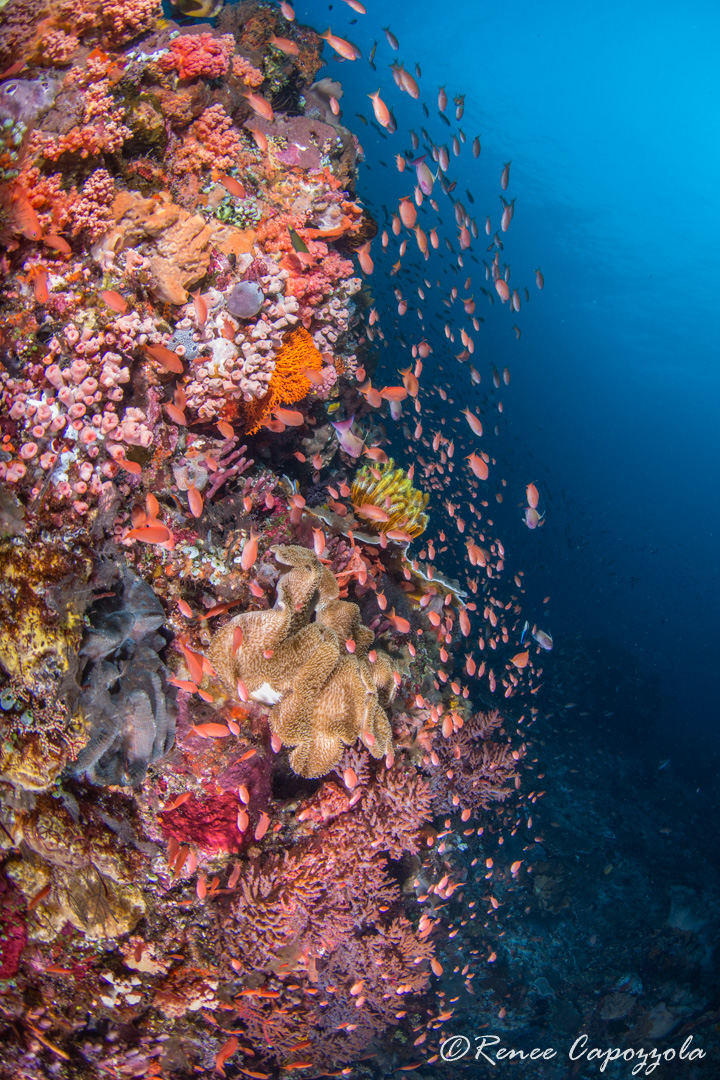
A spectacular underwater plateau that suddenly plunges into a dramatic drop-off, Tanjung Sada is one of the true hidden gems of East Flores. The top of the plateau is dotted with vibrant coral bommies, alive with reef fish and bursting with color. As you drift toward the tip, the reef transforms into a mini seamount rising to just 18 meters, cloaked in giant sea fans, barrel sponges, and thriving coral growth.
This site is as rich in marine life as it is in structure: pygmy seahorses hide in the fans, while the blue water just beyond the drop-off often comes alive with schools of rainbow runners, barracuda, surgeonfish, and hunting reef sharks. The combination of shallow bommies, dramatic walls, and the seamount at the tip creates a dive packed with variety and constant surprises.
So exciting is Tanjung Sada that on discovery dives here, we often go back for a second drop, just to take it all in again, exploring new corners, searching for more critters, and watching the pelagics cruise by in the deep blue.
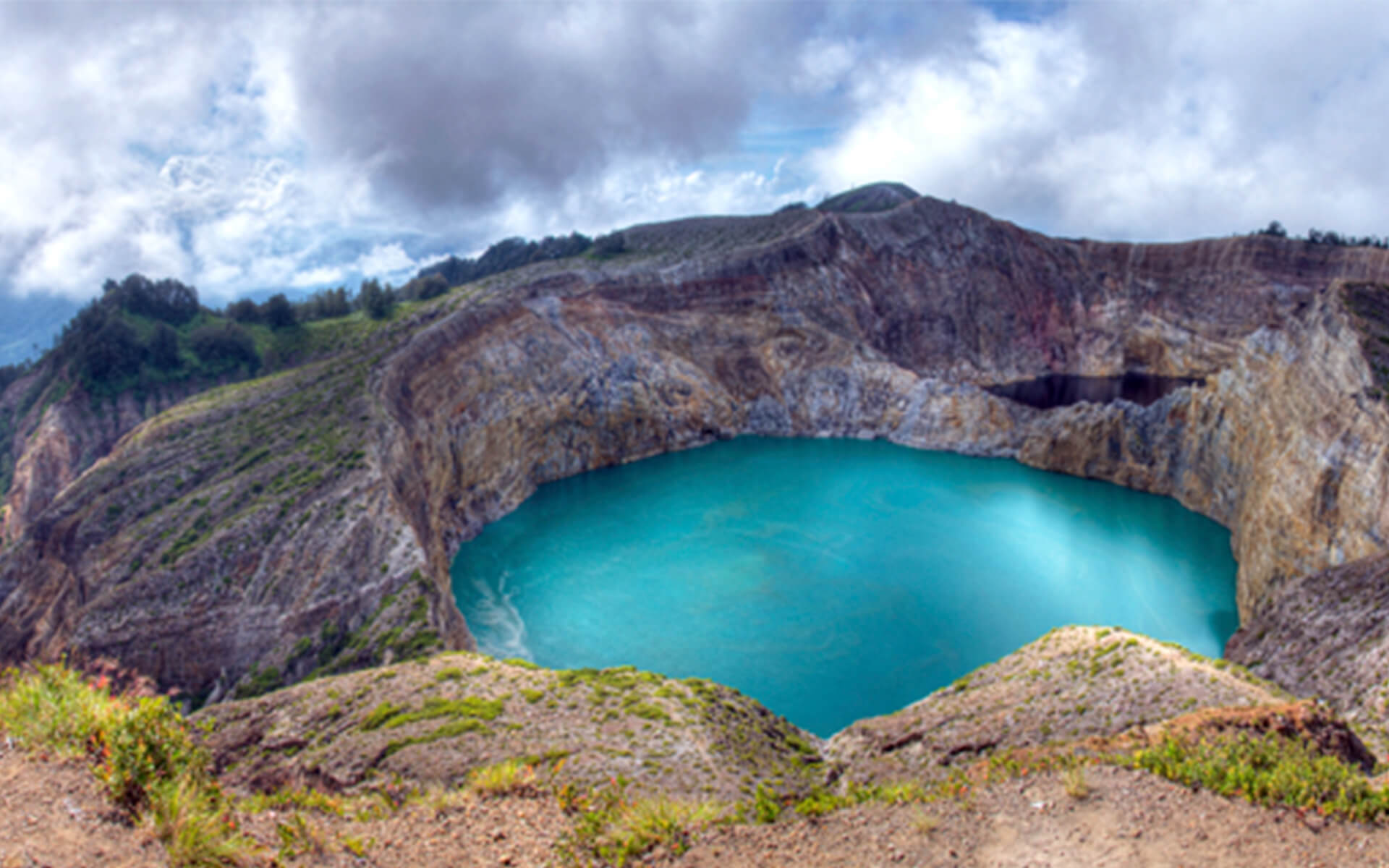
High in the mountains of Flores lies one of Indonesia’s most breathtaking natural wonders: the three-colored lakes of Kelimutu. Each lake shimmers in a different hue, from turquoise to deep green to even chocolate brown, and their colors change over time, creating an ever-shifting, mystical landscape.
The journey begins with a scenic hike to the summit. As the sun shines, the light unveils the dramatic craters, painting the lakes in vibrant colors and revealing a panorama that feels almost otherworldly. Beyond its beauty, Kelimutu is steeped in legend. Locals believe the lakes are resting places for souls, making this not just a spectacular sight, but a deeply spiritual experience.
A visit to Kelimutu is more than a hike, it’s a moment of awe and wonder, where nature and culture meet in perfect harmony.
Day 7 - IPET
Ipet Island, diving, beach and flying foxes.
Ipet and Watu Peni coastal zone is located on the northeastern coast of Adonara Island, next to the deep channel that separates Adonara from Lembata. The coastline features steep slopes and rocky outcrops, with the seafloor dropping rapidly into deep water. The area is shaped by volcanic activity.
A pearl farm operates near Ipet. It produces Akoya or South Sea pearls using suspended lines and baskets in protected reef zones. The farm supports the local economy and helps limit boat traffic and fishing activity in the surrounding area. The strait is part of a migration route for blue whales, which pass through the area seasonally — mainly between September and December, and March to May, as they move between feeding and breeding areas in the Banda and Savu Seas. Dolphins are also sometimes seen.
Ipet area on the northeastern coast of Adonara has steep underwater terrain, including drop- offs, vertical walls, and a coral ridge called Ipet Ridge. The reef is in good condition with hard and soft corals, sea fans, and sponges. Common marine life includes white-tip and blacktip reef sharks, fusiliers, trevallies, and turtles. Ipet Drop Off is a deep wall dive with current, while Ipet Ridge offers a gentler slope with good opportunities for spotting small marine species.
Watu Peni, located close to shore, is primarily dived at night. It features a sloping reef with coral bommies and sandy areas. The site is known for calm conditions and high macro biodiversity. Typical night-time sightings include decorator crabs, bobtail squid, cuttlefish, octopus, sleeping parrotfish, moray eels, frogfish, and bluespotted stingrays.Bioluminescent plankton may also appear. The site is more protected than Ipet and suitable for less experienced divers.
After a full day of diving, we’ll have some snacks and drinks at the beach and also have the chance to see flying foxes emerge from the coastal forest near Ipet. As the sun begins to set, these large fruit bats take flight, moving silently overhead as they head out across the strait to forage for the night. It’s a peaceful and memorable way to end the day by the sea.
Day 8 - SERBETE
Tanjung Gedong and Serbete, crossing to Adonara.
Tanjung Gedong, located on the northeastern coast of Flores Island near Maumere, offers a diverse underwater landscape with a gentle reef slope that leads into sandy bottoms dotted with large coral bommies. Deeper areas are covered in soft corals and wide table corals, creating a vibrant reef environment. Marine life includes stingrays and ghost pipefish in the sand, while the reef wall is home to lionfish, moray eels, and angelfish. The shallower reef top features healthy staghorn coral formations. With generally mild currents and good conditions for both macro and wide-angle photography, Tanjung Gedong provides a rich and varied dive experience.
Pulau Serbete Ridge, just off the northeastern coastline of Flores near Maumere, offers a dynamic dive along a wide, elongated reef structure that supports abundant coral growth and marine life. The ridge is made up of gradual slopes and drop-offs, covered in vibrant hard and soft corals, along with barrel sponges. Divers frequently spot schools of fusiliers, butterflyfish, angelfish, and larger animals like blacktip and whitetip reef sharks, as well as turtles that often cruise along the reef.
We’ll head south between Flores and Adonara, passing through a narrow strait that is used by blue whales during their migration at this time of year. This stretch of water offers a good chance to spot them from the boat as we make our way through.
To end the day, we’ll do a night dive at Anatuka, a beach entry site known for excellent macro life. After sunset, the shallow sandy bottom comes alive with nocturnal activity. Divers can expect to find frogfish, octopus, squat lobsters, and a variety of crustaceans moving across the reef and sand. It’s a productive site for critter hunting and macro photography.
Day 9 - PULAU KOMBA
Komba Island. Where the Flores Sea Meets the Banda Sea
Rising dramatically from the open ocean, Pulau Komba is one of the most extraordinary and remote destinations of the expedition. Located off the northern coast of Lembata, the island is dominated by Mount Batutara, an active volcano that regularly releases smoke and ash, creating a spectacular backdrop during navigation, surface intervals and dives.
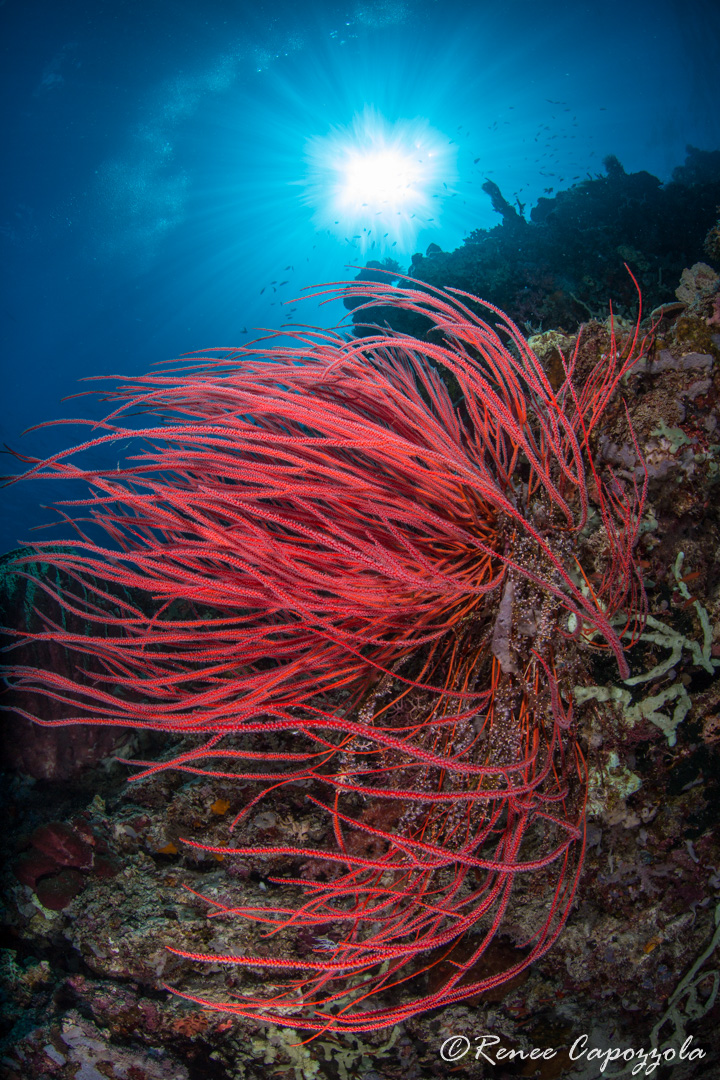
Beneath the surface, Komba reveals an equally dramatic underwater world. Rocky volcanic slopes, black sand, colourful coral gardens and steep reef walls combine to create a unique seascape shaped by centuries of volcanic activity. Healthy hard and soft corals, giant sponges and lava-formed rock formations provide habitat for a rich diversity of marine life.
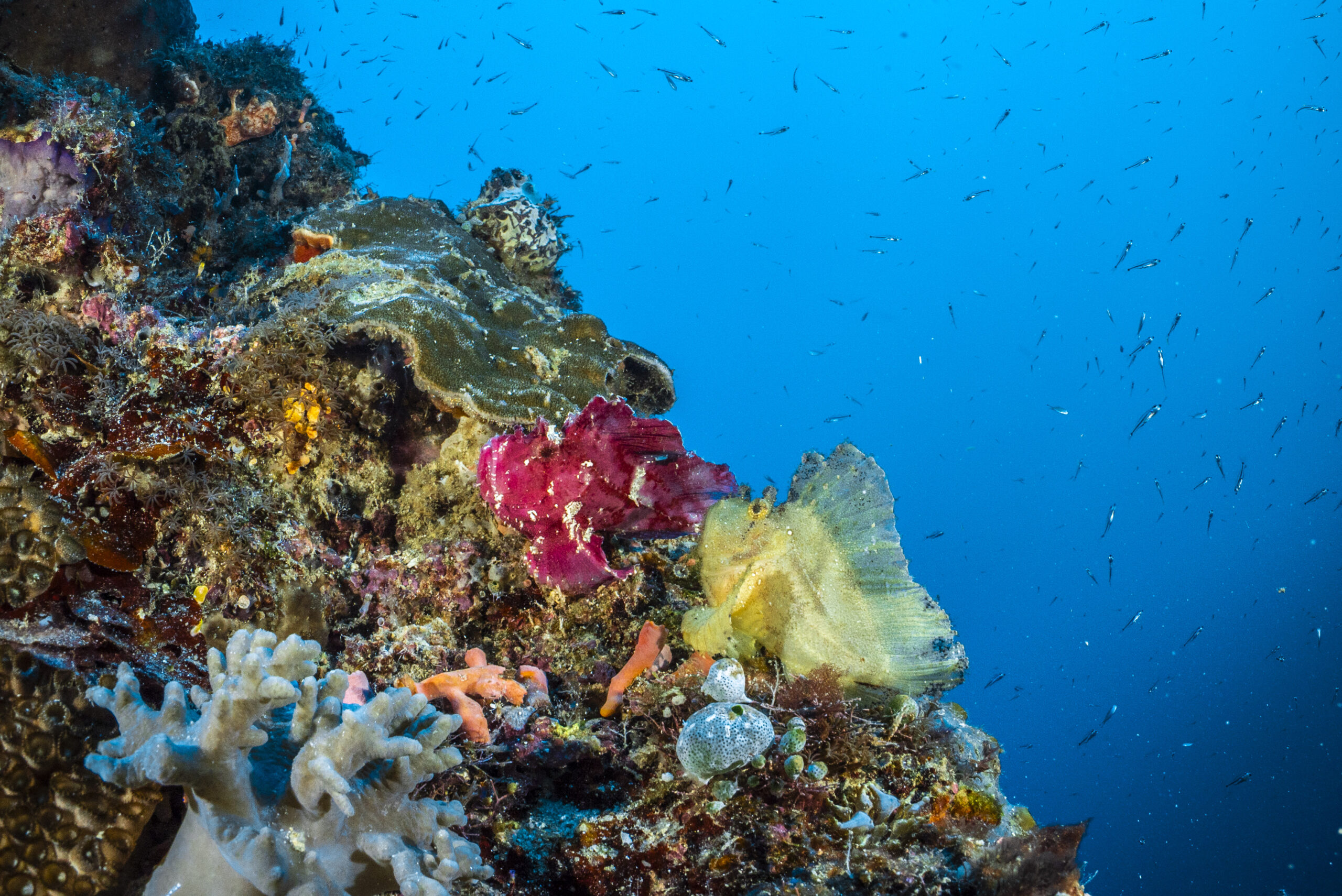
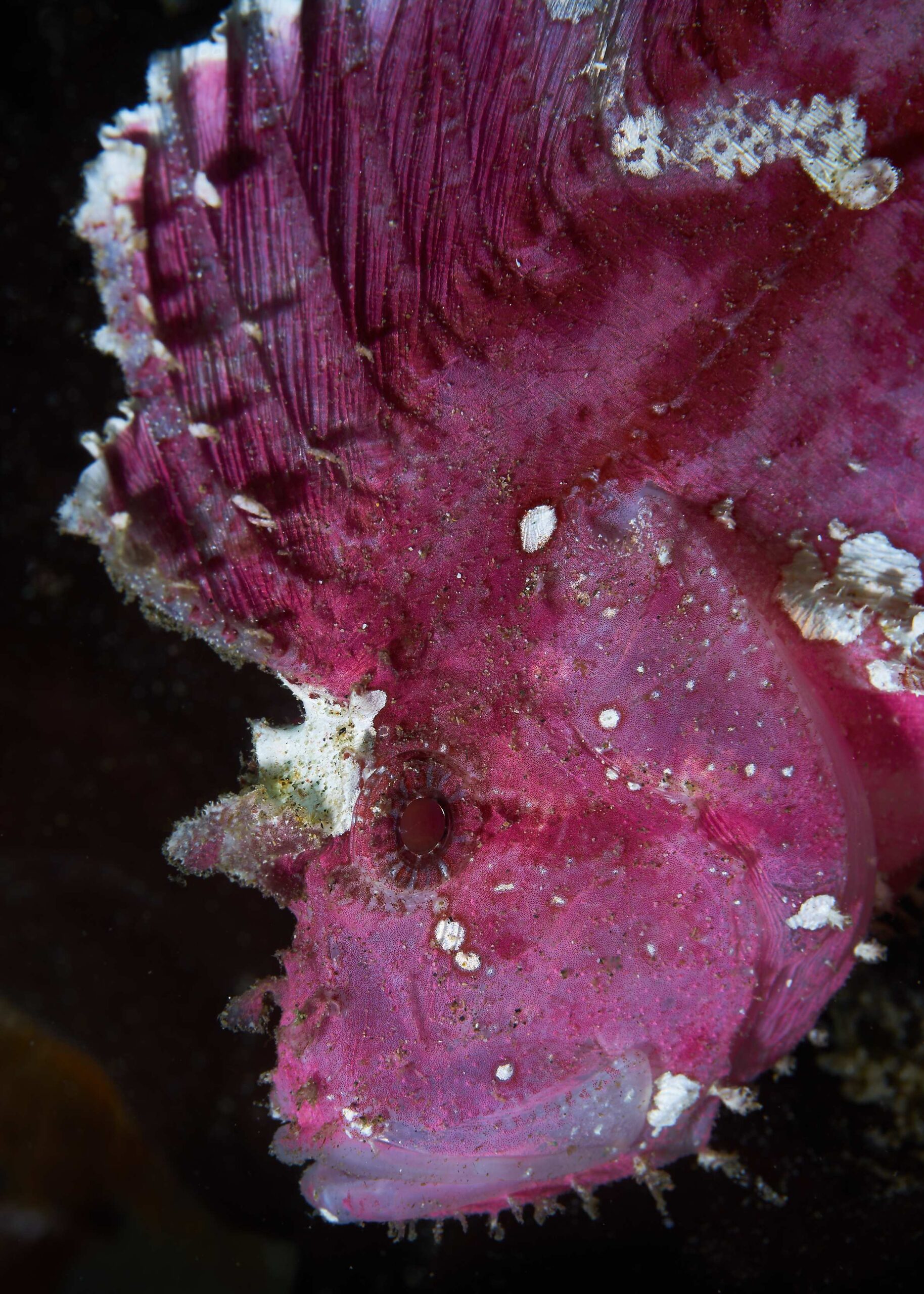
The surrounding waters are alive with schools of fusiliers, surgeonfish, snappers and giant trevallies, while moray eels, leaf scorpionfish and other cryptic reef species hide among the volcanic reef. Depending on the season and conditions, divers may also encounter dogtooth tuna, white-tip reef sharks and other pelagic visitors cruising through the deep blue.
With its excellent visibility, pristine reefs and the constant presence of one of Indonesia’s most active volcanoes, Pulau Komba offers a truly unforgettable diving experience where the raw forces of nature continue to shape both the landscape above and the vibrant marine ecosystem below.
Day 10 - PULAU RUSA
Pulau Rusa. Untouched reefs and rare encounters
Today we explore the remote waters surrounding Pulau Rusa, where pristine reefs, and nutrient-rich currents allow us to witness incredible healthy reefs. From exhilarating reef dives alive with pelagic action to beautiful healthy reefs.
Watu Balu: Just off the southwest coast of Pulau Rusa, Watu Balu is surrounded by some of Indonesia’s healthiest and least disturbed coral reefs. Exposed to the open Indian Ocean, nutrient-rich currents support an exceptional abundance of marine life.
The reef is covered with vibrant hard corals, enormous table corals and colourful sponge formations, attracting yellow snappers, fusiliers, surgeonfish, rainbow runners and red snappers. Beneath the coral ledges, bamboo sharksare frequently encountered, while lucky divers may even spot the elusive wobbegong shark.
During the cooler months, there is also the exciting possibility of encountering Mola Mola (ocean sunfish).
A spectacular sponge-covered wall gradually transitions into coral terraces, creating an unforgettable dive for both wide-angle photographers and marine life enthusiasts.
Rainbow Ridge: Our second dive explores Rainbow Ridge, an underwater ridge extending into deeper waters southeast of Pulau Rusa.
Influenced by nutrient-rich oceanic currents, the ridge attracts large schools of fusiliers, surgeonfish and reef fish, while Napoleon wrasse and occasional pelagic visitors patrol the deeper sections.
Beautiful patches of hard and soft corals cover the ridge, providing habitat for colourful reef fish, invertebrates and countless macro subjects, making every dive a rewarding combination of reef scenery and fish life.
Day 11 - NORTH PURA ISLAND
Alor’s Hidden Macro Treasures
Today we leave the current-swept reefs behind to discover another extraordinary side of Alor. Sheltered bays, black volcanic sand and thriving muck habitats reveal a world where patience is rewarded with some of the rarest and most fascinating marine life in the Indo-Pacific.
This is a day dedicated to macro photography, unusual critters and the remarkable biodiversity hidden beneath seemingly simple volcanic landscapes.
Our day begins in Limaharing Bay: One of Alor’s premier macro destinations and a favourite among underwater photographers.
The gently sloping black volcanic sand provides the perfect habitat for an astonishing variety of cryptic marine life. With a careful eye, divers may discover Rhinopias scorpionfish, frogfish, ghost pipefish, flamboyant cuttlefish, mimic octopus, blue-ring octopus, dragonets, nudibranchs and countless species of shrimps and crabs.
Every dive is a treasure hunt, where the smallest details often reveal the greatest surprises.
Abila: Our second dive takes us to Abila, a beautiful volcanic slope where black sand gradually gives way to coral bommies and patches of healthy reef.
This unique combination of habitats attracts an impressive diversity of marine life. Leaf scorpionfish, frogfish, juvenile sweetlips, crocodile fish, octopus and ornate ghost pipefish are regularly encountered, while colourful reef fish occupy the scattered coral heads.
Abila perfectly combines Alor’s celebrated muck diving with vibrant reef scenery, offering exceptional opportunities for both macro and wide-angle photography.
Mucky Mosque: We conclude the day at the legendary Mucky Mosque, widely regarded as one of the finest muck dives in the Alor Archipelago.
Its dark volcanic substrate and coral rubble provide an ideal environment for some of the Indo-Pacific’s most sought-after macro subjects. Rhinopias, frogfish, ghost pipefish, pygmy pipehorses, seamoths, nudibranchs, mantis shrimps and countless cryptic species reward patient observation and slow exploration.
No two dives at Mucky Mosque are ever the same, making every descent an exciting opportunity to discover something new.
Evening On Board
As Seven Seas settles quietly at anchor in the calm waters of Kalabahi Bay, guests gather to review the day’s extraordinary photographs and compare the remarkable creatures discovered beneath Alor’s volcanic seabed.
Today’s dives are a reminder that some of the archipelago’s greatest treasures are not found in the blue, but hidden in the sand, waiting to be discovered by those willing to slow down and look closely.
Day 12 - ALOR AREA
Pulau Pura & Takpala Village Visit
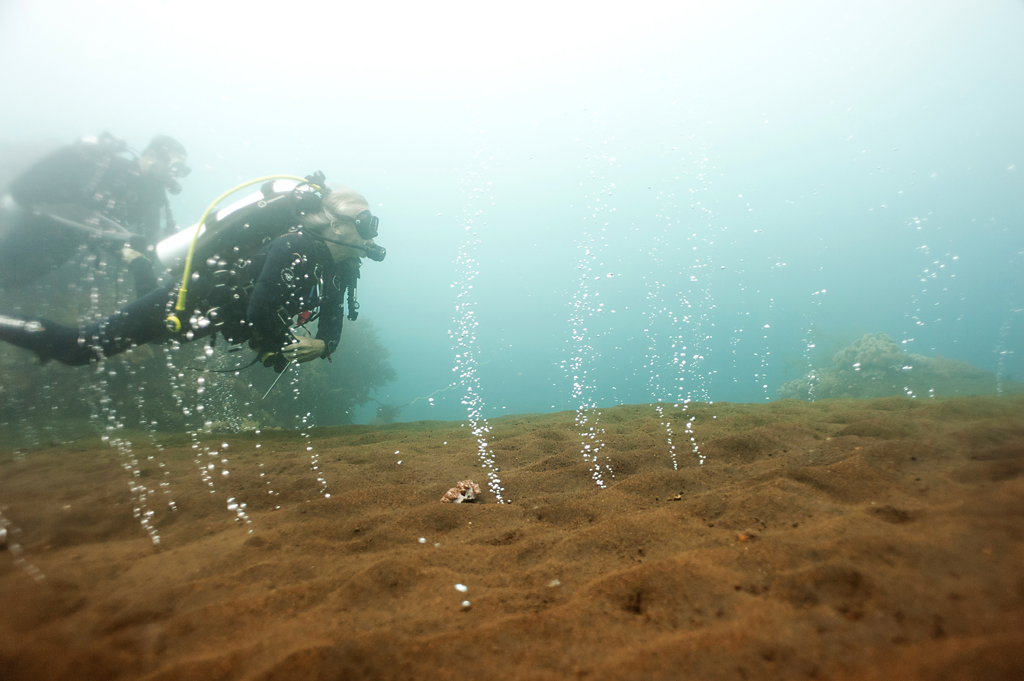
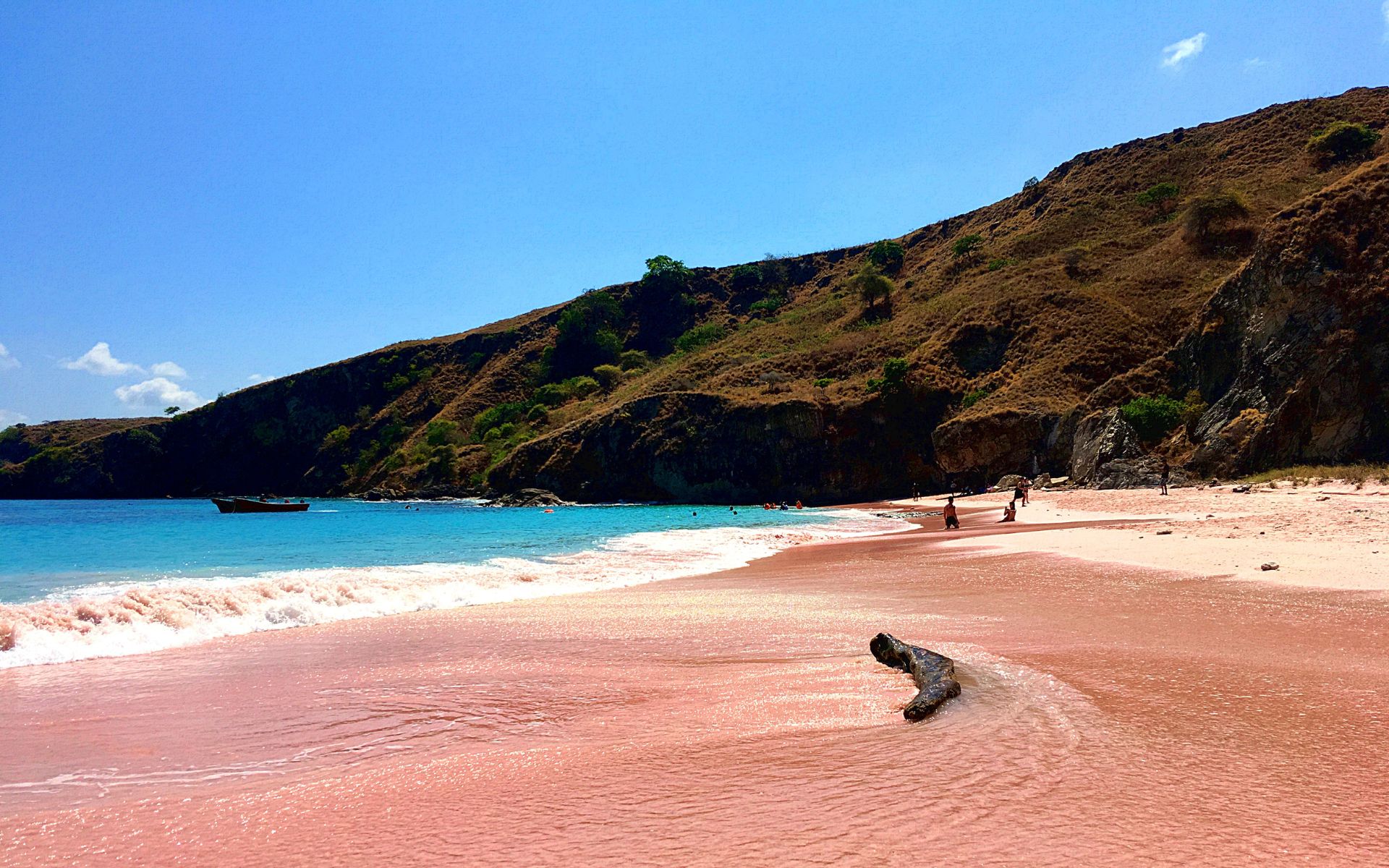
Pasir Merah (Red Sand): Located north of Pura, Pasir Merah is one of Alor’s most distinctive dive sites, featuring volcanic red sandy slopes with natural bubbling gas vents, a unique hallmark of Pura’s volcanic seabed.
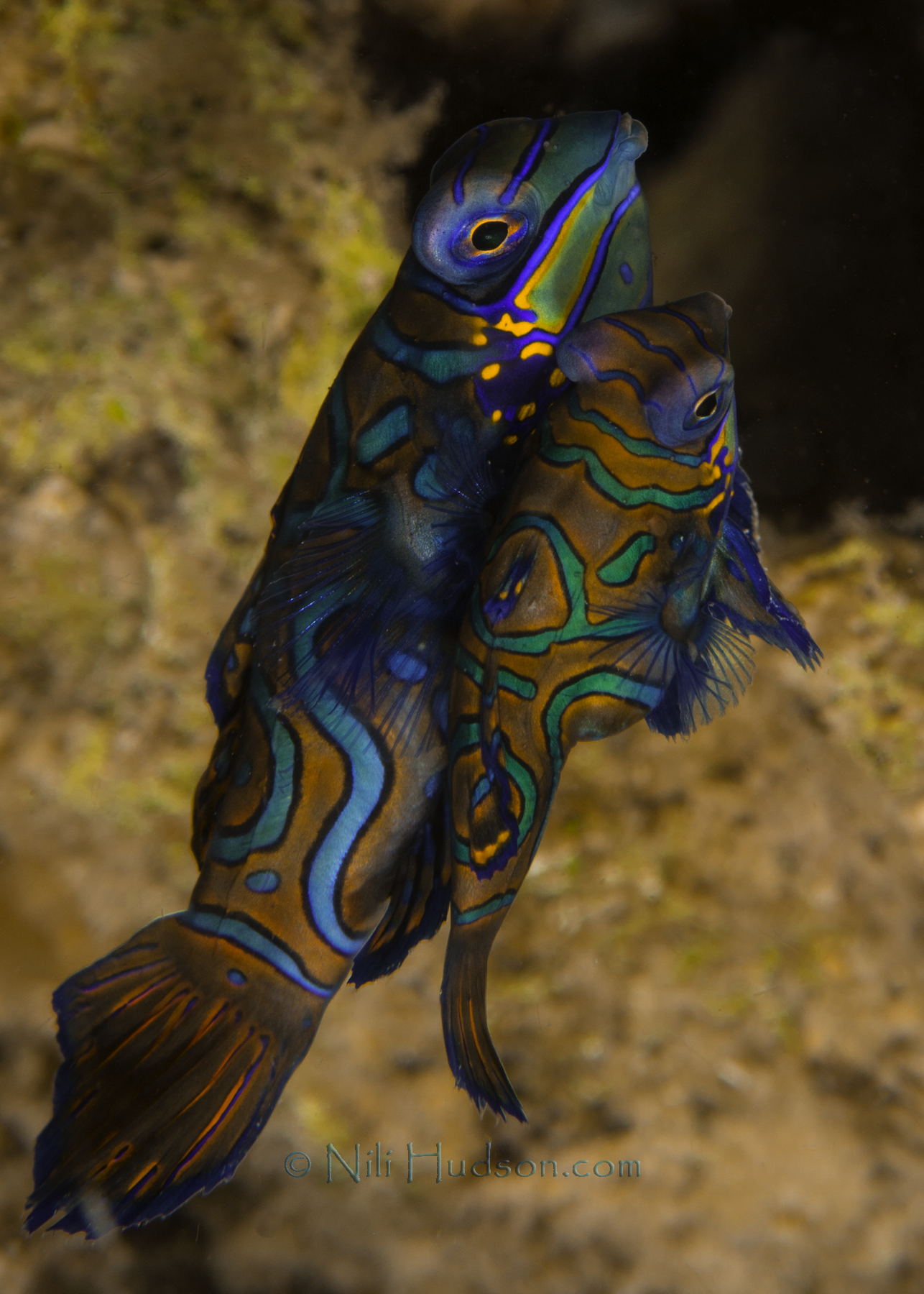
The site is teeming with exceptional macro life, including mandarin fish, hairy shrimp, and, in deeper sections, the possibility of encountering bamboo sharks and nurse sharks.
Bakalang Jetty: Dive beneath the weathered pillars of Bakalang Jetty, where soft corals transform the structure into a vibrant underwater tapestry and frogfish blend perfectly into their surroundings.
Beyond the jetty, rays and schools of batfish may drift through the blue, while the reef itself hides an extraordinary variety of macro life. With clear water, gentle conditions and exceptional critter hunting, Bakalang Jetty is a favourite among underwater photographers and a perfect introduction to Alor’s renowned muck diving.
Cultural Visit – Takpala Village
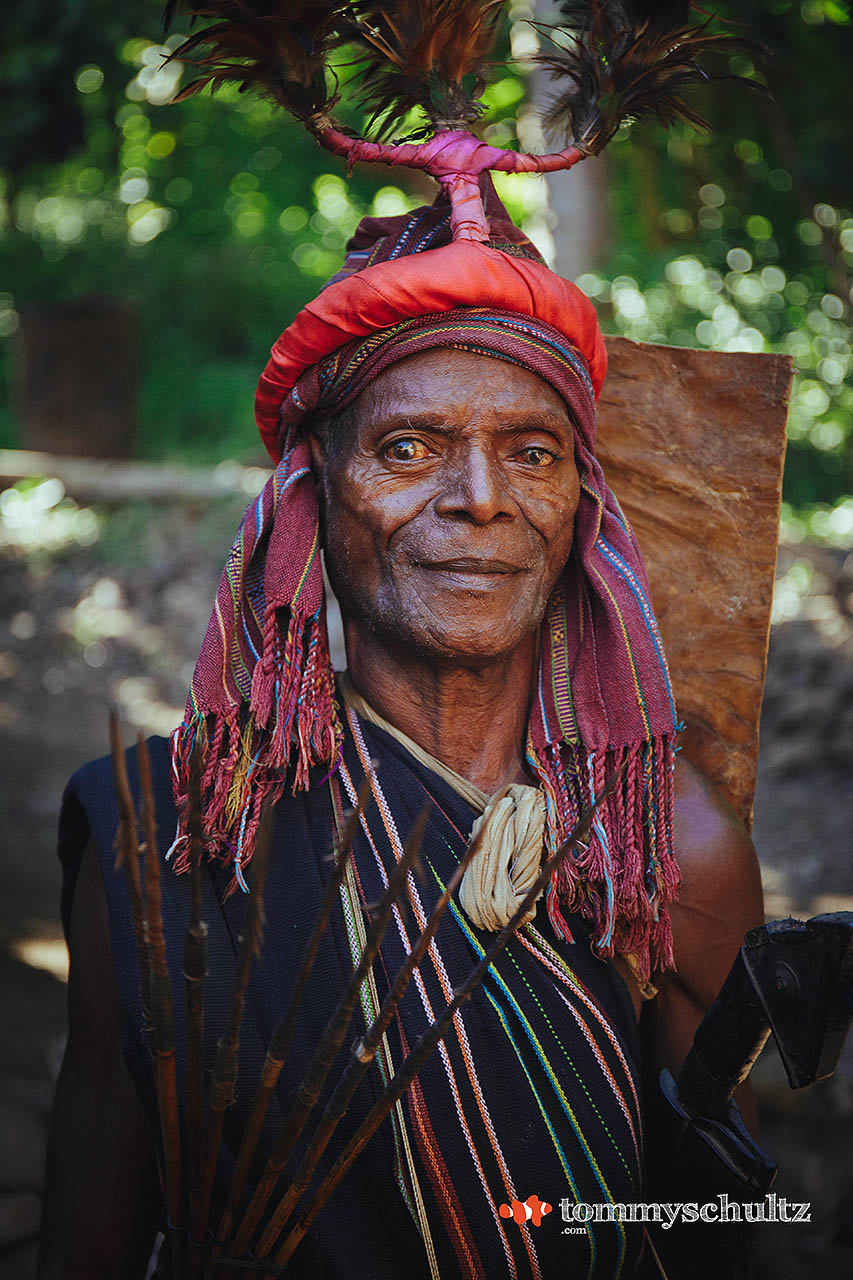
After our final dive, we leave the ocean behind to visit Takpala, a traditional Abui village nestled in the hills above Kalabahi.
The village has preserved centuries-old traditions, with houses built entirely from natural materials surrounding a central ceremonial area. Here, we are welcomed by the local community with traditional dances, including the famous Lego-Lego, and have the opportunity to learn about their culture, rituals and way of life.
On our return to the harbour, those still full of energy may enjoy a short visit to Kalabahi’s local market, offering a final glimpse into everyday island life before returning to Seven Seas.
Day 13 - KALEBAHI BAY
Disembarkation. Fly to Bali/Jakarta and transfer to flights home or resorts.