Explore The Wonders Of Indonesia
Raja Ampat – Triton Bay Exploration 14 Nights
Raja Ampat to Triton Bay: A Journey Through the Heart of the Coral Triangle
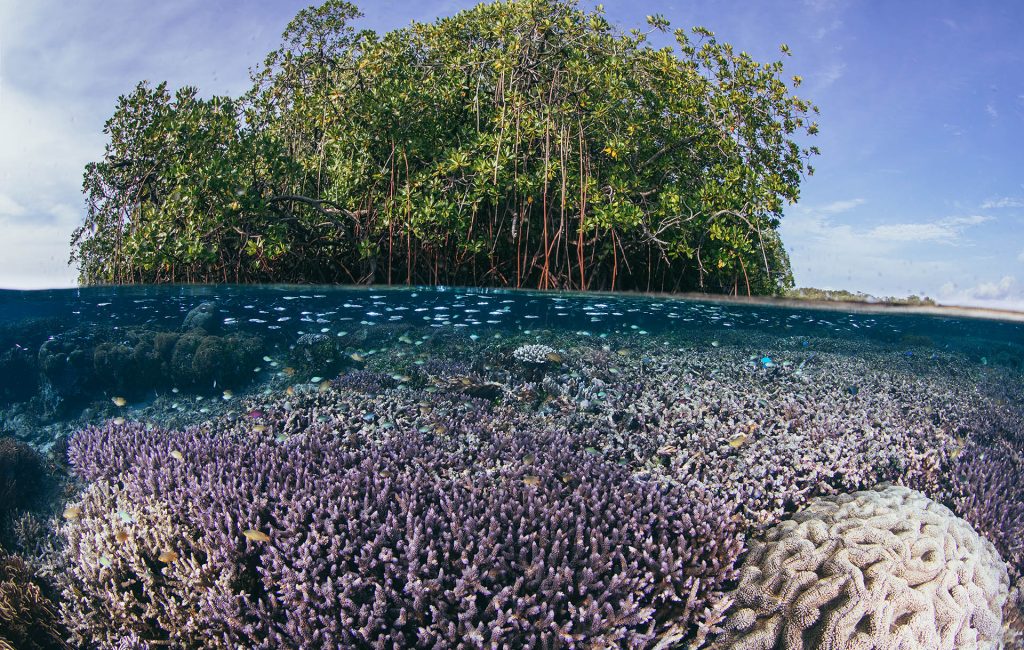
Stretching from the legendary islands of Raja Ampat to the remote waters of Triton Bay, this extraordinary expedition explores the very core of the Coral Triangle, the most biodiverse marine ecosystem on Earth.
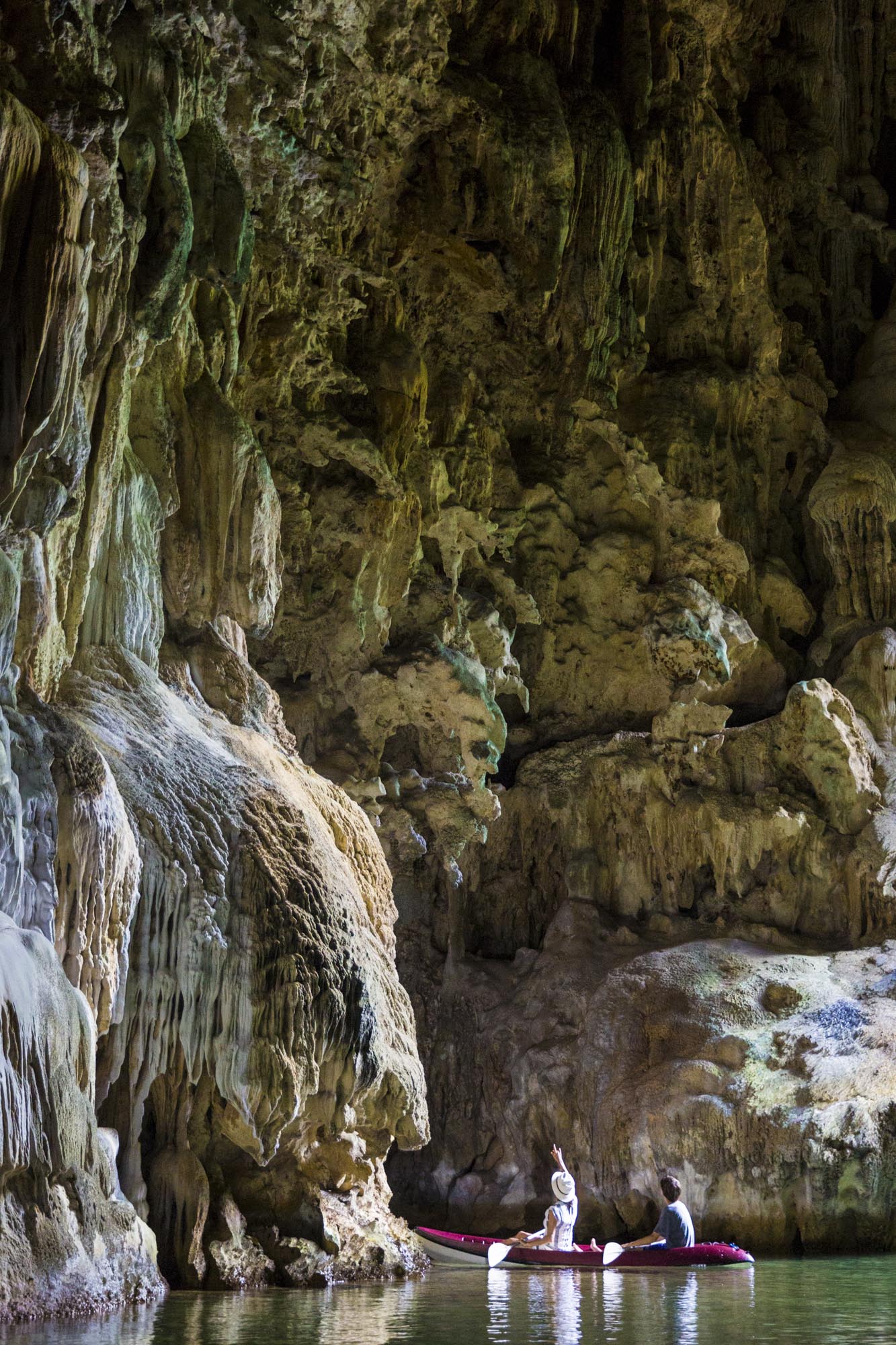
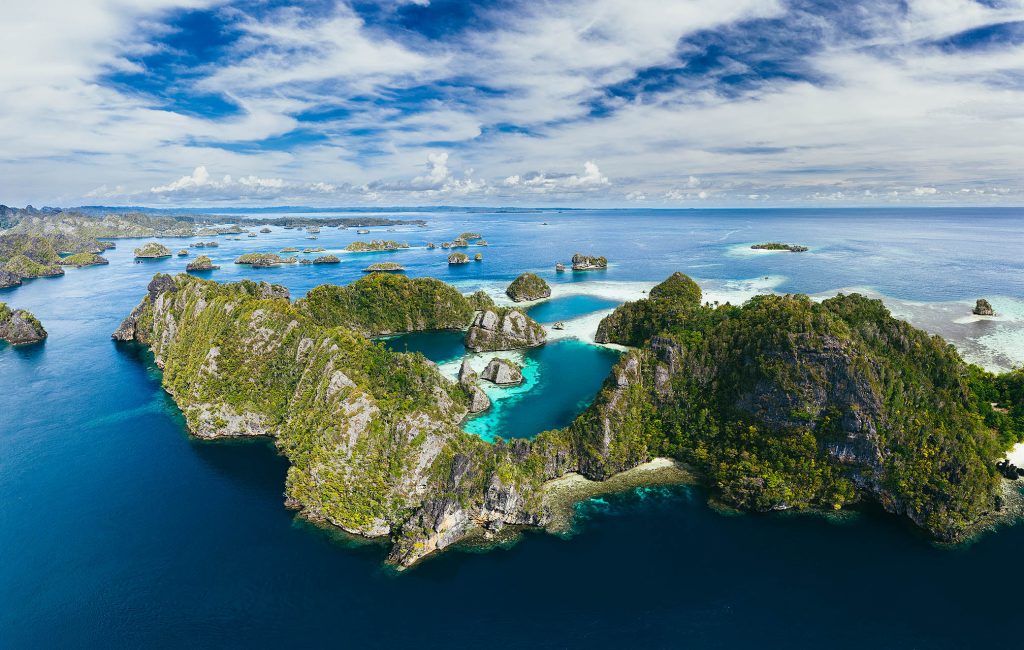
Beginning in Sorong, the gateway to Raja Ampat, the journey unfolds through a landscape of towering limestone karsts, turquoise lagoons, hidden reefs, and some of the most pristine underwater environments remaining anywhere in the world. From the iconic islands of Wayag and the maze-like channels of Fam, to the nutrient rich waters of Misool, every day reveals new encounters with nature at its most spectacular.
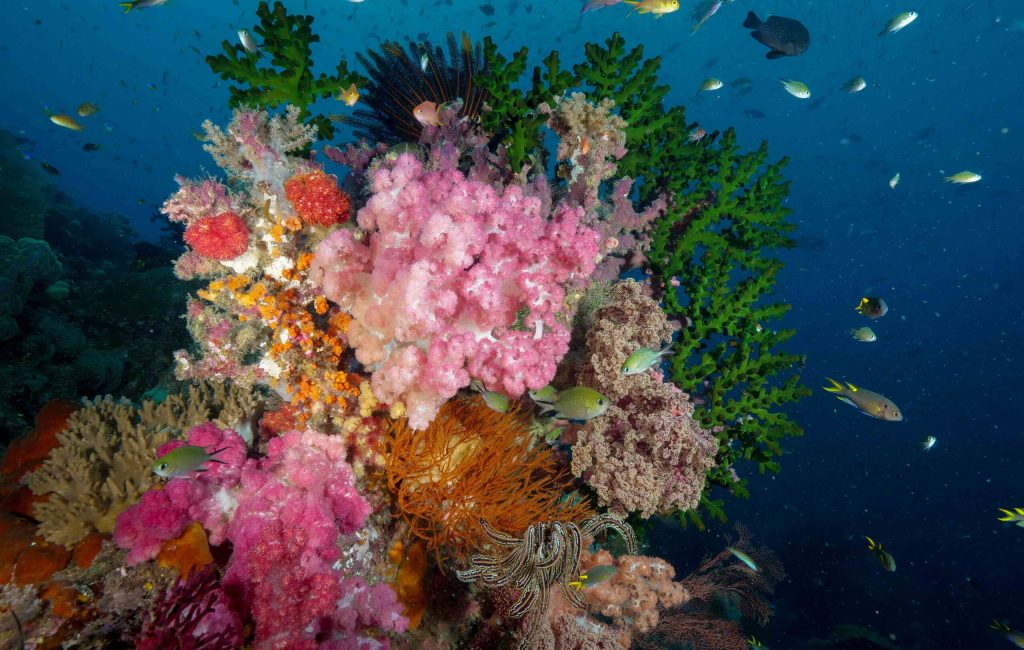
As the voyage continues southward into the untouched wilderness of Triton Bay, guests enter one of Indonesia’s last true frontiers. Far removed from mass tourism, this region offers an atmosphere of exploration reminiscent of the early days of diving in the archipelago. Vast soft coral gardens, dramatic underwater seascapes, and thriving marine ecosystems create a sense of discovery that few places on Earth can match.
This unique itinerary combines the world-renowned highlights of Raja Ampat with the extraordinary biodiversity and exclusivity of Triton Bay, creating a seamless adventure through some of the richest marine habitats ever recorded.
For divers, photographers, nature lovers, and explorers alike, this is more than a diving trip. It is an immersion into one of the planet’s last great wildernesses, where every dive, every island, and every horizon tells a story of life in its purest form.
Where Biodiversity Knows No Limits
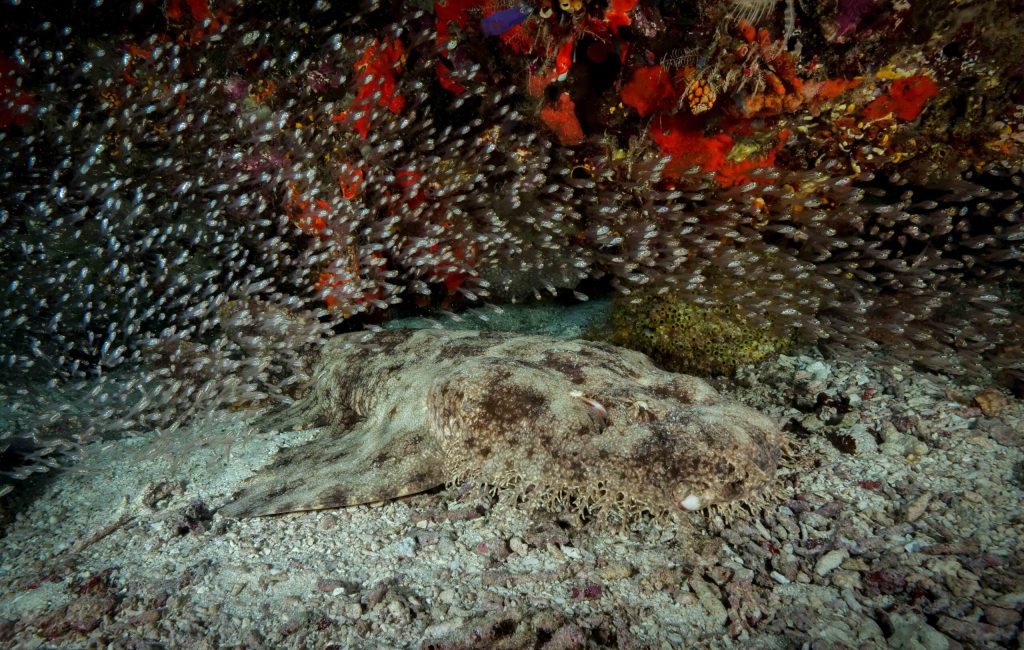
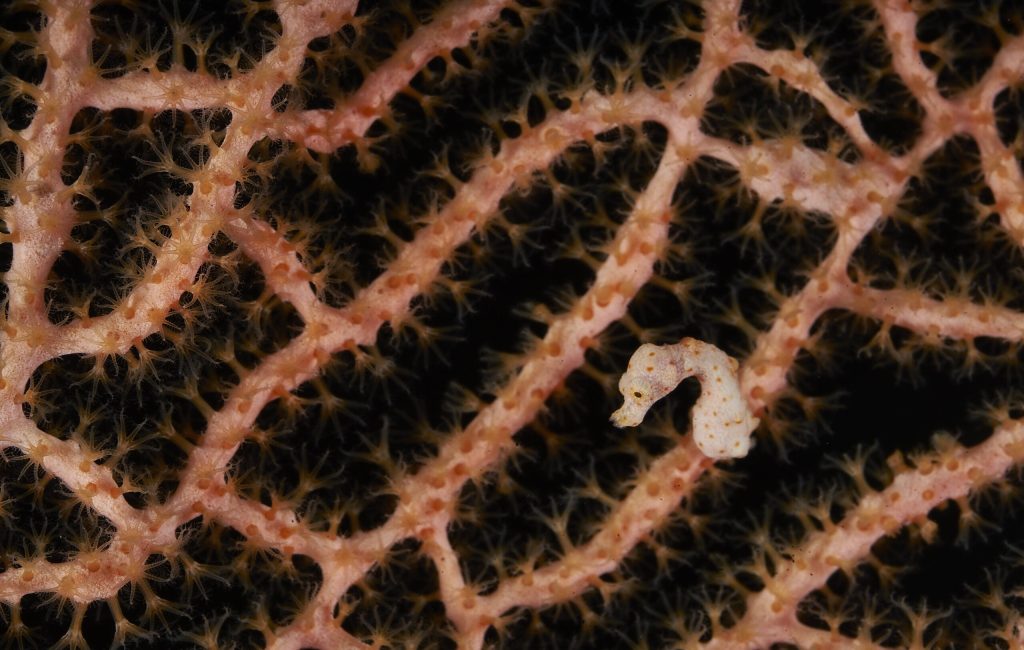
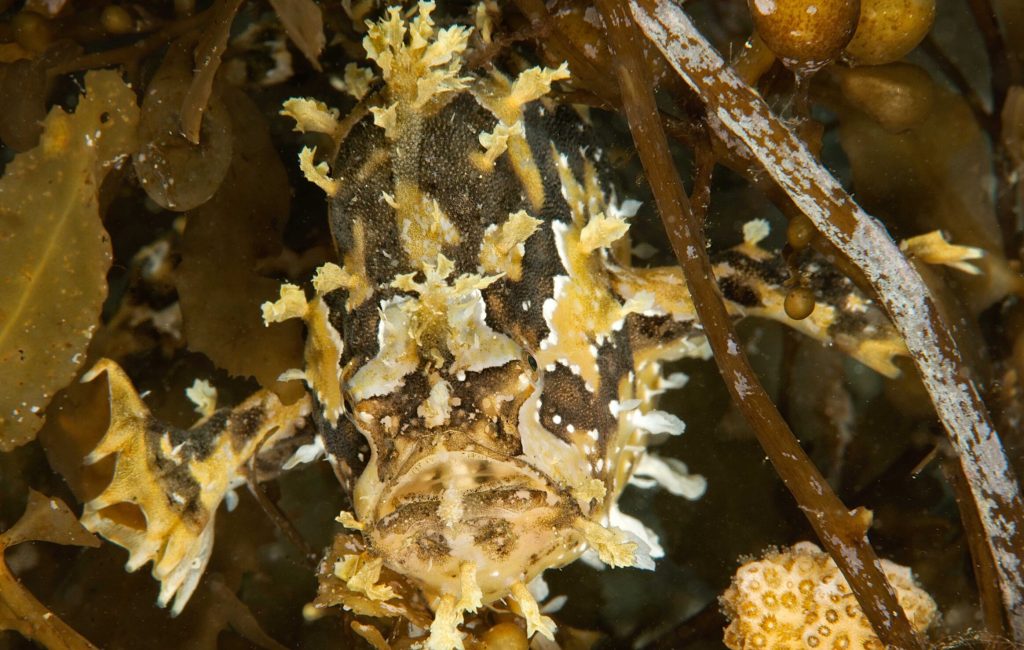
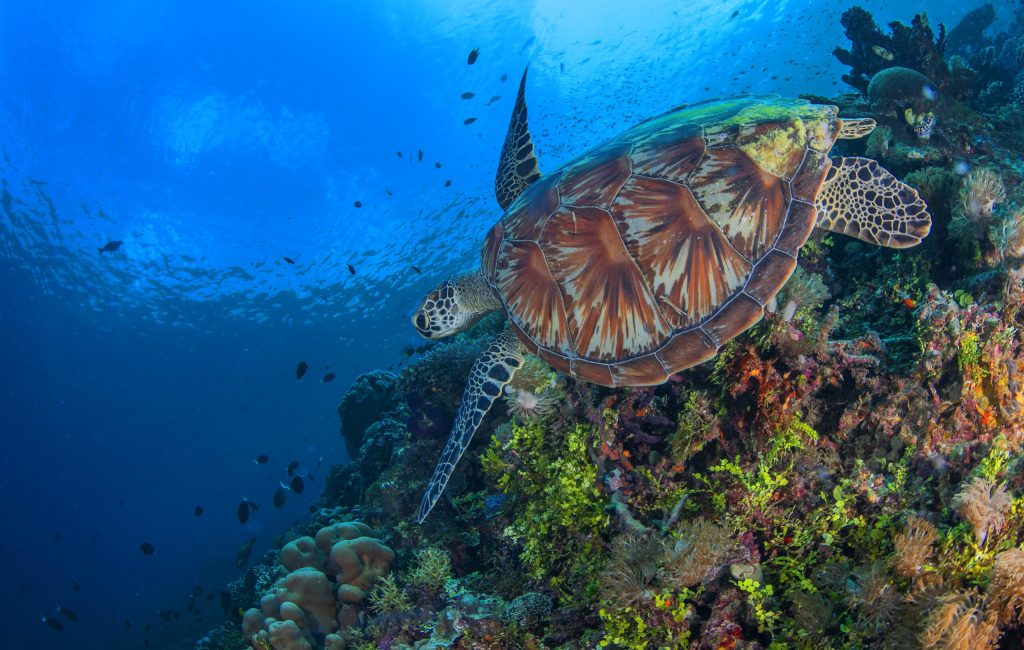
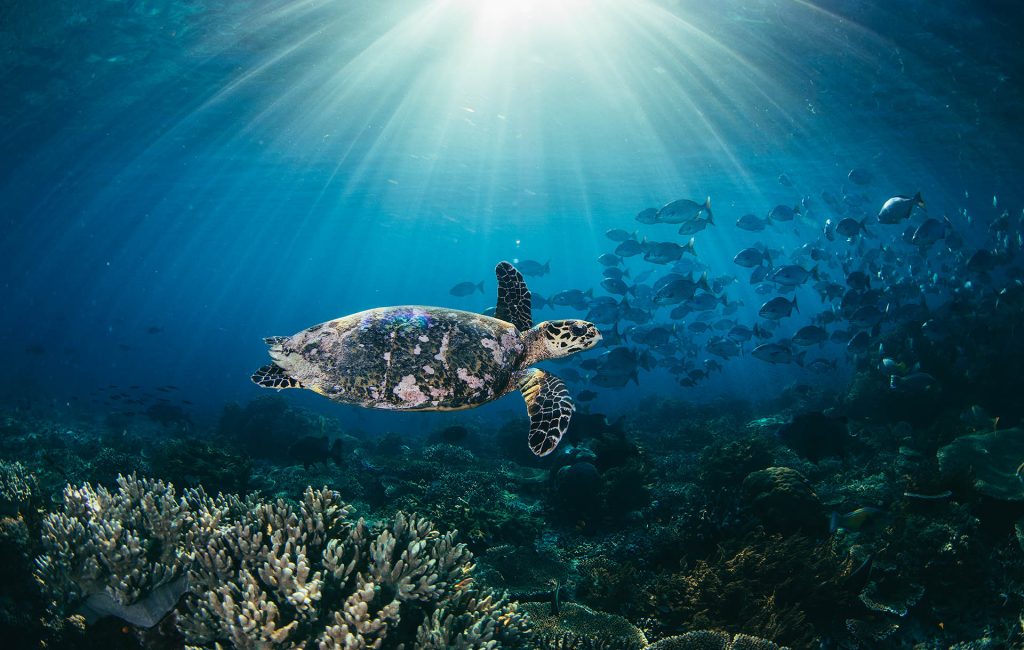
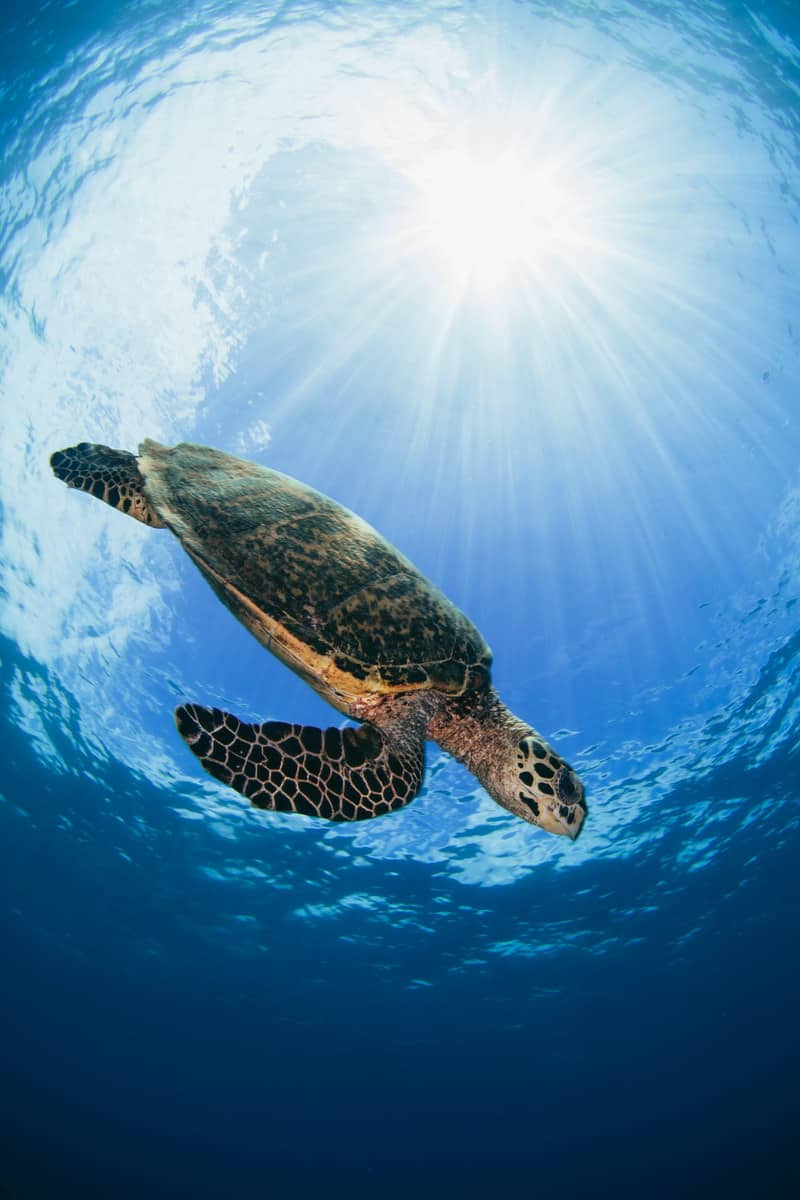
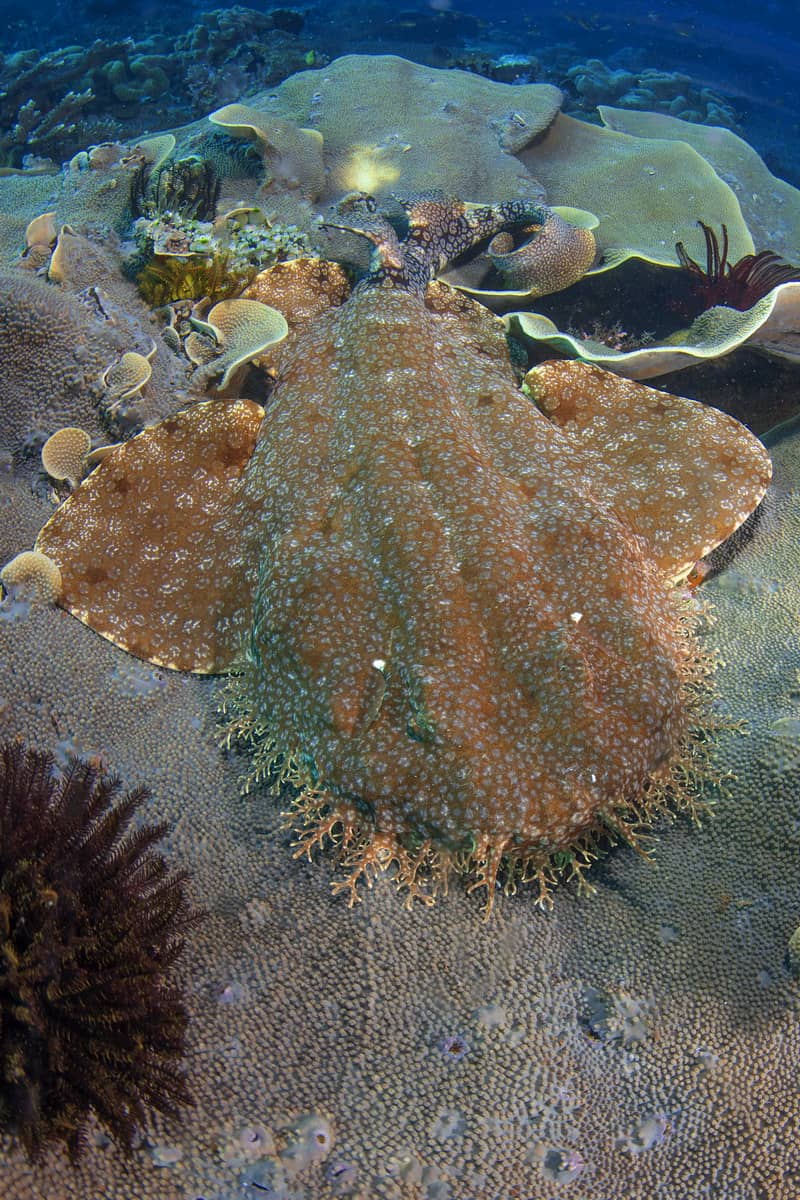
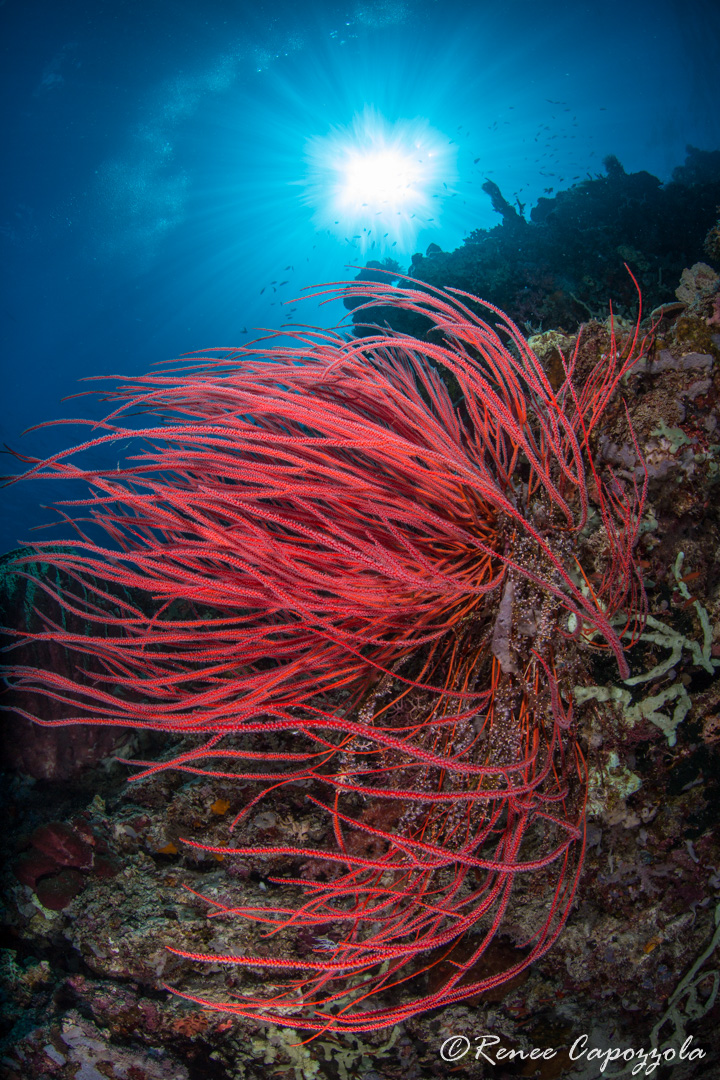
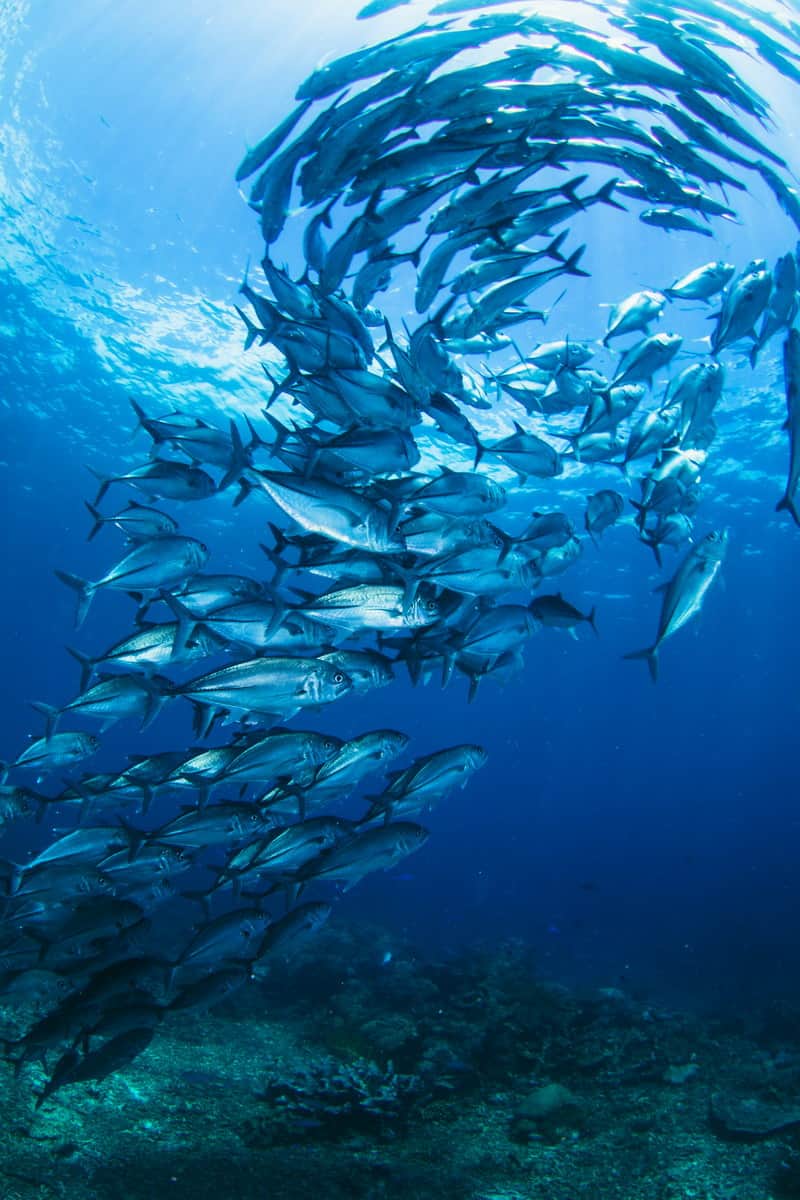
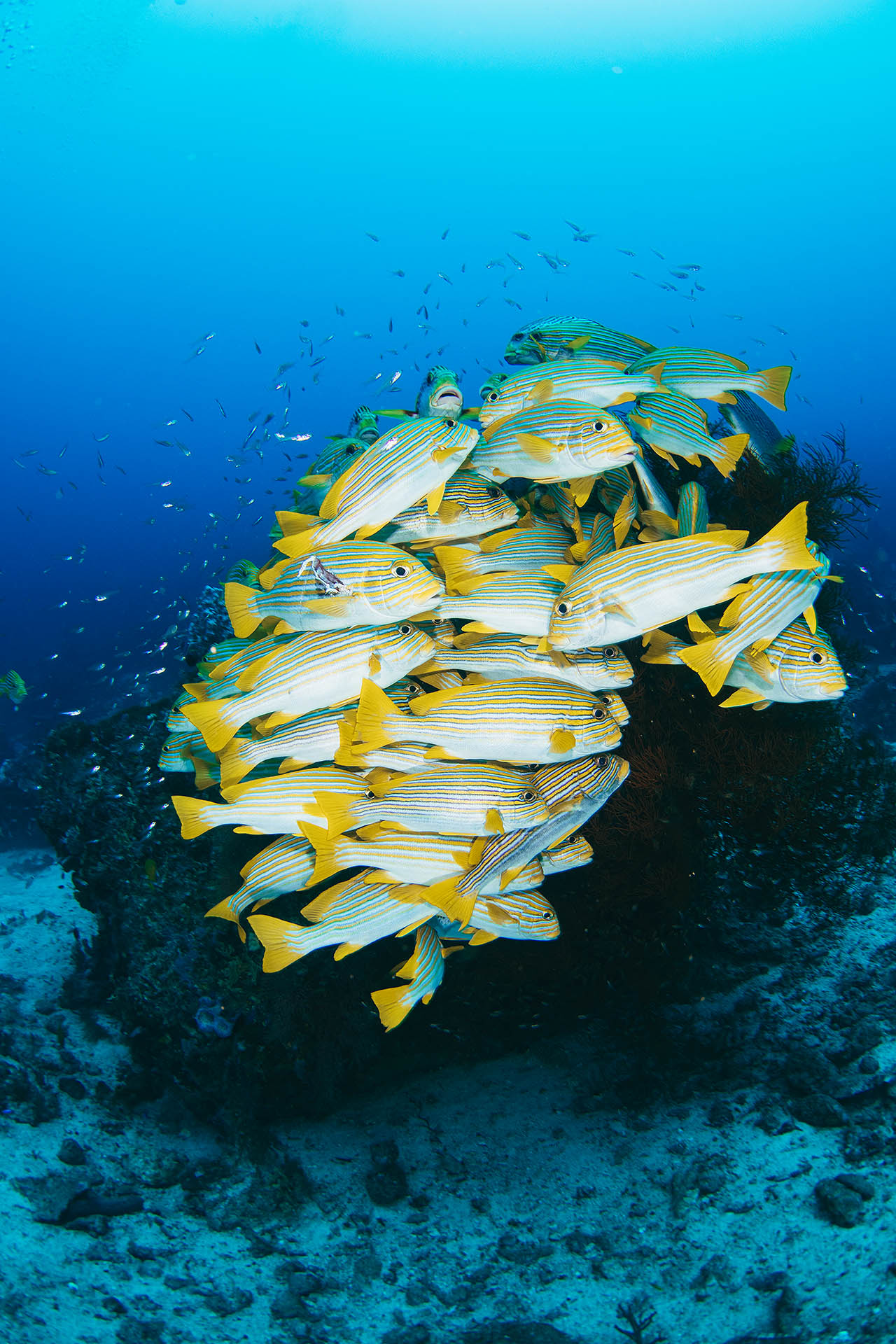
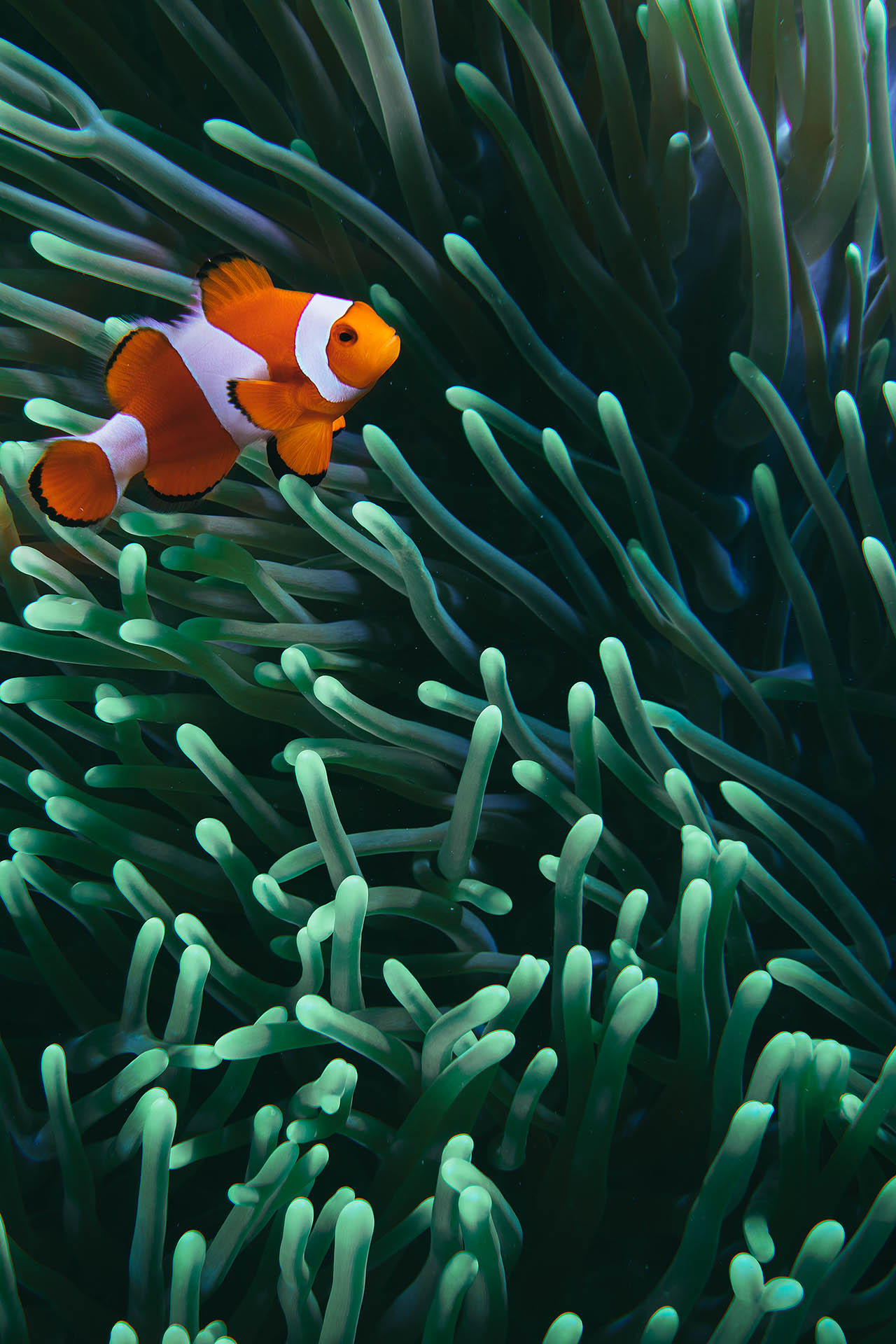
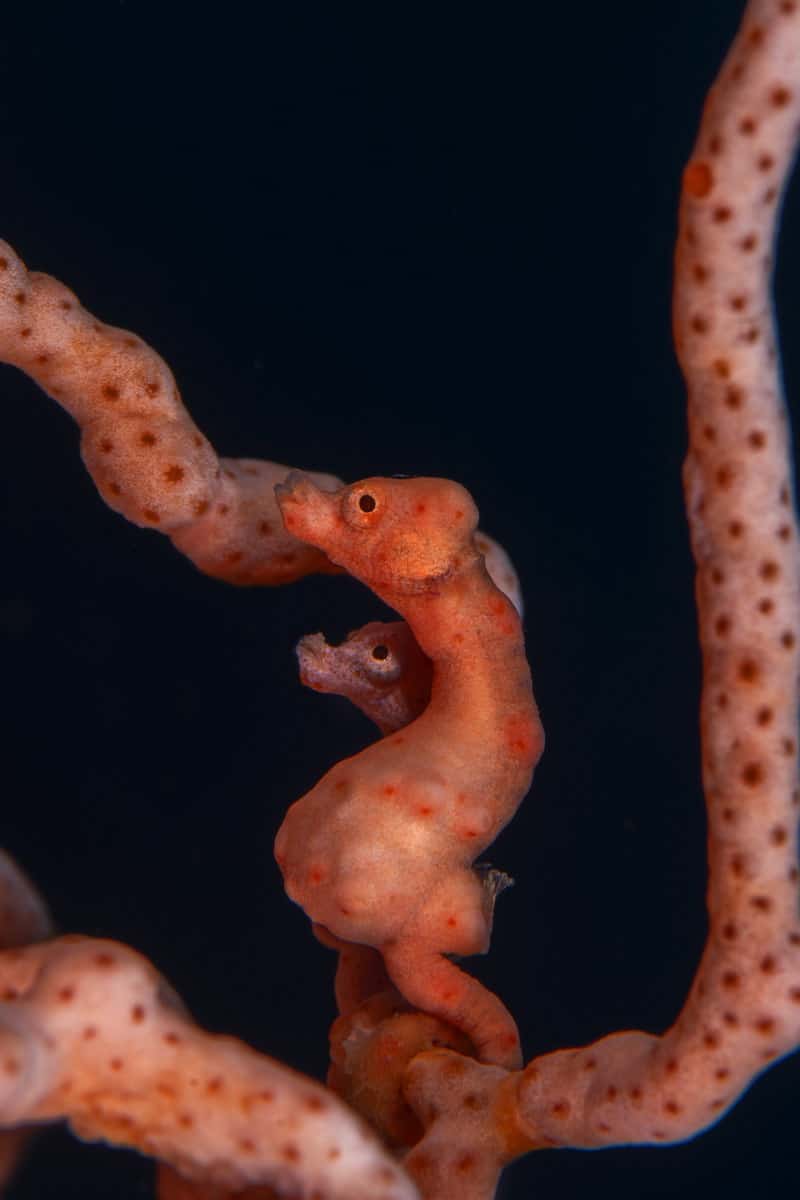
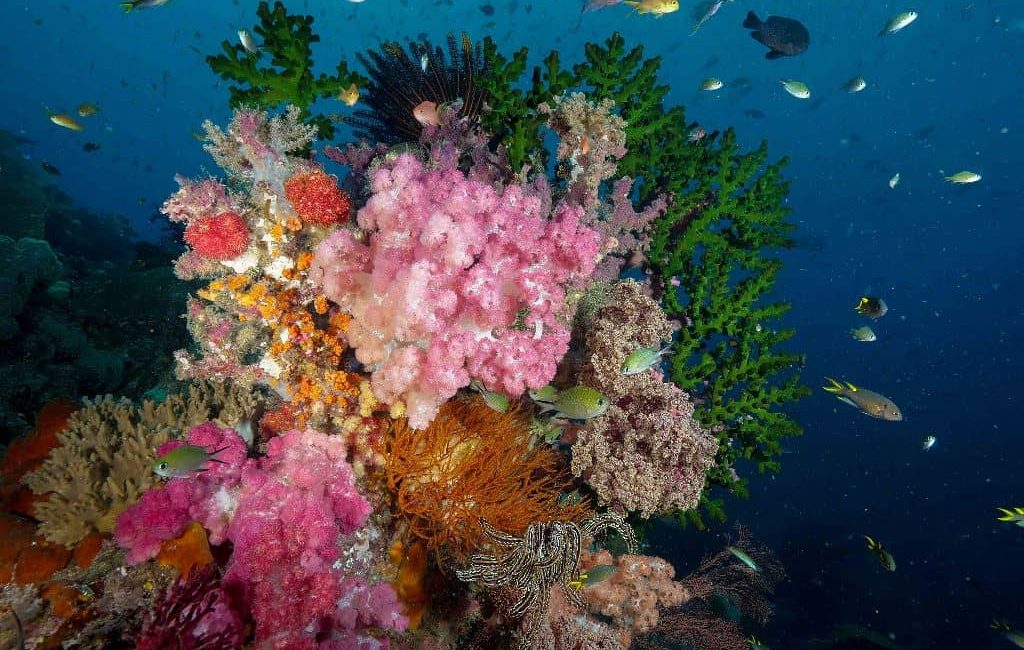
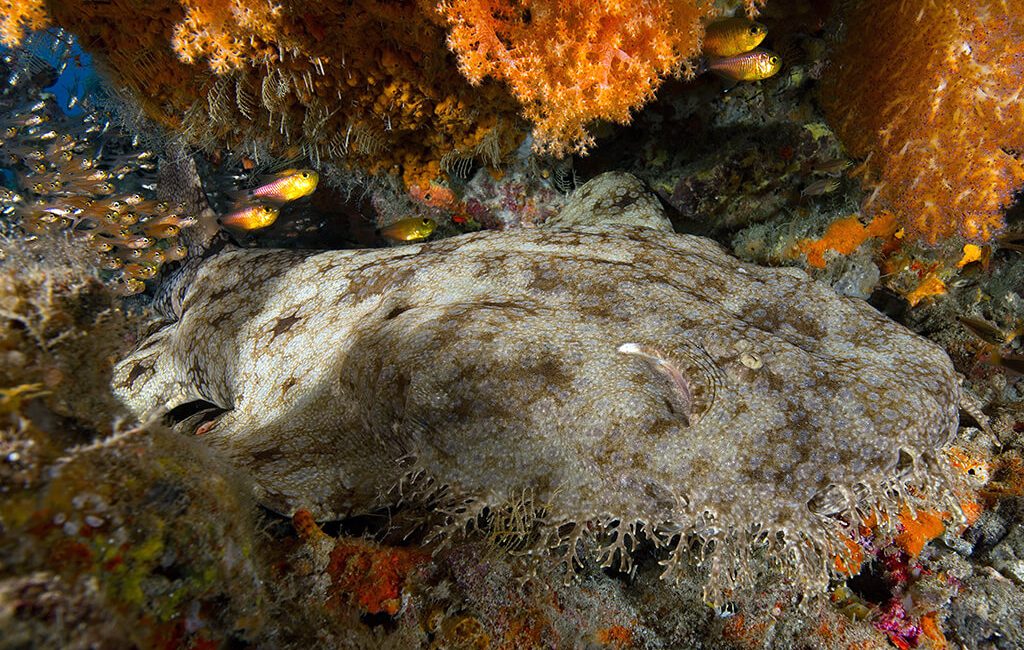
The waters connecting Raja Ampat and Triton Bay represent one of the greatest concentrations of marine life on the planet. Together, these regions host thousands of species of reef fish, hundreds of coral varieties, manta rays, wobbegong sharks, schools of barracuda and jacks, pygmy seahorses, dolphins, and countless macro treasures hidden among the reefs.
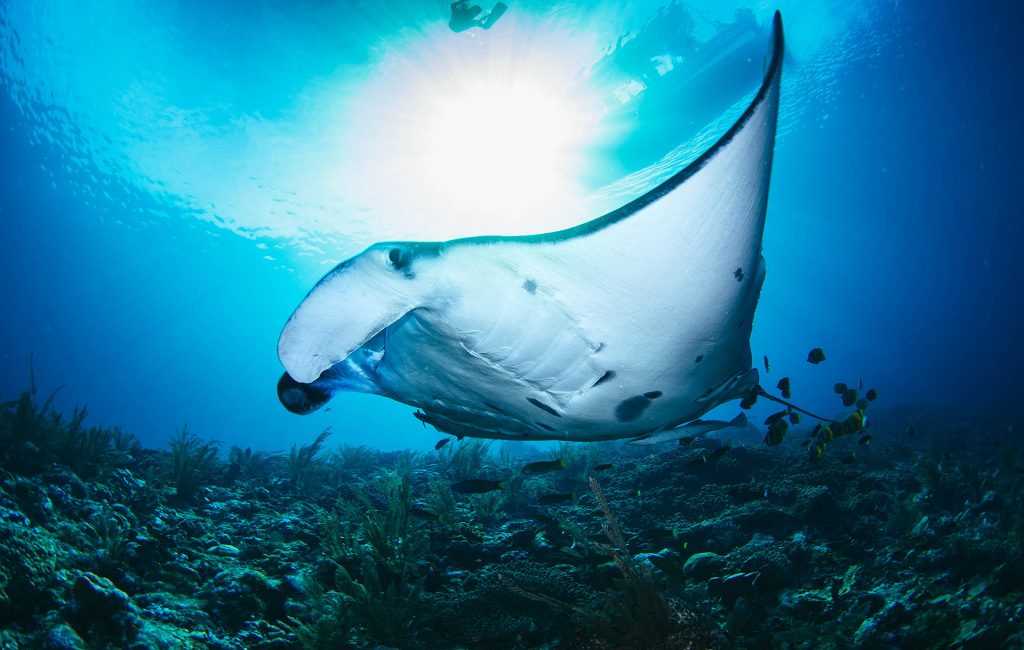
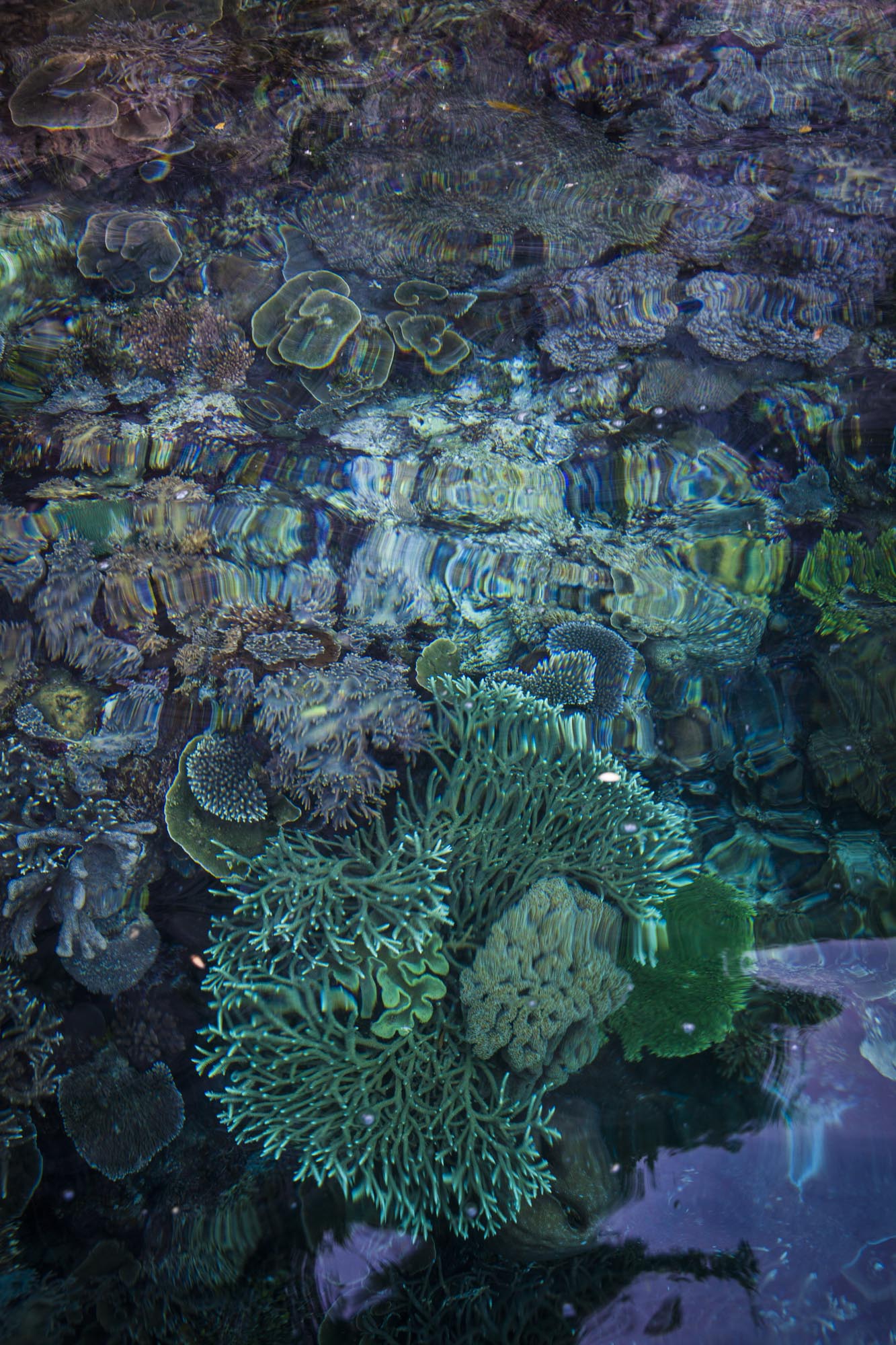
Raja Ampat is celebrated worldwide for its extraordinary diversity and vibrant reef systems. Sites throughout Dampier Strait, Misool, and the Fam Islands showcase healthy coral ecosystems bursting with life, where massive schools of fish move through crystal clear waters and manta rays glide effortlessly above colourful reefs.
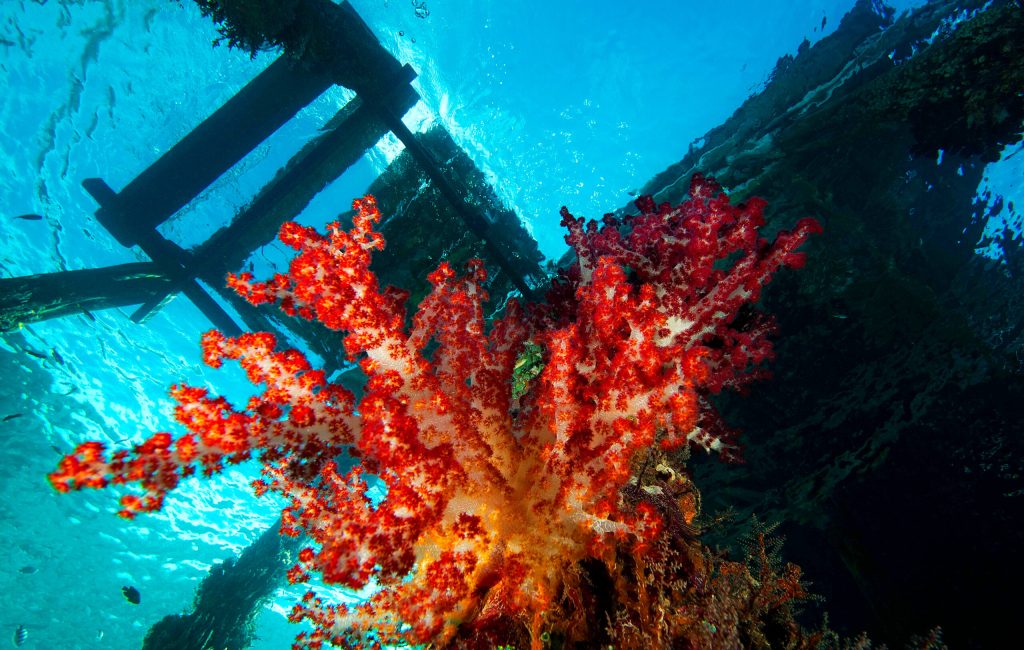
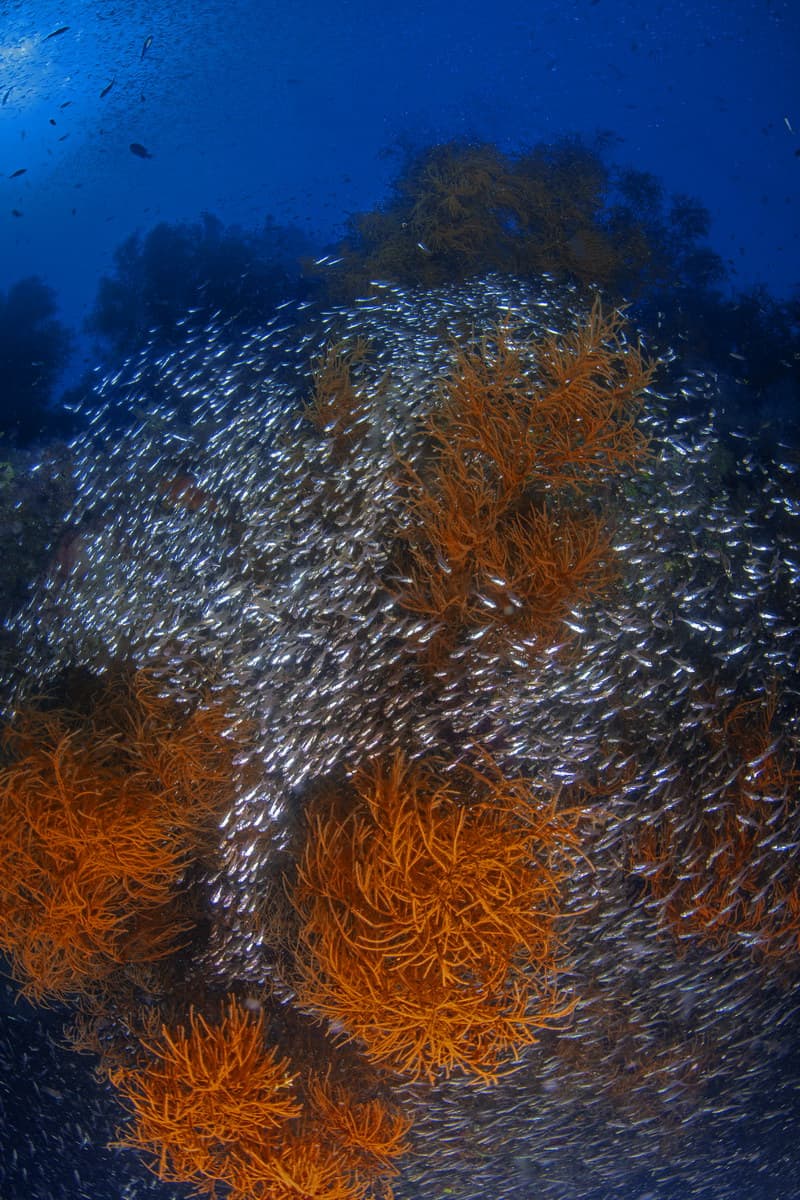
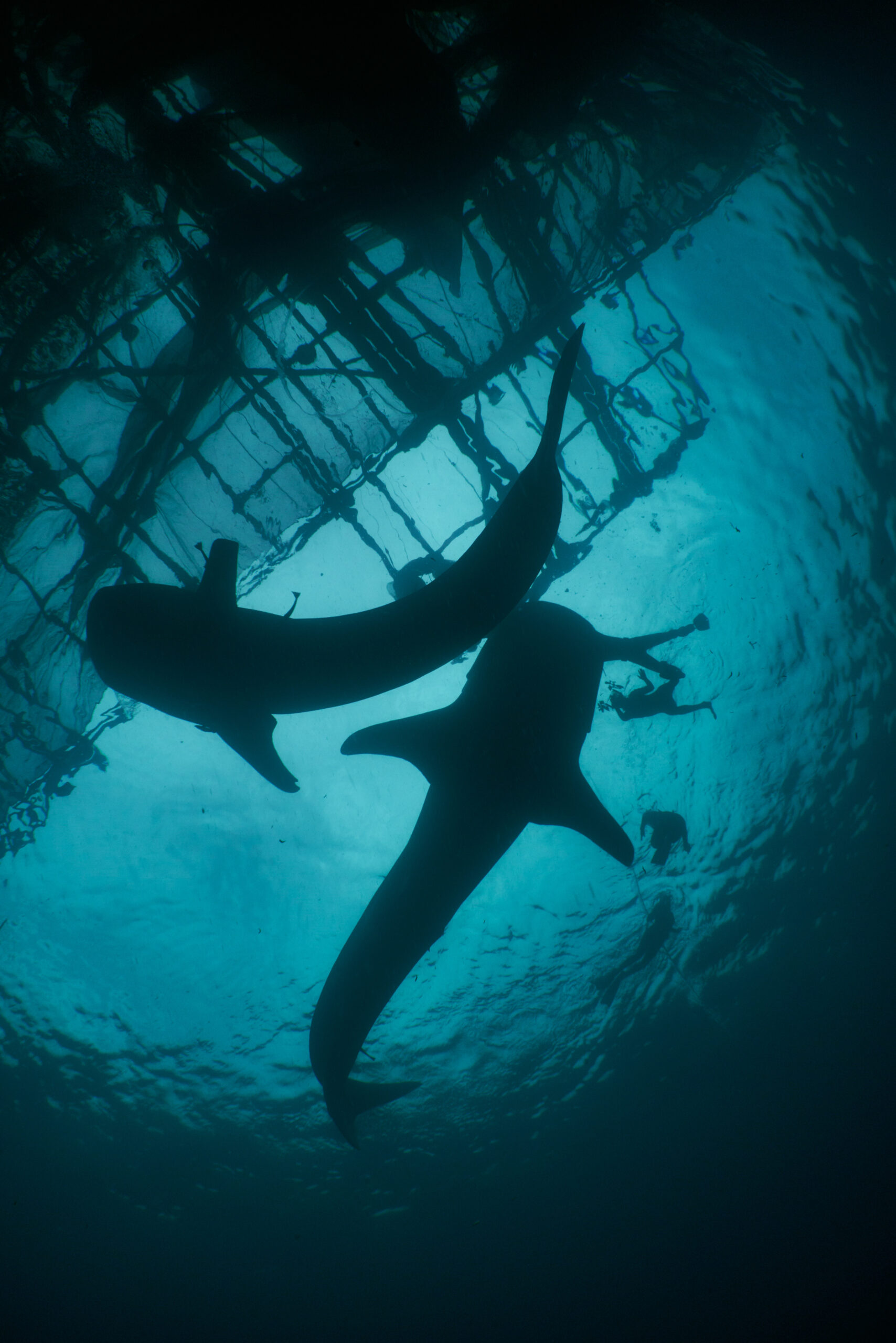
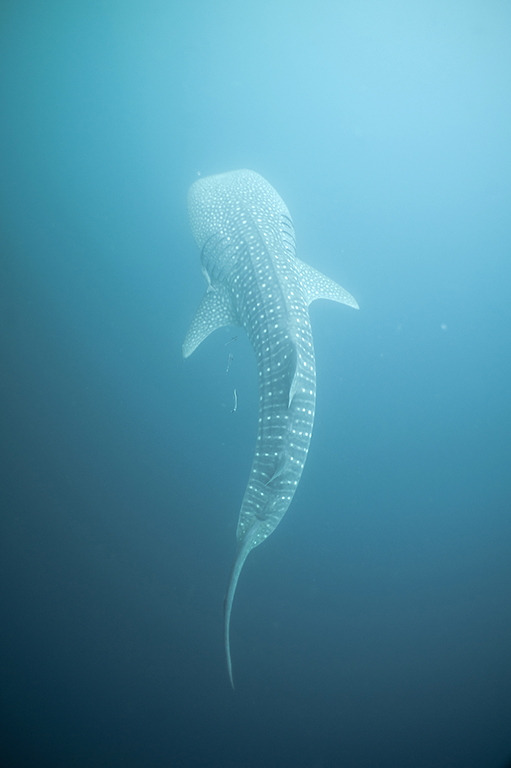
Further south, Triton Bay offers an entirely different experience. Its nutrient-rich waters support vast soft coral forests unlike anywhere else in Indonesia, while seasonal whale shark encounters and rarely visited dive sites provide a level of exclusivity increasingly difficult to find in modern diving destinations.
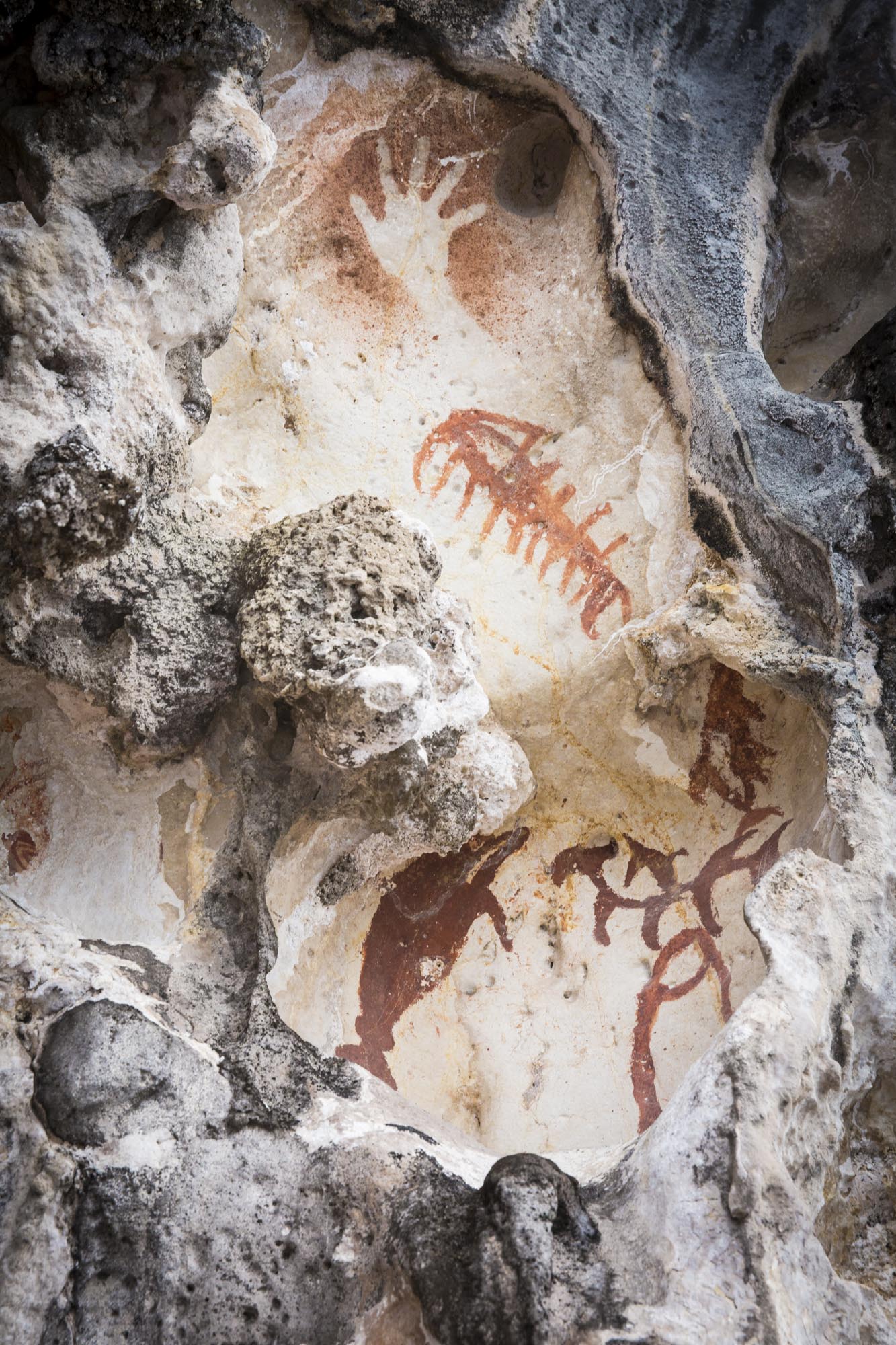
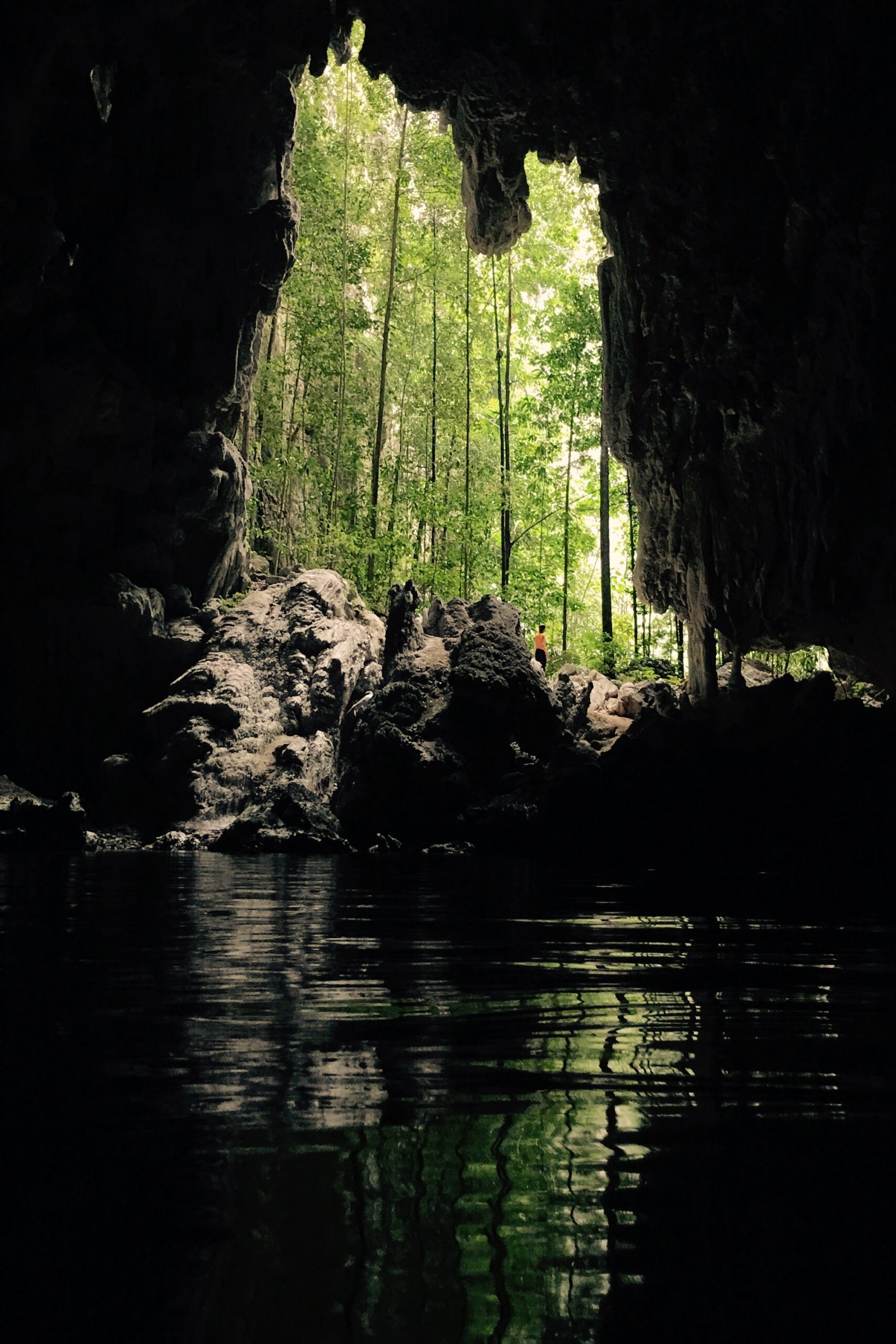
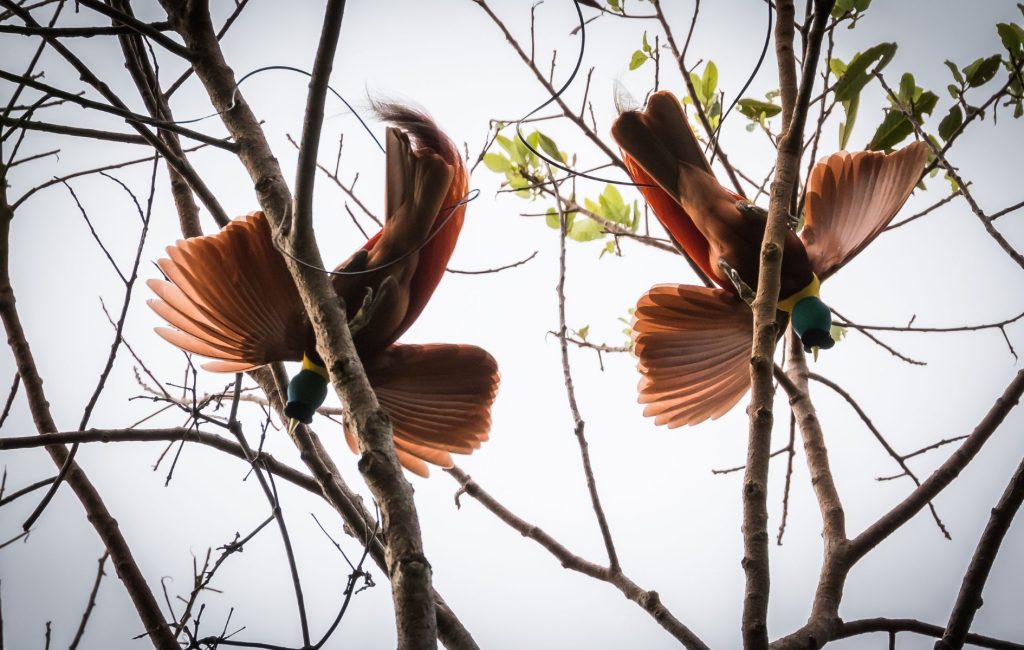
Beyond the underwater world, the expedition explores spectacular island landscapes, remote villages, hidden lagoons and cultural traditions that have remained largely unchanged for generations.
Combining these two remarkable destinations creates one of the most complete liveaboard experiences available anywhere in the Coral Triangle. It is an expedition designed not only to showcase exceptional diving, but also to reveal the incredible natural and cultural diversity that makes eastern Indonesia one of the most extraordinary regions on Earth.
Come dive into the heart of Raja Ampat & Triton Bay and feel the magic of the most biodiverse waters on Earth.
Tentative Itinerary
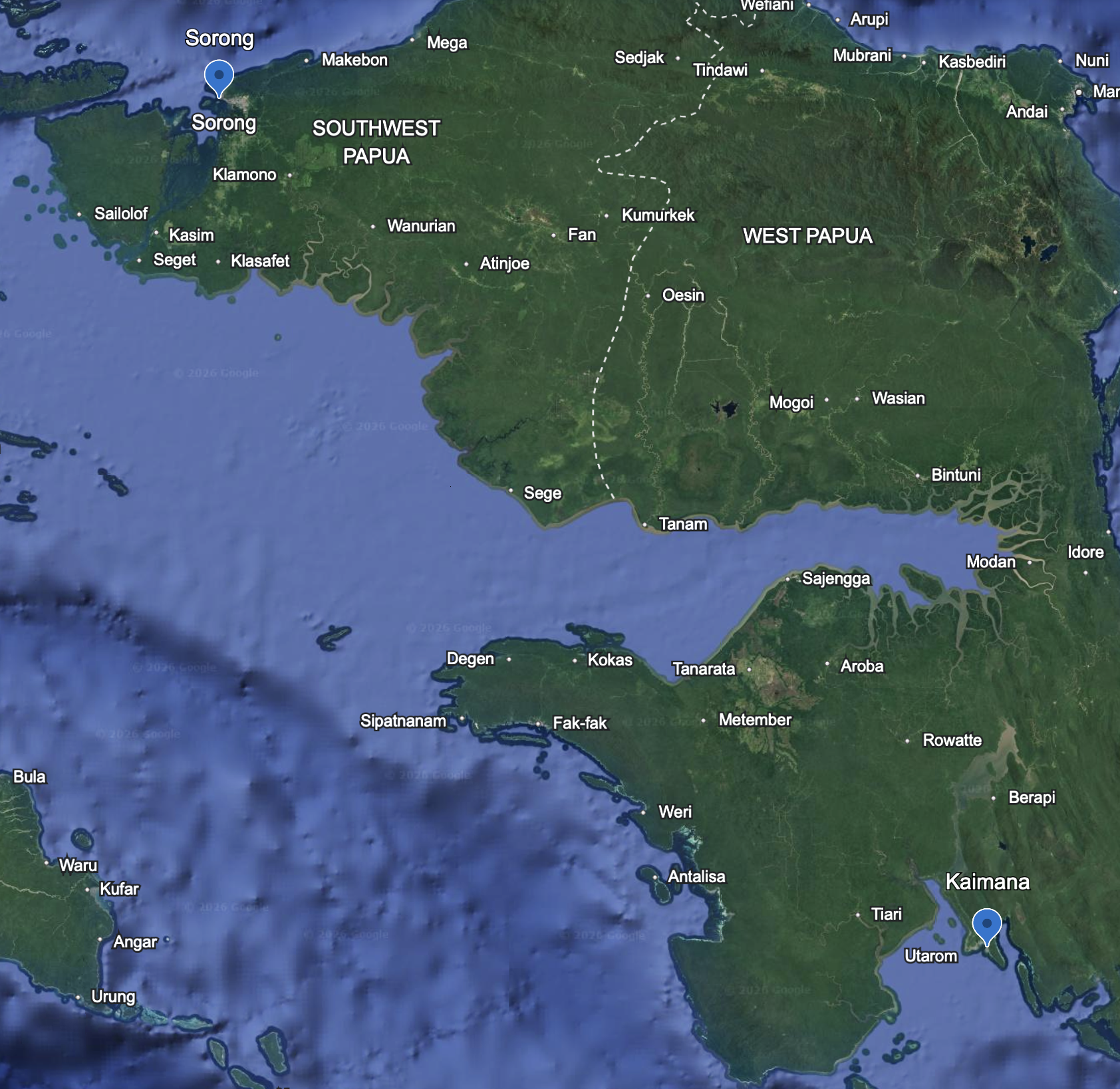
The itinerary may be adjusted at the discretion of the captain and cruise director based on weather conditions, which can sometimes be unpredictable, as well as the group’s overall experience. The goal is to offer the best possible diving and snorkeling sites according to the group’s interests and skill levels.
DAY 1 – PULAU MATAN (CHECK DIVE)
Arrival in Sorong. The crew will pick up guests at the airport and hotels, assist with transfers to the vessel, prepare dive equipment, conduct the boat briefing, and serve lunch on board. In the afternoon, the first dive of the trip will take place at Pulau Matan.
Roughly an hour from Sorong, this first dive site offers a great introduction to the underwater world of Raja Ampat. It’s an easy and relaxed dive, making it ideal as a check dive before the longer crossings and more challenging sites ahead. Despite its simplicity, the site packs in a little bit of everything you’ll encounter in the days to come: a mix of hard and soft corals, macro life, and schools of reef fish. If you’re lucky, you might spot your first wobbegong shark of the trip. This dive is a solid warm-up before you set off on a full night’s sail south to Misool.
DAY 2 – MANSUAR/KRI/MIOSKON
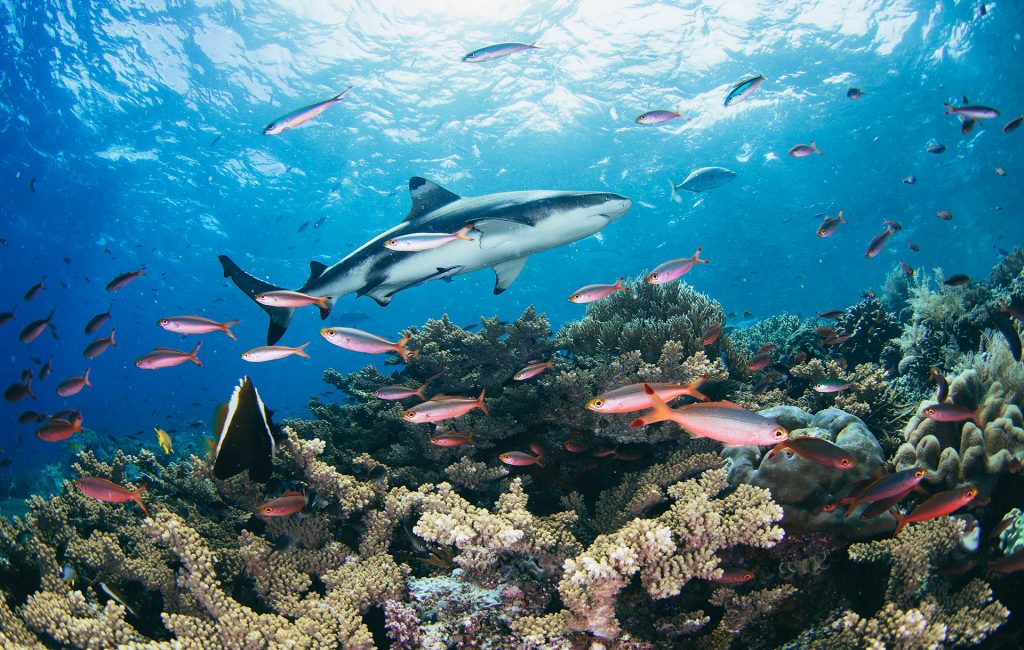
One of the most biodiverse diving regions in Raja Ampat. Expect dense fish populations, healthy coral gardens, and regular encounters with reef sharks, barracudas, jacks, and manta rays.
Popular sites include Sawandarek Jetty, Cape Kri, Sardine Reef, Blue Magic, Chicken Reef, Mike’s Point, and Saporkren (great for night diving).
DAY 3 – ARBOREK
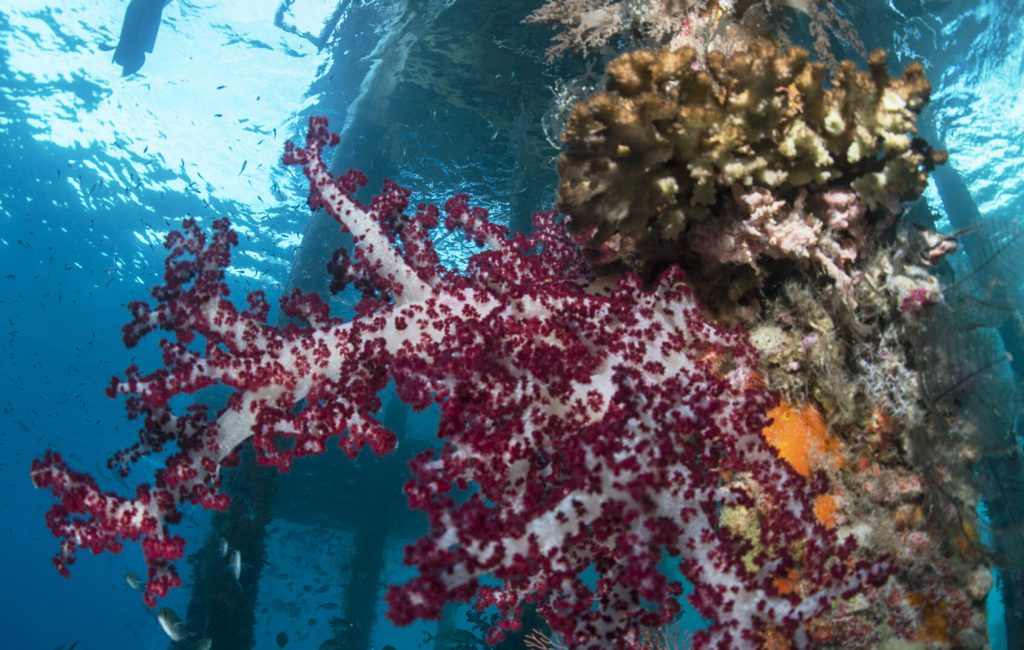
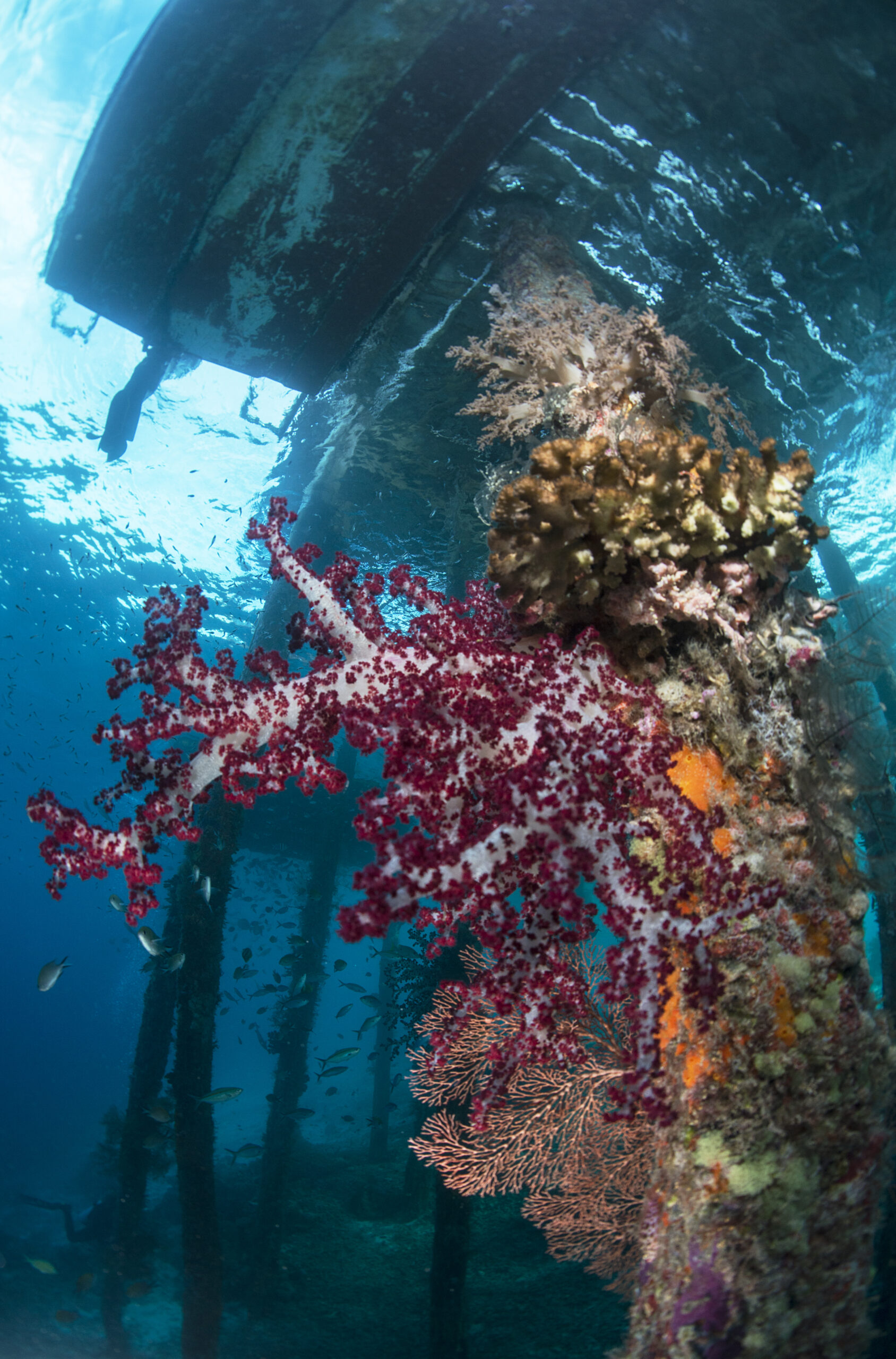
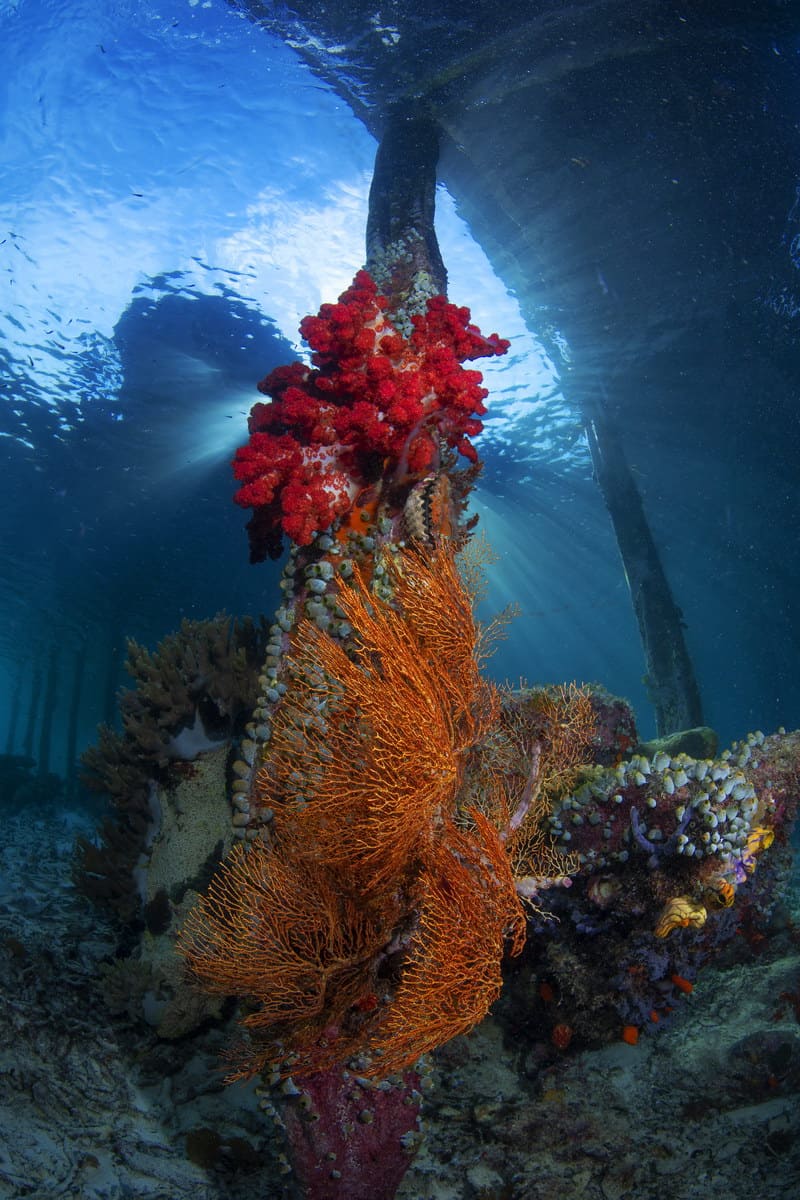
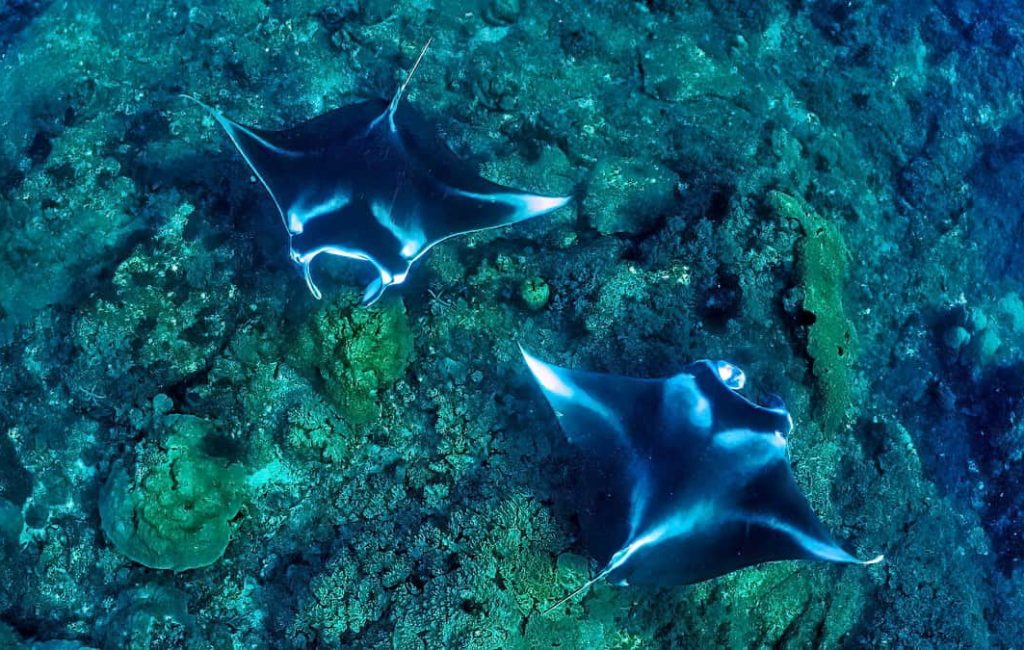
Arborek combines manta encounters with vibrant community-led conservation. The famous Arborek Jetty is known for easy conditions, colourful coral growth, and photogenic scenes.
Nearby, Lalosi, Manta Sandy, and Manta Ridge provide a mix of schooling fish, cleaning stations, and thrilling manta activity.
DAY 4 – PENEMU
Above water, Penemu offers a hike to a spectacular limestone scenery and a hike to the famous viewpoint. Famous for its iconic limestone lagoons and one of the most stunning viewpoints in Raja Ampat, Penemu blends breathtaking landscapes with spectacular reefs.
Underwater highlights include:
My Reef, Keruo Channel, Fantastic Reef, Galaxy, Batu Rufus, and the legendary Melissa’s Garden, often described as one of the best shallow reefs in the world, filled with enormous displays of living hard corals and clouds of reef fish.
DAY 5 – WAYILBATAN - MISOOL
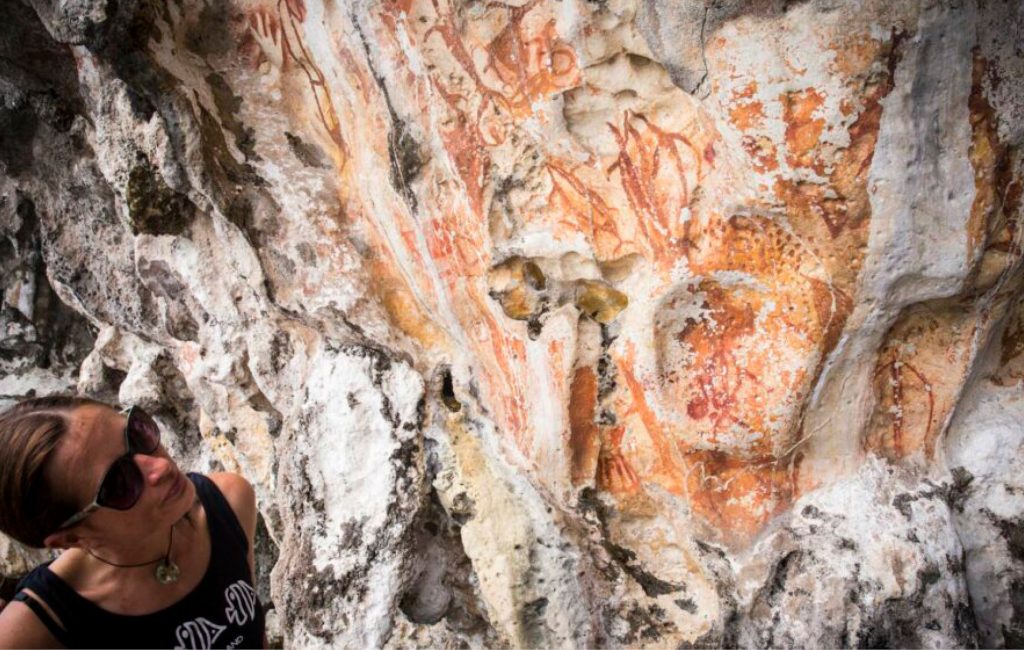
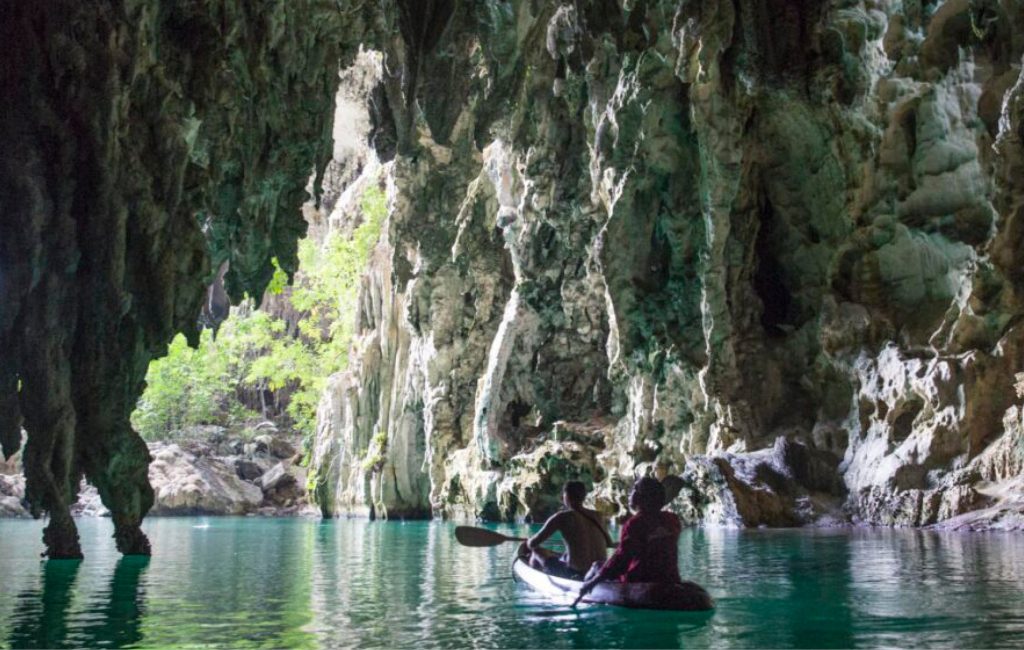
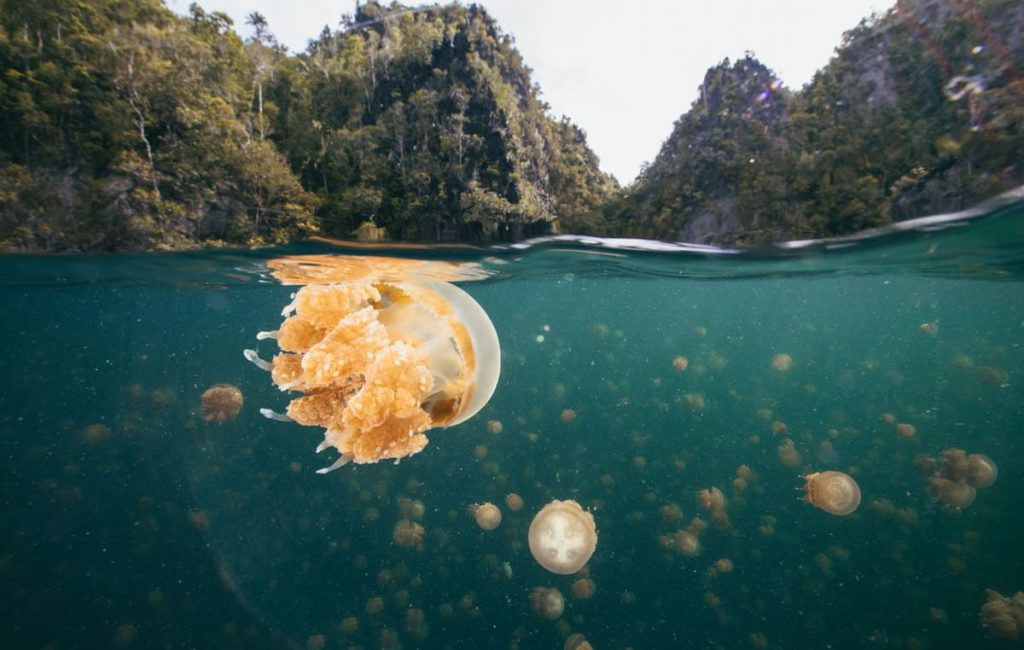
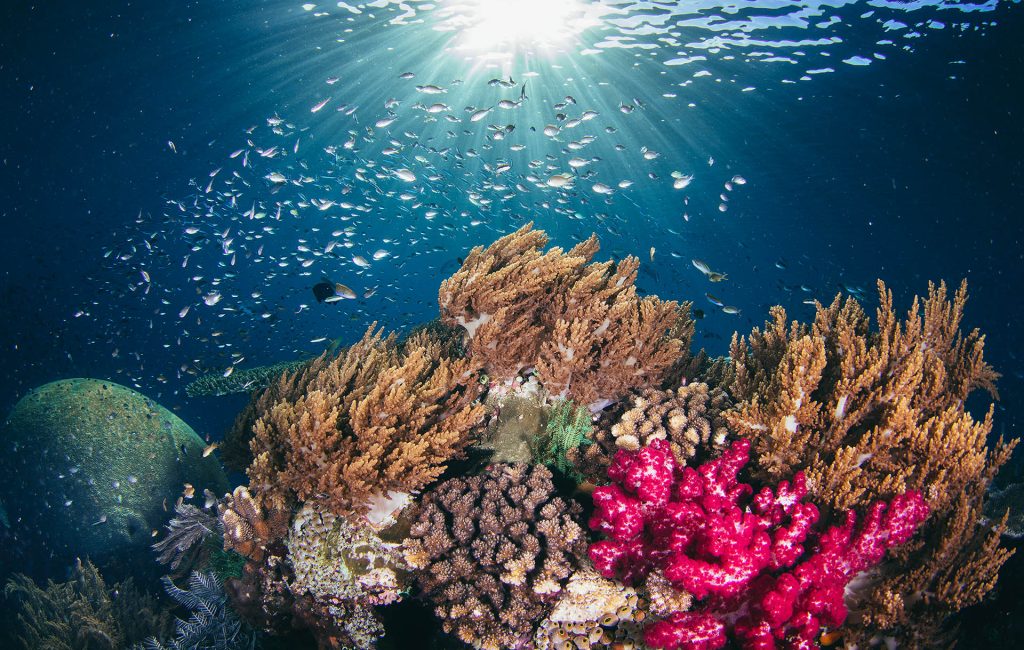
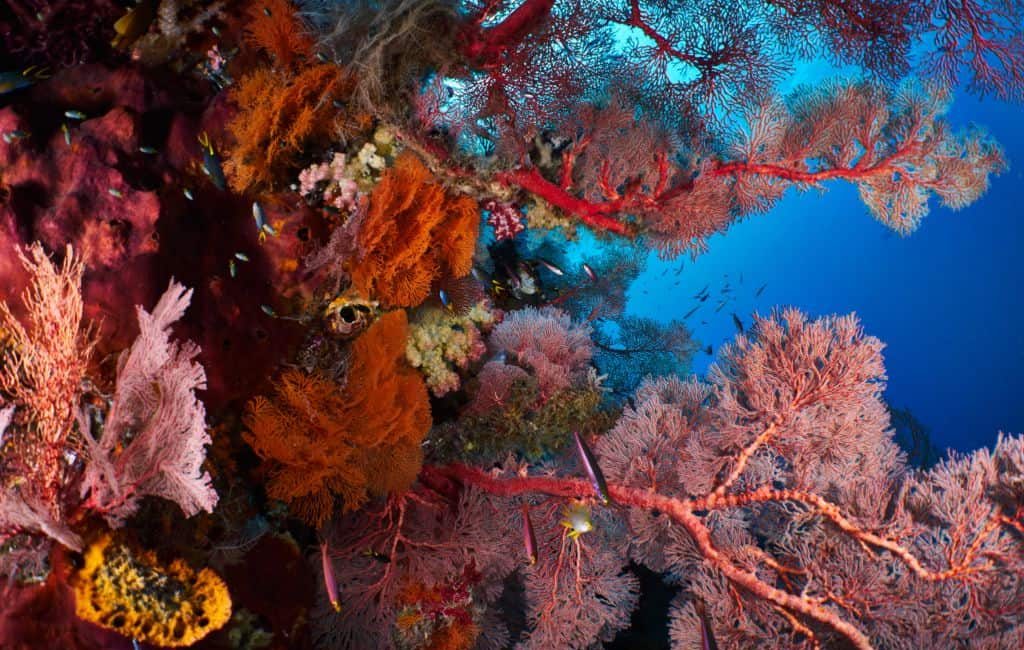
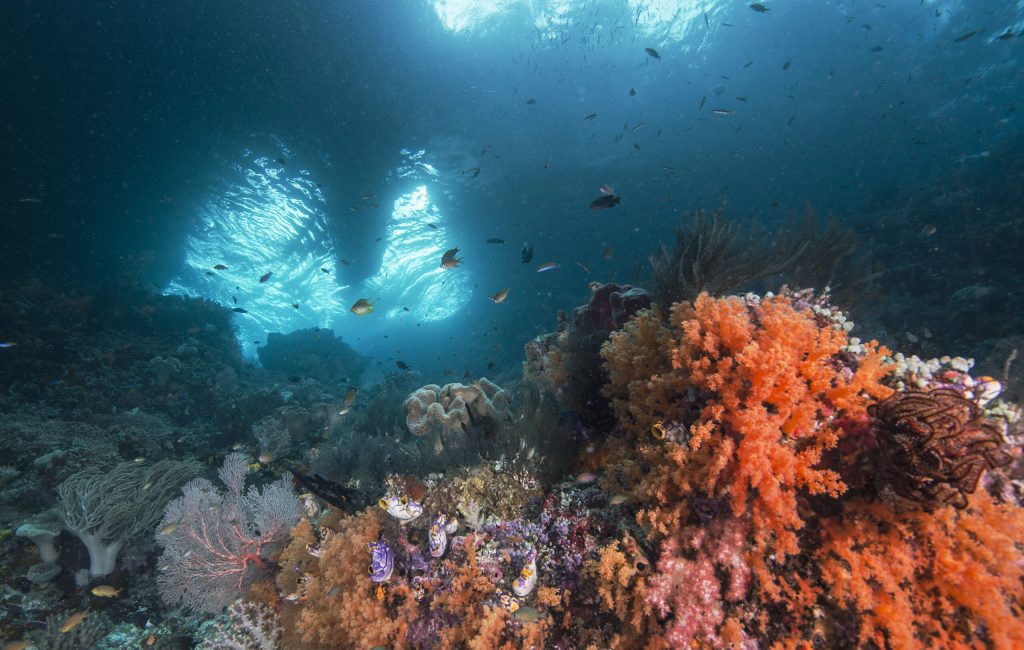
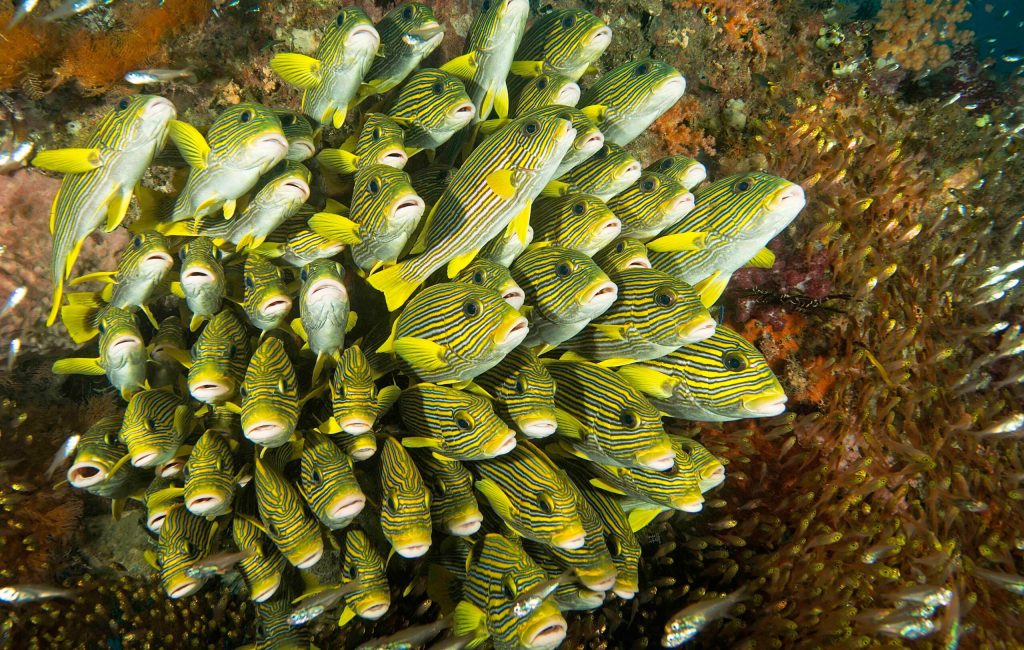
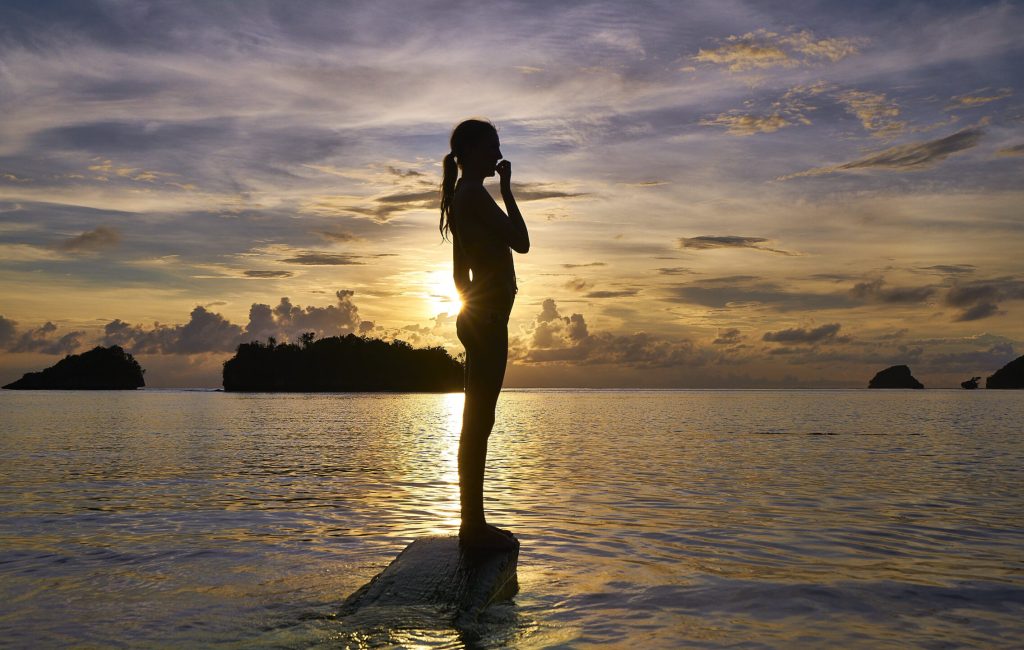
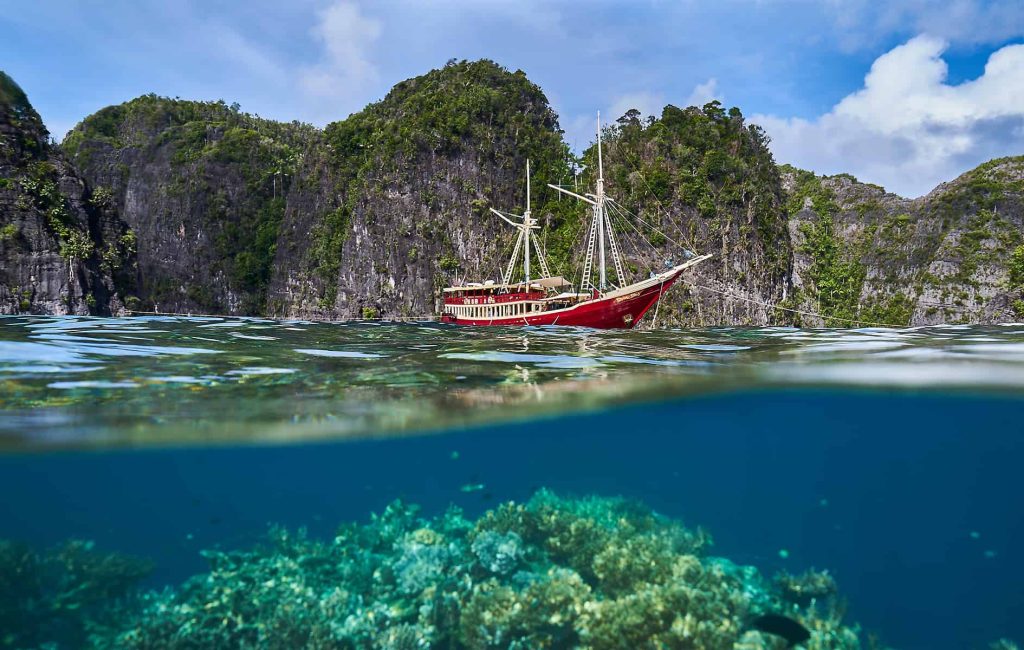
Wayilbatan is where the scenery of Raja Ampat becomes almost surreal. Above the water, limestone cliffs rise sharply from emerald lagoons, forming one of the most visually striking landscapes in the entire archipelago.
Underwater, Wayilbatan offers a collection of world-class sites, each with its own personality:
Wedding Cake
A gentle sloping reef with tiered coral “steps,” giving the site its name. Bright hard corals dominate the shallow terraces, creating a peaceful and photogenic dive.
Gorgonian Passage
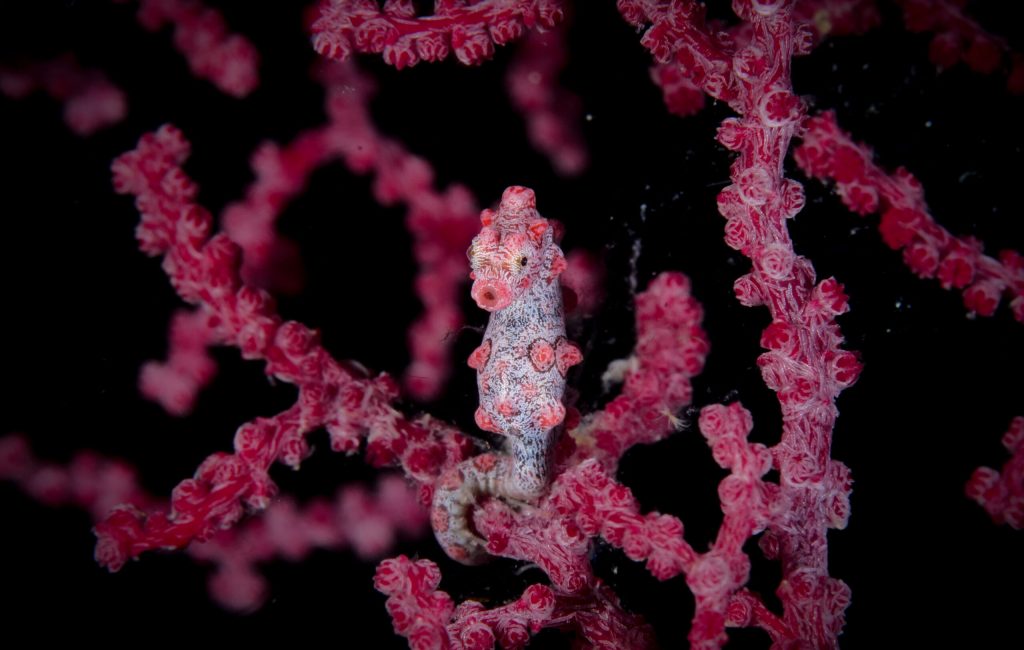
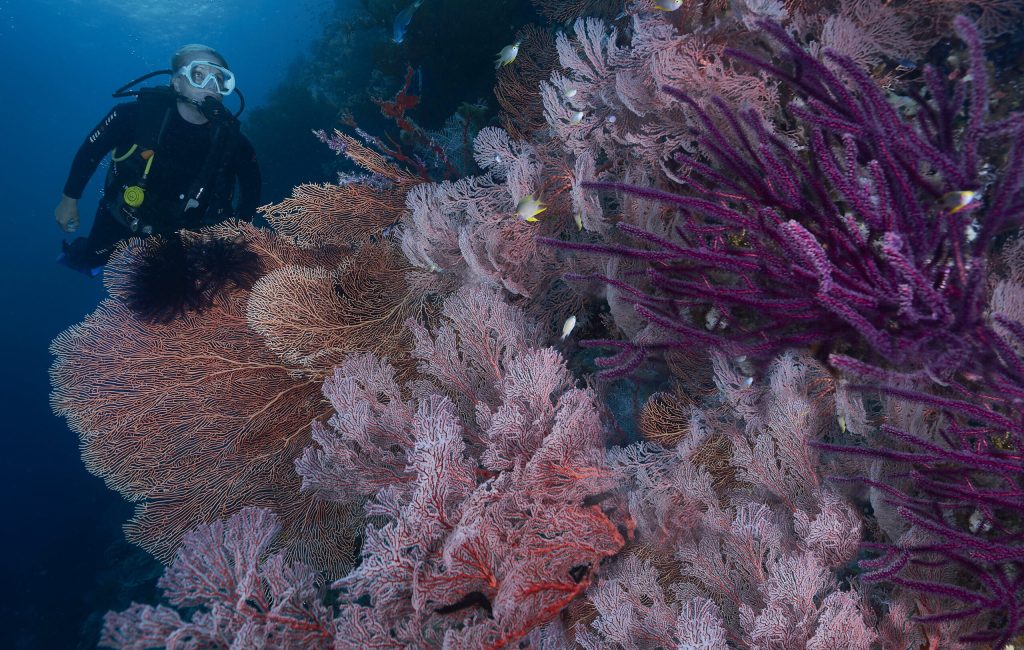
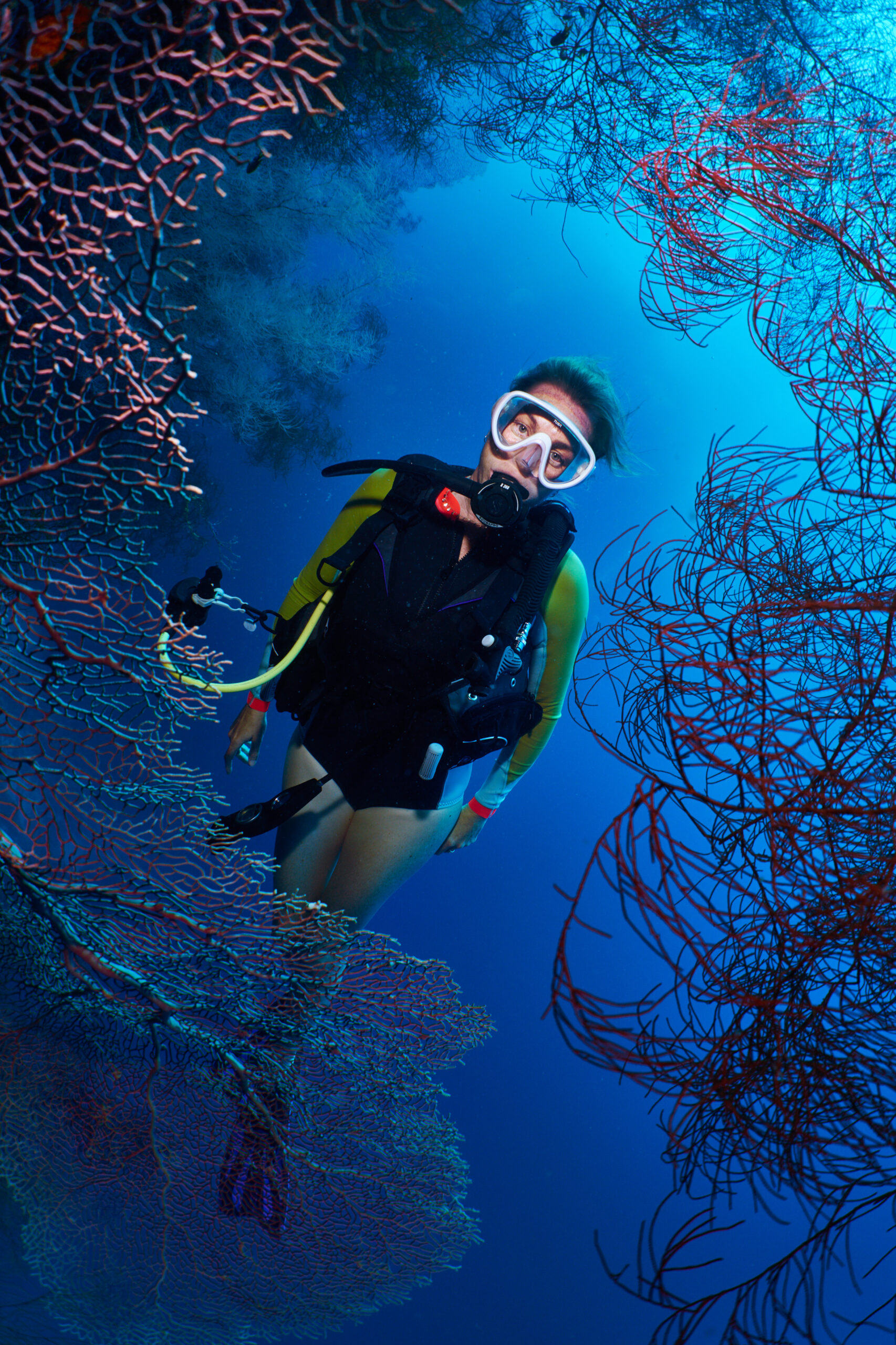
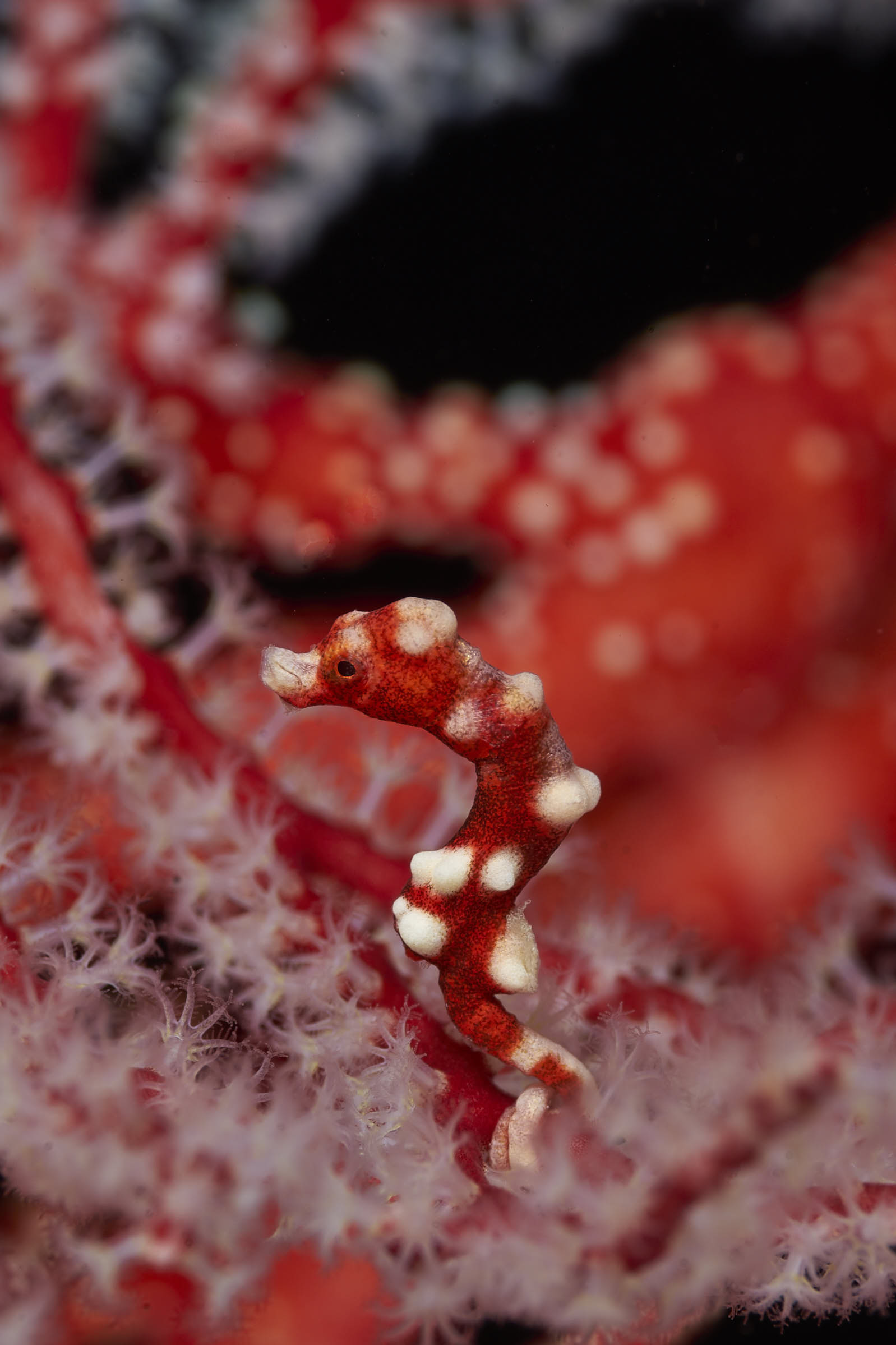
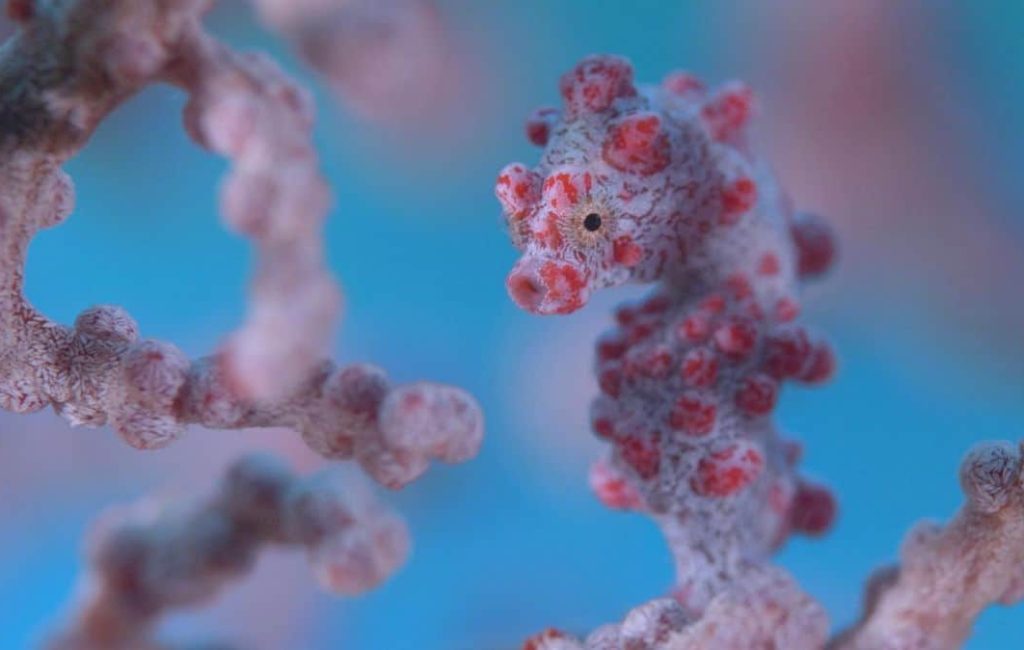
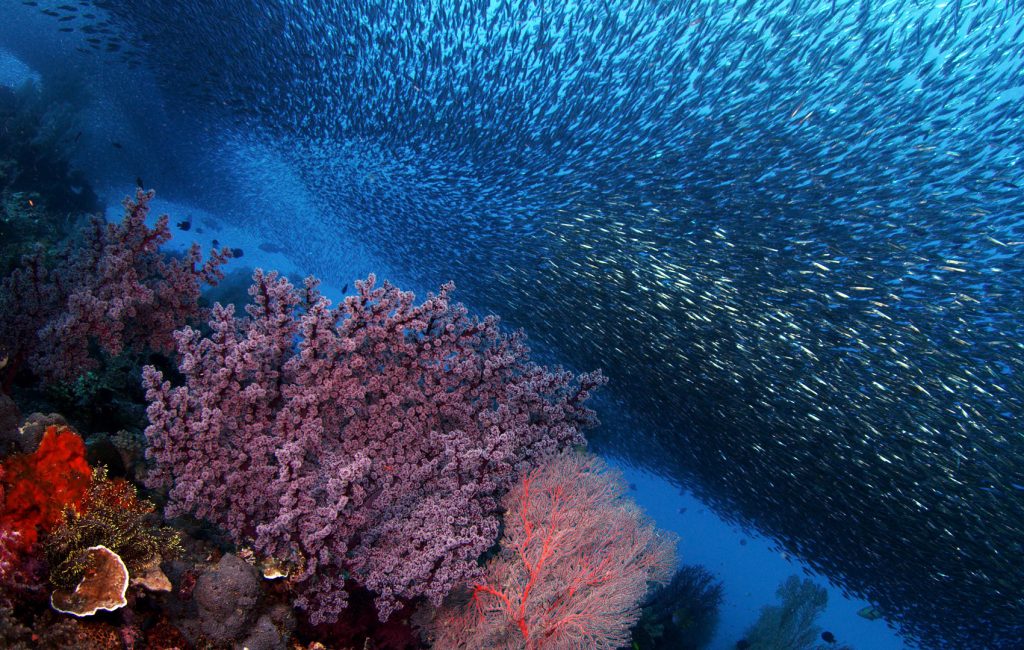
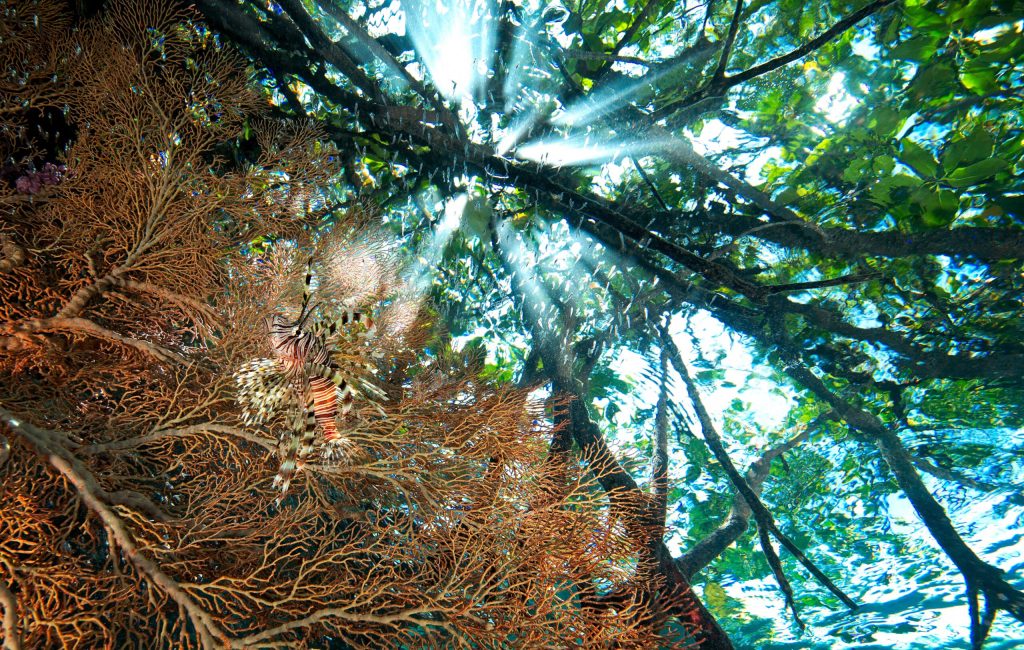
A narrow channel framed by huge sea fans and dramatic walls. Light filters beautifully through the passage, making it a perfect site for photographers and macro lovers, especially those seeking pygmy seahorses.
Barracuda Rock
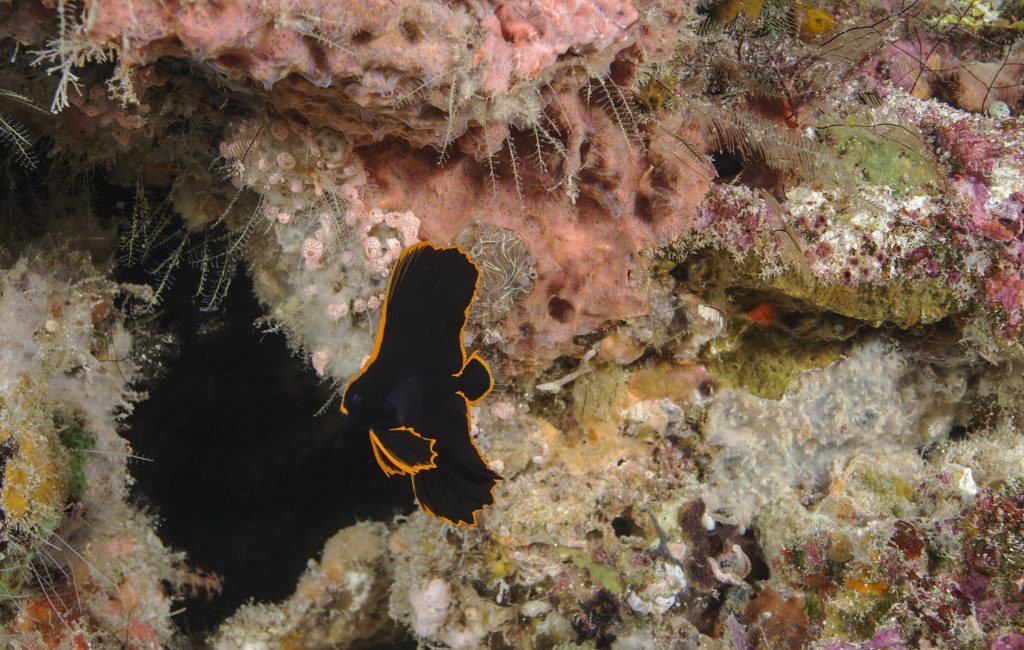
Often dived late in the day, this site reveals a “night shift” of crustaceans, cephalopods, nudibranchs, and possibly the charismatic epaulette shark, known for walking across the seabed.
Four Kings
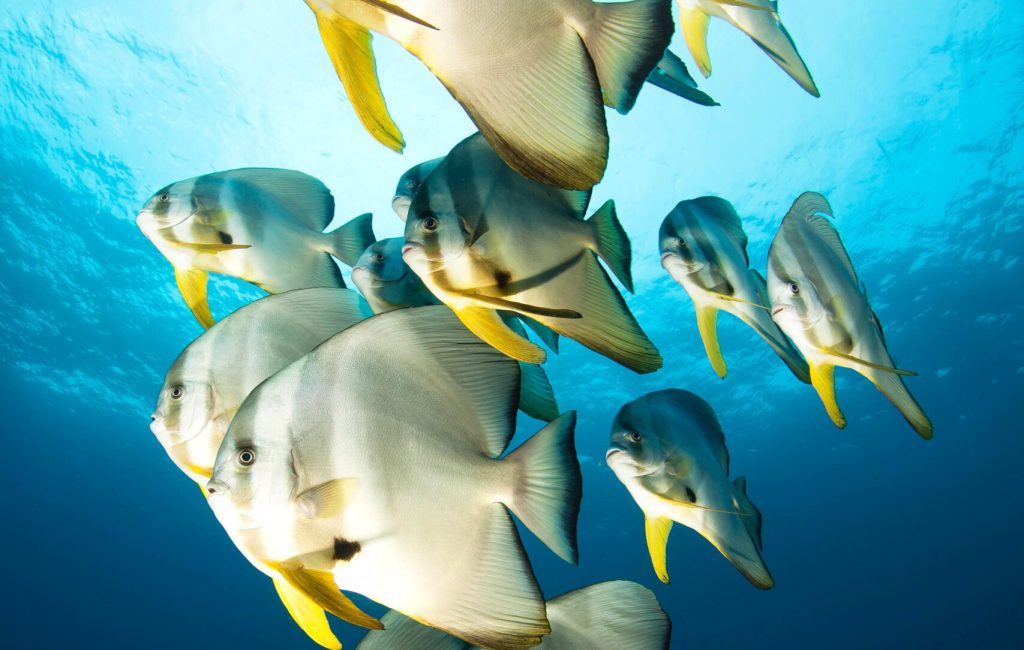
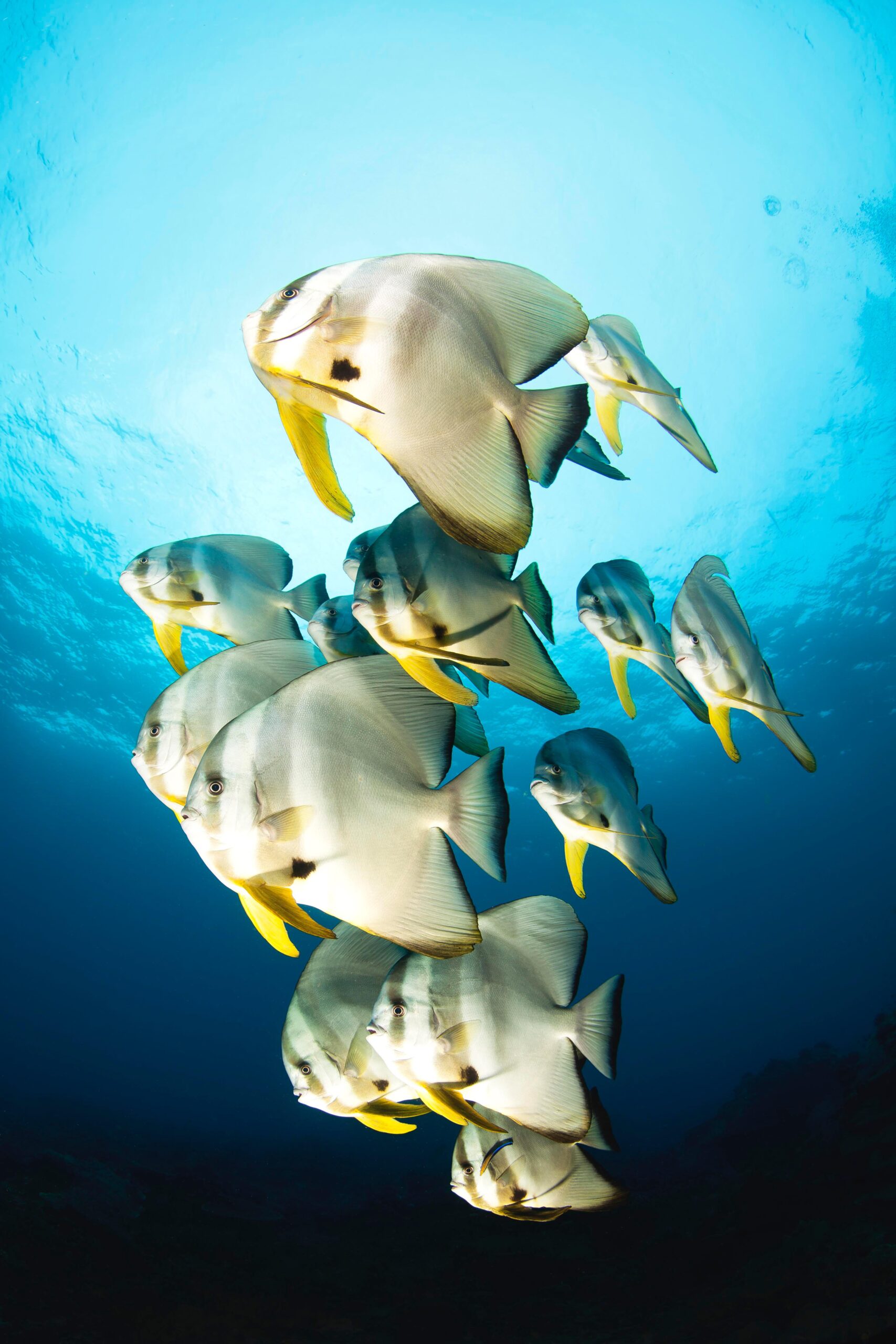
One of Misool’s signature sites. Four massive underwater pinnacles tower from the sea floor, covered entirely in hard and soft corals. The swim-throughs between them fill with fusiliers, snappers, and batfish, creating a swirling underwater spectacle.
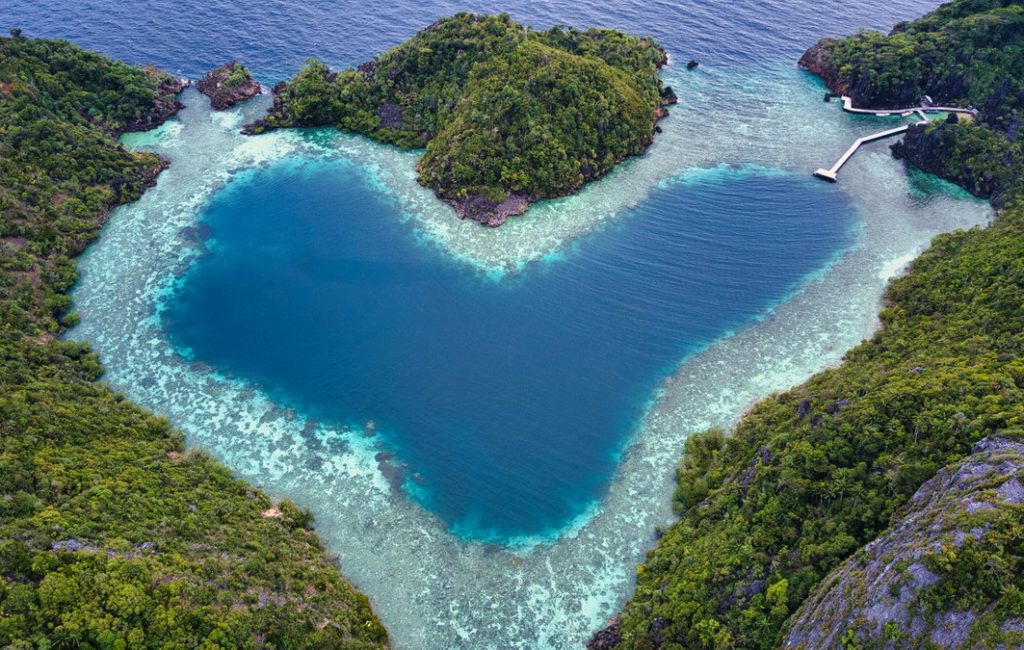
Love Lagoon (Heart Lake)
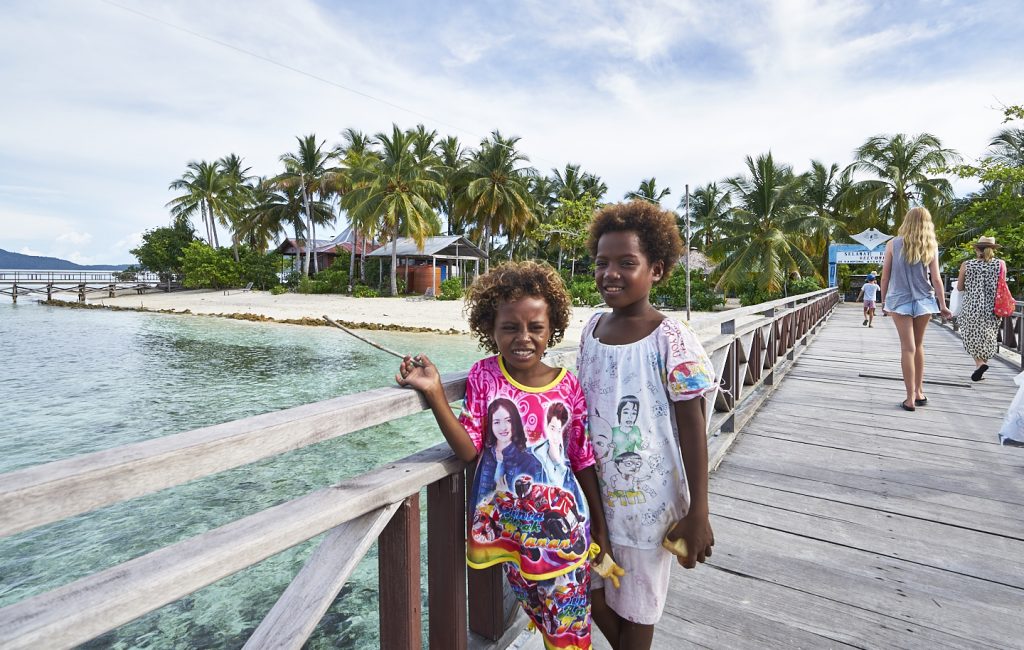
A stunning heart-shaped lagoon reached by a short but rewarding climb. It is one of the most iconic viewpoints in Raja Ampat and a highlight for guests between dives.
Wayilbatan often becomes the day guests remember as “this is the Raja Ampat I dreamed of.”
DAY 6 – FIABACET & BOO - MISOOL
The Fiabacet and Boo area represents the beating heart of Misool’s marine biodiversity, widely considered one of the richest marine ecosystems on Earth.
The Fiabacet chain, with sites such as Nudi Rock, Tank Rock, and Whale Rock, features a thrilling mix of steep ridges, coral-draped pinnacles, shallow gardens, and pelagic activity. Boo Island is home to the iconic Boo Windows, a natural rock formation carved with large swim-through holes that create one of the most photographed underwater scenes in the world.
The crown jewel of the area is Shadow Reef (Magic Mountain), one of the most sought-after dive sites globally. Guests can expect:
• Oceanic manta rays
• Grey reef sharks
• Schools of jacks and snappers
• Giant trevallies
• Batfish clouds
• Incredible reef health
Fiabacet & Boo deliver many guests’ favourite dives of the entire trip.
DAY 7 – DARAM ISLANDS
The Daram Islands lie in a remote corner of southeast Misool, known for towering limestone formations and exceptional water clarity. This area is prized for its untouched reefs, dramatic underwater topography, and extraordinary colour. Sites like Andiamo, Candy Store, and Warna Berwarna are among the most vibrant reefs in Raja Ampat, boasting carpets of soft corals, huge sea fans, and bright chromatic contrasts that photographers adore.
This region feels wild and isolated, offering guests a true sense of “end-of-the-world diving.”
DAY 8 – PISANG ISLANDS
Situated in the remote waters between Misool and Halmahera, the Pisang Islands remain one of Indonesia’s best kept diving secrets. Isolated from the usual tourist routes, these pristine islands offer exceptional visibility, healthy coral reefs, and some of the most rewarding diving in eastern Indonesia.
Positioned directly within the path of the Indonesian Throughflow, the region benefits from nutrient rich currents that support an extraordinary abundance of marine life. Schools of jacks and barracuda patrol the blue, reef sharks cruise along the drop offs, and vibrant coral gardens blanket the underwater landscape in every direction.
Among the highlights is The Dome, a spectacular dive site renowned for its dramatic topography, colourful reef formations, and excellent opportunities for underwater photography. Nearby, T-Bone offers exhilarating drift dives along current swept ridges where pelagic species are frequently encountered.
For those with an eye for smaller subjects, Black Cave reveals a fascinating world of hidden crevices, overhangs, and macro life, while Lucky Ridge attracts larger schools of fish and delivers some of the most exciting current driven diving in the region.
Combining breathtaking reef scenery, thriving marine ecosystems, and a true sense of exploration, the Pisang Islands provide a perfect transition between the legendary reefs of Raja Ampat and the untouched wilderness of Triton Bay.
DAY 9 – MOMON SEAMOUNT - ARAFURA SEA
After a night crossing, we arrive to Momon seamount where we will do two dives Located in the Arafura Sea, Momon Seamount is an isolated underwater mountain known for its healthy coral formations, consistent currents, and high marine biodiversity. The top of the seamount rises to about 8–10 meters, creating a broad plateau surrounded by deeper slopes that descend into open water.
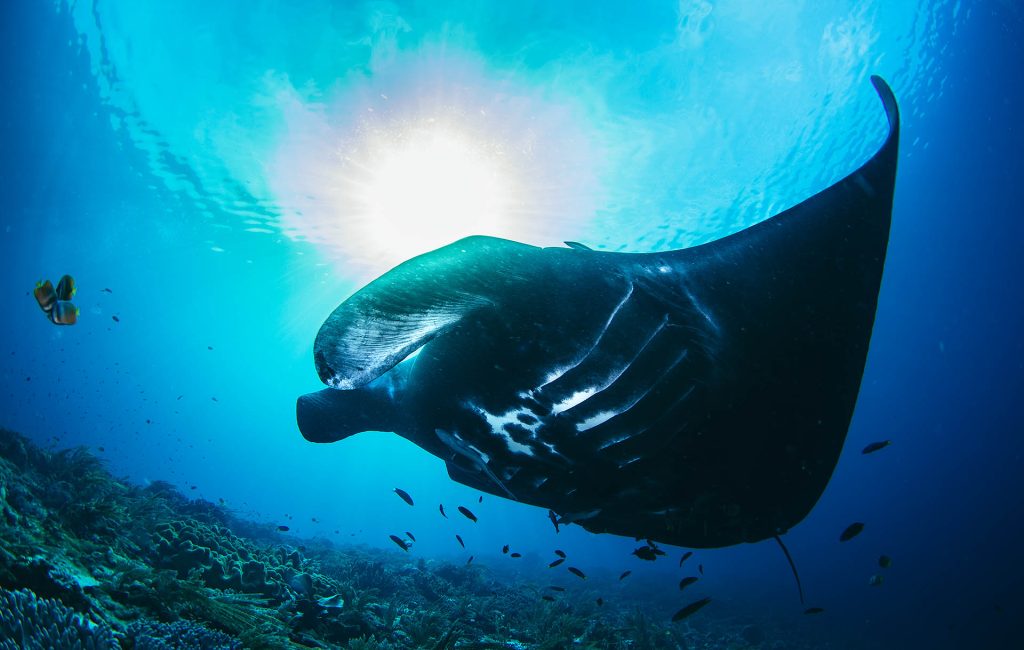
The site is recognized as a cleaning station for oceanic manta rays, which are frequently observed gliding over the plateau. In addition to mantas, divers may encounter Bigeye Trevally, Batfish, Napoleon Wrasse, and Giant Trevally. The coral growth includes large hard coral structures, sponges, and sea fans that thrive in the nutrient-rich flow.
Currents can vary from mild to strong depending on the tide, bringing excellent water movement and visibility but sometimes requiring good drift-diving experience. The combination of pelagic activity and coral health makes Momon Seamount one of the most notable dive sites in the region.
Near the dive site lies a Waterfall, a rare natural feature where freshwater from the jungle flows directly into the sea. The waterfall is accessible by tender and offers an opportunity for a short swim or freshwater rinse after diving. The contrast between the cool fresh water and the warm saltwater creates a unique and refreshing experience, often enjoyed as part of a liveaboard itinerary.
DAY 10 – PULAU AIDUMA - TRITON BAY AREA
The day begins under soft morning light, the sea a perfect mirror reflecting the jungle-clad hills of Triton Bay. The air is still cool as the crew gears up, three dives ahead, each promising a different face of this underwater paradise.
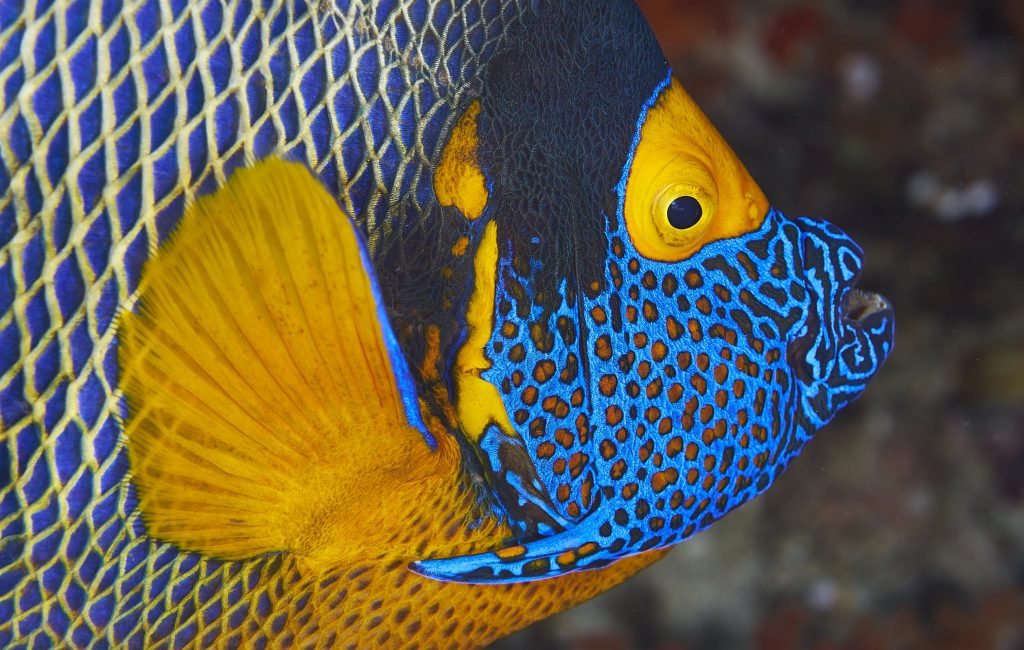
True to its name, Aquarium feels like diving into a natural fish tank. Gentle currents, and an explosion of color wherever you look. This site showcases Triton Bay’s coral diversity at its best, with fields of soft corals, hard coral bommies, and sponges shaped like sculptures. Anthias, butterflyfish, and angelfish dance through the light, while turtles glide serenely above the reef. Ideal for both beginners and photographers, Aquarium is a calm, immersive dive that reveals the gentler, more poetic side of this marine paradise.
Andy’s Point greets us with moving water and a touch of adrenaline. The current sweeps along steep coral-covered ridges, carrying clouds of fusiliers, barracudas, and trevallies. Massive black coral bushes sway in the flow, and every crevice hides life — wobbegongs resting motionless, pygmy seahorses clinging to gorgonians, nudibranchs glowing like jewels. This is Triton Bay at its wildest: raw, unpredictable, and absolutely thrilling. Each drift reveals a new surprise, each pause a tiny world waiting to be discovered.
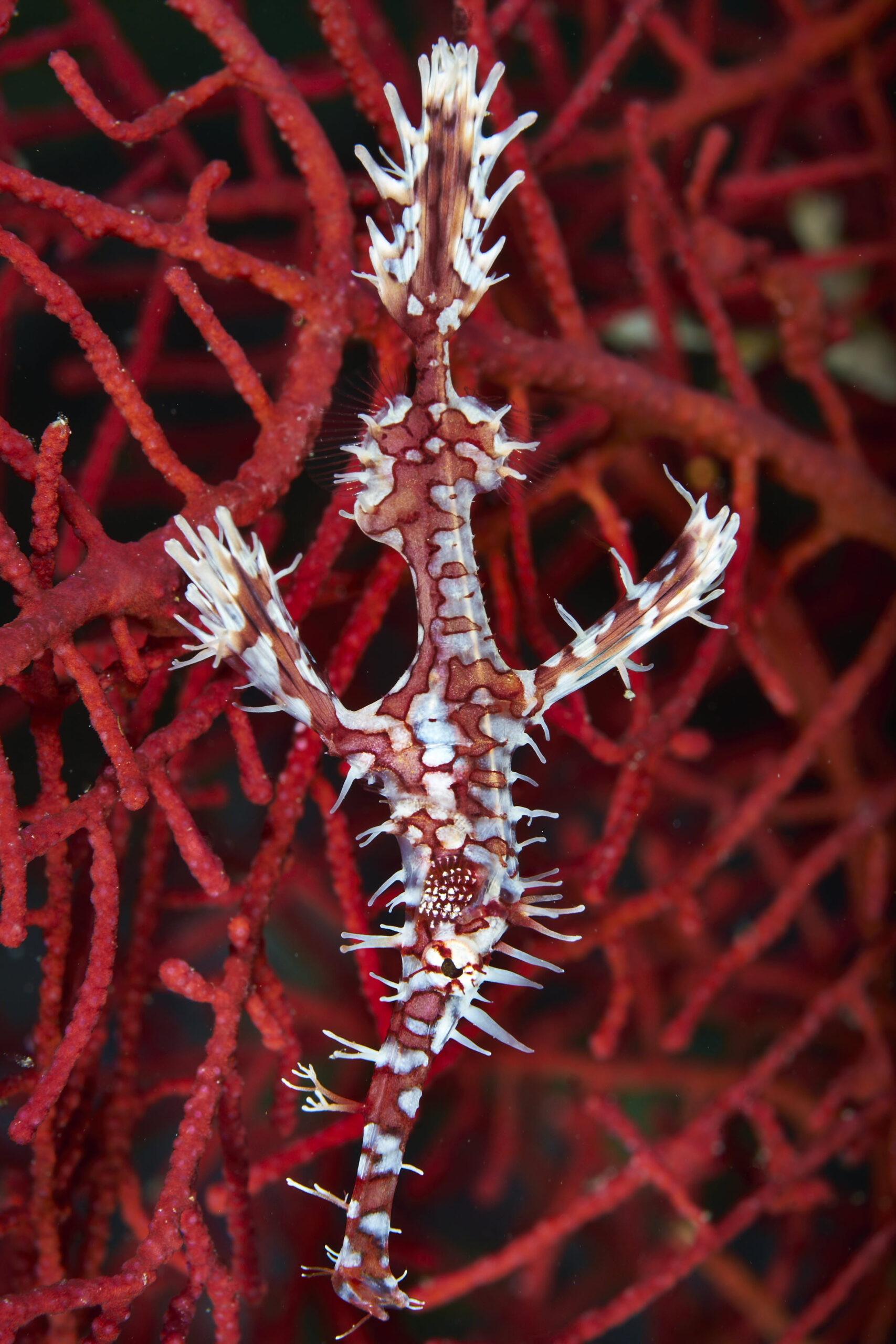
As the afternoon sun softens, we descend on White Rock, a gleaming limestone pinnacle rising from the sea. Below the surface, the reef glows in the fading light, a masterpiece of coral and color. Flasher wrasses dance in bursts of neon, while ghost pipefish hover delicately between sea fans. Pelagic visitors sometimes glide past, mobulas, tunas, or sleek reef sharks, reminders that even in stillness, the ocean is never truly quiet. It’s a serene, almost poetic finale to a day of contrasts, from calm to current, from frenzy to peace.
DAY 11 – PINTU ARUS - TRITON BAY AREA
Dawn breaks softly over Triton Bay, painting the water in hues of silver and gold. The sea is calm, the air charged with quiet anticipation — today’s dives promise both power and grace, a journey through the living pulse of the currents.
We begin the day at Pintu Arus, a site that lives up to its name, the “Gate of Currents.” Here, two water masses collide, stirring up a rich blend of nutrients that fuels an explosion of life. The current carries us through a corridor of color: soft corals and sea fans swaying like underwater gardens, tiny crustaceans tucked among branches, reef fish flashing past in every direction. Trevallies and jacks cut through the blue in sharp, synchronized bursts. It’s an exhilarating drift, the kind that makes you surrender to the rhythm of the ocean.
A short ride from Pintu Arus brings us to Little Komodo, one of Triton Bay’s most iconic sites. Named after its wild namesake in Komodo, it captures the same untamed spirit, a place where everything moves, glows, and breathes in unison. Descending into the blue, you’re greeted by a riot of color: orange and purple soft corals, swirling anthias and fusiliers, sweetlips hovering motionless above the reef. Along the edges, trevallies and mackerel hunt in formation, while wobbegong sharks rest camouflaged on the sandy bottom. When the current runs just right, the dive becomes pure poetry, a flowing ride through a storm of life and color that defines Triton Bay’s raw beauty.
As the sun lowers toward the horizon, we return to Pintu Arus to dive it from the other side. for a final dive. The light has softened, and the reef feels transformed. Shadows stretch across the coral, and schools of fish move in lazy synchrony, as if winding down for the day. The current, still present but gentler now, carries us in a calm, meditative drift, a perfect ending to a day defined by motion and light.
Back on the boat, golden reflections ripple across the bay. The crew is quiet, content, watching the last rays disappear behind the headlands. Three dives, one ocean, and a day that captures the untamed heartbeat of Triton Bay.
DAY 12 – PULAU DRAMAI & PULAU AIDUMA - TRITON BAY AREA
A new day begins as we continue exploring the outer islands of Triton Bay, an area known for its rich coral ecosystems and dramatic underwater scenery. Today’s dives focus on the region’s western side, visiting Dramai, Batu Jeruk, and Christmas Rock, three sites that highlight the diversity of habitats and marine life found in this part of the bay.
Named after one of Triton Bay’s outer island, Dramai offers a mix of shallow coral gardens and steep slopes covered in soft corals. The site is often the first dive of the day, with excellent morning light illuminating the reef. Orange and pink soft corals dominate the upper sections, while deeper areas feature gorgonians and sponges that attract a wide range of reef fish. Common sightings include fusiliers, sweetlips, wobbegongs, honeycomb more eels, and during periods of stronger current, blue fin and giant trevallies may pass through the area. The combination of vibrant coral cover and pelagic activity makes Dramai a representative dive site for Triton Bay’s outer reef systems — colorful, healthy, and full of movement.
Meaning “Orange Rock” in Indonesian, Batu Jeruk is named for its bright orange and gold soft corals that dominate the landscape. The site features large coral formations and bommies surrounded by sandy patches and scattered sea fans. Typical marine life includes glassfish, trevallies, and barracudas in the open water, while closer to the reef, divers may find shrimp, pipefish, and ornate ghost pipefish hidden among the coral. The vivid coral colors are especially striking in sunlight, giving Batu Jeruk a warm, glowing appearance that makes it one of the most visually distinctive reefs in the area.
Christmas Rock is a colorful and lively reef system characterized by large coral bommies and dense schools of reef fish. Sweetlips, surgeonfish, and yellow snapper are commonly found here, often gathered around the coral heads in large numbers. The steady current brings nutrient-rich water that supports the reef’s health and color. Divers may also encounter rays resting on the sand, and a wide variety of nudibranchs. With its strong coral growth, high fish density, and bright natural light, Christmas Rock captures the abundance and vibrancy that define diving in Triton Bay.
These three sites — Dramai, Batu Jeruk, and Christmas Rock — offer an excellent overview of the outer reef environments of Triton Bay. From steep coral slopes and pelagic visitors to dense reef fish populations and colorful soft corals, each dive showcases a different facet of this remote and biologically rich region
DAY 13 – PULAU AIDUMA - TRITON BAY AREA
A new day begins as the vessel returns to Pulau Aiduma. Today’s dives will take place around Aiduma Island, one of the region’s best-known diving zones. The island’s coastline features a mix of steep rocky walls, coral slopes, and sheltered bays that host an exceptional variety of marine life.
Three daytime dives are planned around the island, each highlighting a different aspect of Aiduma’s underwater landscape, from vibrant coral gardens and macro-rich reefs to dramatic rock formations. The day will end with a night dive near the resort, offering a chance to search for one of Triton Bay’s most remarkable endemic species.
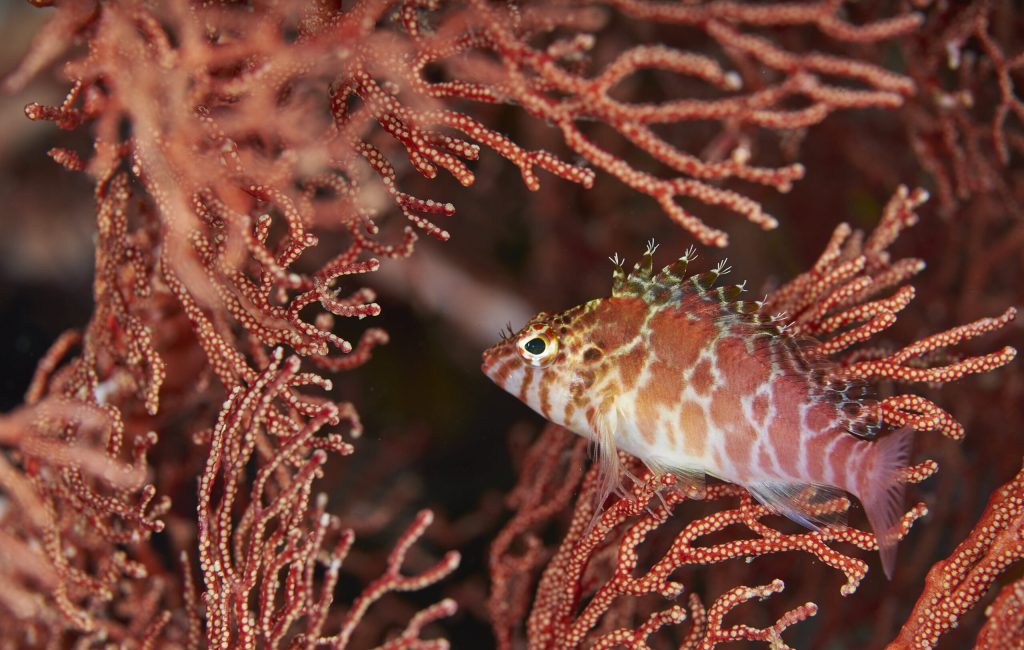
Bo’s Rainbow is one of Triton Bay’s most colorful and photogenic reefs. The site features a shallow profile, with depths averaging around 12–18 meters, making it suitable for both macro and wide-angle photography. Large coral bommies are covered in black coral bushes and soft coral gardens that attract a wide variety of reef life. Divers may encounter pygmy seahorses, nudibranchs, pipefish, and hawk groupers among the corals. The site also includes a small shallow swim-through that cuts through part of the island, adding variety to the dive. With mild conditions and rich coral growth, Bo’s Rainbow showcases the healthy, vibrant reef ecosystems typical of Triton Bay.
Named after the Indonesian term for “Falling Rock,” Batu Jatuh is characterized by large boulders that slope into deeper water, forming a terrain of canyons, ledges, and crevices. The rocks are densely covered with soft corals, sponges, and sea fans, creating a colorful and textured environment. Marine life commonly observed includes schools of snapper, moray eels, octopuses, and a variety of reef fish species. On clear days, sunlight filters through the formations, illuminating the coral walls and giving the site excellent photographic appeal. Batu Jatuh offers both scenic topography and rich marine biodiversity, suitable for slow exploration and observation.
Tangga is a versatile dive site combining sea fans, sandy areas, and scattered coral bommies. The variety of habitats supports an abundance of small marine life, making it a preferred site for macro enthusiasts. Typical sightings include pygmy seahorse, ornate ghost pipefish, and numerous species of nudibranchs. The site generally features gentle currents and good visibility, allowing for relaxed, detailed diving. With its mix of coral structures and open patches, Tanga provides an excellent opportunity to observe Triton Bay’s characteristic diversity in a compact, easily navigable setting.
The day concludes with a night dive in front of the resort at Aiduma Bay, a shallow area of sand and coral rubble ideal for observing nocturnal marine life. This site is known as a potential location to encounter the Triton Bay Walking Shark (Hemiscyllium sp.), an endemic species found only in this region. During the dive, divers may also observe crustaceans, cephalopods, benthic fish, and a range of invertebrates that become active after dark. The calm conditions and moderate depth make this an accessible and rewarding site for night exploration.
DAY 14 – TELUK BITSYARI - KAIMANA AREA
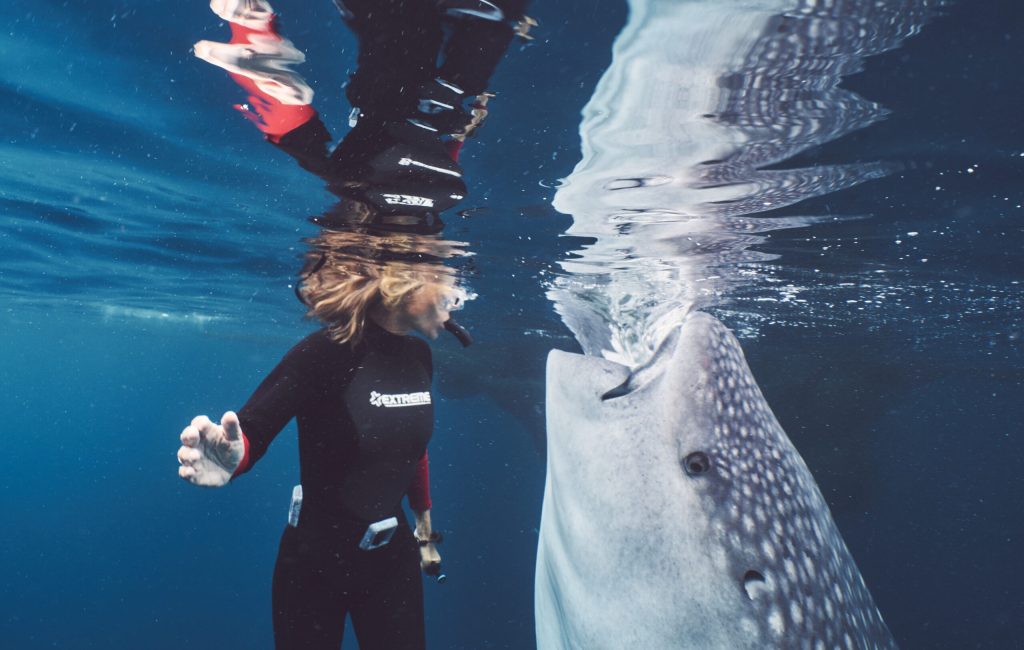
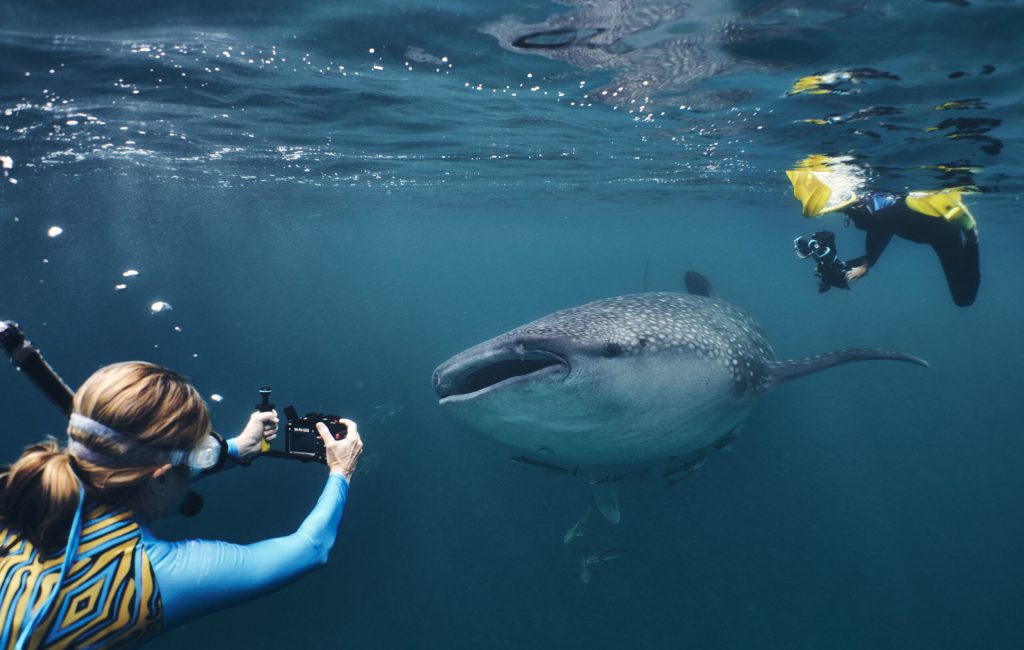
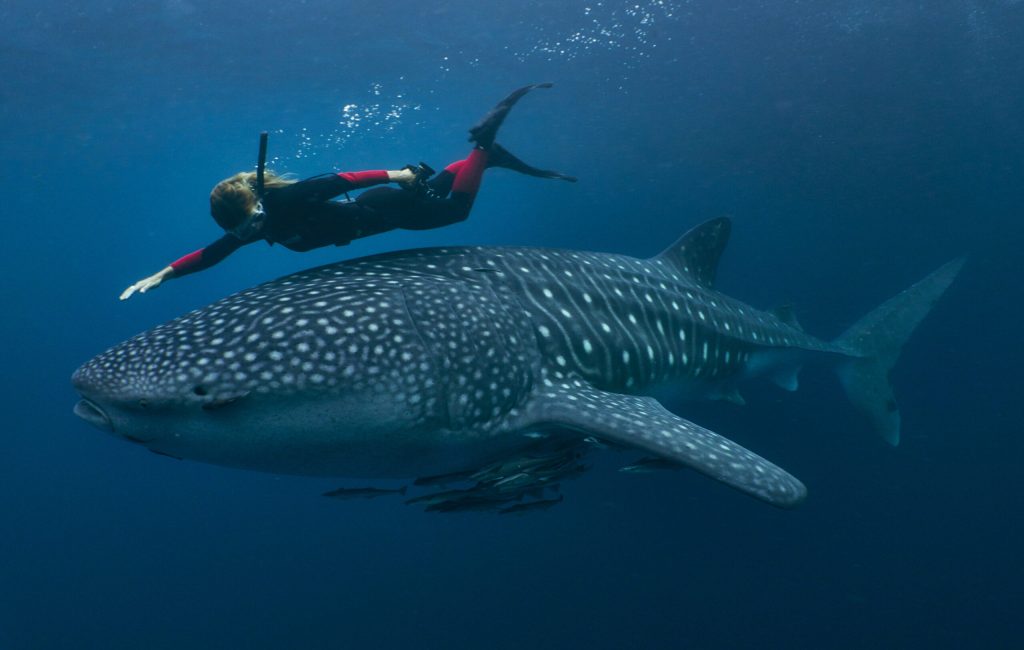
We’ll spend the morning diving and snorkeling beneath the bagans, traditional Indonesian wooden fishing platformsanchored offshore. Bagans lower large nets at night to catch baitfish (anchovies and sardines). At first light, the crew hauls the nets and rinses fish scraps over the water, this creates a natural feeding station that often attracts whale sharks, the “gentle giants” of Triton Bay.
We approach quietly by tender and enter the water in small groups to keep the scene calm. You’ll float beside the platform and let the sharks come to you, no chasing, no touching, always giving way. Visibility can be milky from plankton (that’s why the sharks are here!), but the close, unhurried encounters are unforgettable. Photographers should bring wide-angle setups; snorkelers enjoy eye-level moments as the sharks glide up from the blue.
After a full morning with these gentle giants, we’ll return to Namatota for a final dive in the area, an easy, scenic immersion along coral-draped slopes and boulder gardens
DAY 15 – KAIMANA (DISEMBARKATION)
Breakfast on board, assisted disembarkation, luggage handling, and transfers to Kaimana Airport or guests’ respective resorts or hotels.