Explore The Wonders Of Indonesia
Komodo – Komodo Exploration 10 Nights
Diving, adventure, and untamed nature in one of the world's most spectacular destinations
Komodo National Park was created in 1980 to protect the dragons and other rare and unusual wildlife here. Recognized as a UNESCO World Heritage site in 1991, Komodo has since been named as one of the ‘World’s Top Ten Destinations’ by National Geographic Magazine in the July 2017 edition.
The Park itself includes a trio of large islands (Komodo, Rinca, and Padar), interspersed with an archipelago of smaller islands and seamounts. Located at the boundary between the Indian and Pacific, these two great oceans are home to completely different marine environments. Driven by this confluence of oceans, the Indonesian Flow Through creates a net north to south current within the Flores Sea, which surrounds Komodo Park.
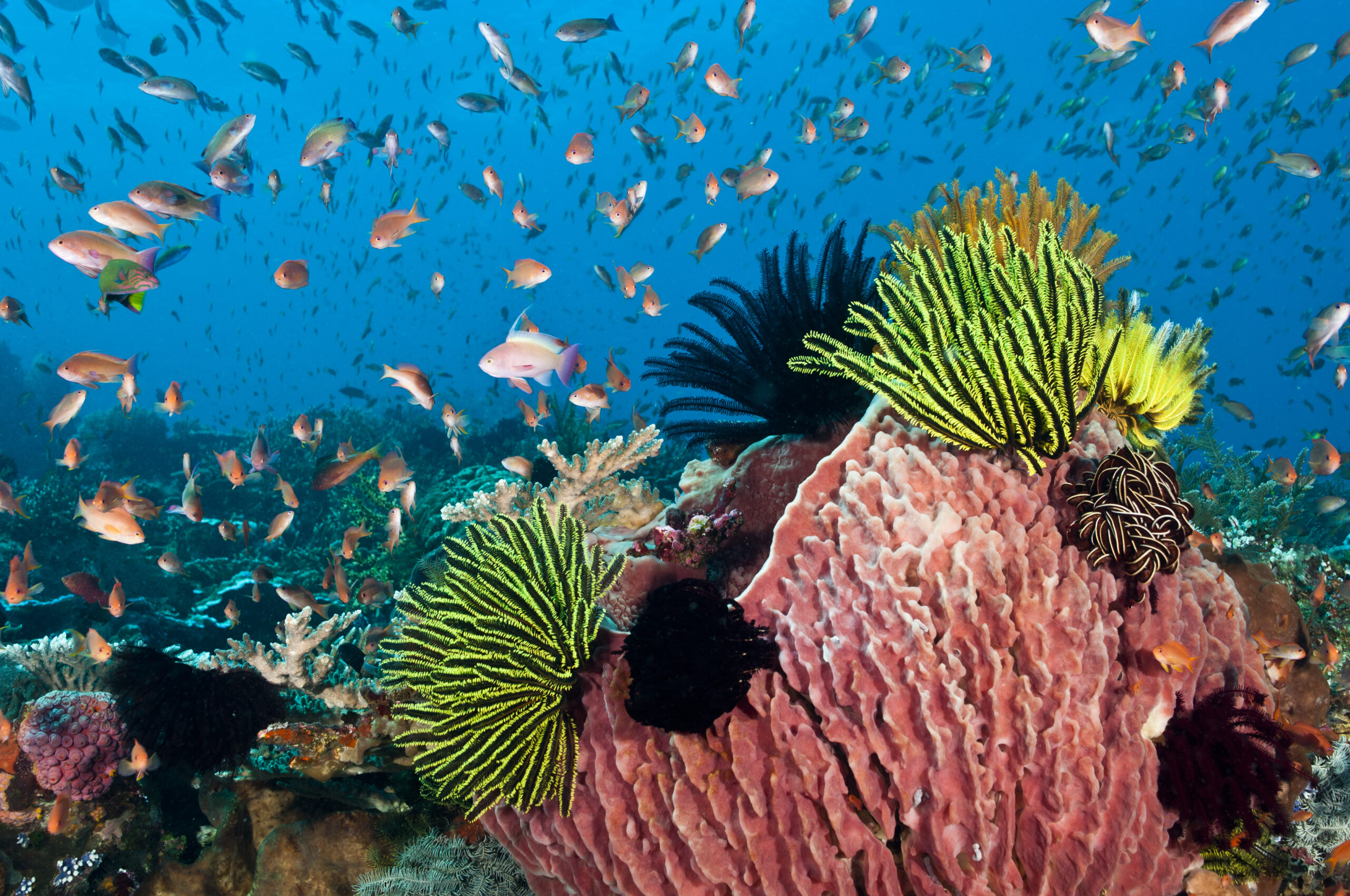
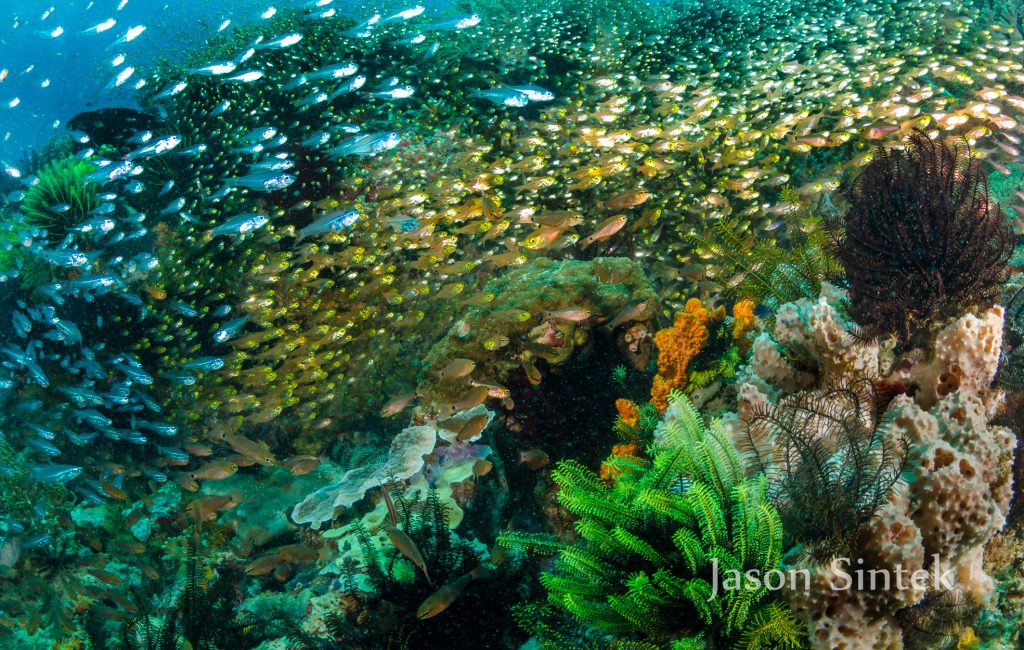
The end result is a stunning diversity of habitats and species in a relatively small area, enabling us to introduce you to an incredible variety of dive sites and marine environments with a minimal amount of travel time between your adventures.
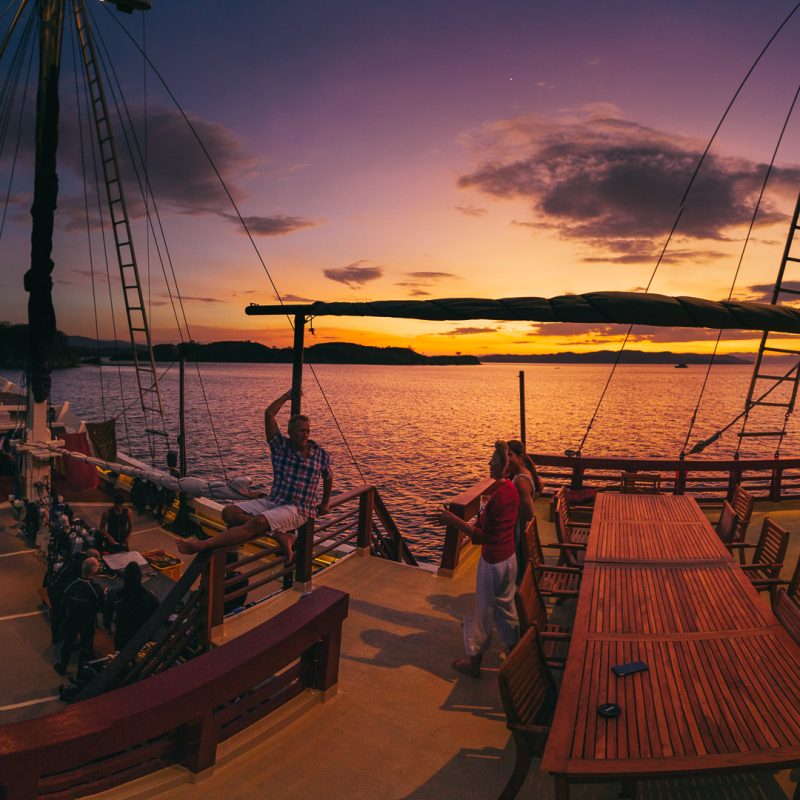
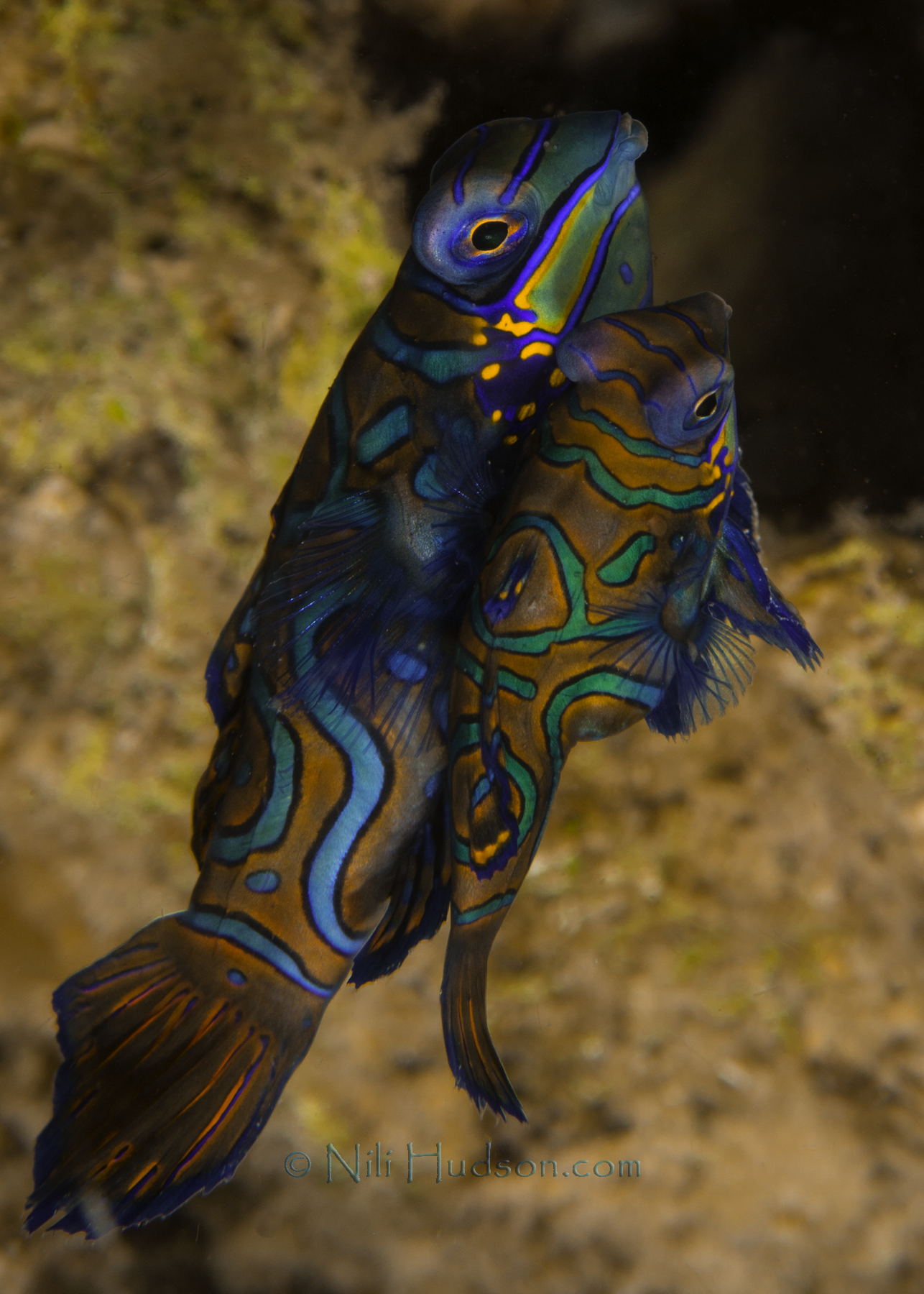
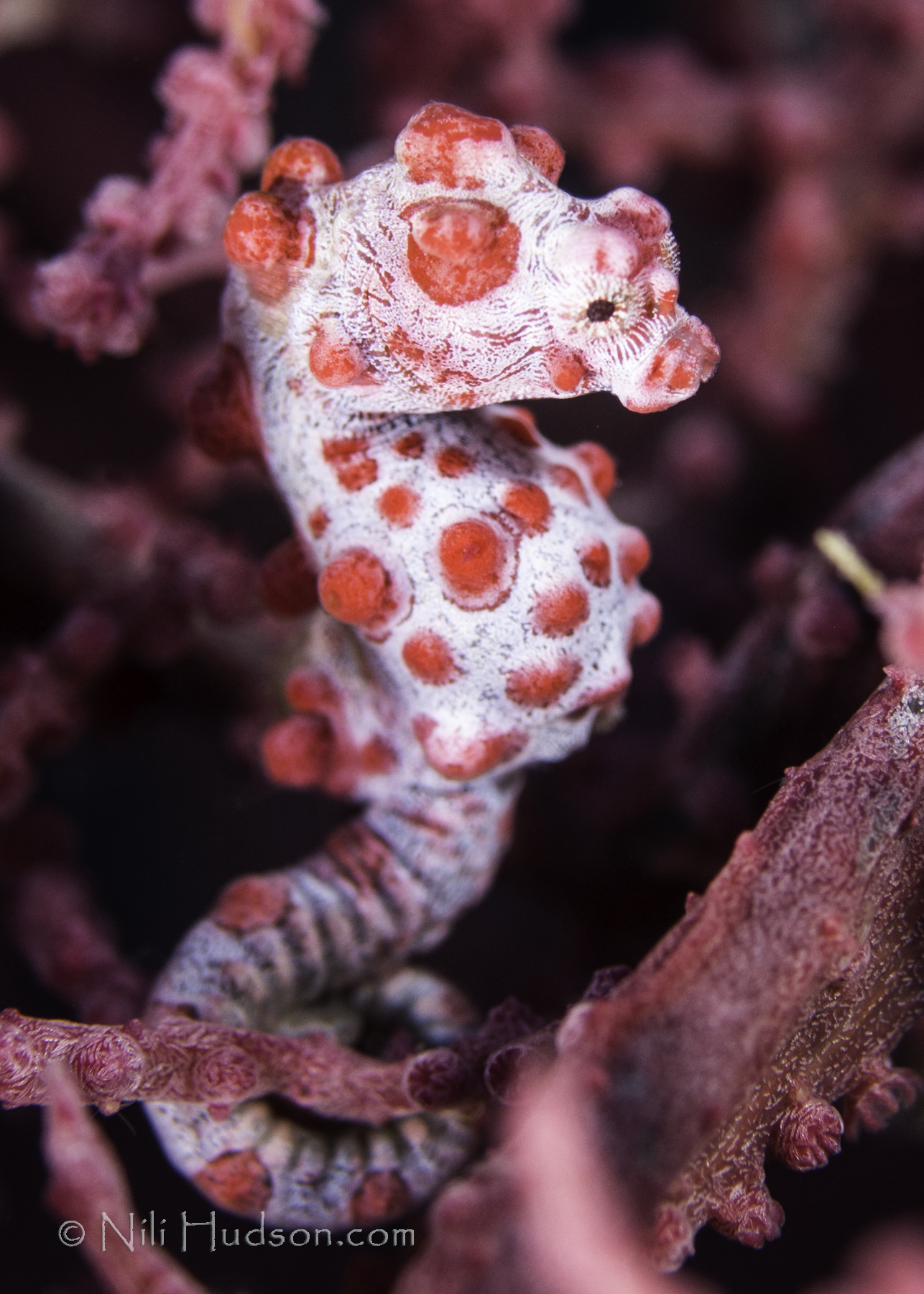
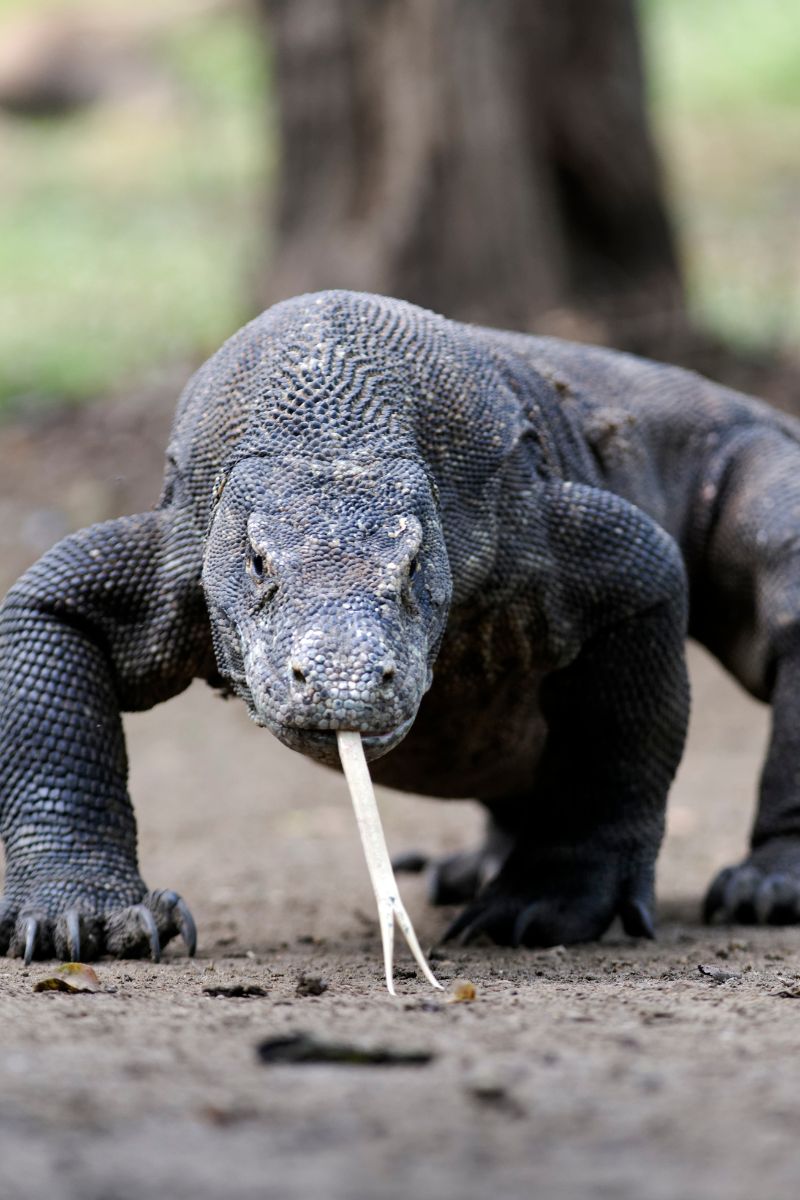
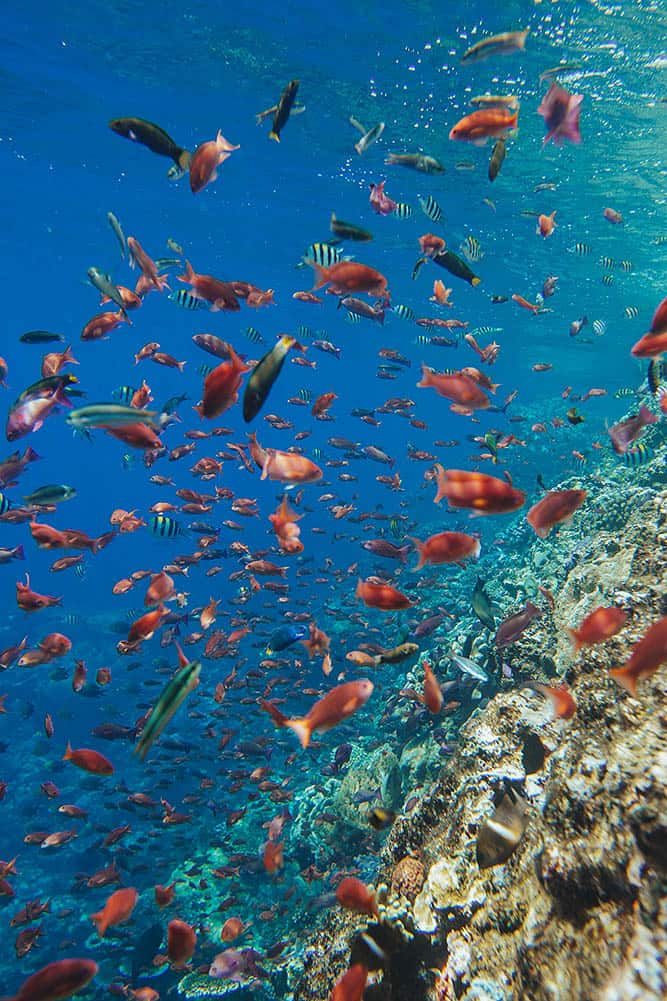
More Than Diving. The adventure continues above the surface.
We’ll introduce you to Komodo’s most iconic dive sites such as Manta Alley, Manta Point, Tatawa Besar, Batu Bolong, Castle Rock, and Crystal Rock. We’ve also discovered many of our own favorite spots over the years, such as the ‘Seven Seas Secret’ spot, where we’ve sometimes spotted dugong cruising the shallows.
With more than twenty years of experience exploring the best that Indonesia has to offer, you can be assured that you diving the right place at the right time. Most (if not all) dive sites are dependent on the tide, moon, and other environmental conditions – get there at the wrong time and you’re likely to miss that unforgettable experience underwater.
Located between the Indian and Pacific Oceans, Komodo sits at the meeting point of two major marine ecosystems. Nutrient rich currents create an exceptional concentration of marine life, making this one of the most biologically diverse regions on Earth.
The park includes the main islands of Komodo, Rinca, and Padar, along with countless smaller islands, seamounts, and hidden bays waiting to be explored.
The result is an extraordinary destination where you will find:
✓ More than 1,000 species of fish
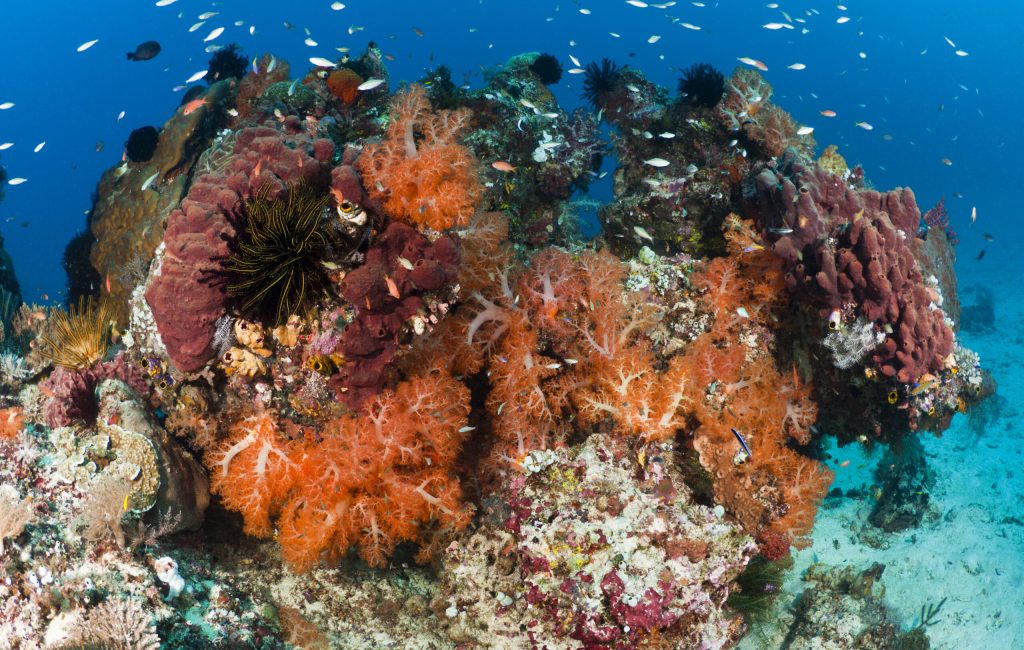
✓ Approximately 260 species of coral
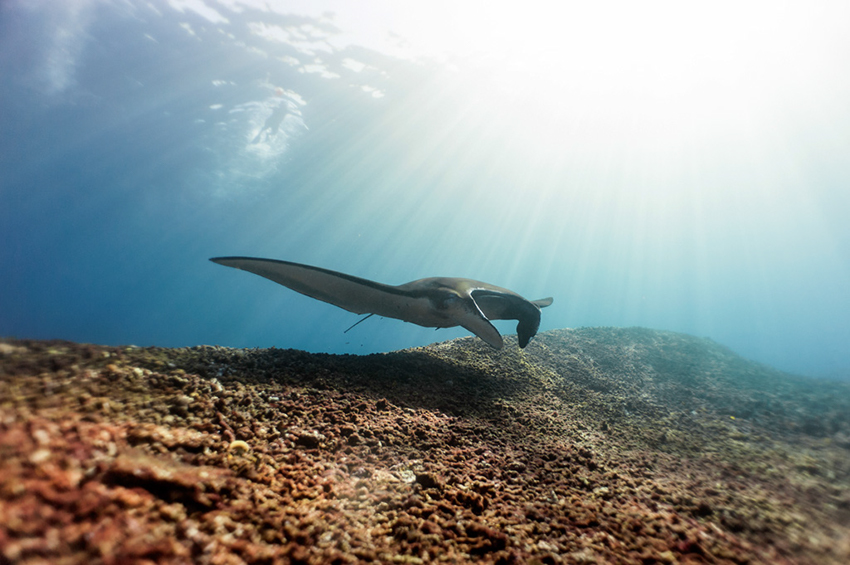
✓ Oceanic manta rays and eagle rays
✓ Reef sharks and sea turtles
✓ Untouched landscapes and pristine beaches
Experience the magic of Komodo, where world class diving meets unforgettable encounters above and beneath the surface.
Tentative Itinerary
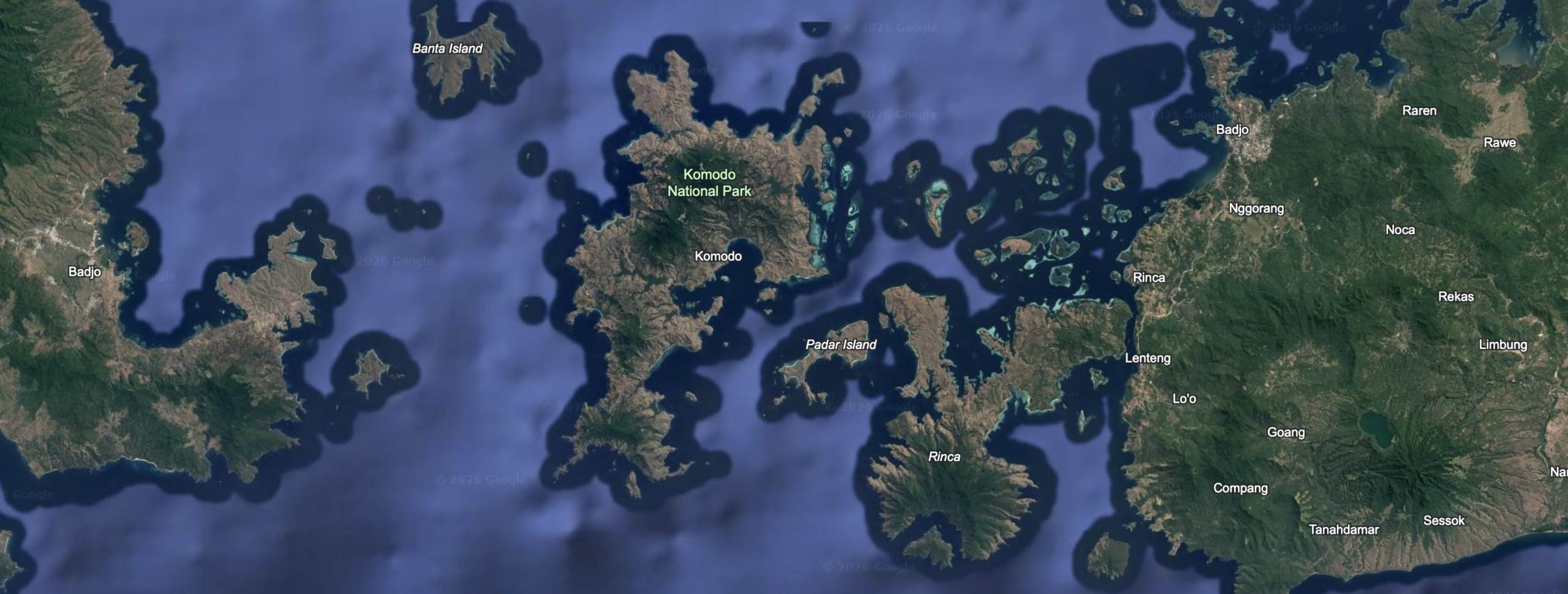
The itinerary may be adjusted at the discretion of the captain and cruise director based on weather conditions, which can sometimes be unpredictable, as well as the group’s overall experience. The goal is to offer the best possible diving and snorkeling sites according to the group’s interests and skill levels.
Day 1 - LABUAN BAJO
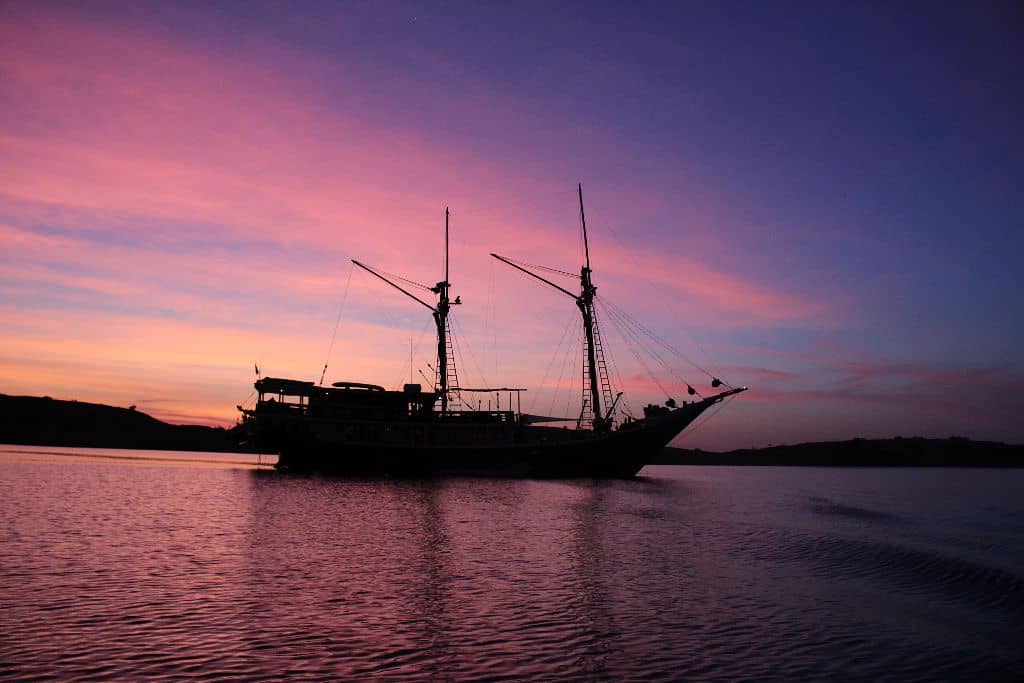
Arrival in Labuan Bajo. Transfer to the Seven Seas and check-in. After settling into your cabin and a welcome briefing, we prepare for the adventure ahead as we set sail into Komodo National Park for a check dive.
The perfect check dive doesn’t exist… well, maybe it does, in Sebayor.
This site is as close to ideal as it gets for your first dive of the trip. A vibrant top reef teeming with anthias and damsels sets the scene, while gently sloping reefs are lined with hard corals and buzzing with life.
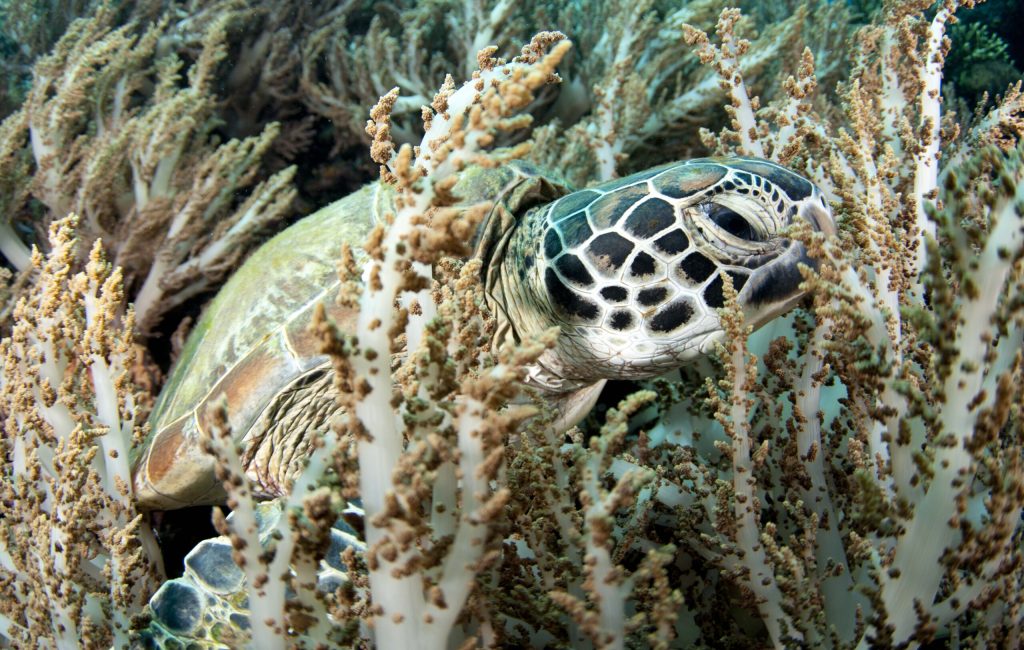
Schools of yellow snapper drift along the reef, green and hawksbill turtles make regular appearances, and if you’re lucky, you might even spot an eagle ray cruising by in the blue. Great visibility and an explosion of color make this a relaxed and satisfying start to your diving adventure.
Day 2 – LOH LIANG & CENTRAL KOMODO – Komodo National Park
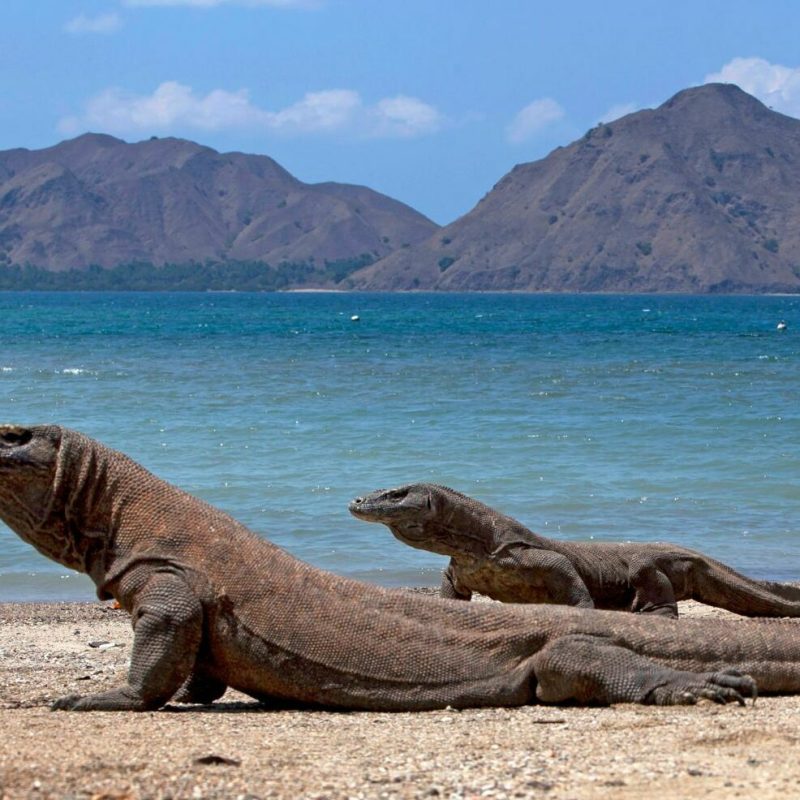
The experience begins upon arrival at Loh Liang on Komodo Island, where you are welcomed by official park rangerswho lead a guided walk through the natural trails of the national park. During this walk, you explore areas of open savanna, dry forest, and gentle hills while observing Komodo dragons in their natural habitat, along with other wildlife such as deer, birds, and monkeys. The rangers provide insights into the behavior, biology, and conservation of these unique reptiles, making the visit both safe and educational.
After completing the trek, you continue by boat to Pink Beach, one of the most iconic locations in the park, known for its distinctive pink-hued sand and clear turquoise waters. You continue diving in the waters around Pink Beach, where the shallow reefs and vibrant marine life create an ideal setting for an immersive underwater experience. After the dive, you can swim in the clear turquoise water, relax on the pink-hued sand, or snorkel along the shoreline to observe colorful corals and tropical fish in the calm, shallow areas, and enjoy a simple lunch either on board or as a picnic by the shore.
The journey then continues to the waters of Central Komodo, an area renowned for its rich marine biodiversity and excellent diving conditions. Guided by our experienced instructors, you take part in one or more dives over vibrant coral reefs where you may encounter schools of fish, sea turtles, reef sharks, and, in certain areas, manta rays.
Day 3 & 4 – CENTRAL KOMODO – Komodo National Park
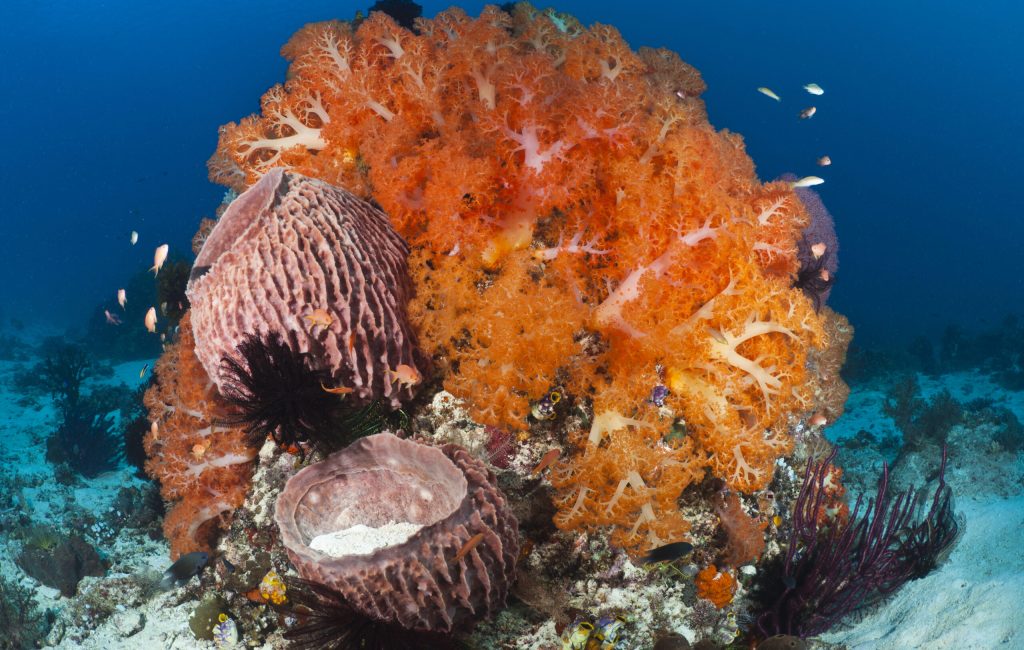
Central Komodo stands out as one of Indonesia’s premier diving locations, offering a diverse underwater environment with excellent coral health and a wide range of marine species. The region features everything from easygoing reef dives to more advanced sites with stronger currents and larger marine creatures. Dive locations in Central Komodo include coral slopes, reef walls, sandy bottoms, and pinnacles.
Some of the dive sites we may explore include:
Karang Makassar (Manta Point):
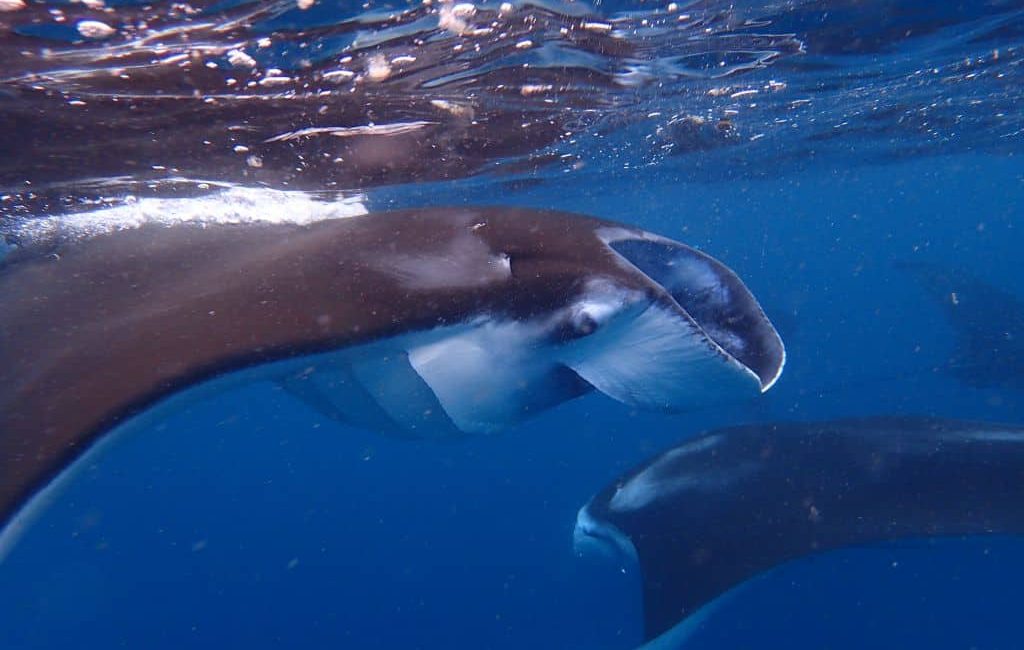
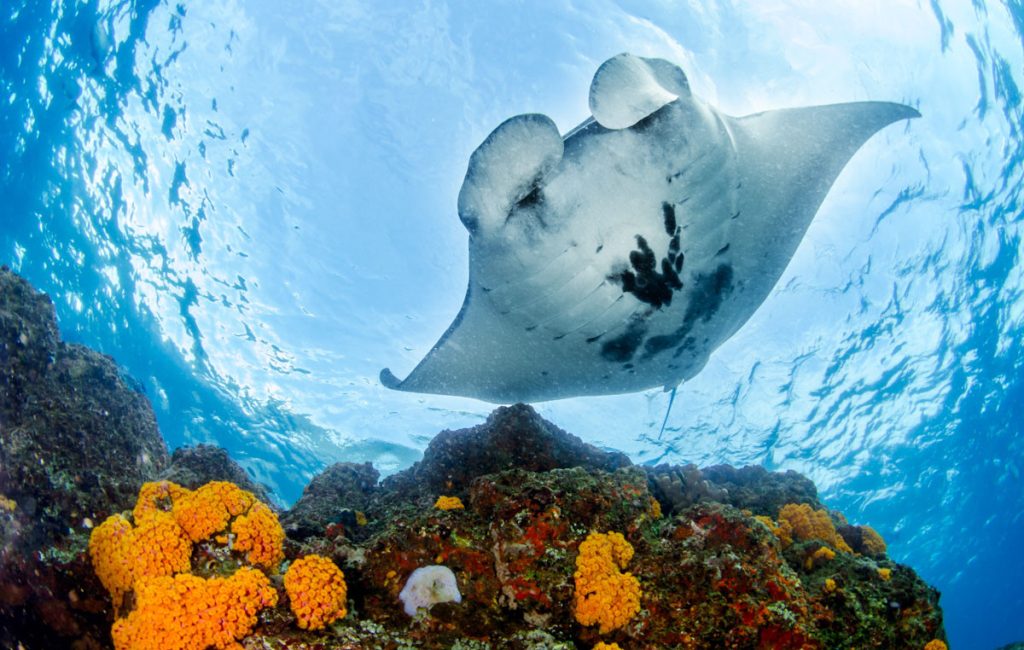
A broad, shallow reef known for frequent manta ray encounters, especially during rising tides when they visit cleaning stations. A relaxed drift dive with sandy patches and scattered coral bommies.
Tatawa Besar:
An easygoing drift dive with vibrant soft corals, large schools of fish, and regular sightings of turtles.
Tatawa Kecil:
A site for more advanced divers, featuring complex coral topography, swim-throughs, and stronger currents. It’s a good place to see larger fish like trevallies and the occasional shark.
Siaba Besar:
A sheltered bay with minimal current and shallow depths. Expect encounters with turtles, cuttlefish, and large groups of reef fish.
Batu Bolong:
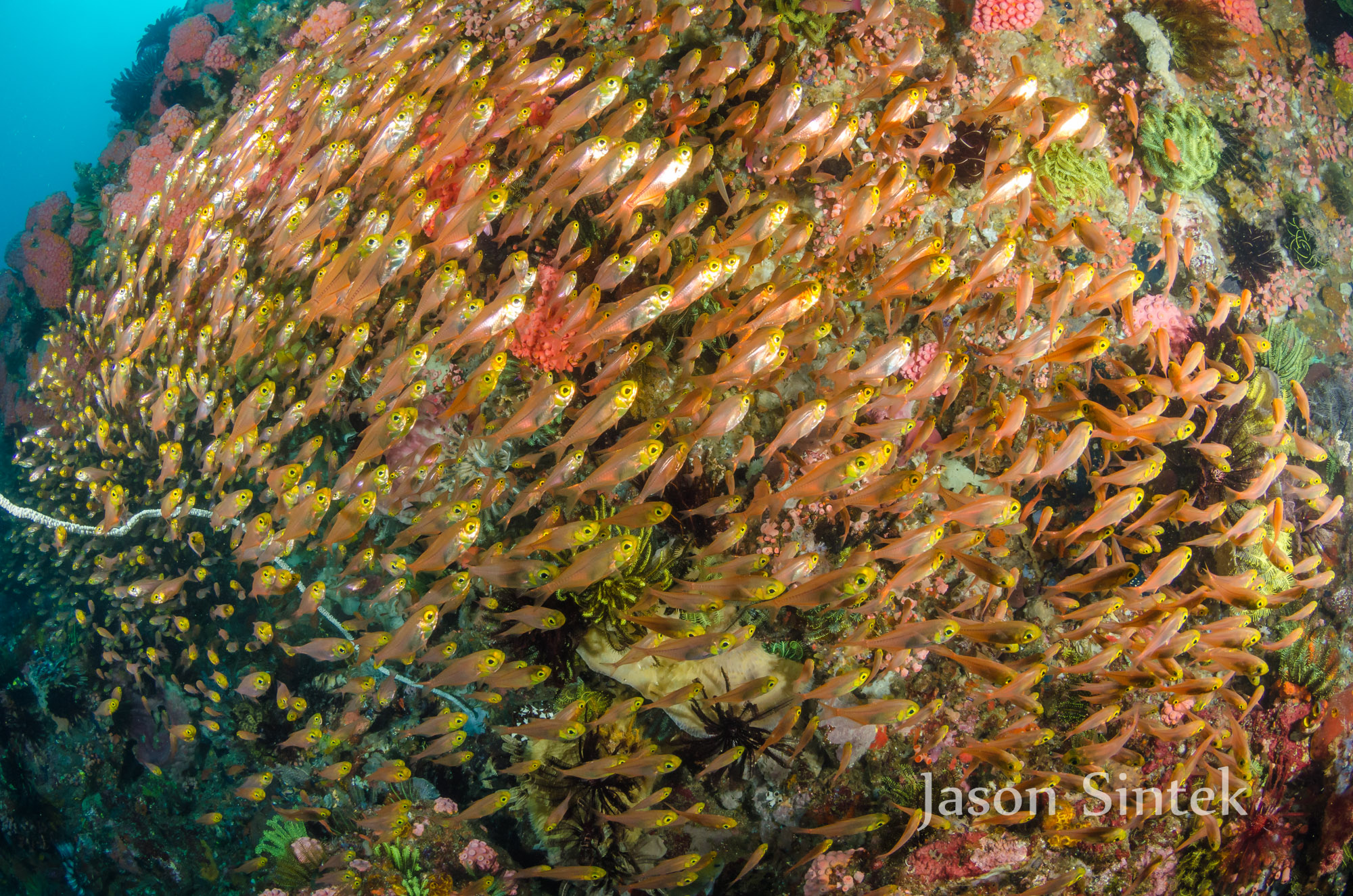
One of the most iconic dive sites in Central Komodo. A steep coral pinnacle that rises from deep water to just below the surface. The reef is densely packed with hard and soft corals and attracts a huge variety of marine life, including large schools of anthias, snappers, fusiliers, and surgeonfish. Turtles are common, and reef sharks often cruise the deeper sections. Napoleon wrasse, giant trevallies, and occasional barracuda also pass through.
Seven Seas Secret:
A signature dive revealing an outstanding hard coral garden that gently slopes into a pristine stretch of white sand. Expect manta rays gliding through the blue, turtles resting gracefully on the corals, and reef sharks patrolling the edge of the slope. With a bit of luck, you may even encounter the elusive dugong.
After finishing our day, we make our way to the eastern part of Komodo to wrap up with a night dive in Pulau Lassa.
Day 5 - PADAR - Komodo National Park
Padar Island is known for its iconic viewpoints, and the surrounding waters offer several quality dive sites. Is an uninhabited island in Komodo National Park, Indonesia. It sits between Komodo and Rinca Islands.
Dive Sites Around Padar Island
Three Sisters:
Three submerged pinnacles close together, offering coral slopes, sandy bottoms, and scattered bommies. Fish life includes snappers
Pillarsteen:
Bursting with life, Pillarsteen offers swirling schools of fusiliers, cruising reef sharks, turtles, and an incredible diversity of reef fish set against dramatic walls, caves, and coral covered pinnacles. Keep an eye on the blue for pelagic visitors and explore the swim throughs where marine life thrives among vibrant soft corals and sponges.
Secret Garden:
The dive begins with a gentle sandy slope that gradually transitions into a vibrant mini wall.
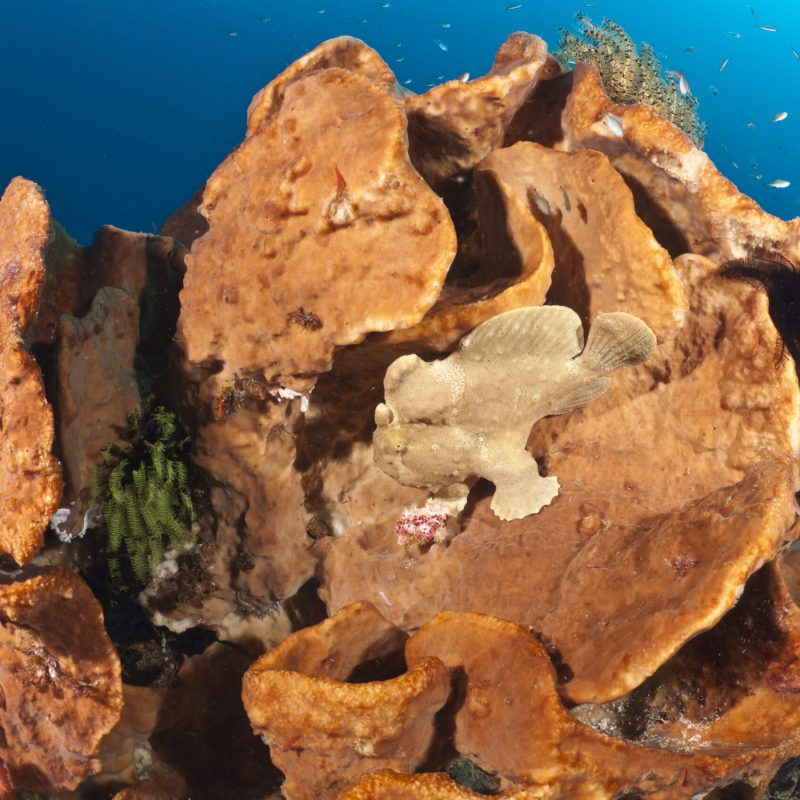
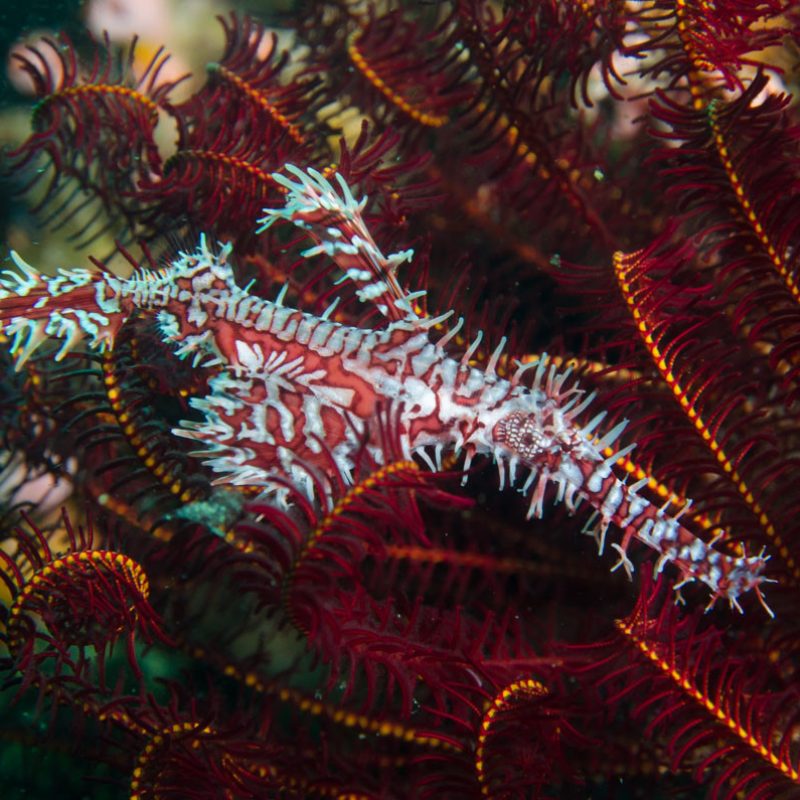
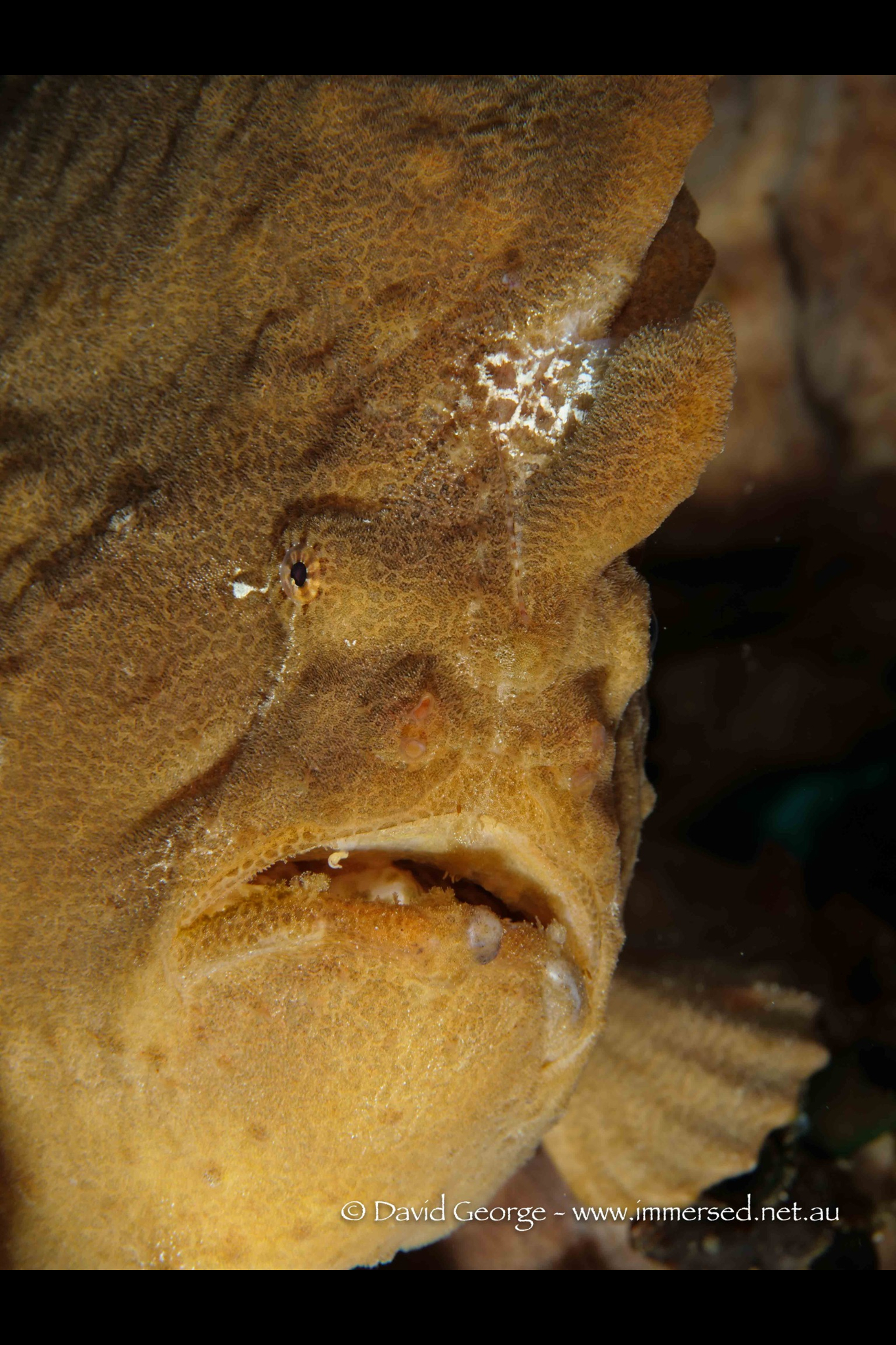
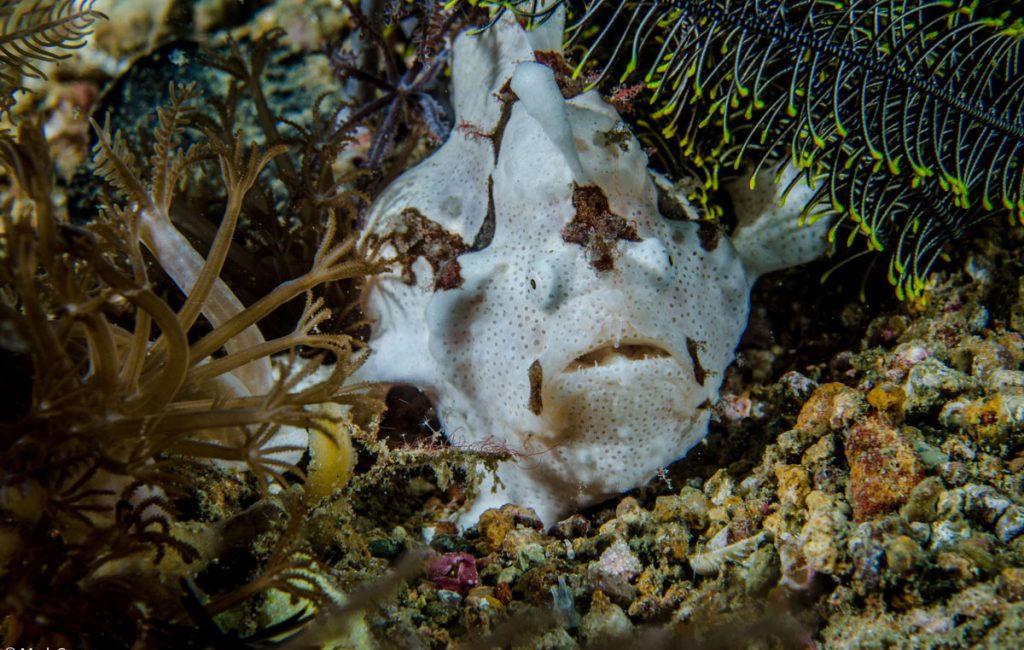
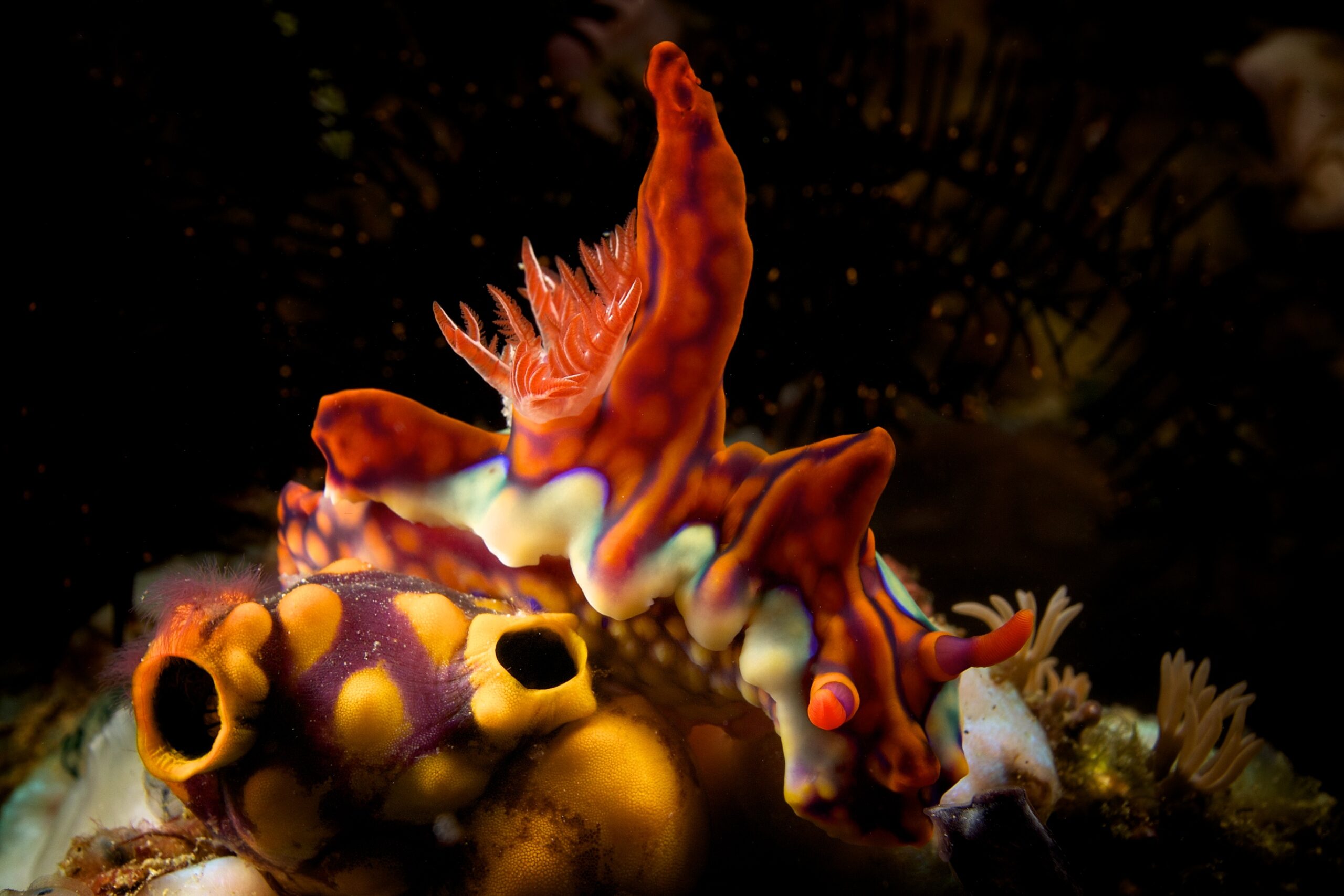
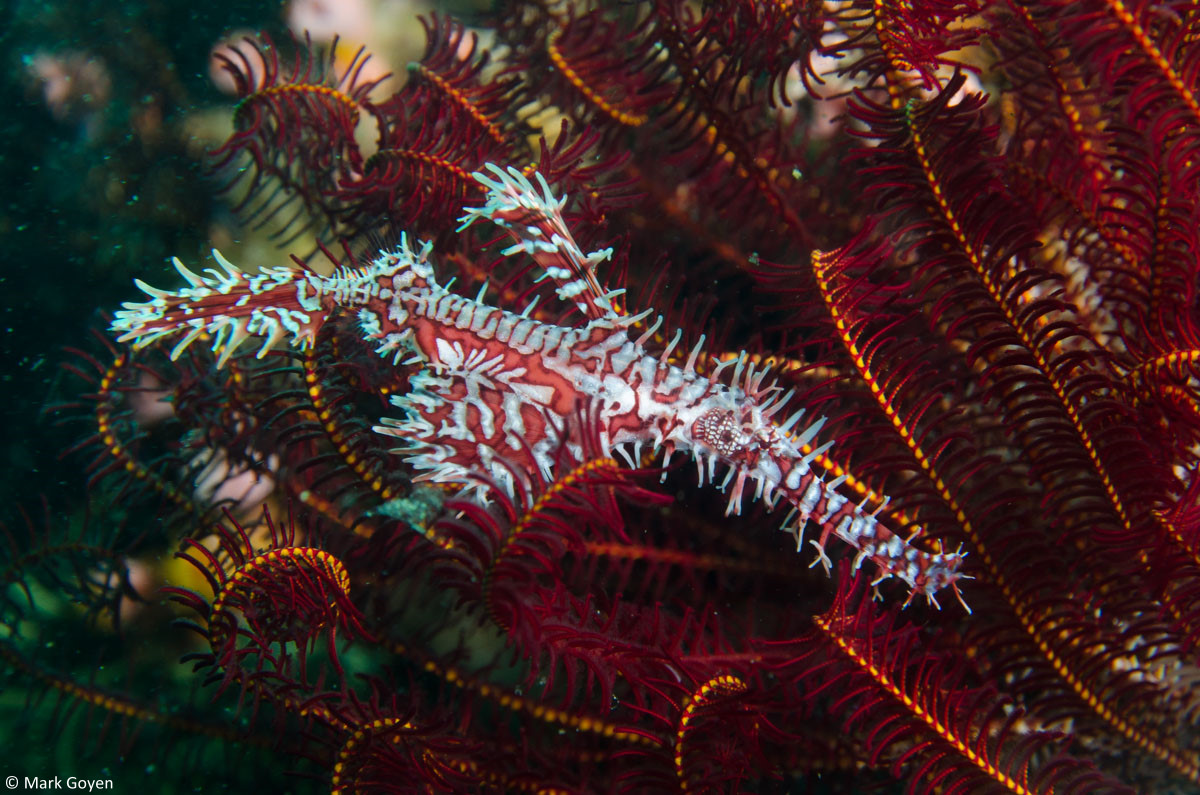
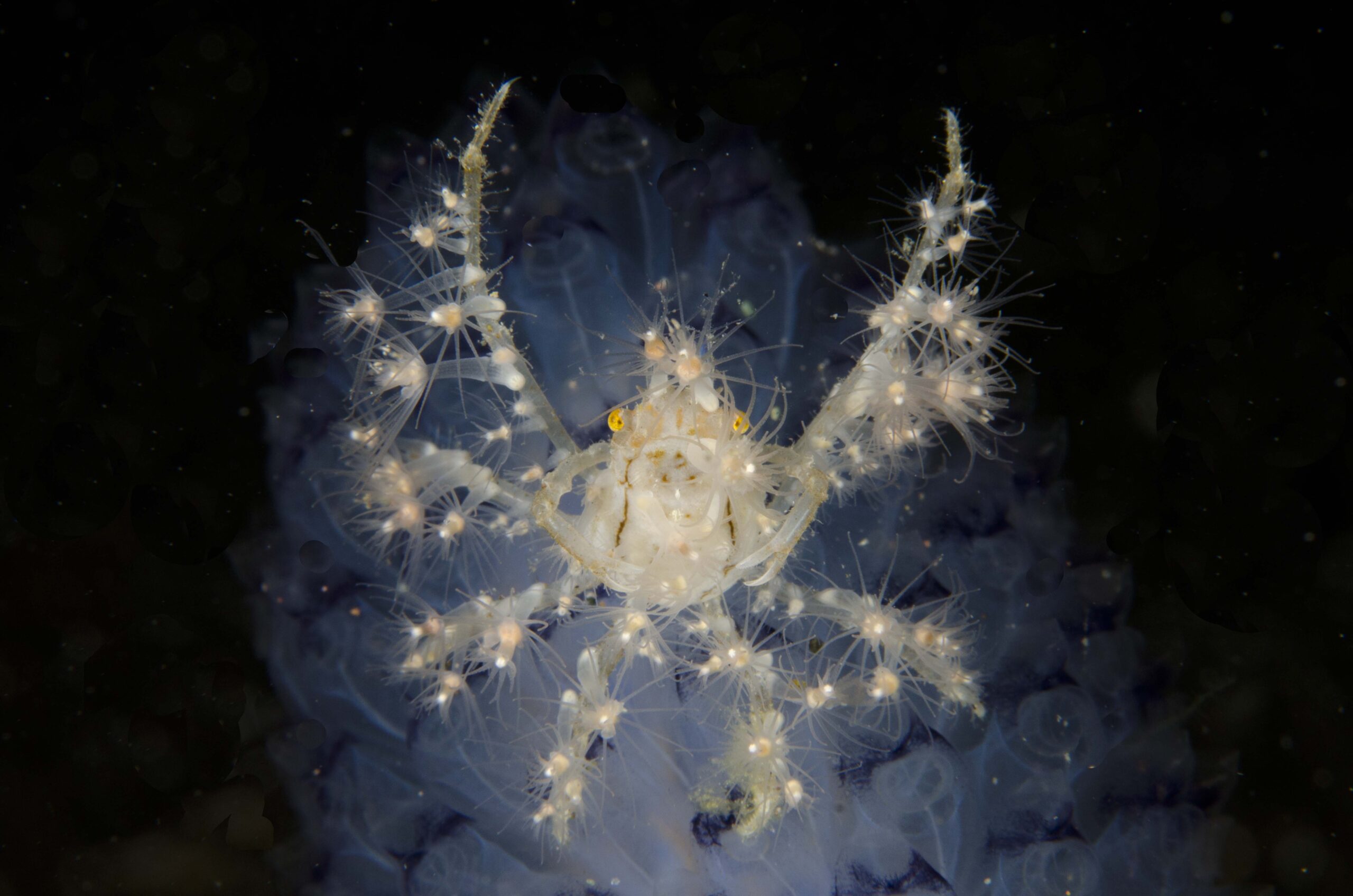
Common sightings include ghost pipefish, nudibranchs, and giant frogfish often found among black corals and sponges.
It has a short uphill trail that leads to a popular viewpoint. From the top, you can see the island’s curved bays and surrounding sea. The hike is best done around sunrise or sunset, when it’s cooler and the views are at their most scenic.
Day 6 & 7 – MANTA ALLEY & NUSA KODE – Komodo National Park
Manta Alley, located at the southern tip of Komodo Island, is renowned as one of the top places in the world to encounter manta rays. During the dry season, cooler waters rich in plankton attract large numbers of reef mantasand, on occasion, even oceanic mantas.
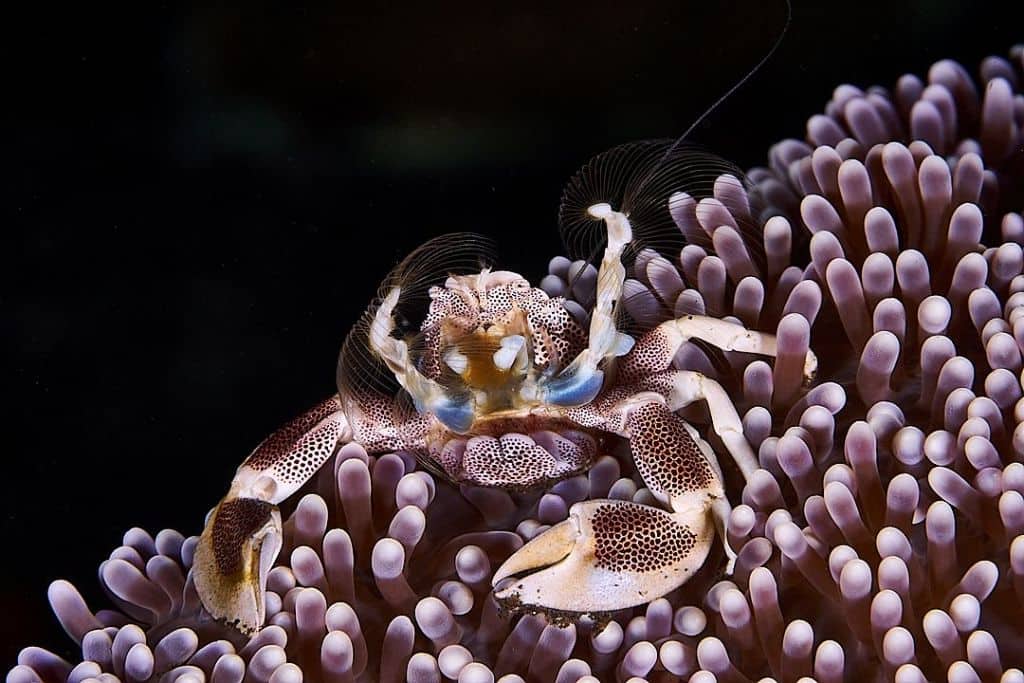
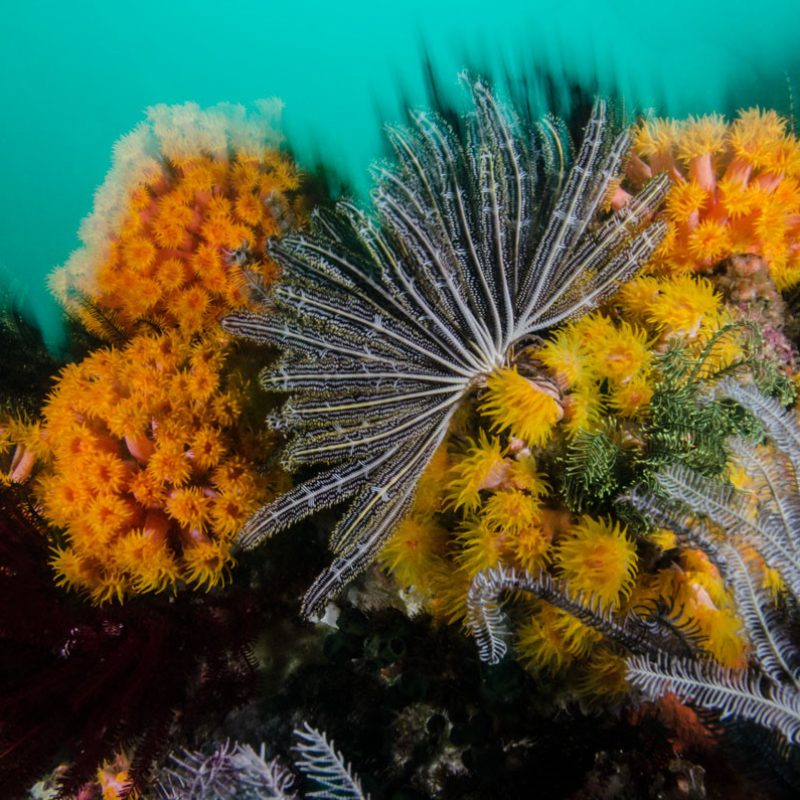
This dive site features narrow channels, rocky formations, and coral slopes that support a diverse range of marine life. Mantas are often seen cruising through the area, hovering over cleaning stations, or feeding in the current. The reef is full of life, with dense fields of soft corals, crinoids, and sponges. Schools of fusiliers and trevallies sweep through the water, while whitetip reef sharks and turtles are also commonly sighted.
Manta Alley is an exposed site, open to oceanic conditions, which can bring strong currents and surge. At times, diving here may not be possible due to unfavorable sea conditions.
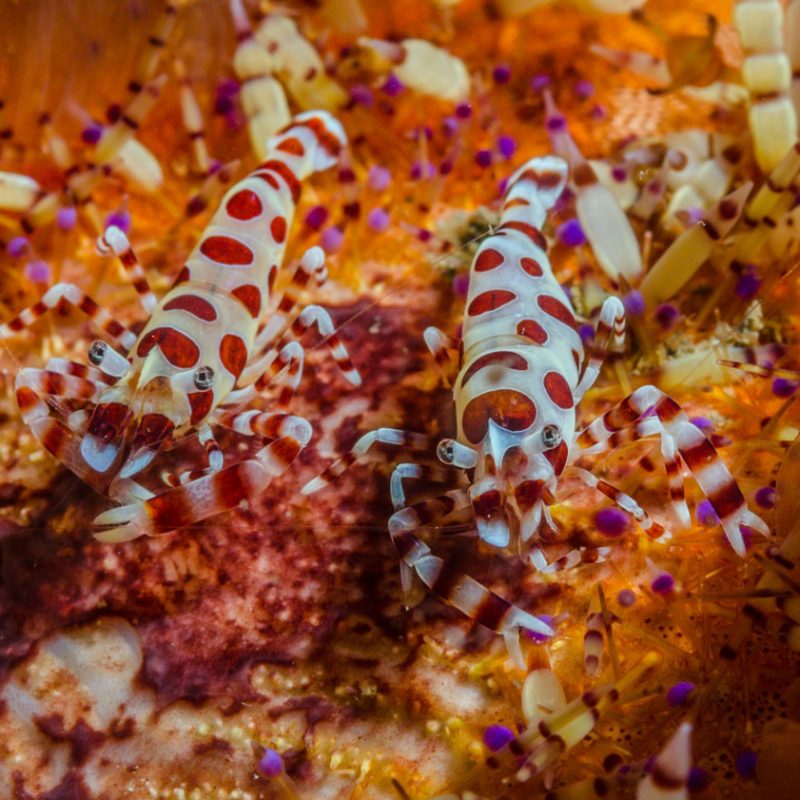
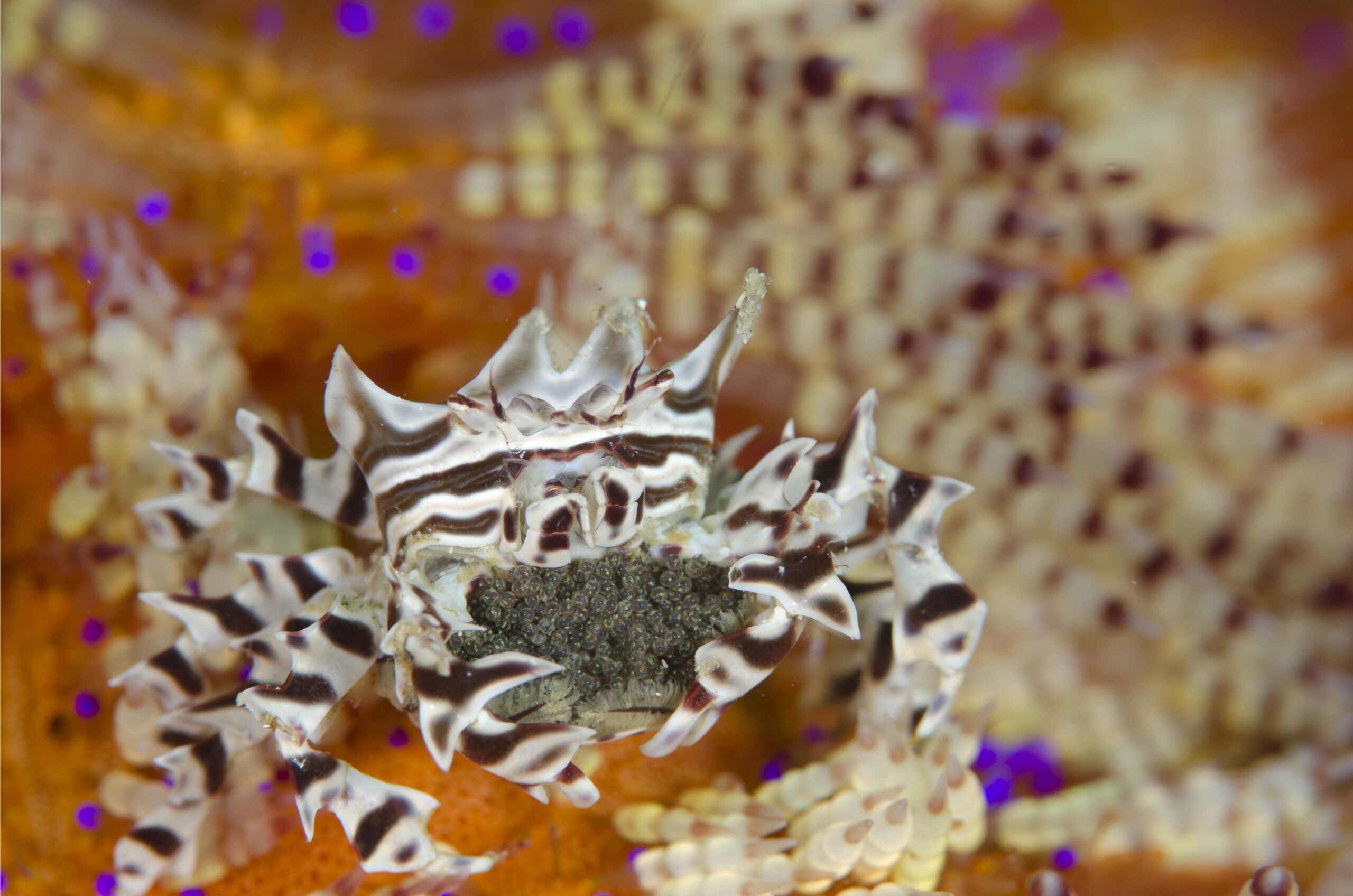
After a couple of dives in Manta Alley, we cross into the dramatic setting of Nusa Kode, where our midday dive takes place at the legendary Cannibal Rock. Rising to just three meters below the surface and dropping down to around 30 meters, this seamount is considered one of Komodo’s richest dive sites. Its slopes are carpeted with sponges, soft corals, and featherstars, creating a vibrant backdrop for some of the park’s best macro life, including frogfish, nudibranchs, pygmy seahorses, and rare Coleman shrimp hiding in fire urchins. Larger reef fish and schools of pelagics also patrol the area, depending on the currents.
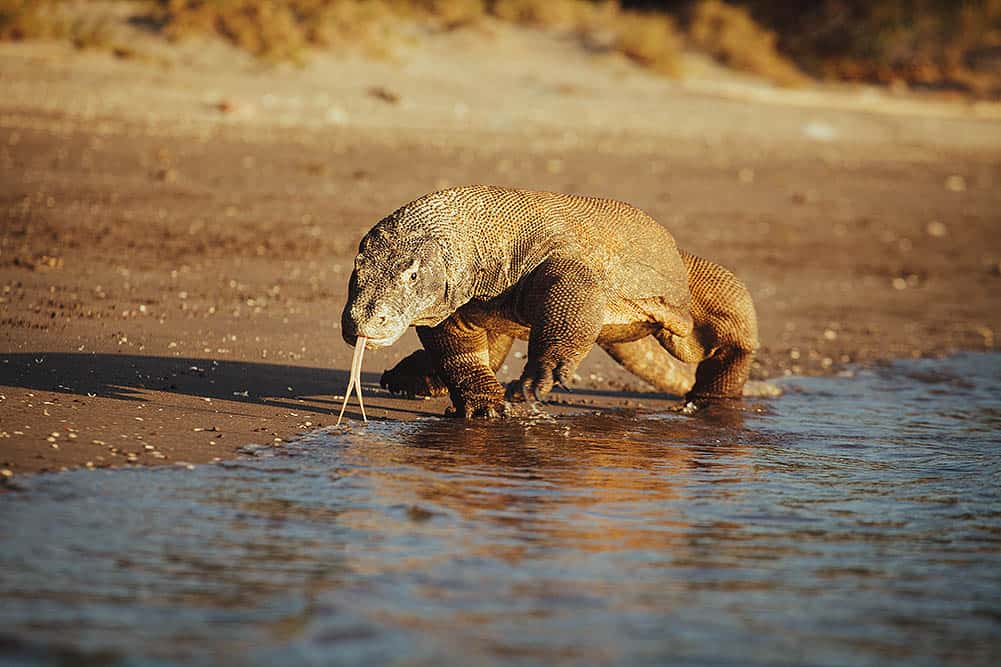
After surfacing, don’t forget to glance toward the beach, this is one of the rare places where Komodo dragons can often be seen walking along the shore.
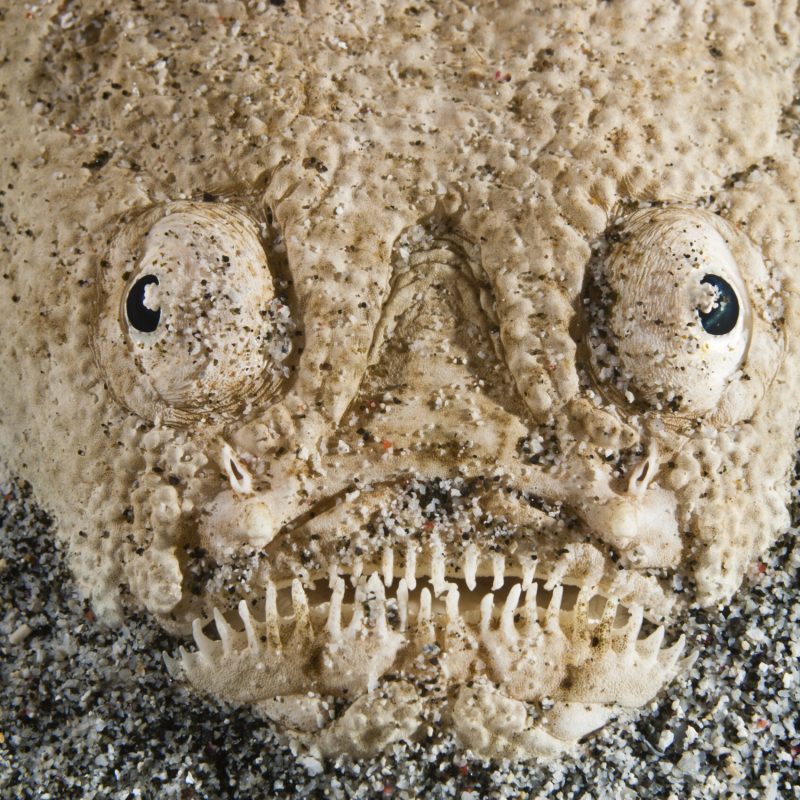
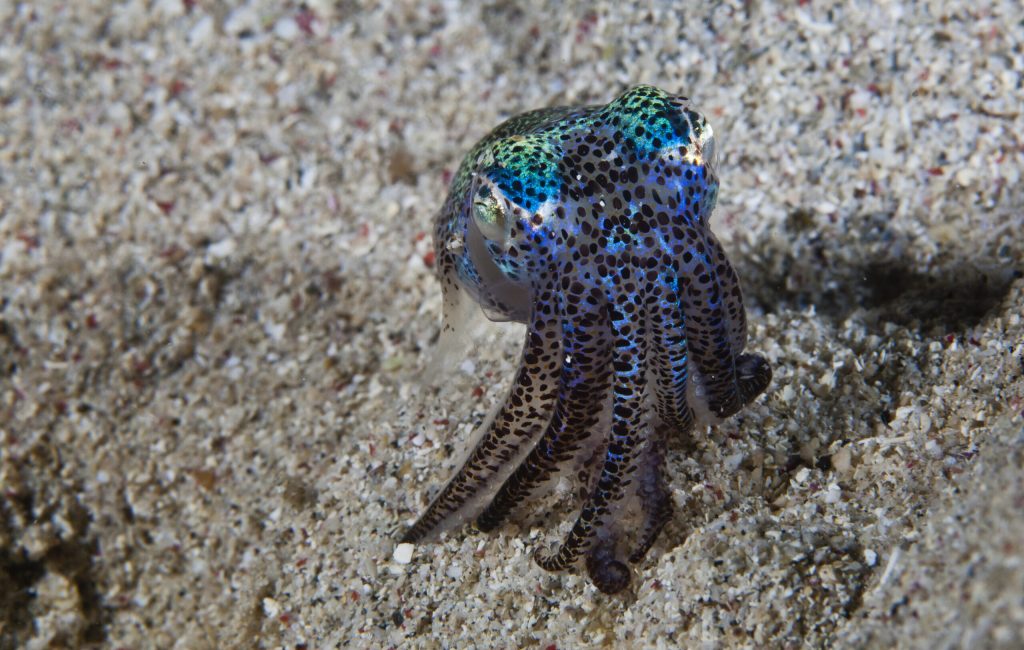
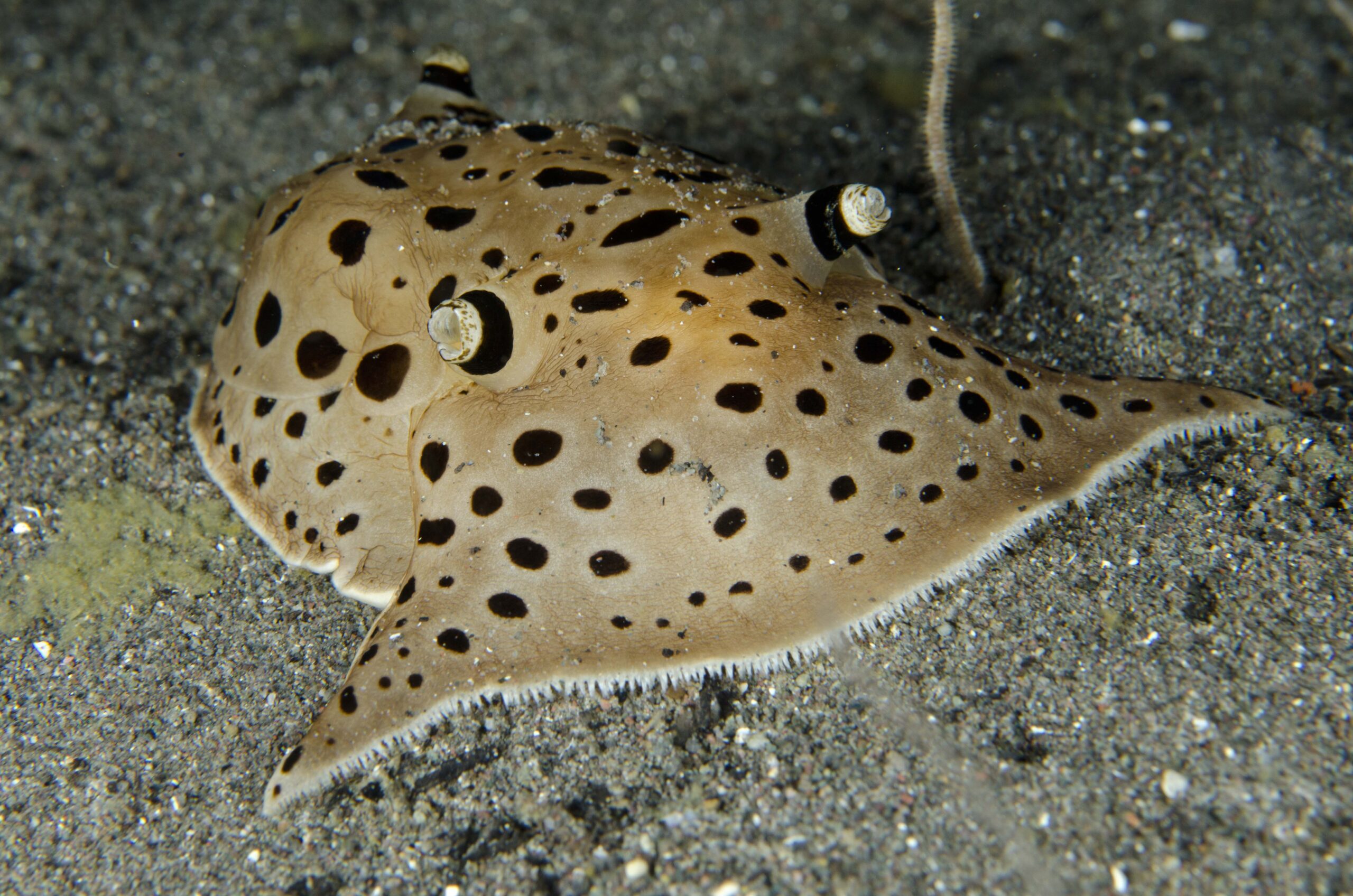
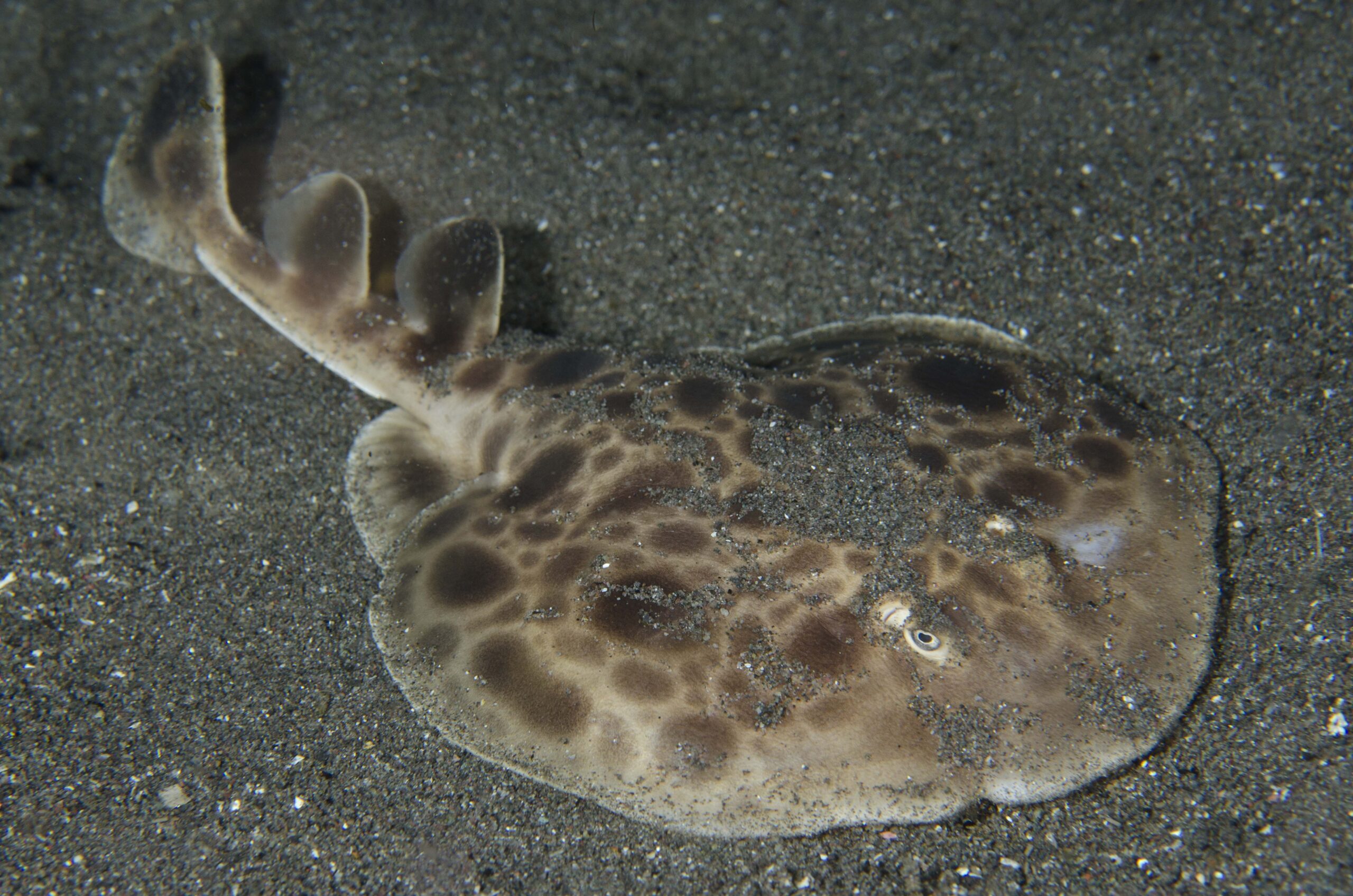
As the sun sets, the adventure continues with a fourth dive at Torpedo Alley, one of Komodo’s most famous night dives. On the black sandy slopes between 5 and 25 meters, the reef transforms into a stage for nocturnal creatures, including electric torpedo rays, stargazers, bobtail squid, cuttlefish, frogfish, and bizarre critters like the bobbit worm. This classic muck dive is a thrilling contrast to the day’s colorful reefs.
Day 8 - EAST KOMODO ISLAND - Komodo National Park
Seeing Komodo dragons on Komodo Island is a highlight for many visitors. These giant lizards—some growing up to 3 meters long—are the top predators of the island and among the most fascinating animals on the planet. Guided walks with local rangers allow you to safely observe them in their natural surroundings. Rangers share information about the dragons’ behavior, feeding habits, and how they’ve survived for millions of years. As part of Komodo National Park, this protected area offers a rare chance to witness wildlife found nowhere else on Earth. We begin our visit early in the morning, taking advantage of the cooler temperatures to see the Komodo dragons while they’re most active.
While Komodo dragons are the main attraction, Komodo Island is also home to a variety of other wildlife. During a guided trek, visitors might spot wild boars, Timor deer (a primary food source for the dragons), and water buffalo. The island’s forests and scrublands also shelter various bird species such as the yellow-crested cockatoo and megapodes. Reptiles like geckos and snakes are also part of the ecosystem. This rich biodiversity makes Komodo Island not only a place to see dragons but also a rewarding destination for nature lovers and wildlife enthusiasts.
After finishing our morning trek, we make our way to the eastern part of Komodo to explore some of its well-known dive sites. We’ll dive at Pink Beach, famous for its unique sand and shallow coral gardens, and at Namo Reef, known for its healthy coral formations and variety of reef fish.
To wrap up the day, we’ll do a night dive at Pulau Lassa.
Day 9 – GILI LAWA – Komodo National Park
Located in the northeast of Komodo Island, Gili Lawa is one of the most iconic dive destinations in the national park, offering some of the region’s top underwater adventures. Known for its warm, clear waters and rich marine life. Above water, the hills of Gili Lawa provide stunning panoramic views, making it a favorite for both divers and snorkelers.
Castle Rock:
An underwater seamount attracting action-packed marine life thanks to steady currents. Divers can expect to encounter dense schools of predatory fish like giant trevallies, Napoleon wrasse and big groups of surgeonfish, along with reef sharks patrolling the area. The top of the site is shallower and covered in healthy coral, perfect for a slower finish to the dive.
Crystal Rock:
A vibrant reef that rises close to the surface, offering excellent visibility and lots of fish traffic. This site is full of movement, snapper, sweetlips, and jacks are common, often swirling in the current. The sheltered side is ideal for exploring colorful hard coral formations and spotting smaller reef species.
The Cauldron (Shotgun):
A thrilling drift through a narrow channel between two islands. Timing is key here, so dives are usually planned around tidal flow.
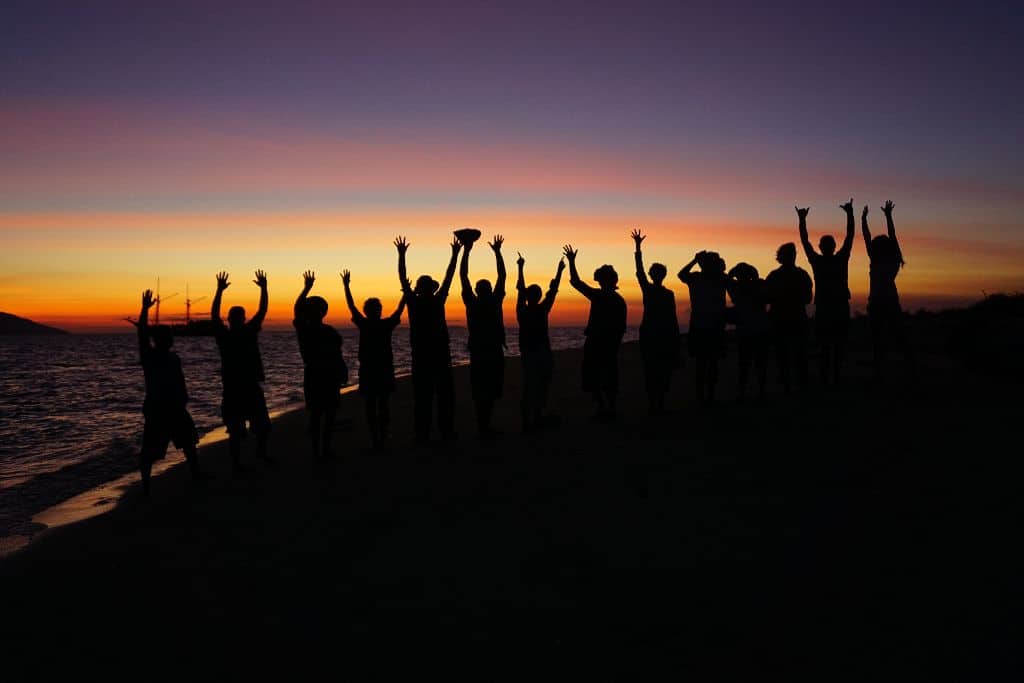
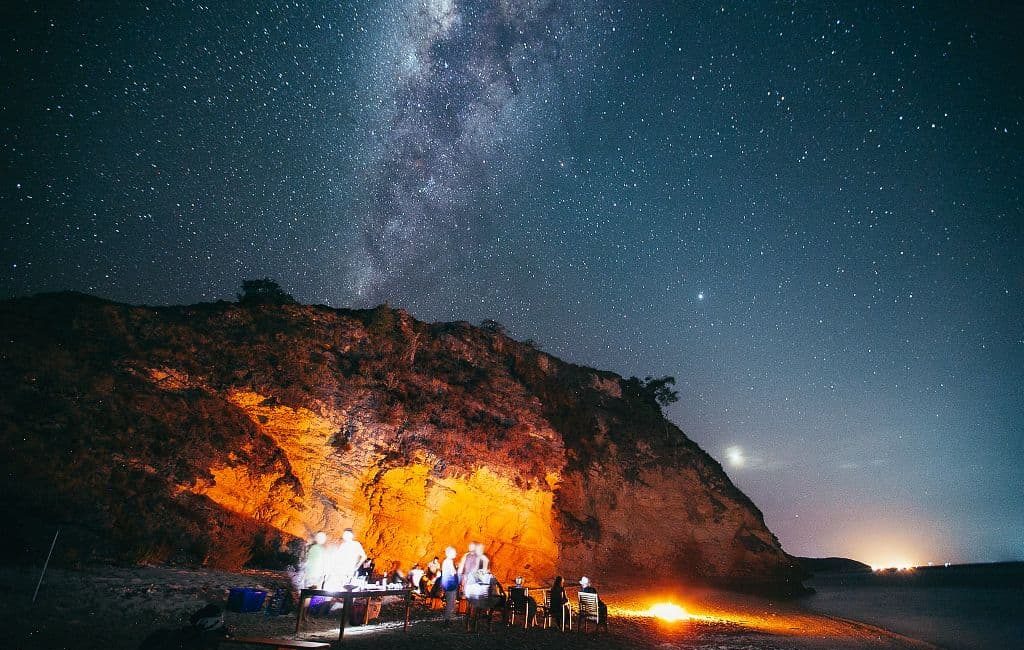
Watching the sunset from a secluded beach or hiking to a scenic viewpoint are also popular activities in the area, offering a perfect way to end the day after diving.
Day 10 - NORTH RINCA - Komodo National Park
Pulau Pengah:
It is a small island located north of Rinca. Its position offers a mix of underwater features that reflect both the northern and southern parts of the park. The reef around the island begins with a shallow coral flat and gradually transitions into deeper slopes, creating a diverse underwater landscape.
The coral formations are in excellent shape, with a variety of hard corals and scattered soft coral colonies. This combination attracts a broad range of marine species—from small reef fish like wrasses and chromis to larger fish such as snappers and trevallies. With generally good visibility and calm conditions, Pulau Pengah is a great place to enjoy the contrasting underwater elements found throughout Komodo in one single dive.
Wainilu:
Located near Rinca Island, in the central region of Komodo National Park. Known for its gentle slope and sandy bottom with scattered coral and rubble patches, it’s a prime location for spotting small, elusive marine species.
Instead of dramatic reef structures or strong currents, Wainilu offers a slower-paced dive focused on macro life. Divers can find frogfish, seahorses, ghost pipefish, and a variety of nudibranchs hidden among the debris and soft corals. The calm, shallow conditions allow for long, detailed dives and make it a favorite for those who enjoy searching for well-camouflaged creatures.
Our journey will finish at Kalong Island, a quiet spot famous for its large population of fruit bats. As daylight fades, we’ll stop nearby to watch hundreds of flying foxes rise from the mangroves and head off into the evening sky. It’s a unique and peaceful moment, a perfect way to wrap up the trip surrounded by nature and the fading colors of the sunset.
Day 11 - LABUAN BAJO
Disembarkation. Fly to Bali and transfer to flights home or resorts.