Explore The Wonders Of Indonesia
Kaimana – Kaimana Explore Triton Bay
Kaimana to Kaimana trip. Discover Triton Bay, Indonesia’s Last Diving Frontier
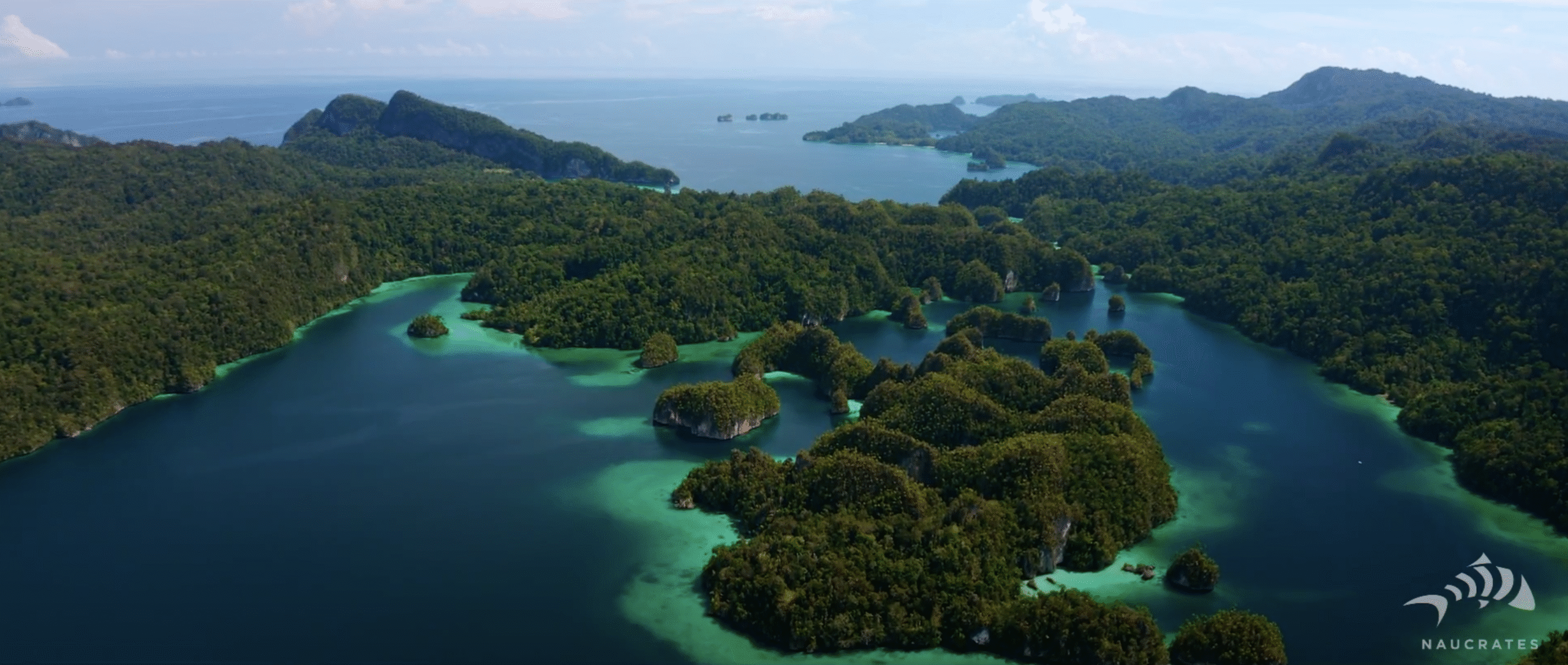
Tucked away in the remote southeastern corner of West Papua, Triton Bay lies at the very heart of the Coral Triangle— the most biologically diverse marine region on Earth. This hidden gem is a true sanctuary, far removed from the noise of modern development and still wrapped in the mystique of untouched wilderness.
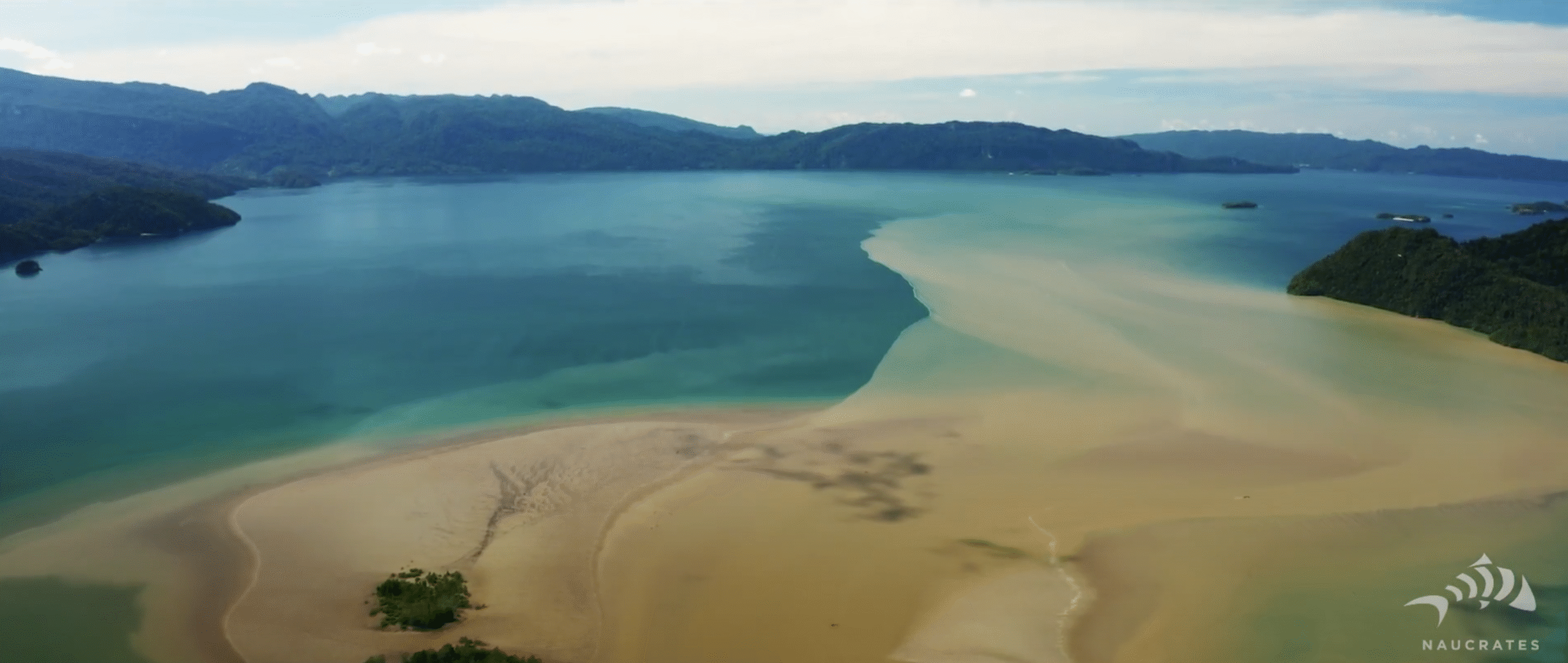
Encircled by rugged islands such as Aiduma, Dramai, and Namatota, and bordered by vast coastal wetlands, Triton Bay has remained ecologically secluded for millennia, preserving a world where nature still reigns supreme. Its crystal-clear waters, lush jungles, and dramatic limestone cliffs create an atmosphere of timeless beauty and serenity.
Here, jungle-clad limestone islands rise abruptly from turquoise seas, concealing secret lagoons, winding mangrove channels, and reefs bursting with life, from devil rays and whale sharks to kaleidoscopic coral gardens teeming with tropical fish. Largely untouched by mass tourism, Triton Bay offers a rare sense of exclusivity and authentic adventure to those bold enough to reach its remote shores.
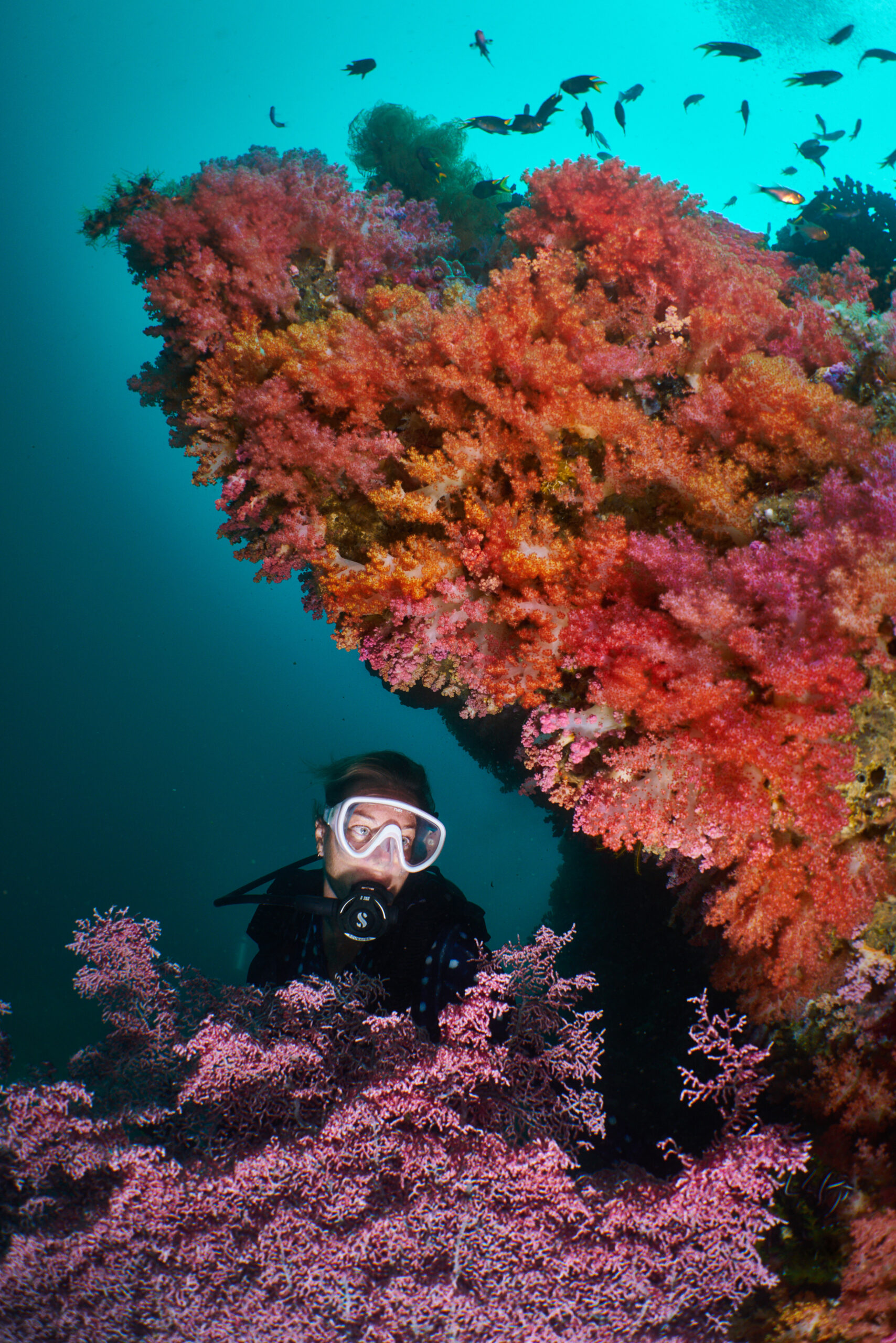
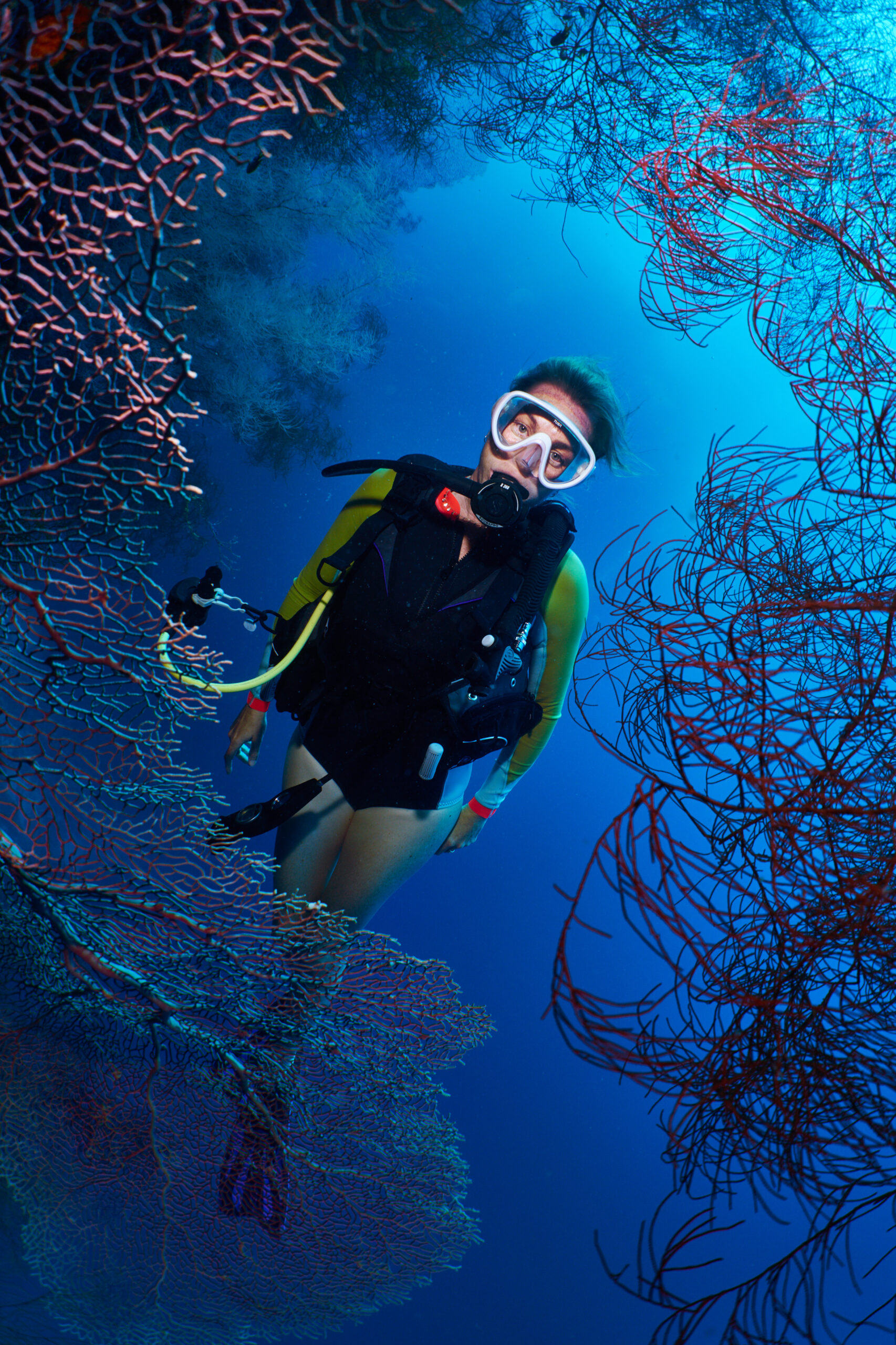
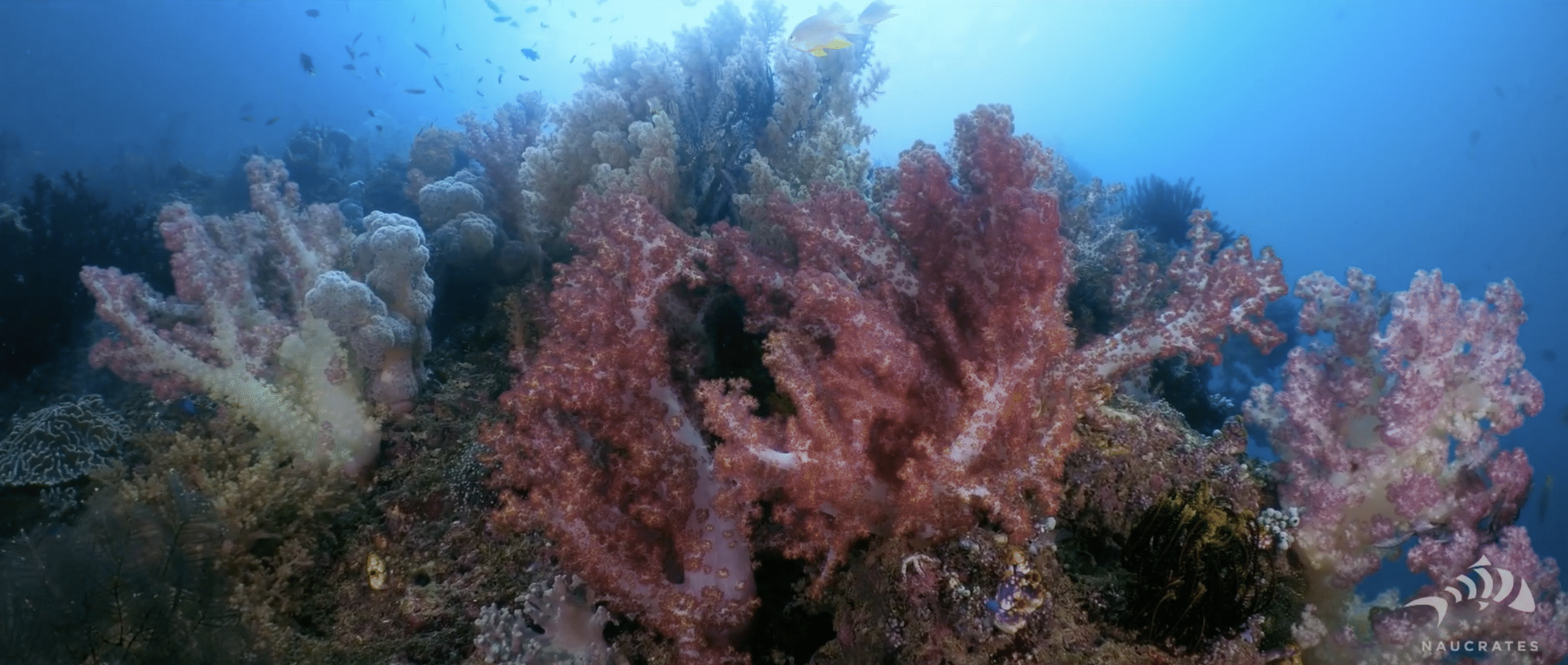
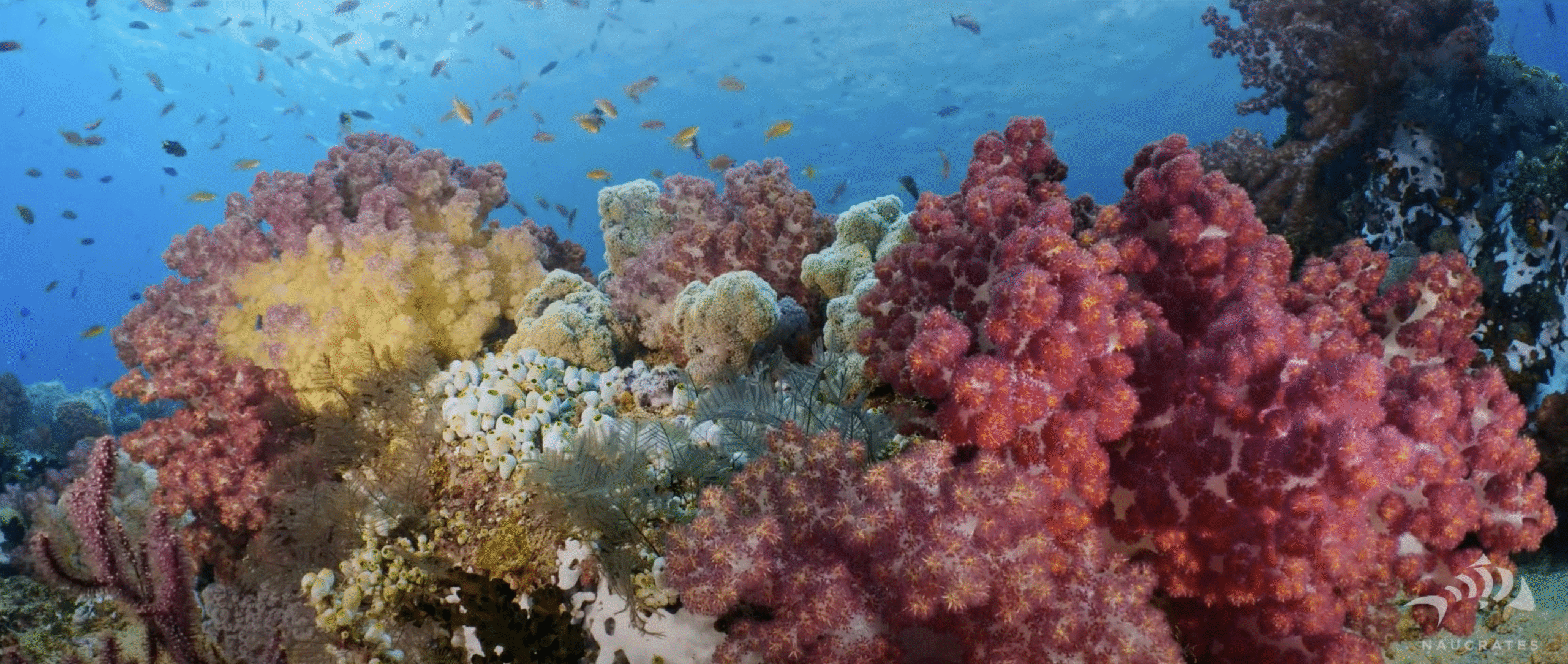
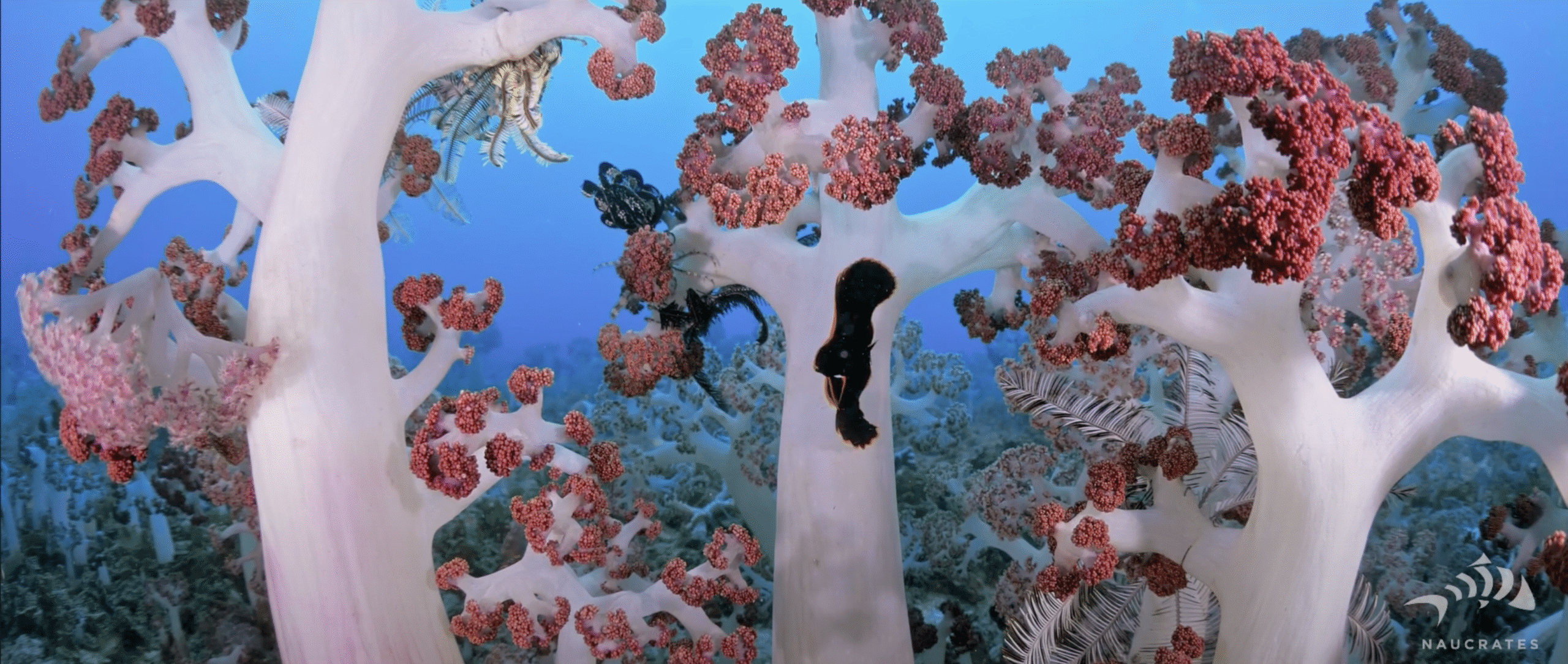
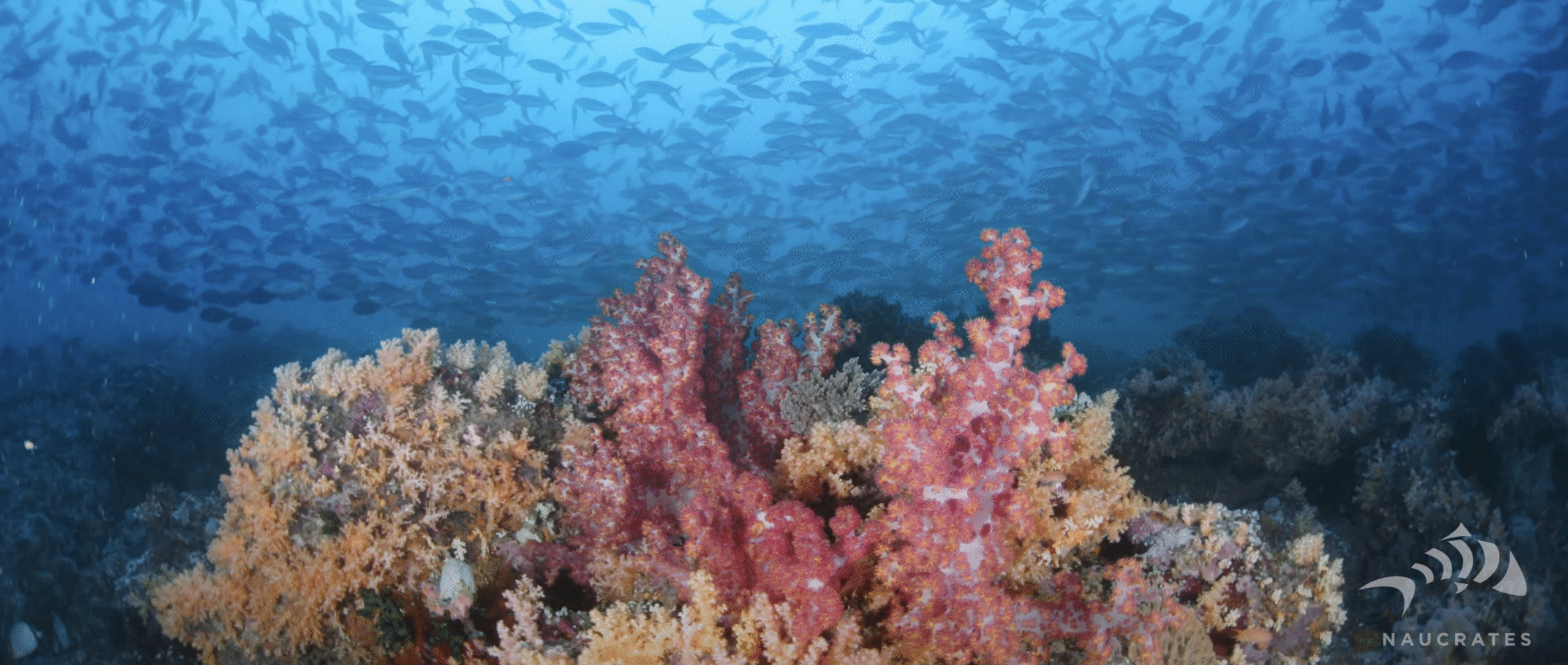
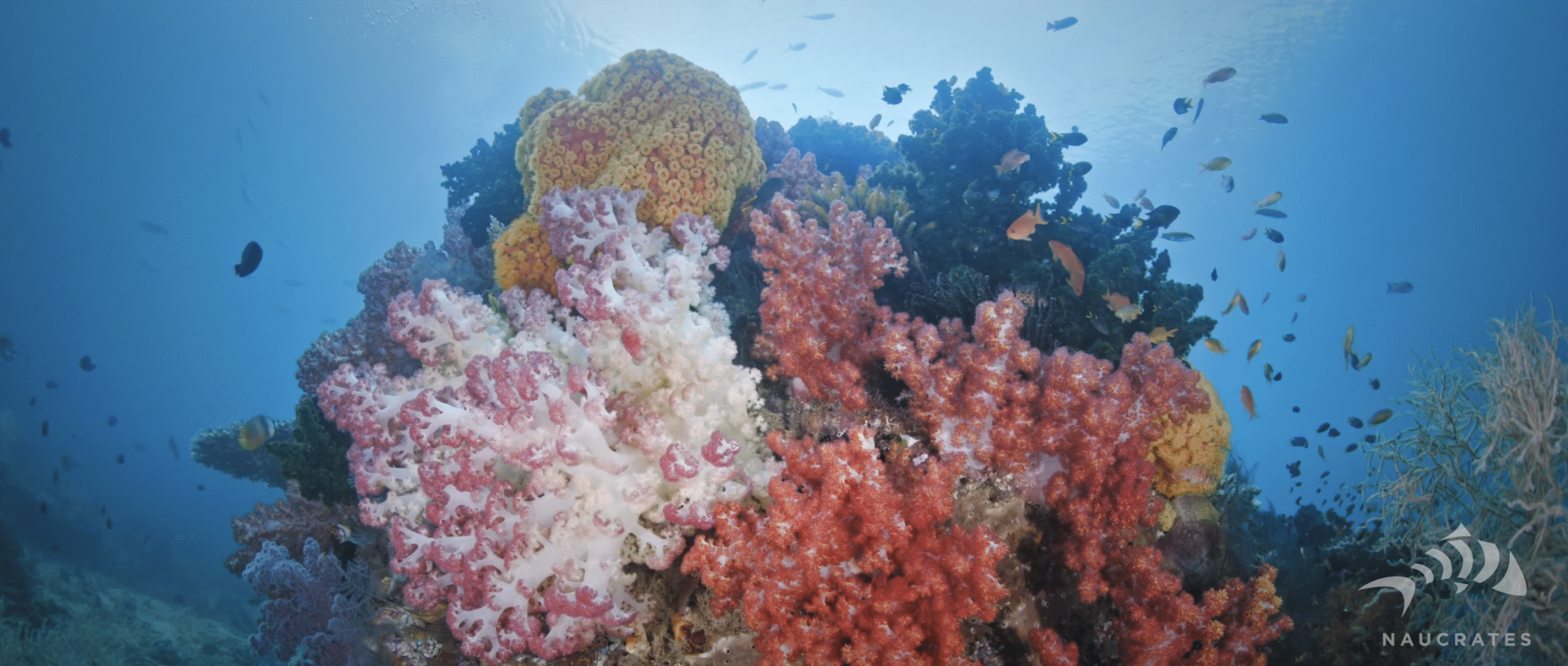
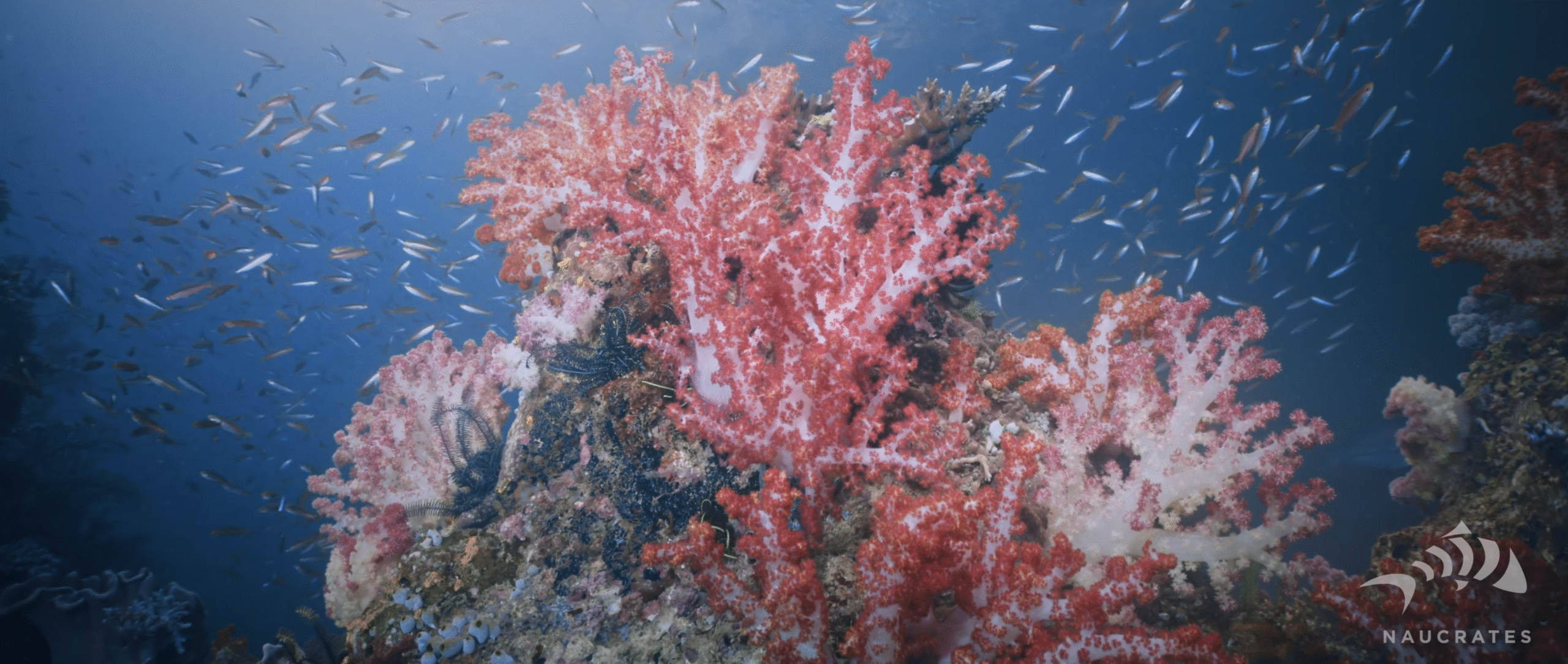
For divers, Triton Bay is nothing short of paradise. It offers a collection of truly distinctive and vibrant dive sites, where you’ll often have the ocean entirely to yourself, a perfect escape for those who crave solitude and discovery beneath the waves. With warm waters throughout the year and currents ranging from gentle drifts to lively flows, conditions are ideal for long dive expeditions and capturing the magic of the underwater world through photography. Every descent reveals a mesmerizing scene, as soft corals burst with vivid color and schools of fish shimmer like liquid light in motion.
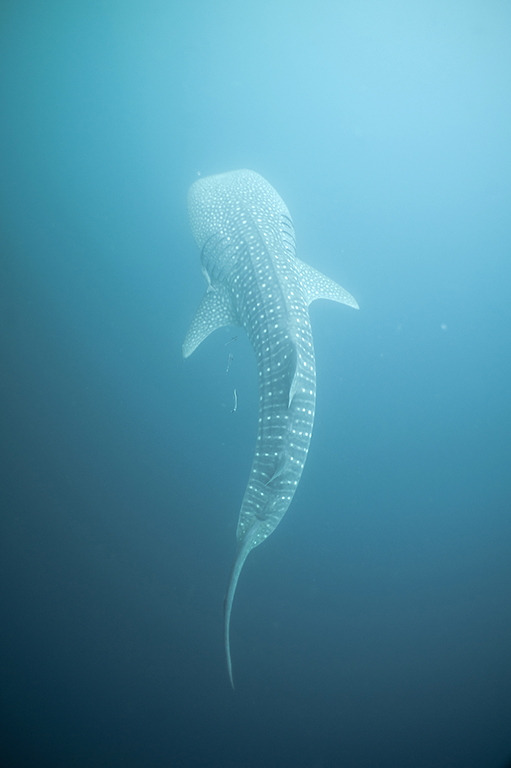
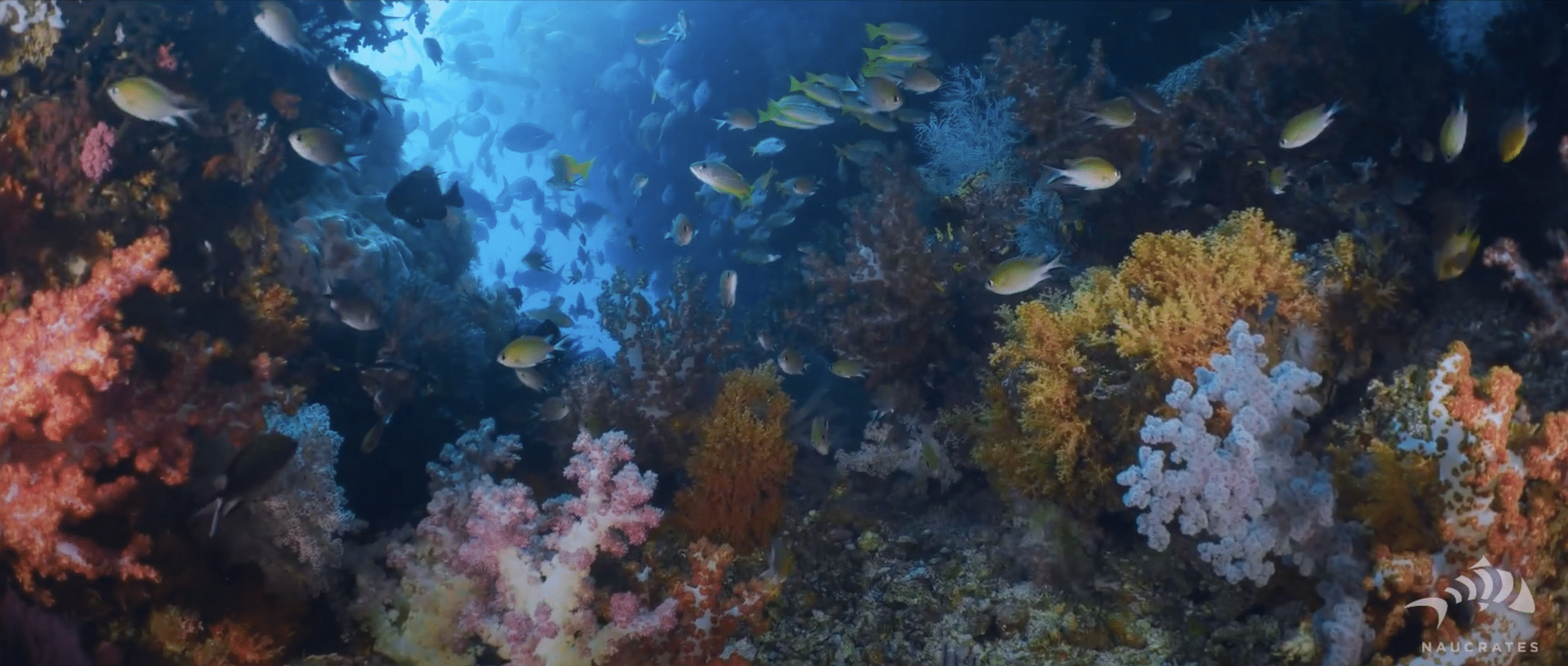
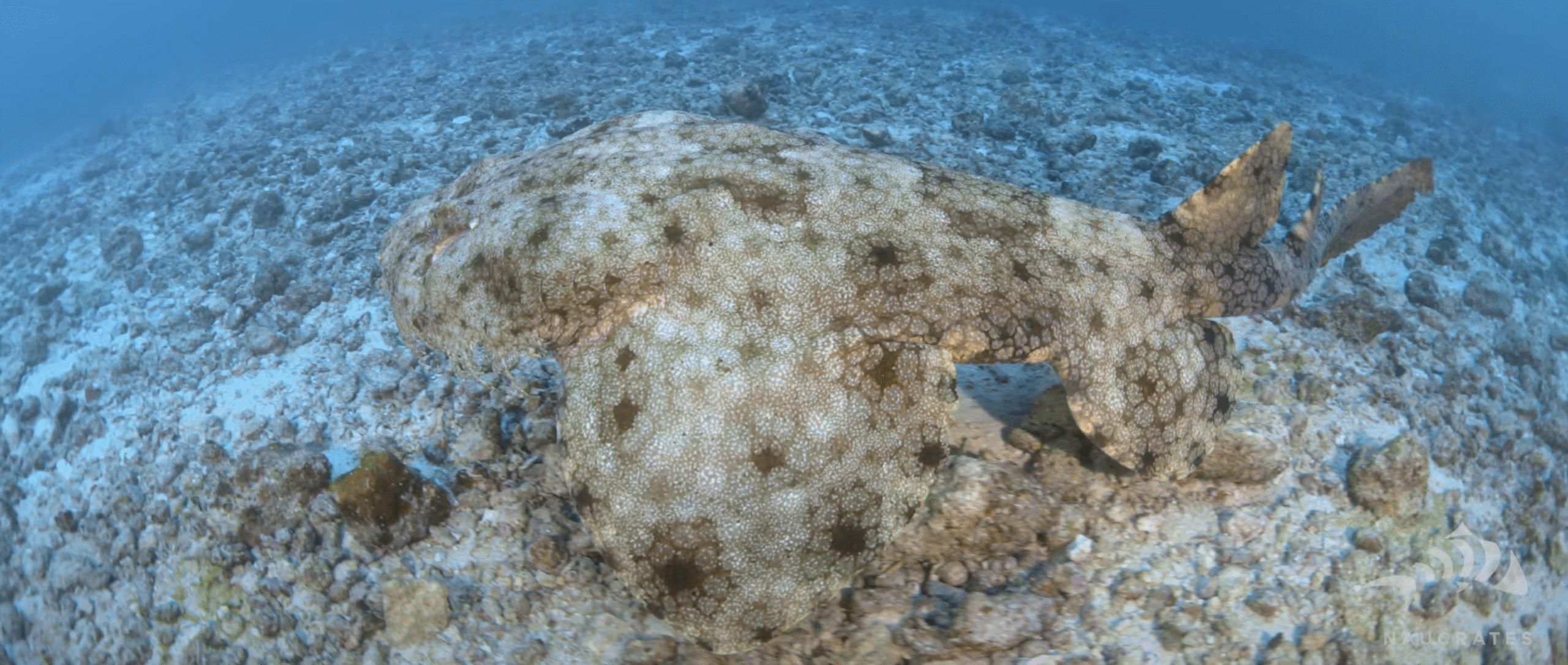
Triton Bay’s underwater world mirrors its exceptional biodiversity: vertical walls covered in soft corals, seamounts and bommies alive with color, underwater swim-throughs, and black-sand slopes perfect for muck diving. Encounters with whale sharks, oceanic mantas, and the endemic walking shark make every dive a discovery.
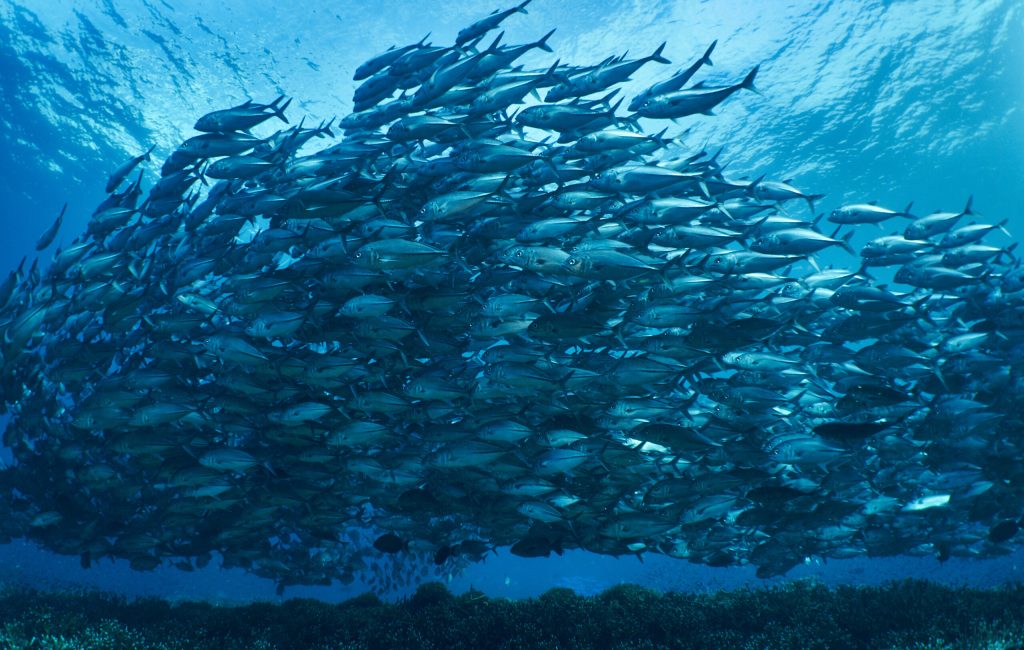
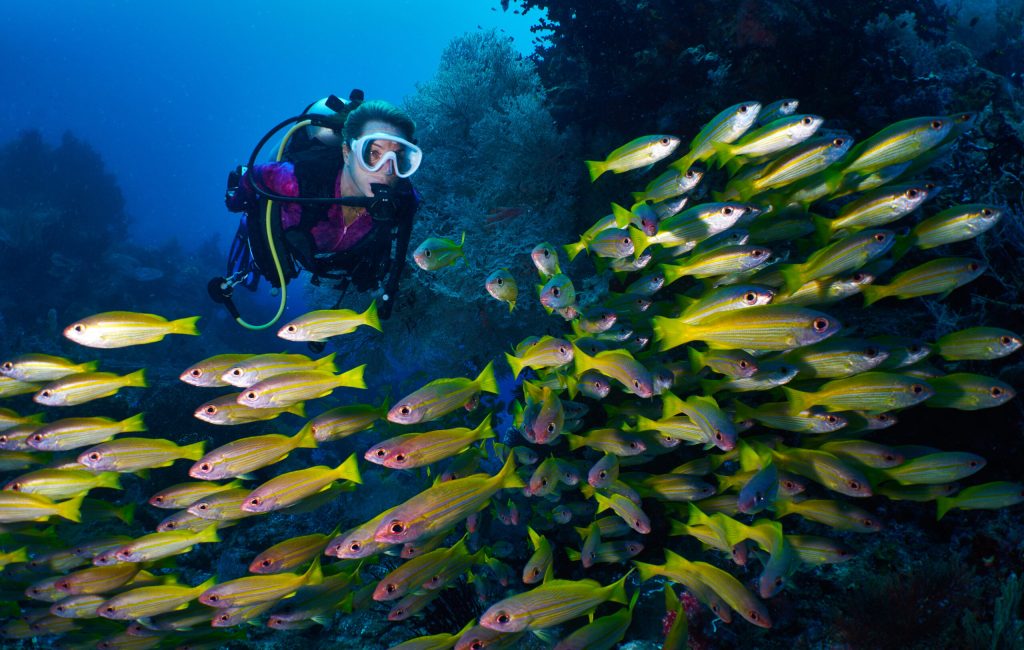
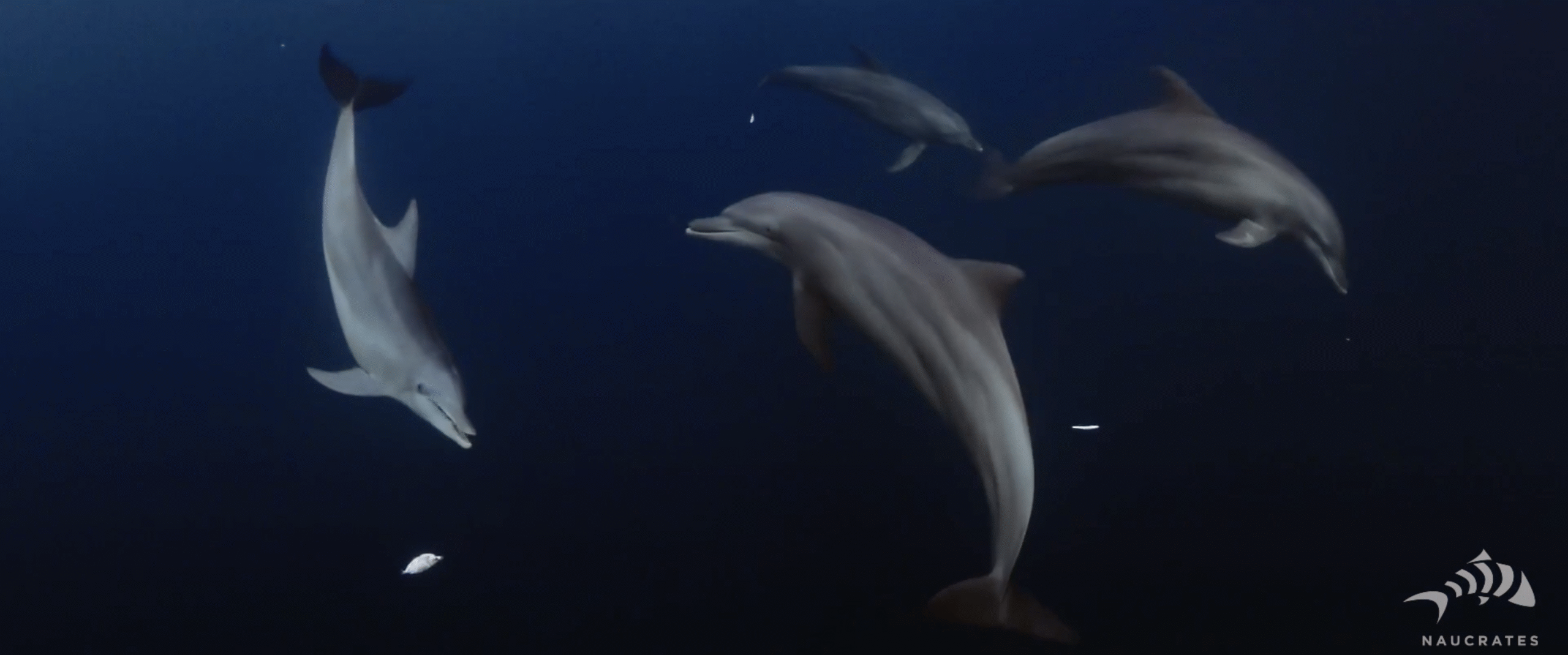
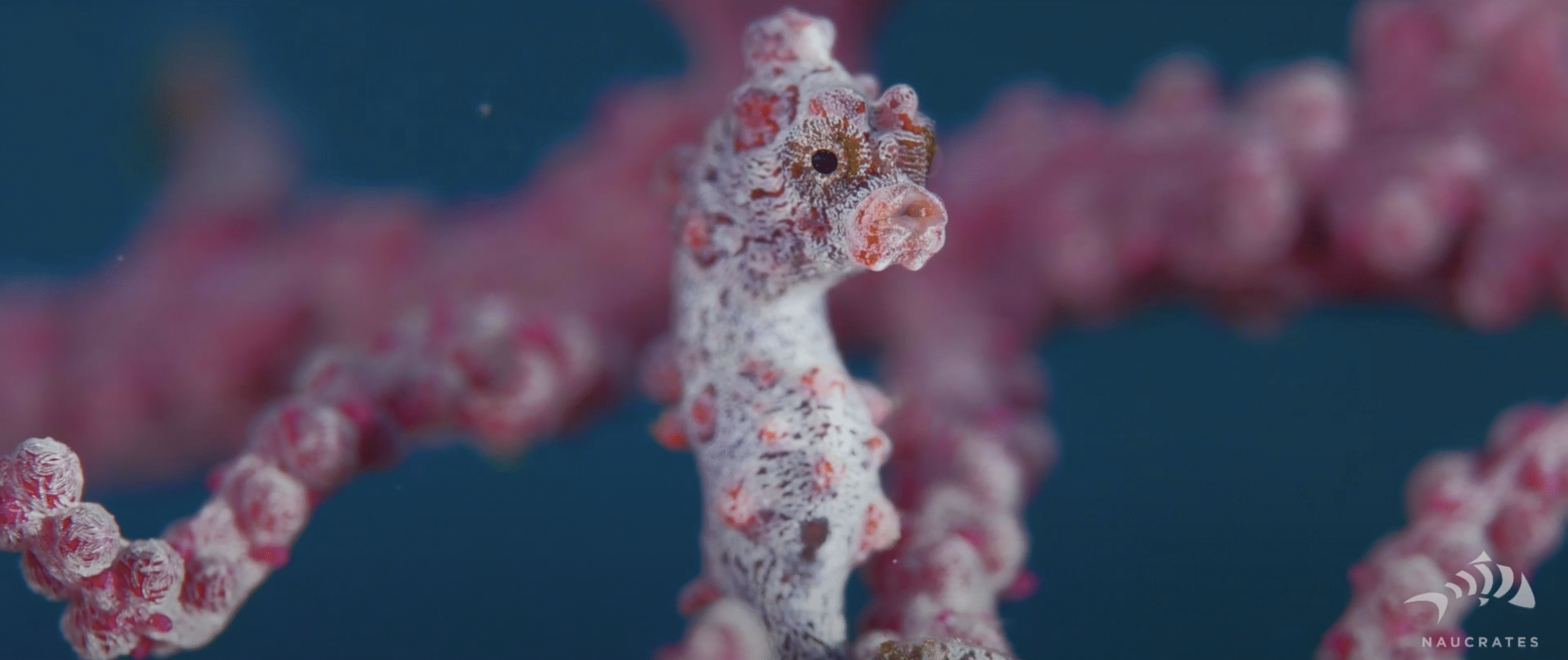
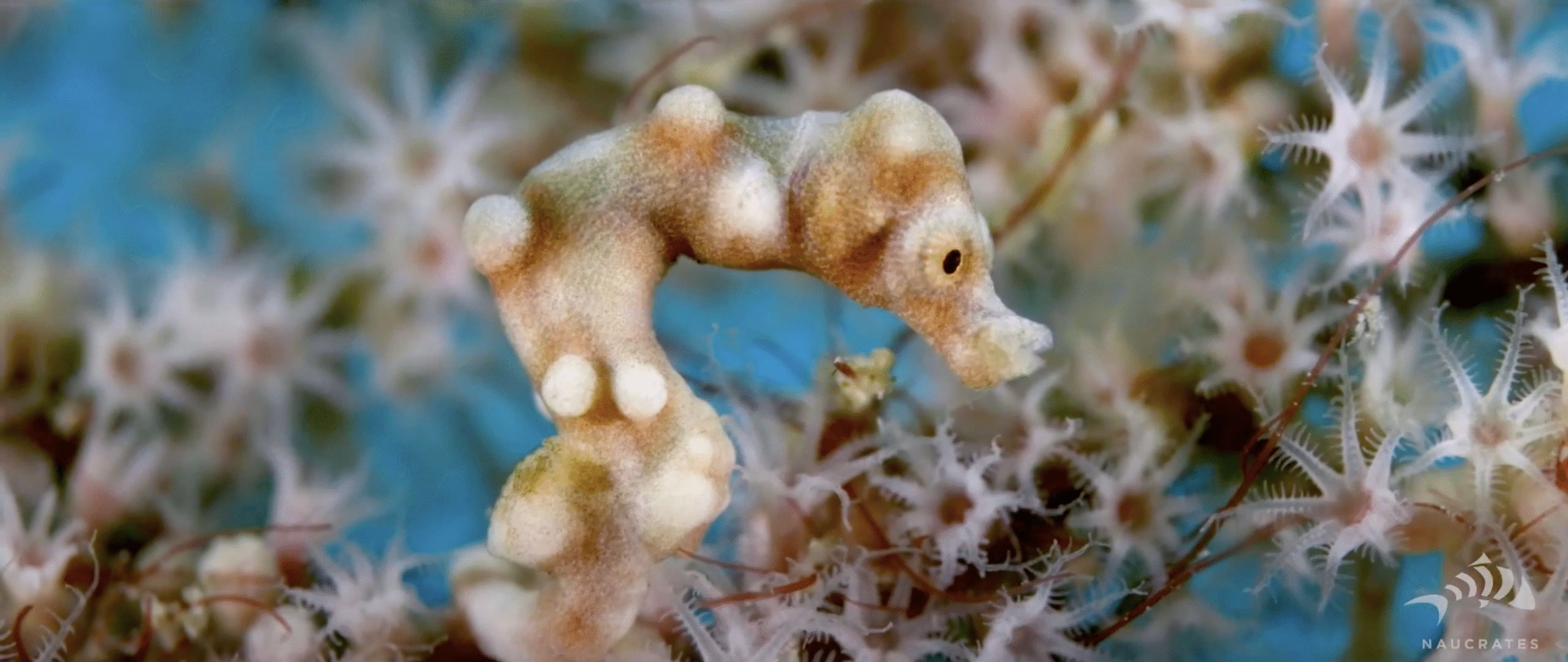
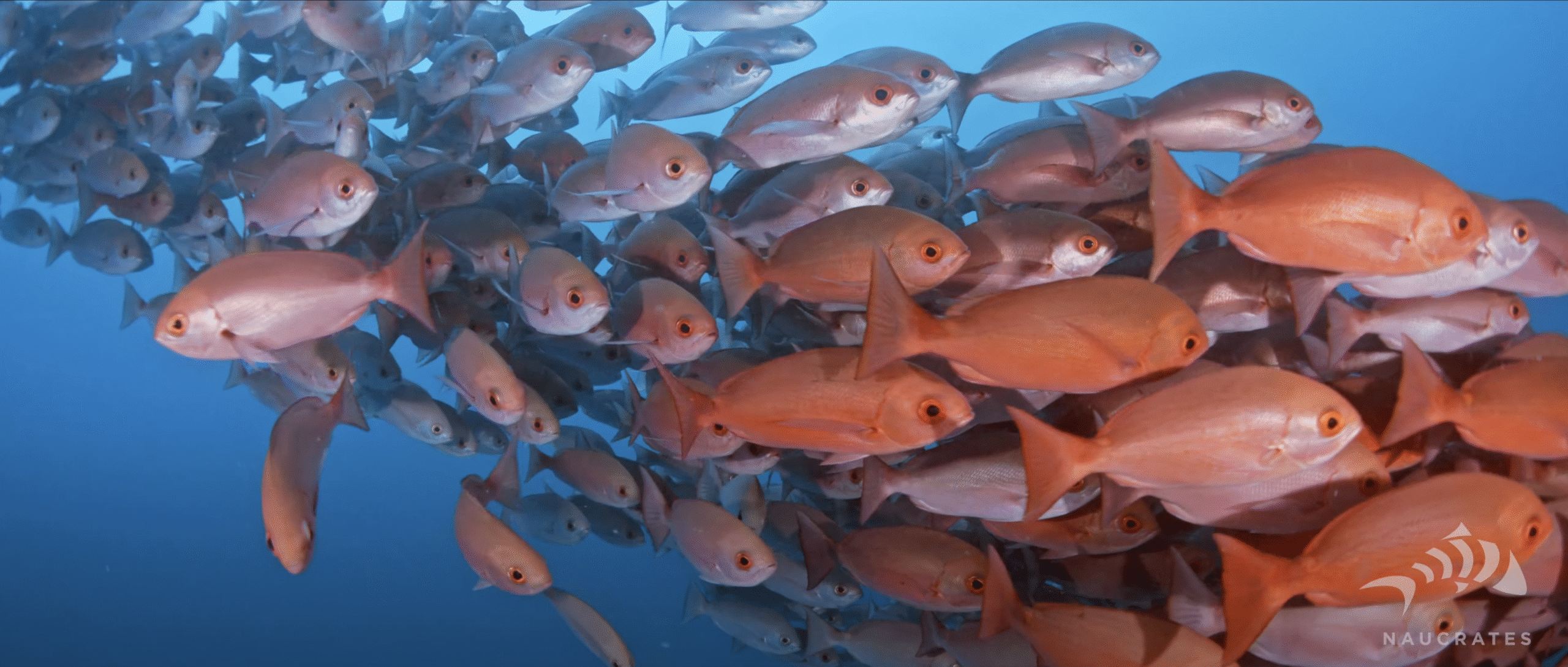
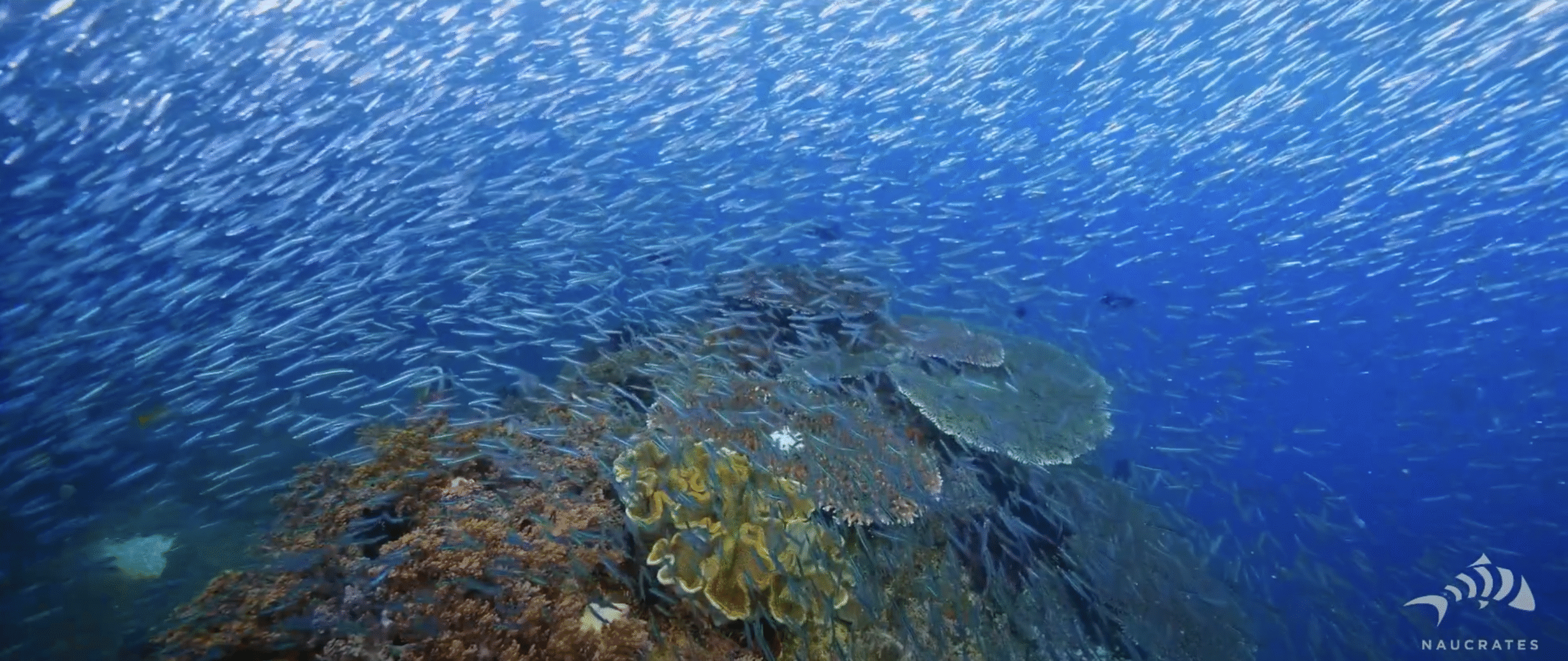
Home to over 30 endemic species, hundreds of coral varieties, and more than 1,000 species of reef fish, Triton Bay truly earns its nickname, the “Amazon of the Seas.” Here you can witness massive schools of fusiliers, sweetlips, and snappers, pygmy seahorses, wobbegong and reef sharks, and even dolphins and Bryde’s whales gliding through the depths.
Whether you’re a macro enthusiast, a pelagic seeker, or an underwater photographer, Triton Bay offers an unrivaled spectrum of color, life, and wonder, a place where time stands still, and nature thrives in its purest form.
Diving in Triton Bay: A World-Class Experience
The global significance of Triton Bay emerged in 2006, when scientists conducted the first major survey of its underwater ecosystems. What they discovered was nothing short of extraordinary: thriving populations of large reef predators like groupers and snappers, vast fields of soft corals in surreal colors, dense black coral forests, and numerous species previously unknown to science. These findings led to the creation of the Kaimana Marine Protected Area, which today safeguards Triton Bay’s fragile reefs and supports vital wildlife, from sea turtles and whale sharks to the majestic Bryde’s whales that patrol its deeper waters.
For divers and ocean lovers, Triton Bay offers some of the most unique and colorful dive sites in Indonesia, with very few other boats in the area. Calm conditions, gentle to brisk currents, and warm waters year-round make it perfect for extended dive trips and underwater photography. The bay’s rich, nutrient-filled waters may at times reduce visibility, but the payoff is extraordinary, an explosion of marine life that thrives in these fertile conditions.
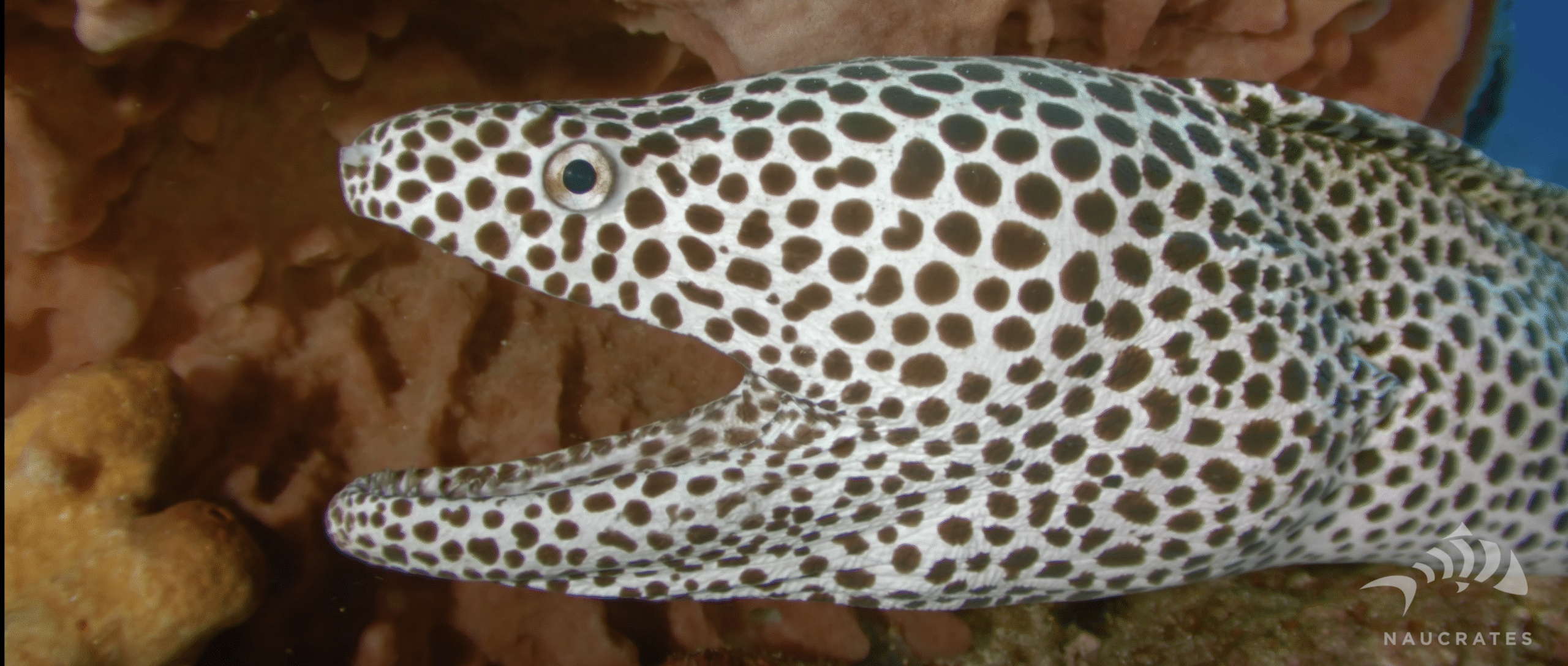
Beneath the surface, divers can encounter an impressive range of species, including giant trevallies, bluefin jacks, honeycomb moray eels, mobulas, groupers, and countless varieties of reef fish. Those who venture deeper may be rewarded with sightings of rare and endemic species such as the flasher wrasse, the elusive wobbegong, and the captivating walking sharks, unique highlights that make Triton Bay one of the most extraordinary underwater frontiers on Earth.
Isolated, pristine, and overflowing with life, Triton Bay remains one of the last places where nature still thrives in its purest form, a sanctuary for explorers, divers, and dreamers alike.
Come join us on this rare voyage, exploring wild frontiers, Forgotten Islands, and timeless beauty from Maumere to the remote seas of Saumlaki.
Tentative Itinerary
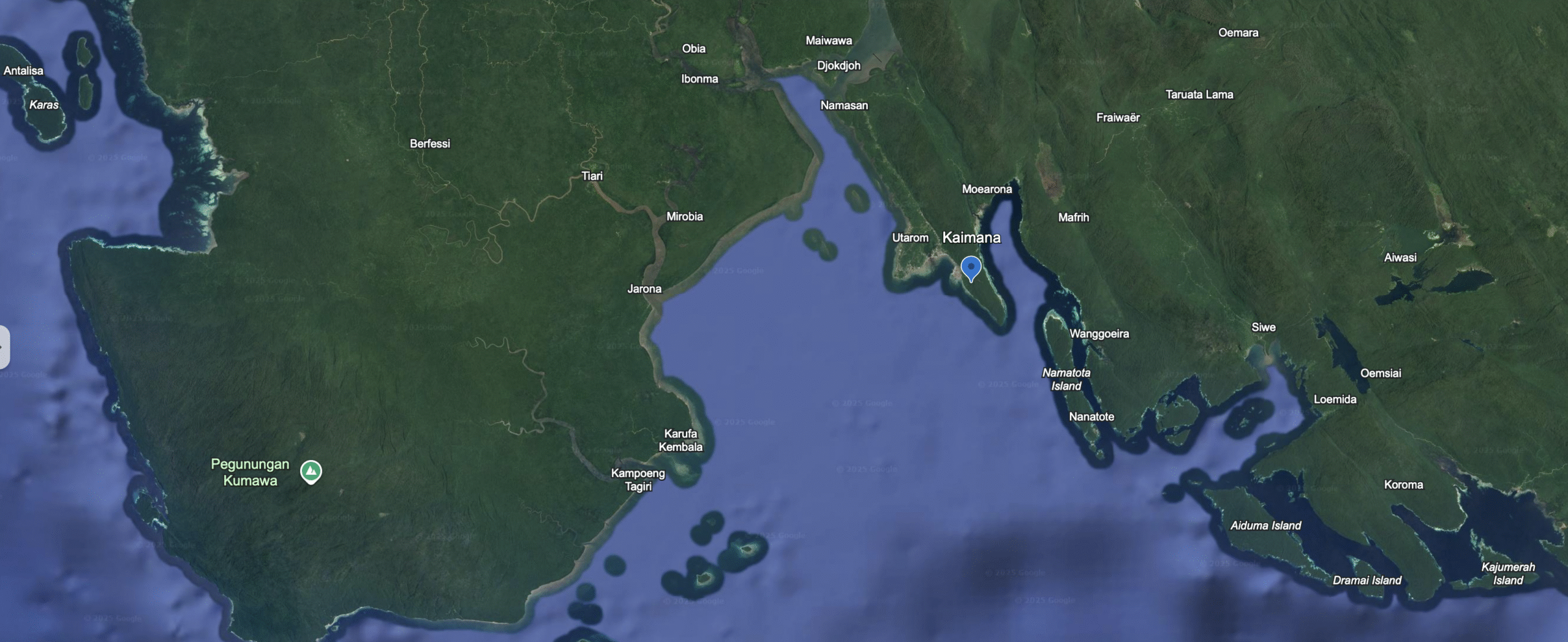
The itinerary may be adjusted at the discretion of the captain and cruise director based on weather conditions, which can sometimes be unpredictable, as well as the group’s overall experience. The goal is to offer the best possible diving and snorkeling sites according to the group’s interests and skill levels.
Day 1 – KAIMANA – NAMATOTA ISLAND
Flight to Kaimana from Sorong. Transfer to the Seven Seas, setting up gear meanwhile we are steaming out and afterwards we’ll do a general briefing, after some refreshments and lunch and we’ll do our check out dive. We gear up for our first dive at At the southern flank of Namatote Island,
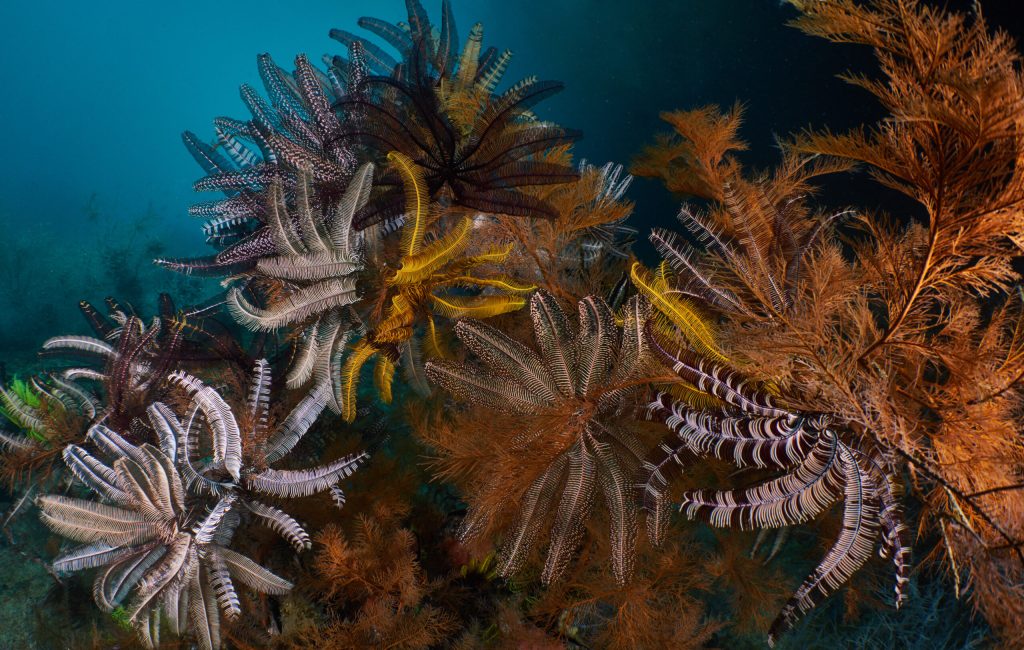
Namatote Wall drops into a deep cobalt stage where color and texture never let up, its vertical face draped in soft corals, giant sea fans, and thickets of black coral that turn the dive into a slow, hypnotic glide along ledges and fissures; even on milky days the relief seems to glow, inviting you to hover close and let the reef reveal itself one balcony at a time, a rare blend of grand wall drama and intimate detail where fan forests buzz with life, black-coral bushes shelter tiny residents, and every overhang hints at a surprise as gentle pulses of current ignite the colors and pull schools of anthias and fusiliers from the blue, while keen eyes find nudibranchs, watchful gobies, cryptic shrimp, and the occasional pipefish or leaf scorpionfish tucked among branches, with hawkfish and groupers patrolling the ledges and, if you’re lucky, a turtle drifting past to silhouette the wall before it fades into the open sea.
After the dive we will go to a beach for some refreshments and snacks.
Day 2 – PULAU AIDUMA – TRITON BAY AREA
The day begins under soft morning light, the sea a perfect mirror reflecting the jungle-clad hills of Triton Bay. The air is still cool as the crew gears up, three dives ahead, each promising a different face of this underwater paradise.
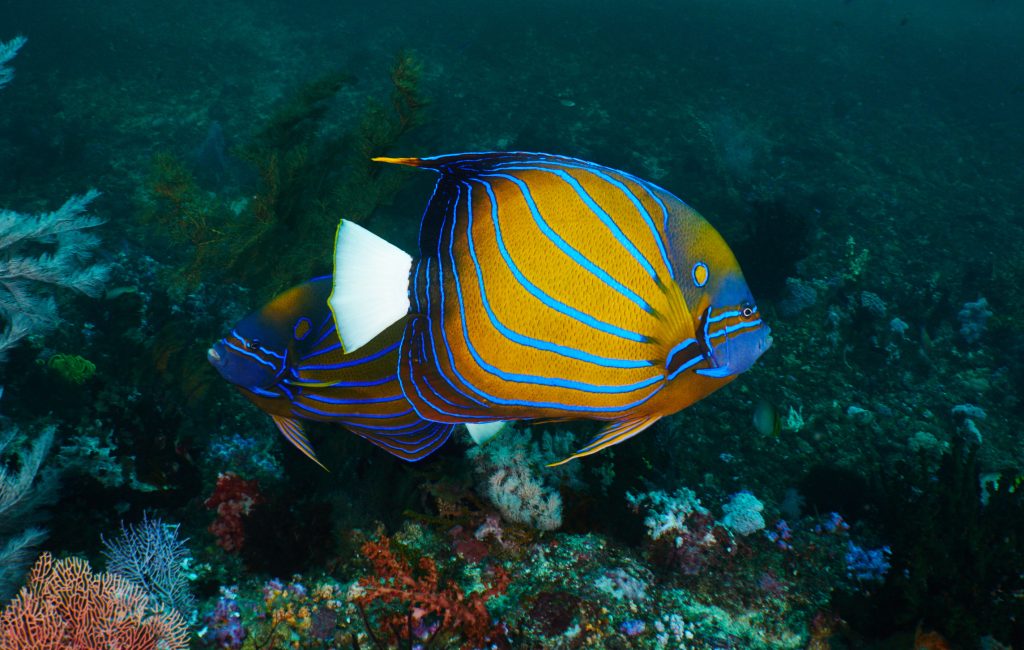
True to its name, Aquarium feels like diving into a natural fish tank. Gentle currents, and an explosion of color wherever you look. This site showcases Triton Bay’s coral diversity at its best, with fields of soft corals, hard coral bommies, and sponges shaped like sculptures. Anthias, butterflyfish, and angelfish dance through the light, while turtles glide serenely above the reef. Ideal for both beginners and photographers, Aquarium is a calm, immersive dive that reveals the gentler, more poetic side of this marine paradise.
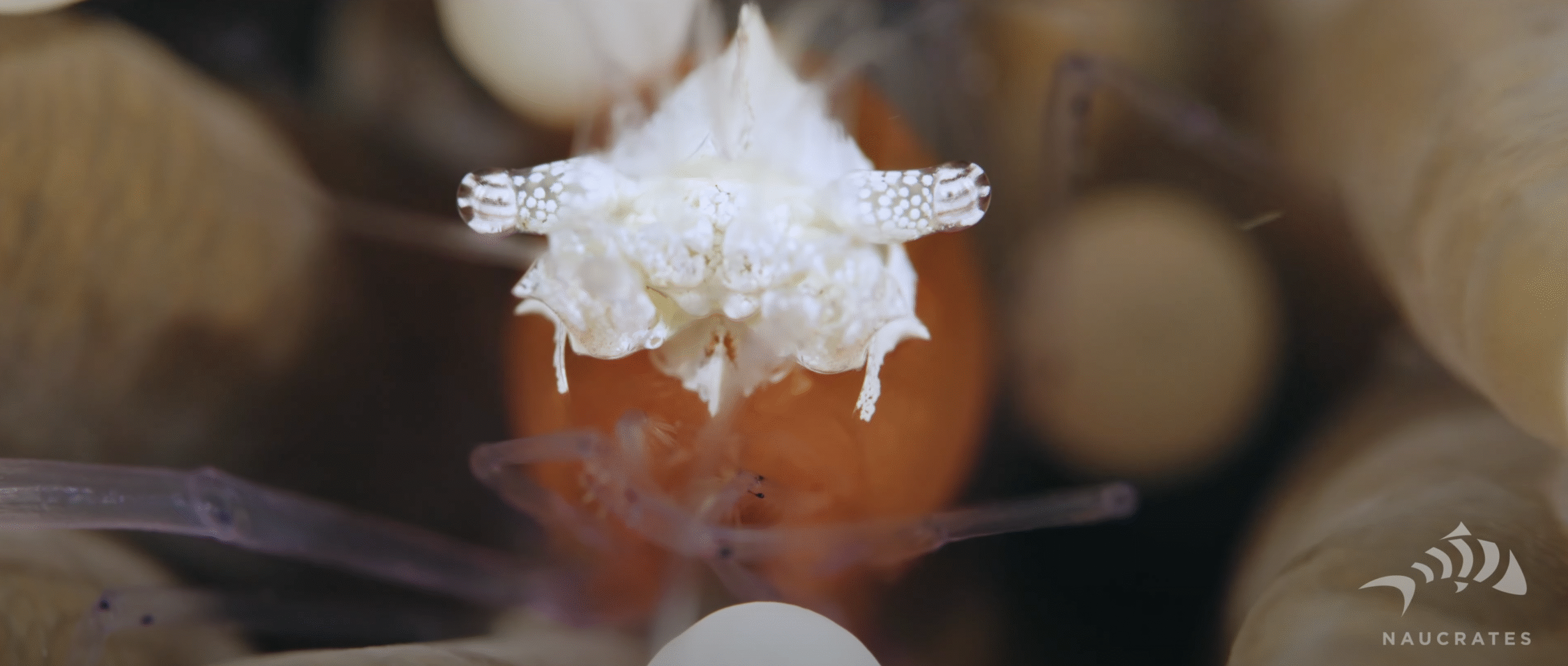
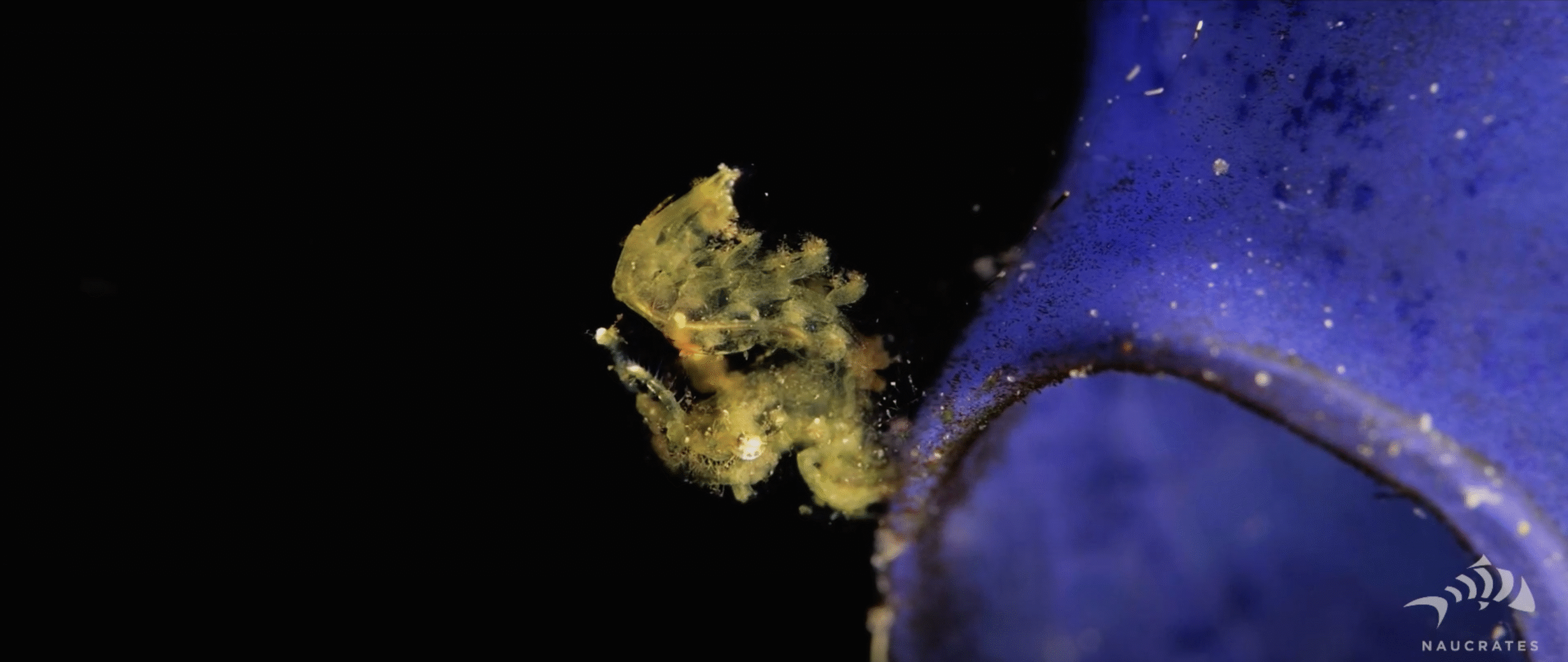
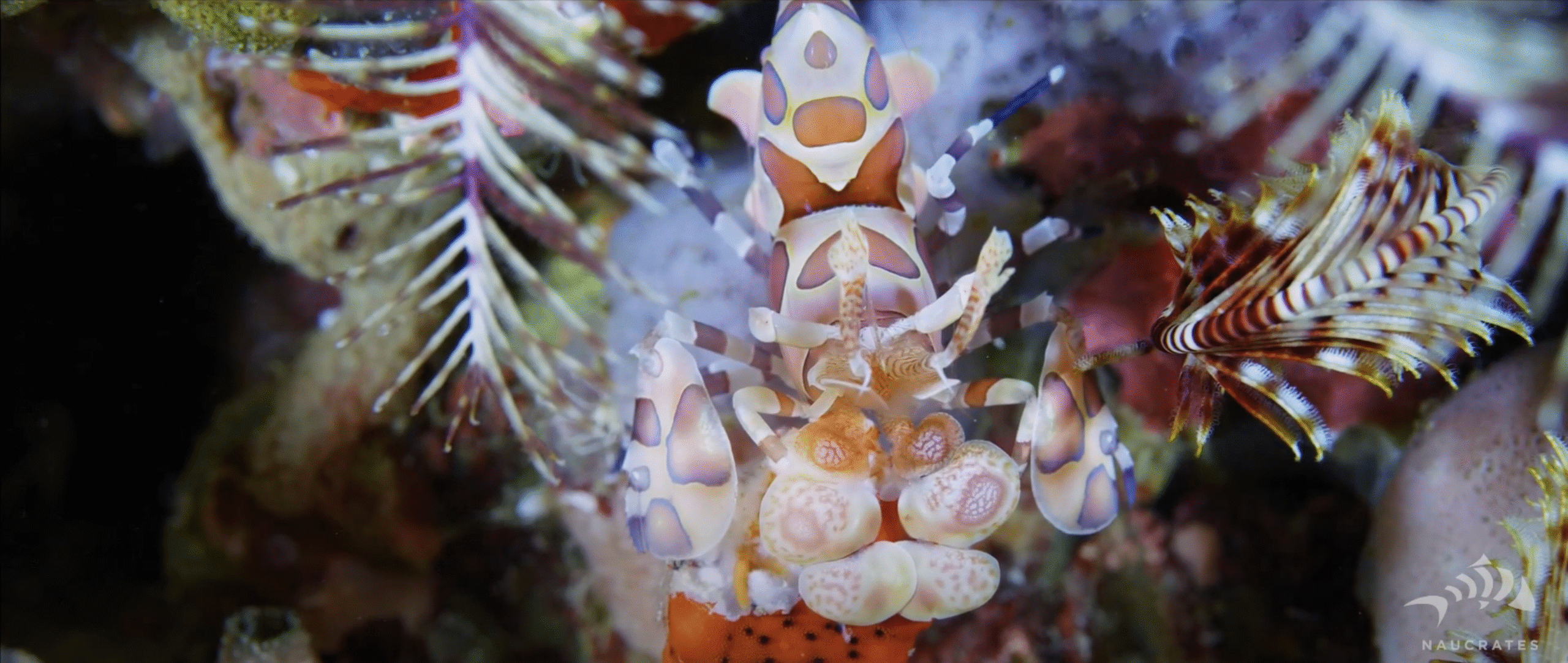
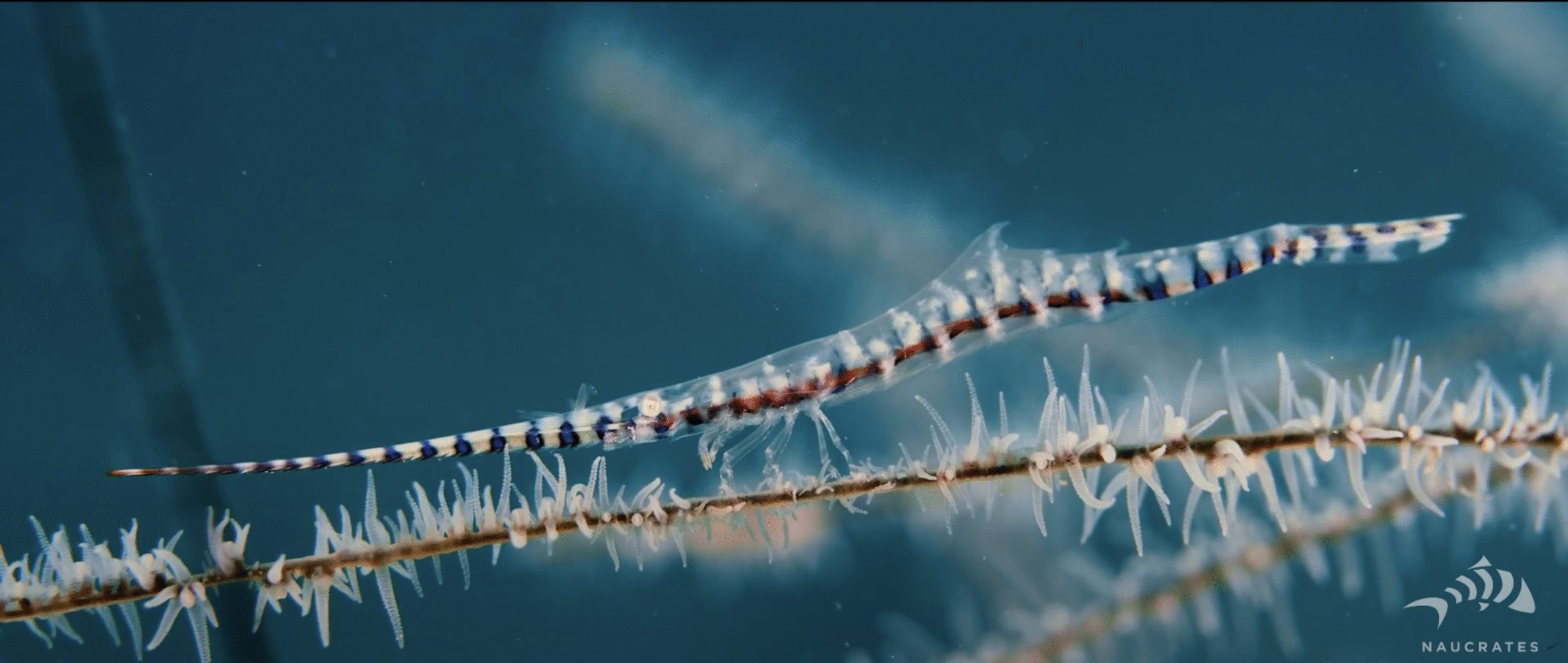
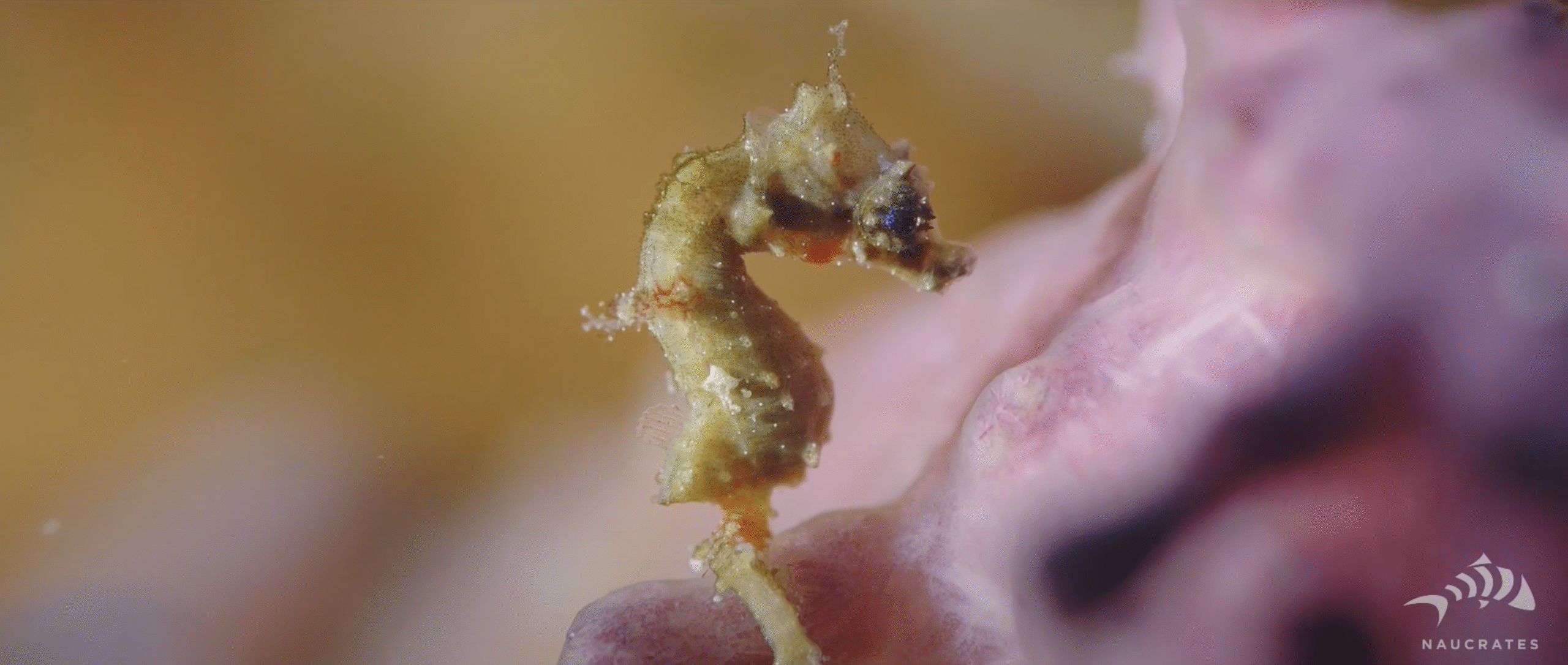
Andy’s Point greets us with moving water and a touch of adrenaline. The current sweeps along steep coral-covered ridges, carrying clouds of fusiliers, barracudas, and trevallies. Massive black coral bushes sway in the flow, and every crevice hides life — wobbegongs resting motionless, pygmy seahorses clinging to gorgonians, nudibranchs glowing like jewels. This is Triton Bay at its wildest: raw, unpredictable, and absolutely thrilling. Each drift reveals a new surprise, each pause a tiny world waiting to be discovered.
As the afternoon sun softens, we descend on White Rock, a gleaming limestone pinnacle rising from the sea. Below the surface, the reef glows in the fading light, a masterpiece of coral and color. Flasher wrasses dance in bursts of neon, while ghost pipefish hover delicately between sea fans. Pelagic visitors sometimes glide past, mobulas, tunas, or sleek reef sharks, reminders that even in stillness, the ocean is never truly quiet. It’s a serene, almost poetic finale to a day of contrasts, from calm to current, from frenzy to peace.
Day 3 – PINTU ARUS – TRITON BAY AREA
Dawn breaks softly over Triton Bay, painting the water in hues of silver and gold. The sea is calm, the air charged with quiet anticipation — today’s dives promise both power and grace, a journey through the living pulse of the currents.
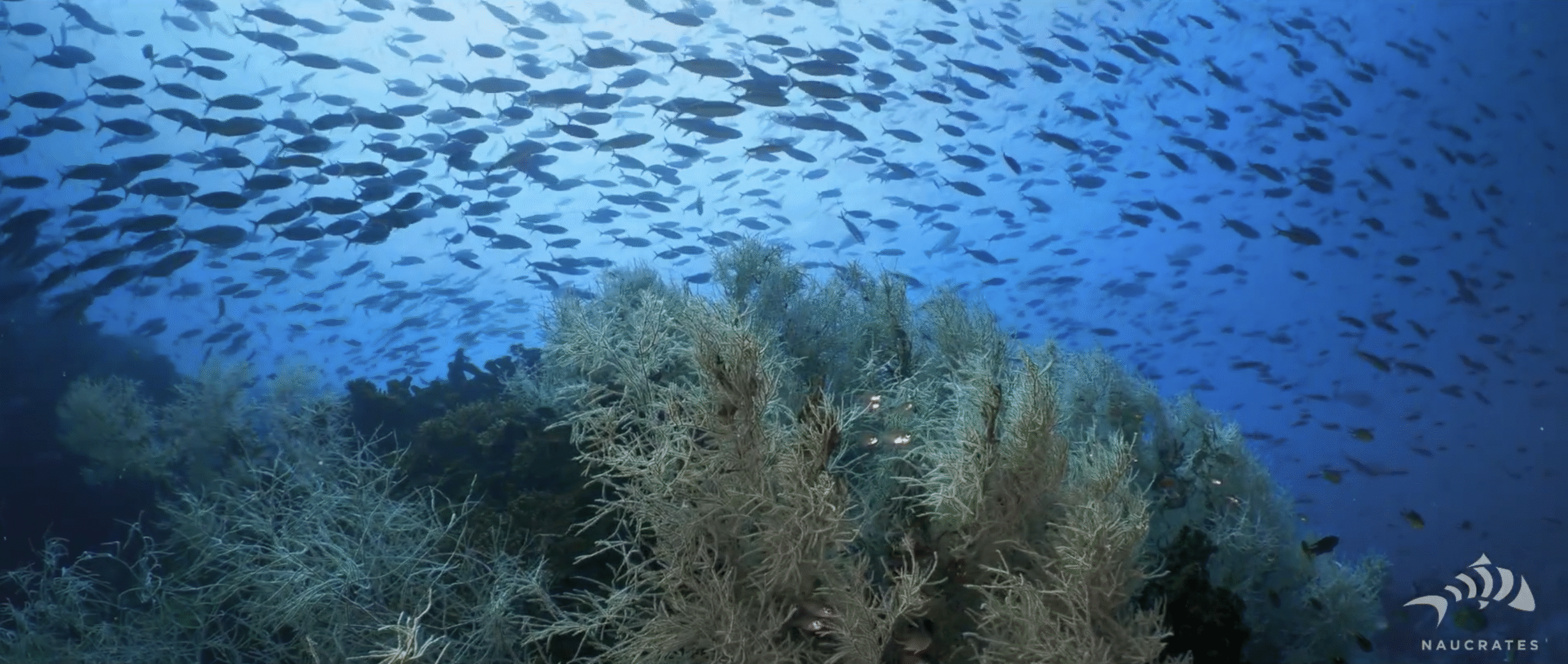
We begin the day at Pintu Arus, a site that lives up to its name, the “Gate of Currents.” Here, two water masses collide, stirring up a rich blend of nutrients that fuels an explosion of life. The current carries us through a corridor of color: soft corals and sea fans swaying like underwater gardens, tiny crustaceans tucked among branches, reef fish flashing past in every direction. Trevallies and jacks cut through the blue in sharp, synchronized bursts. It’s an exhilarating drift, the kind that makes you surrender to the rhythm of the ocean.
A short ride from Pintu Arus brings us to Little Komodo, one of Triton Bay’s most iconic sites. Named after its wild namesake in Komodo, it captures the same untamed spirit, a place where everything moves, glows, and breathes in unison. Descending into the blue, you’re greeted by a riot of color: orange and purple soft corals, swirling anthias and fusiliers, sweetlips hovering motionless above the reef. Along the edges, trevallies and mackerel hunt in formation, while wobbegong sharks rest camouflaged on the sandy bottom. When the current runs just right, the dive becomes pure poetry, a flowing ride through a storm of life and color that defines Triton Bay’s raw beauty.
As the sun lowers toward the horizon, we return to Pintu Arus to dive it from the other side. for a final dive. The light has softened, and the reef feels transformed. Shadows stretch across the coral, and schools of fish move in lazy synchrony, as if winding down for the day. The current, still present but gentler now, carries us in a calm, meditative drift, a perfect ending to a day defined by motion and light.
Back on the boat, golden reflections ripple across the bay. The crew is quiet, content, watching the last rays disappear behind the headlands. Three dives, one ocean, and a day that captures the untamed heartbeat of Triton Bay.
Day 4 – TELUK BITSYARI – KAIMAMA AREA
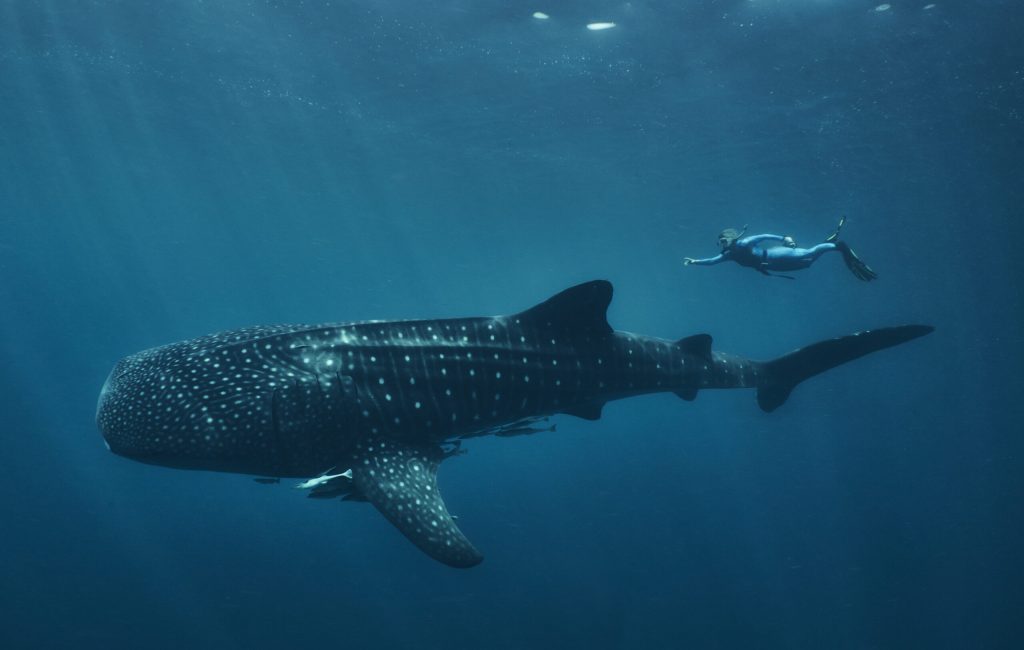
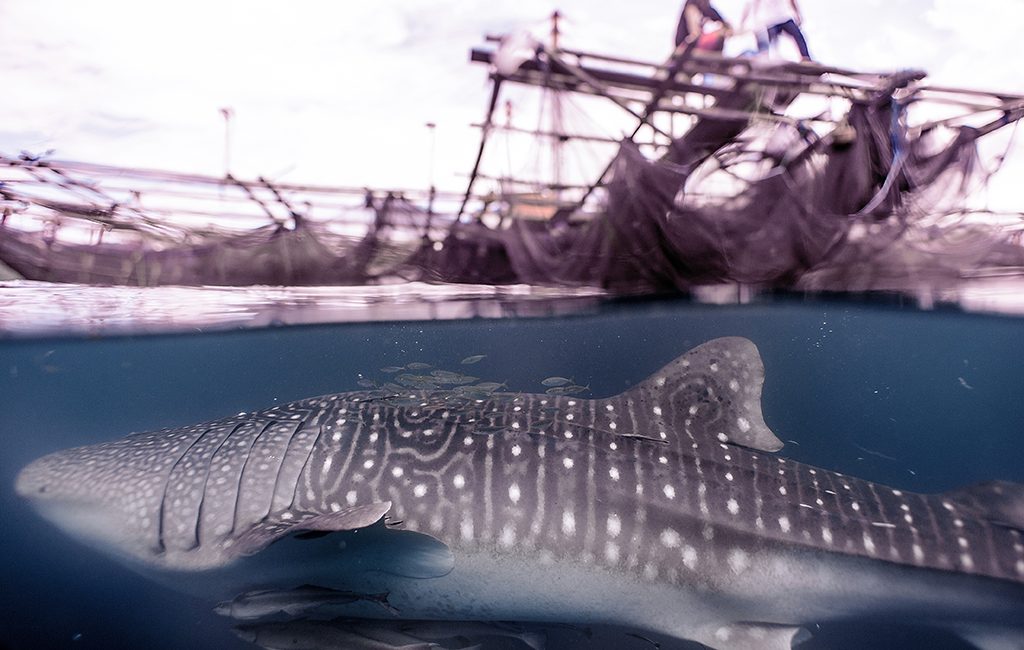
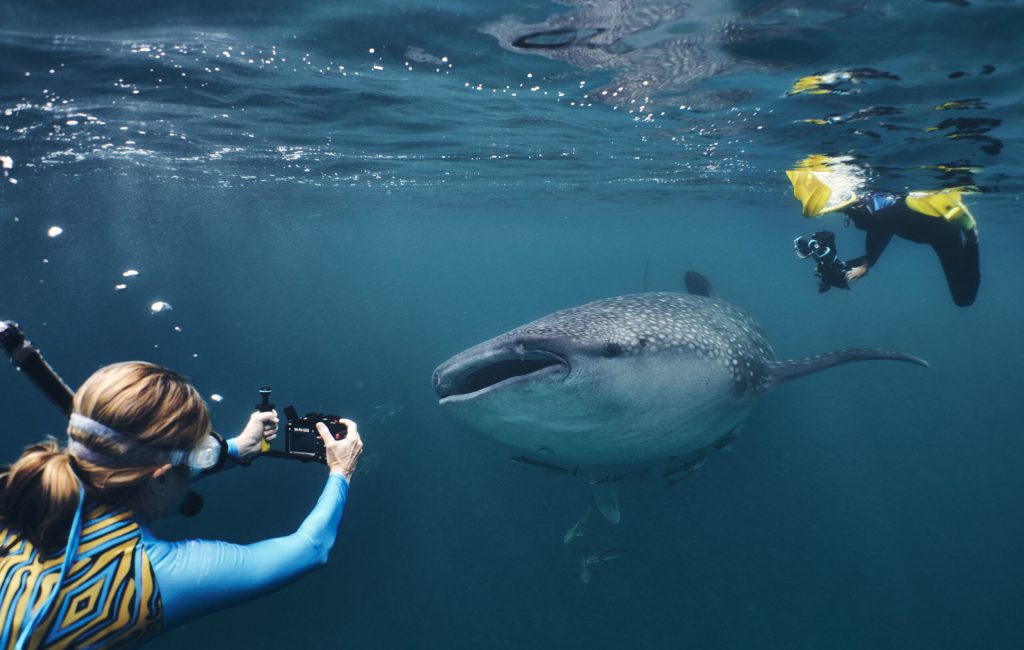
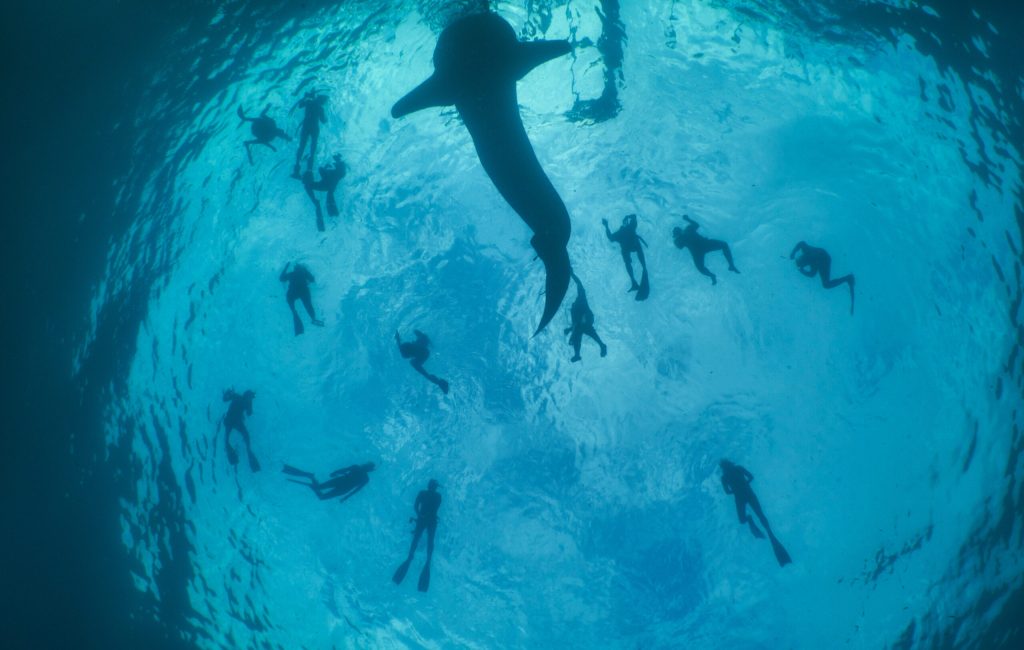
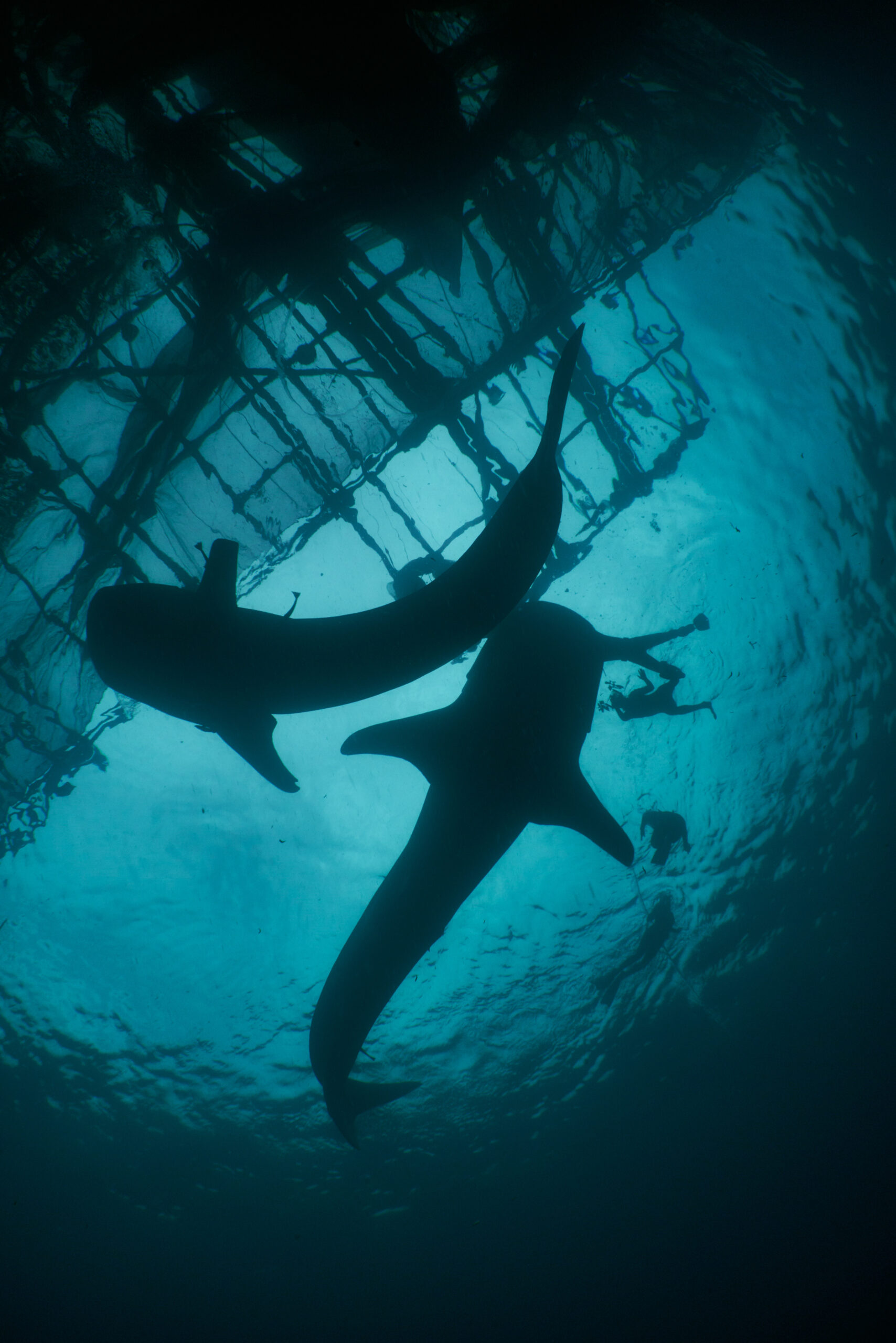
We’ll spend the morning diving and snorkeling beneath the bagans, traditional Indonesian wooden fishing platformsanchored offshore. Bagans lower large nets at night to catch baitfish (anchovies and sardines). At first light, the crew hauls the nets and rinses fish scraps over the water, this creates a natural feeding station that often attracts whale sharks, the “gentle giants” of Triton Bay.
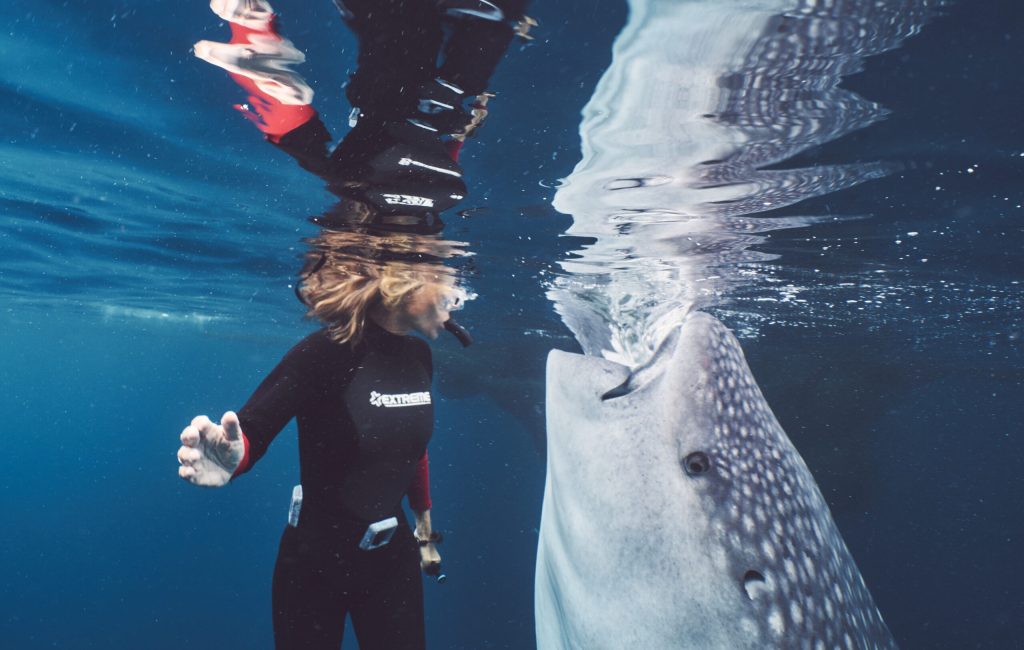
We approach quietly by tender and enter the water in small groups to keep the scene calm. You’ll float beside the platform and let the sharks come to you, no chasing, no touching, always giving way. Visibility can be milky from plankton (that’s why the sharks are here!), but the close, unhurried encounters are unforgettable. Photographers should bring wide-angle setups; snorkelers enjoy eye-level moments as the sharks glide up from the blue.
After a full morning with these gentle giants, we’ll return to Namatota for a final dive in the area, an easy, scenic immersion along coral-draped slopes and boulder gardens
Day 5 – MOMON SEAMOUNT – ARAFURA SEA
After a night crossing, we arrive to Momon seamount where we will do two dives Located in the Arafura Sea, Momon Seamount is an isolated underwater mountain known for its healthy coral formations, consistent currents, and high marine biodiversity. The top of the seamount rises to about 8–10 meters, creating a broad plateau surrounded by deeper slopes that descend into open water.
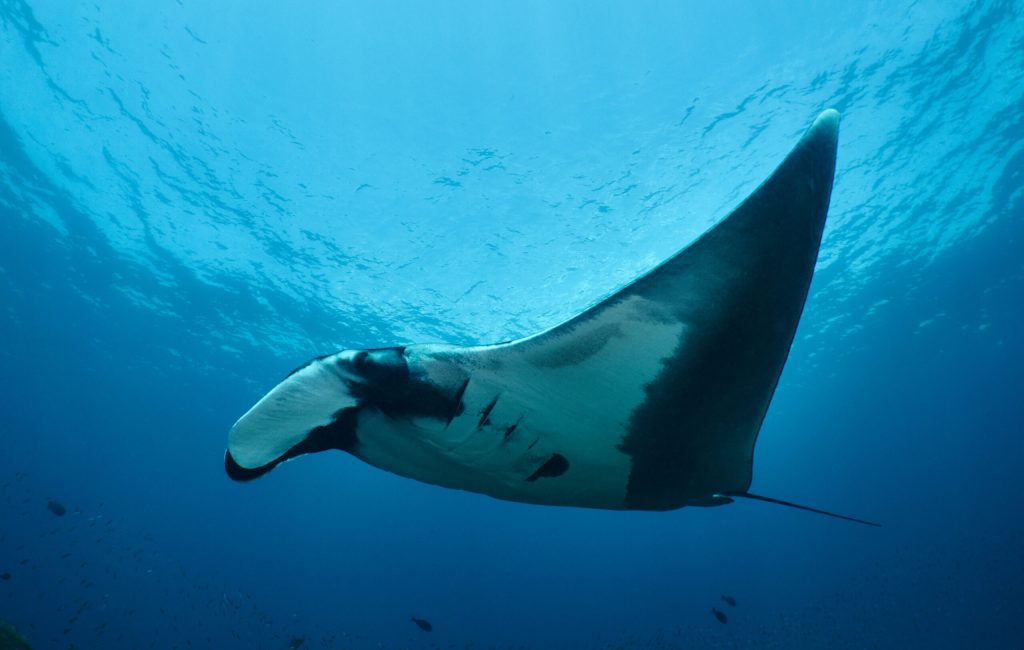
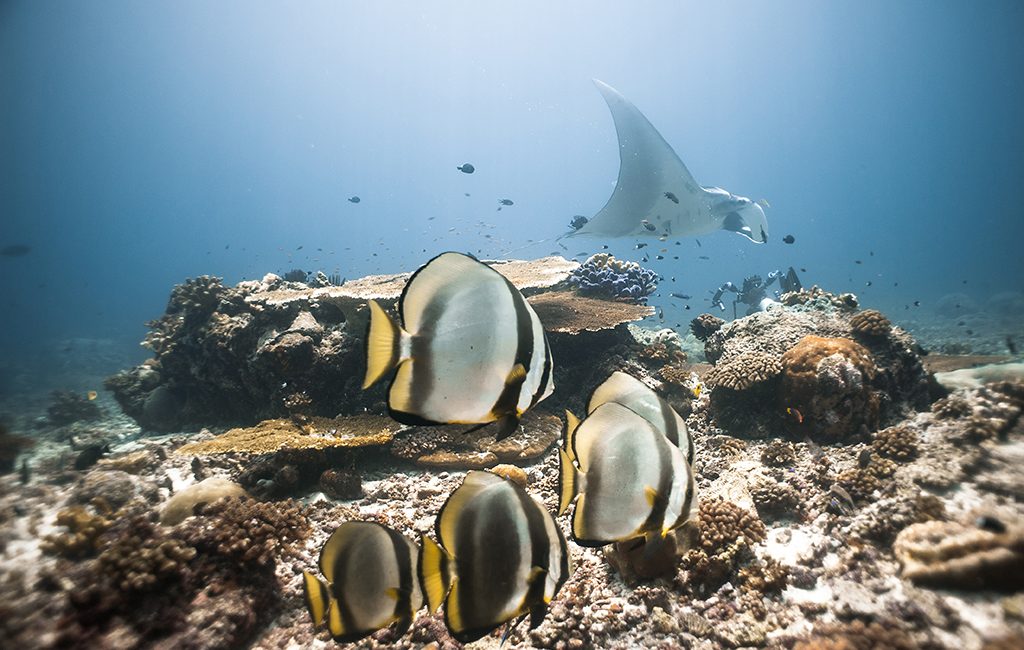
The site is recognized as a cleaning station for oceanic manta rays, which are frequently observed gliding over the plateau. In addition to mantas, divers may encounter Bigeye Trevally, Batfish, Napoleon Wrasse, and Giant Trevally. The coral growth includes large hard coral structures, sponges, and sea fans that thrive in the nutrient-rich flow.
Currents can vary from mild to strong depending on the tide, bringing excellent water movement and visibility but sometimes requiring good drift-diving experience. The combination of pelagic activity and coral health makes Momon Seamount one of the most notable dive sites in the region.
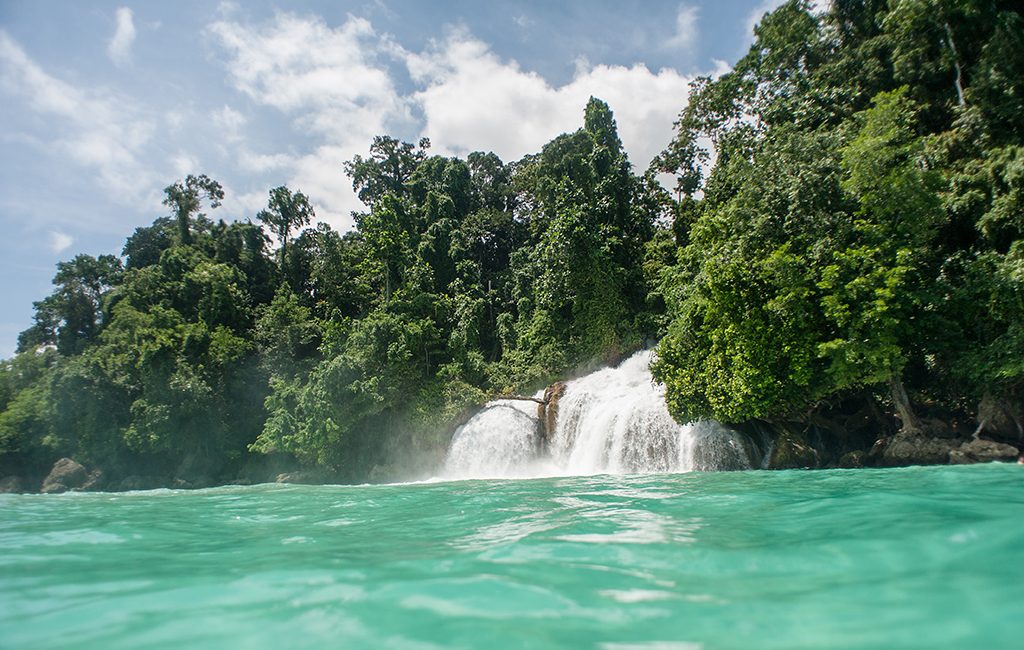
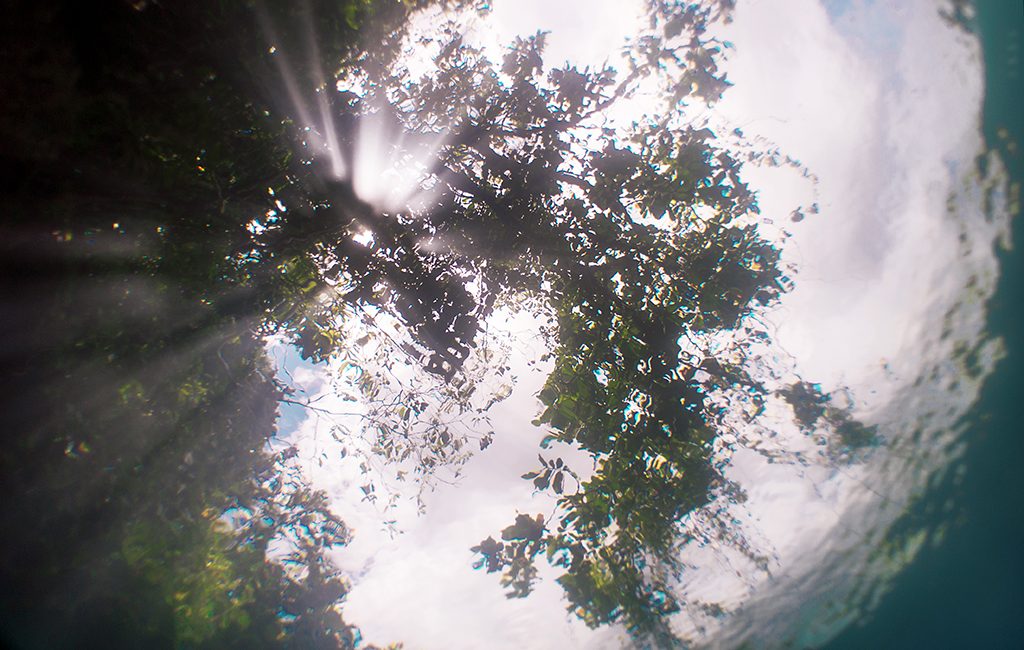
Near the dive site lies a Waterfall, a rare natural feature where freshwater from the jungle flows directly into the sea. The waterfall is accessible by tender and offers an opportunity for a short swim or freshwater rinse after diving. The contrast between the cool fresh water and the warm saltwater creates a unique and refreshing experience, often enjoyed as part of a liveaboard itinerary.
Day 6 – PULAU AIDUMA – TRITON BAY AREA
A new day begins as the vessel returns to the Triton Bay area. Today’s dives will take place around Aiduma Island, one of the region’s best-known diving zones. The island’s coastline features a mix of steep rocky walls, coral slopes, and sheltered bays that host an exceptional variety of marine life.
Three daytime dives are planned around the island, each highlighting a different aspect of Aiduma’s underwater landscape, from vibrant coral gardens and macro-rich reefs to dramatic rock formations. The day will end with a night dive near the resort, offering a chance to search for one of Triton Bay’s most remarkable endemic species.
Bo’s Rainbow is one of Triton Bay’s most colorful and photogenic reefs. The site features a shallow profile, with depths averaging around 12–18 meters, making it suitable for both macro and wide-angle photography. Large coral bommies are covered in black coral bushes and soft coral gardens that attract a wide variety of reef life. Divers may encounter pygmy seahorses, nudibranchs, pipefish, and hawk groupers among the corals. The site also includes a small shallow swim-through that cuts through part of the island, adding variety to the dive. With mild conditions and rich coral growth, Bo’s Rainbow showcases the healthy, vibrant reef ecosystems typical of Triton Bay.
Named after the Indonesian term for “Falling Rock,” Batu Jatuh is characterized by large boulders that slope into deeper water, forming a terrain of canyons, ledges, and crevices. The rocks are densely covered with soft corals, sponges, and sea fans, creating a colorful and textured environment. Marine life commonly observed includes schools of snapper, moray eels, octopuses, and a variety of reef fish species. On clear days, sunlight filters through the formations, illuminating the coral walls and giving the site excellent photographic appeal. Batu Jatuh offers both scenic topography and rich marine biodiversity, suitable for slow exploration and observation.
Tangga is a versatile dive site combining sea fans, sandy areas, and scattered coral bommies. The variety of habitats supports an abundance of small marine life, making it a preferred site for macro enthusiasts. Typical sightings include pygmy seahorse, ornate ghost pipefish, and numerous species of nudibranchs. The site generally features gentle currents and good visibility, allowing for relaxed, detailed diving. With its mix of coral structures and open patches, Tanga provides an excellent opportunity to observe Triton Bay’s characteristic diversity in a compact, easily navigable setting.
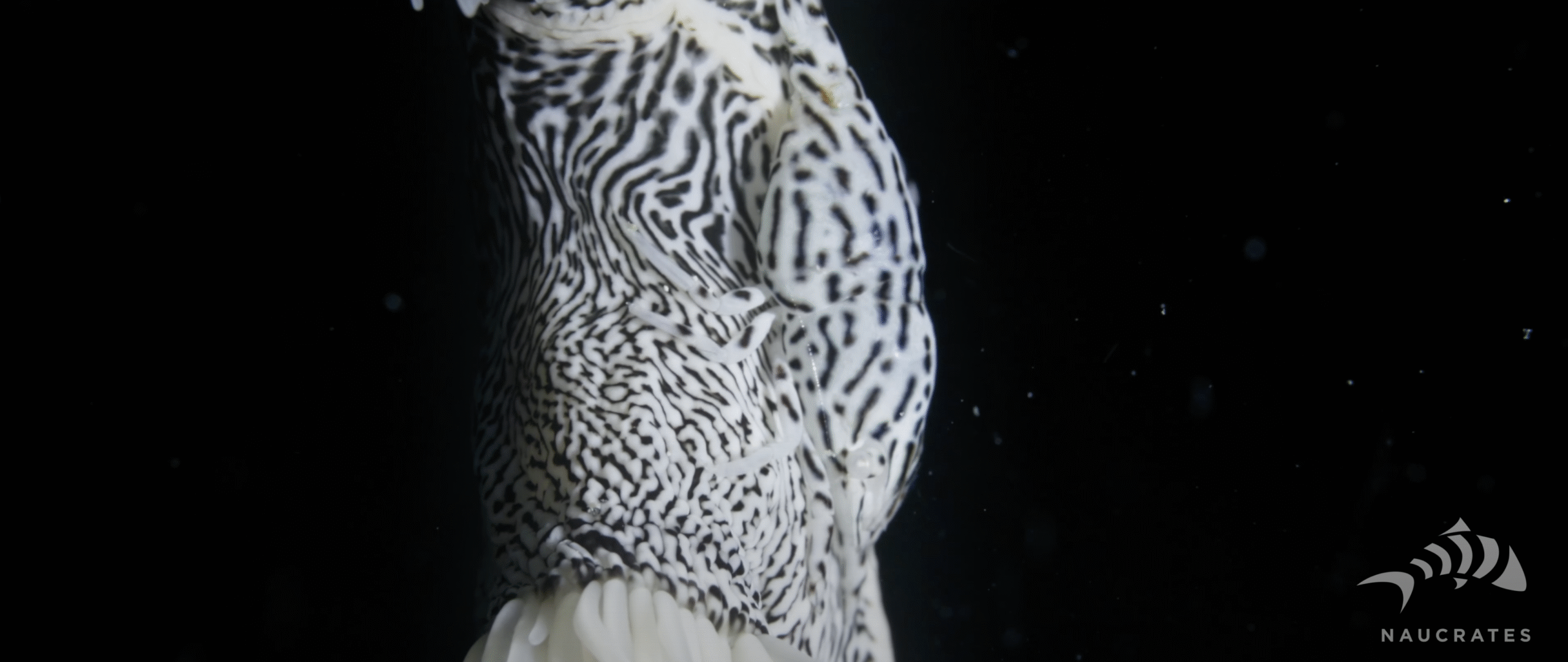
The day concludes with a night dive in front of the resort at Aiduma Bay, a shallow area of sand and coral rubble ideal for observing nocturnal marine life. This site is known as a potential location to encounter the Triton Bay Walking Shark (Hemiscyllium sp.), an endemic species found only in this region. During the dive, divers may also observe crustaceans, cephalopods, benthic fish, and a range of invertebrates that become active after dark. The calm conditions and moderate depth make this an accessible and rewarding site for night exploration.
Day 7 – PULAU DRAMAI & PULAU AIDUMA – TRITON BAY AREA
A new day begins as we continue exploring the outer islands of Triton Bay, an area known for its rich coral ecosystems and dramatic underwater scenery. Today’s dives focus on the region’s western side, visiting Dramai, Batu Jeruk, and Christmas Rock, three sites that highlight the diversity of habitats and marine life found in this part of the bay.
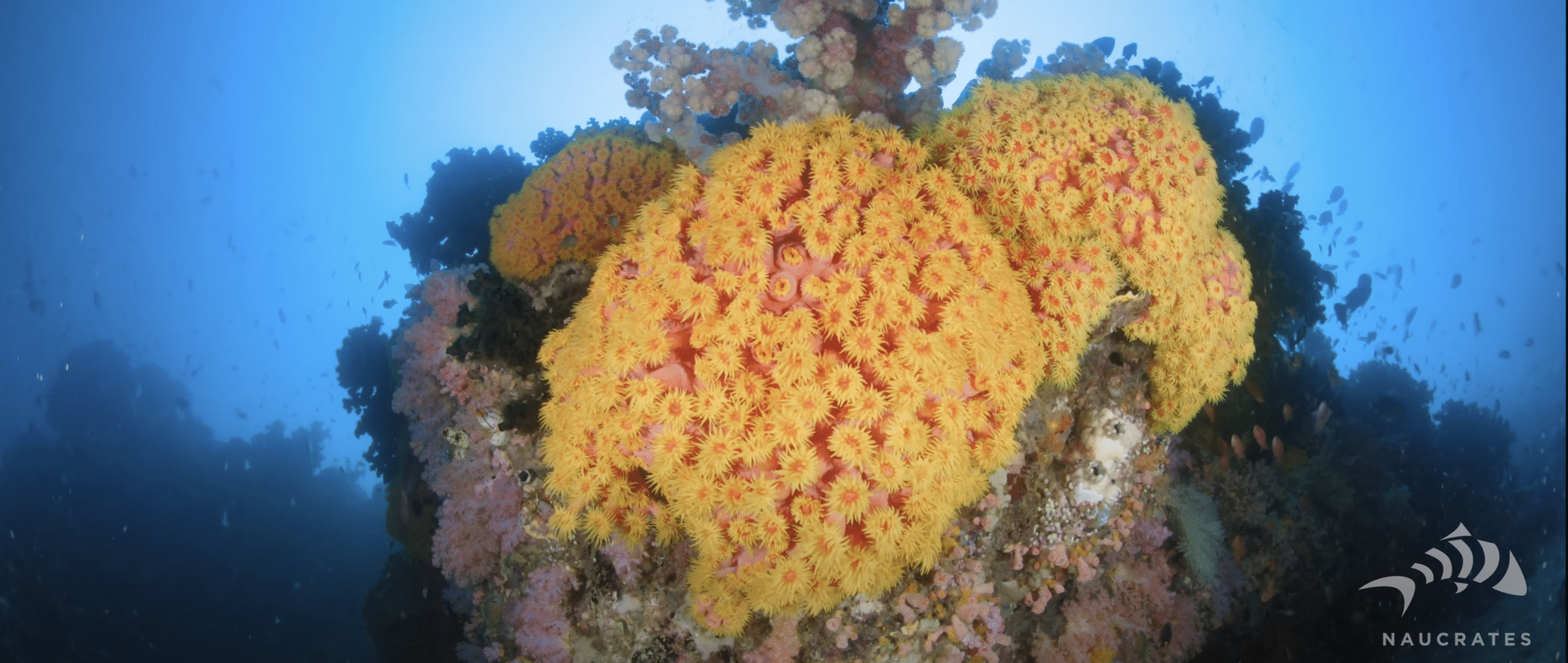
Named after one of Triton Bay’s outer island, Dramai offers a mix of shallow coral gardens and steep slopes covered in soft corals. The site is often the first dive of the day, with excellent morning light illuminating the reef. Orange and pink soft corals dominate the upper sections, while deeper areas feature gorgonians and sponges that attract a wide range of reef fish. Common sightings include fusiliers, sweetlips, wobbegongs, honeycomb more eels, and during periods of stronger current, blue fin and giant trevallies may pass through the area. The combination of vibrant coral cover and pelagic activity makes Dramai a representative dive site for Triton Bay’s outer reef systems — colorful, healthy, and full of movement.
Meaning “Orange Rock” in Indonesian, Batu Jeruk is named for its bright orange and gold soft corals that dominate the landscape. The site features large coral formations and bommies surrounded by sandy patches and scattered sea fans. Typical marine life includes glassfish, trevallies, and barracudas in the open water, while closer to the reef, divers may find shrimp, pipefish, and ornate ghost pipefish hidden among the coral. The vivid coral colors are especially striking in sunlight, giving Batu Jeruk a warm, glowing appearance that makes it one of the most visually distinctive reefs in the area.
Christmas Rock is a colorful and lively reef system characterized by large coral bommies and dense schools of reef fish. Sweetlips, surgeonfish, and yellow snapper are commonly found here, often gathered around the coral heads in large numbers. The steady current brings nutrient-rich water that supports the reef’s health and color. Divers may also encounter rays resting on the sand, and a wide variety of nudibranchs. With its strong coral growth, high fish density, and bright natural light, Christmas Rock captures the abundance and vibrancy that define diving in Triton Bay.
These three sites — Dramai, Batu Jeruk, and Christmas Rock — offer an excellent overview of the outer reef environments of Triton Bay. From steep coral slopes and pelagic visitors to dense reef fish populations and colorful soft corals, each dive showcases a different facet of this remote and biologically rich region
Day 8 – PULAU DRAMAI & PULAU IRIANJAYA – TRITON BAY AREA
Today’s dives include Tanjung Nambimia, the opposite side of Dramai Island, and Wet Dream, three sites that combine strong currents, coral-rich formations, and excellent fish activity. Together, they showcase the powerful and dynamic underwater environments typical of this region.
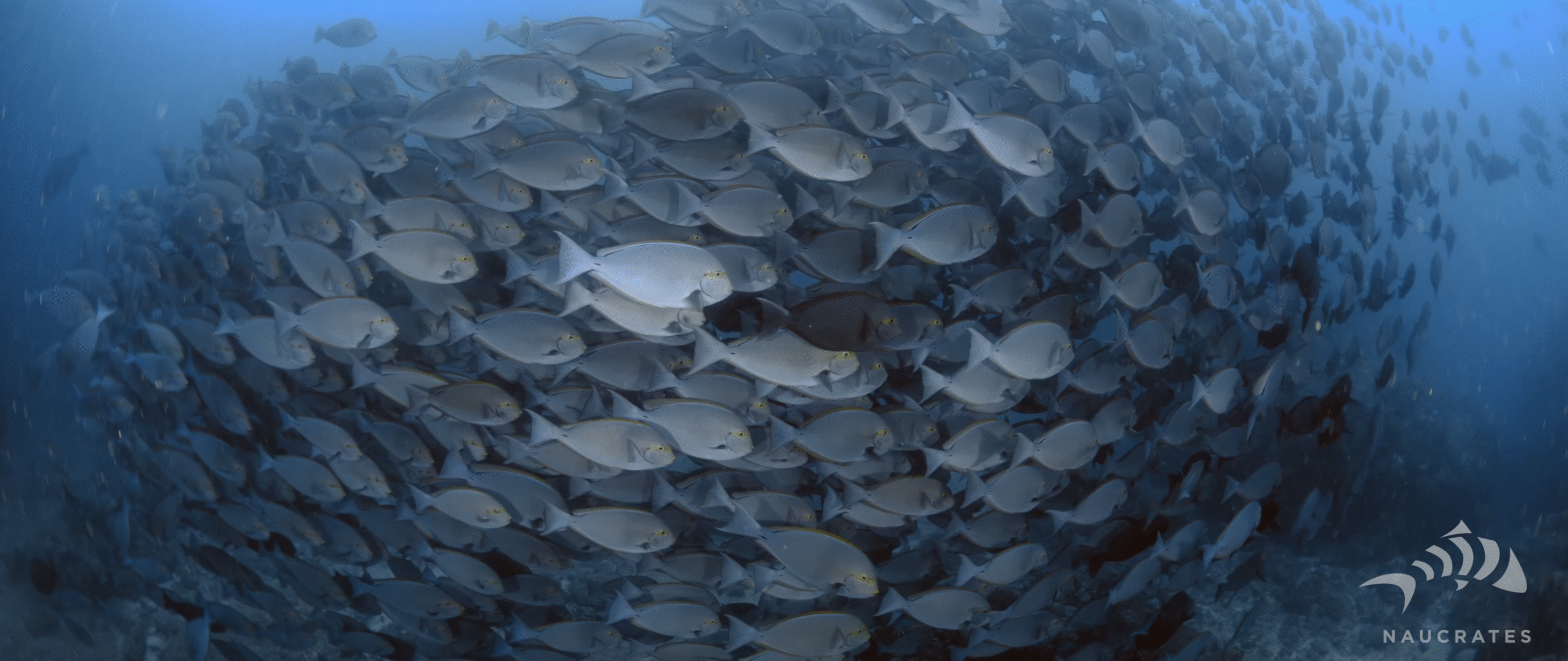
Located at a prominent headland, Tanjung Nambimia is a drift dive known for its strong currents and impressive underwater landscape. The site is made up of a series of large boulders and ridges covered in both soft and hard corals, forming natural channels that funnel water movement and attract marine life. Divers are often surrounded by large schools of fusiliers, jacks, and giant trevallies moving through the current. Napoleon wrasse are occasionally seen cruising along the reef, while pelagic species may pass through the open blue, drawn by the rich flow of nutrients. The combination of structure, current, and active fish life makes Tanjung Nambimia an exciting and energetic first dive of the day, ideal for experienced divers comfortable with drift conditions.
The opposite side of Dramai Island offers a different exposure to current and a contrasting topography from the main reef explored previously. The area consists of sloping coral ridges and walls decorated with sponges, gorgonians, and dense soft coral growth. Marine life includes sweetlips, batfish, surgeonfish, jacks, giant trevallies and fusiliers, along with occasional wobbiegongs. Depending on current direction, this site can alternate between calm observation and steady drift, offering a balanced and varied dive experience.
Situated off the coast of Dramai Island, Wet Dream is among Triton Bay’s most spectacular and densely populated dive sites. The underwater terrain consists of a chain of submerged ridges separated by sandy channels that extend outward toward open water. The ridges are covered in vibrant soft corals, sponges, and sea fans, and are surrounded by exceptional fish activity. Large schools of fusiliers, trevallies, and groupers are commonly observed, while honeycomb moray eels often inhabit crevices and overhangs. With strong currents and high nutrient flow, Wet Dream offers intense color, movement, and biodiversity — a true highlight of Triton Bay diving.
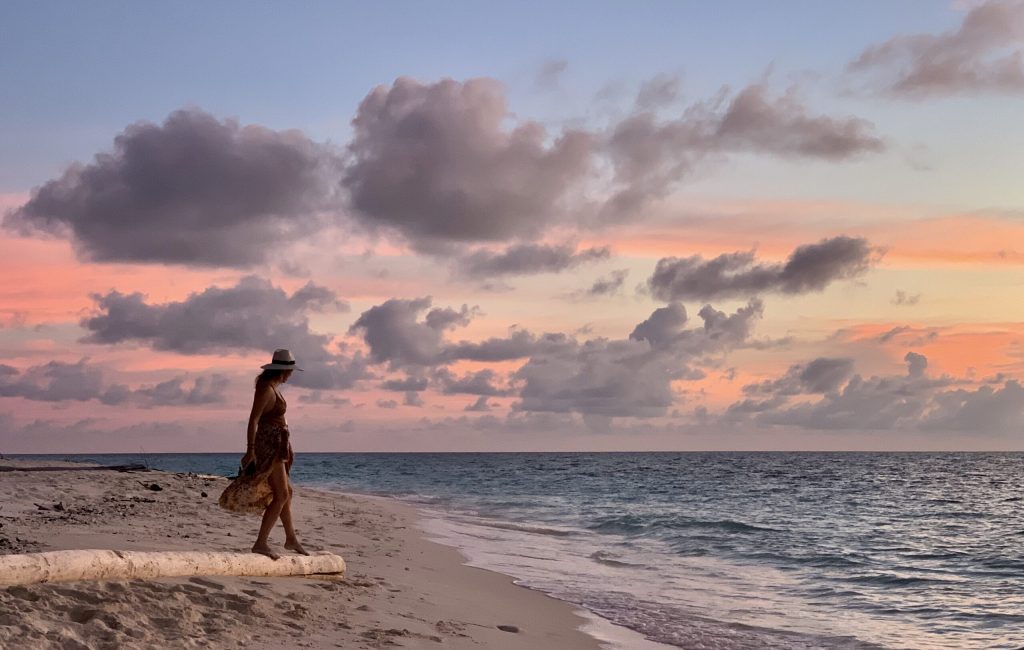
After the final dive, the vessel anchors near La Playa, a small sandy beach where the day ends with snacks and drinks at sunset. Divers and crew gather to relax, share impressions of the day, and enjoy the view as the light fades over the bay.
It’s a calm and fitting close to a day defined by movement, color, and the unmistakable energy of Triton Bay’s southern reefs.
Day 9 – PULAU AIDUMA – TRITON BAY AREA
These dive sites are among the most remote of the itinerary, located on the exposed, open-ocean side of Aiduma Island. Here, the currents are stronger, the water clearer, and the reefs more influenced by oceanic flow. Today’s plan includes two dives at Larry’s Dive Heaven — one of the most iconic sites in Triton Bay — followed by a third dive at Frantic Jack, a high-energy spot known for its schooling fish and pelagic encounters.
Larry’s Dive Heaven was named in honor of Larry Smith, one of Indonesia’s pioneering dive guides. The site features coral-covered slopes, large boulders, and sections of wall, offering a mix of habitats and excellent visibility when currents run clear. The reef structure supports dense coral growth — black coral bushes, sea fans, and sponges — creating shelter for an abundance of reef species. Schools of fusiliers and jacks frequently pass over the slopes, while smaller reef fish fill the gaps between coral heads. Flasher wrasses and other colorful species are often seen displaying near the bommies.
Currents can vary in strength, and two dives here allow exploration of both the gentler, shallower sections and the steeper outer areas that catch more water movement. The combination of coral diversity, fish activity, and clear water makes Larry’s Dive Heaven one of Triton Bay’s most representative and rewarding reef dives.
The day continues with a dive at Frantic Jack, a site famous for its intensity and pelagic action. Located in a current-swept channel, this reef attracts large schools of jacks, trevallies, and other fast-moving predators that hunt in synchronized bursts through the blue. The topography includes coral ridges and slopes covered with soft corals and sea fans, all in constant motion under the current. Between the action, divers can spot hidden wobbegongs, and manta rays are occasionally seen gliding past in open water. Conditions here can be demanding, with strong water movement and shifting visibility, but for experienced divers, Frantic Jack offers one of the most exhilarating dives in Triton Bay — a powerful mix of color, current, and marine life.
After surfacing from the final dive, the vessel returns to a sheltered bay where the crew prepares snacks and sunset drinks on deck. The light fades over the open sea, and conversation drifts between the day’s dives — the mantas, the jacks, the endless blue.
It’s a peaceful ending after a day defined by current, movement, and the wild energy of Triton Bay’s outer reefs.
Day 10 – PULAU AIDUMA – TRITON BAY AREA
Today’s dives take place in the Iris Strait, an area exposed to open ocean flow and known for its striking underwater topography. The sites here combine large rock formations, channel systems, and sheltered coral gardens, offering a balance of scenic wide-angle terrain and delicate macro environments.
The plan includes two morning dives at Boulders and 3 Rocks, followed by an afternoon dive at Flasher Beach, one of Triton Bay’s most renowned macro sites. Together, these dives showcase the diversity of habitats and marine life that define the region’s eastern passages.
As its name suggests, Boulders consists of massive rock formations scattered across the seabed, covered with gorgonians, sponges, and soft corals. The rocks form natural swim-throughs, overhangs, and caverns that create both scenic and habitat complexity. Common marine life includes lionfish, moray eels, and pufferfish sheltering in crevices. Shrimp, crabs, and other invertebrates can often be found among the rubble and coral bases. When sunlight filters through the gaps, the site takes on a dramatic atmosphere, a play of light and color that makes Boulders one of the most visually engaging sites in the Iris Strait.
3 Rocks, located in the heart of the Iris Strait, consists of three prominent pinnacles that form a natural mini-pass. This structure channels water, nutrients, and fish life between the rocks, creating a dynamic environment ideal for drift-style diving. The dive begins over soft coral slopes (5–18 m / 15–60 ft) and continues between the pinnacles, where sea fans and whip corals line the walls. The current here can range from mild to strong, making each dive slightly different depending on the tide. Marine life typically includes clouds of anthias and fusiliers, snappers around the bommies, and during stronger flow, jacks or trevallies sweeping through the pass. In calmer areas, divers can focus on smaller species such as nudibranchs, crustaceans, and tiny perching fish among the fans.
Also known as Secret Beach, Flasher Beach is one of Triton Bay’s signature macro dive sites, located along a sheltered cove not far away form the dive resort. The dive features shallow coral gardens and sand-and-rubble patches, perfect for spotting small, cryptic species. Typical finds include nudibranchs, pygmy seahorses, shrimp, and other reef invertebrates. The site is most famous for its flasher wrasses, which perform their vibrant mating displays in the late afternoon, flashing brilliant blues and reds as they court above the coral. With gentle conditions, good visibility, and consistent subject diversity, Flasher Beach is ideal for macro and behavior photography, offering an intimate look at Triton Bay’s smaller marine life.
After surfacing from the final dive, the vessel anchors in a calm bay for snacks and drinks at sunset. The day’s sequence — from the rugged formations of Boulders and 3 Rocks to the intricate details of Flasher Beach, captures the full spectrum of what Triton Bay offers: powerful structure, rich flow, and delicate life.
Day 11 – PULAU AIDUMA – TRITON BAY AREA
Our final full day of diving takes us back to three of Triton Bay’s highlights — Little Komodo, Pintu Arus, and The Aquarium — a perfect way to revisit the sites that best capture the region’s diversity and energy.
Each dive offers a different rhythm: the vibrant coral gardens and swirling fish of Little Komodo, the dynamic currents of Pintu Arus, and the calm, colorful reefs of The Aquarium. Together, they form a complete portrait of Triton Bay’s underwater world — wild, rich, and full of life.
As the sun sets, we gather on deck with snacks and drinks, reflecting on the week’s dives and the unforgettable beauty of this remote corner of Indonesia, a fitting end to our journey beneath the waves.
Day 12 – NAMATOTA ISLAND – KAIMANA AREA
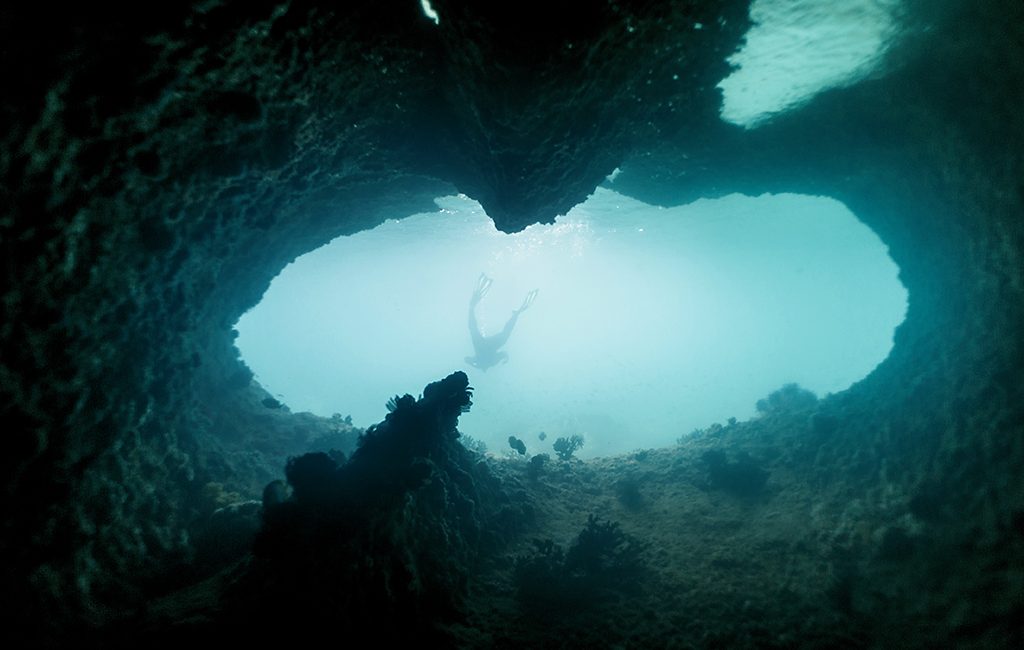
We cap the voyage with a graceful descent at Open Sky, a favorite near Namatota Island. A natural vertical “skylight” in the limestone drops into a pocket cave carpeted with glassfish, often patrolled by scorpionfish weaving through the silver shimmer. Around the opening, soft corals glow and schools of batfish cruise the blue; on the sandy patches between the boulders, you might be lucky enough to find a leopard shark resting in perfect stillness. It’s a serene, cinematic farewell dive unhurried, luminous, and unforgettable.
The rest of the day is all about easing back to shore in style: kayaking along the limestone coastline, a speedboat run to admire the region’s ancient rock art, and a beach stop for drinks and snacks as the afternoon softens. As dusk draws in, we set sail for Kaimana, carrying the colors of Triton Bay with us.
Day 13 – KAIMANA
Disembarkation. Fly to Jakarta with a stop over in Sorong and transfer to flights home or resorts.