
Explore The Wonders Of Indonesia
Global Conservation Diving & Exploration
Discover the archipelago East of Flores: Indonesia’s Hidden Diving Treasure
Adunara, Solor, Lembata, Pantar, to the Island of Alor in the East of the Nusa Tenggara. The archipelago East of Flores includes some of the least explored in Indonesia.
The relative difficulty in reaching these enchanted islands by land means the chance to experience some of the world’s top dive sites in relative solitude.
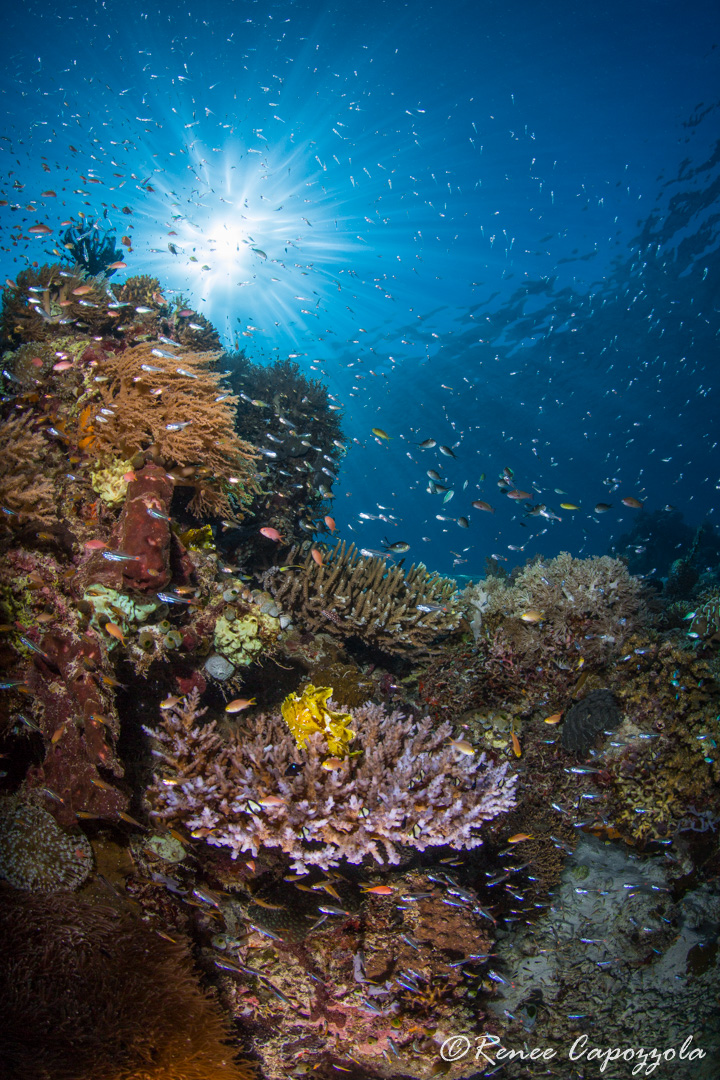
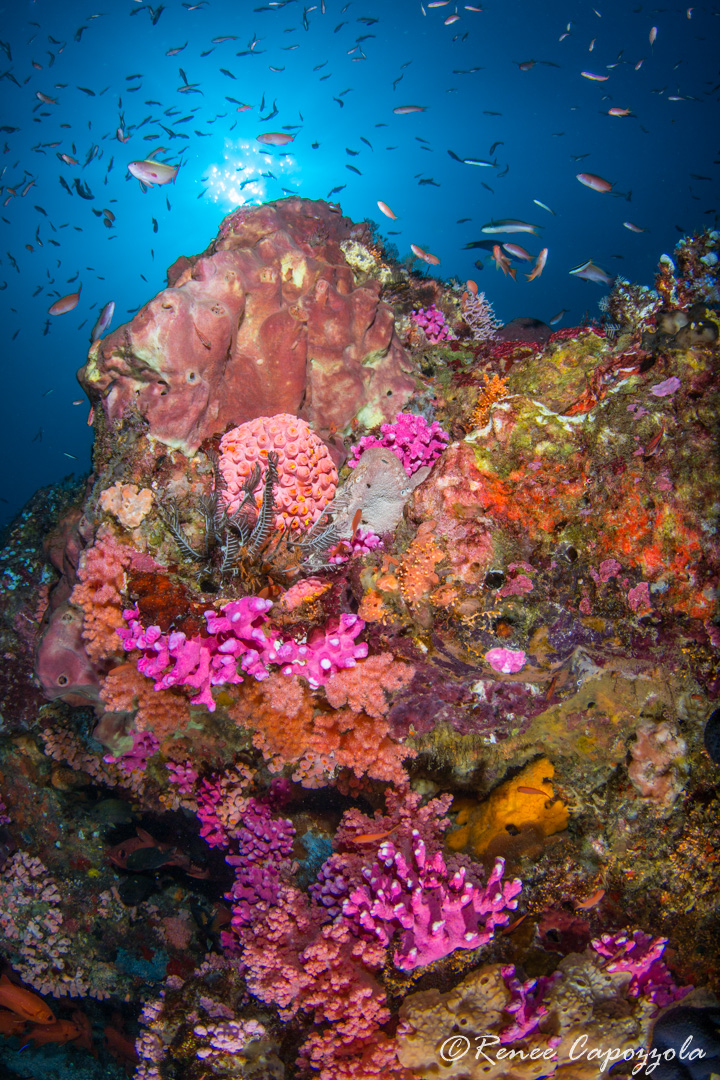
From classic wall dives and panoramic gardens of hard and soft corals to newly-discovered muck dives in Lembata and Pantar, the incredible range of dives we offer our guests has earned enthusiastic reviews from even the most well-traveled underwater explorers.
An incredible diversity of habitats means an amazing variety of wildlife can be found across the islands East of Flores. Deep channels between these islands are believed to play an essential role in the exchange of marine life between the Indian and Pacific Oceans. Tucked away in the far eastern reaches of the Indonesian archipelago of Flores. It is one of the country’s best-kept secrets – a pristine diving paradise still largely untouched by mass tourism.
This remote corner of Indonesia offers an extraordinary blend of marine biodiversity, dramatic landscapes, and authentic local culture.
Why Dive in the Archipelago East of Flores?
- World-Class Visibility: Often exceeding 30 meters, the crystal-clear waters provide breathtaking views of the underwater seascape.
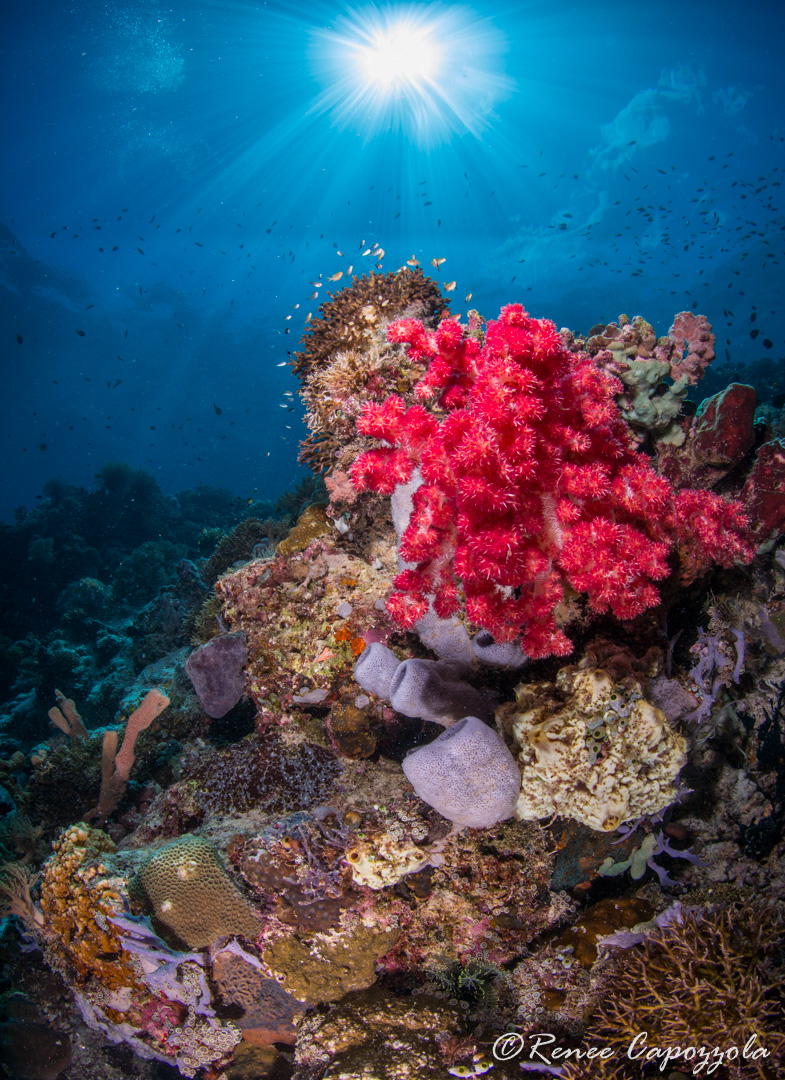
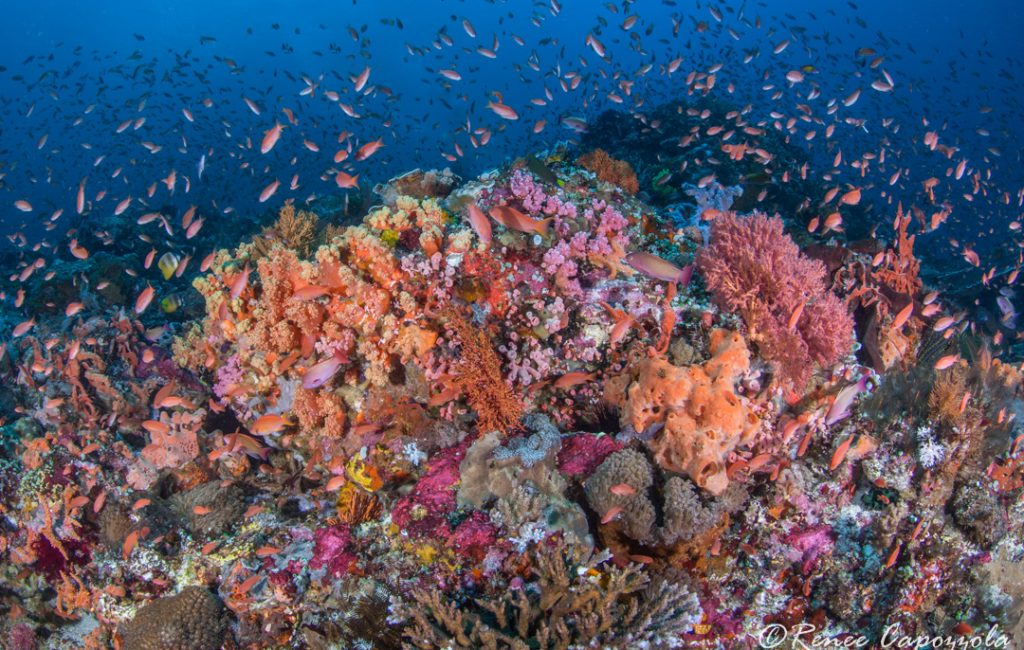
- Diverse Dive Sites: From ornated walls and volcanic slopes, calm sandy bays ideal for macro photography to reefs & coral gardens: dramatic drop-offs, lush hard and soft corals teeming with reef life.
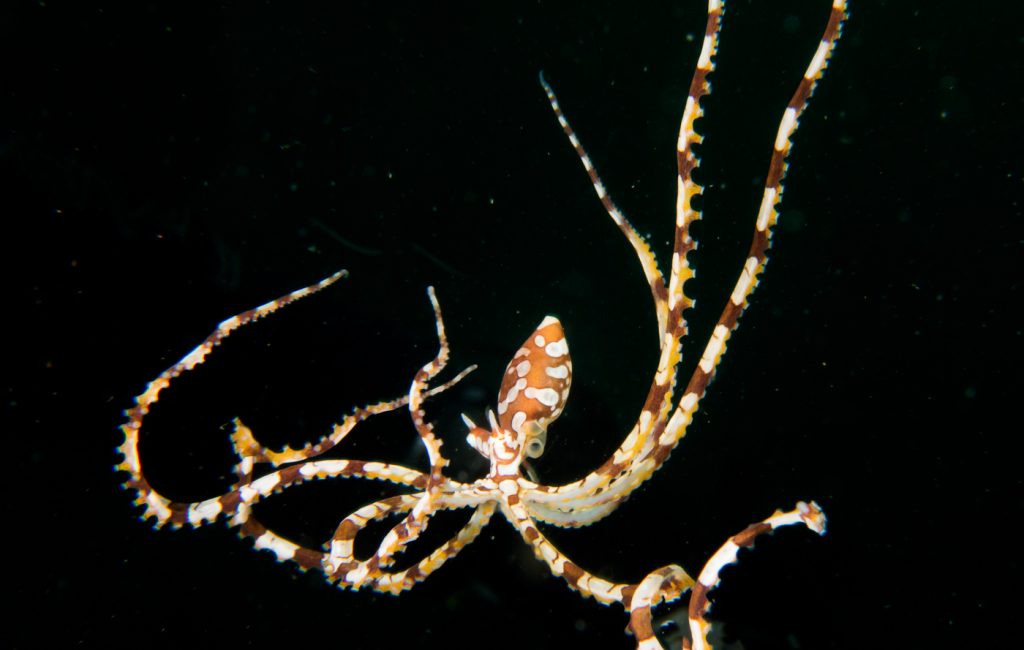
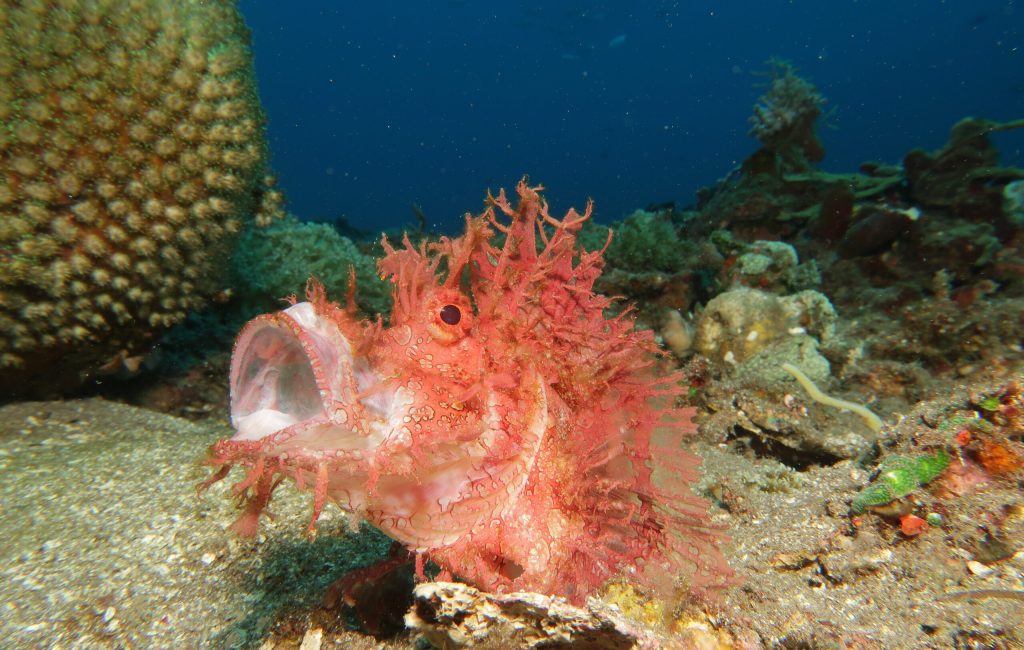
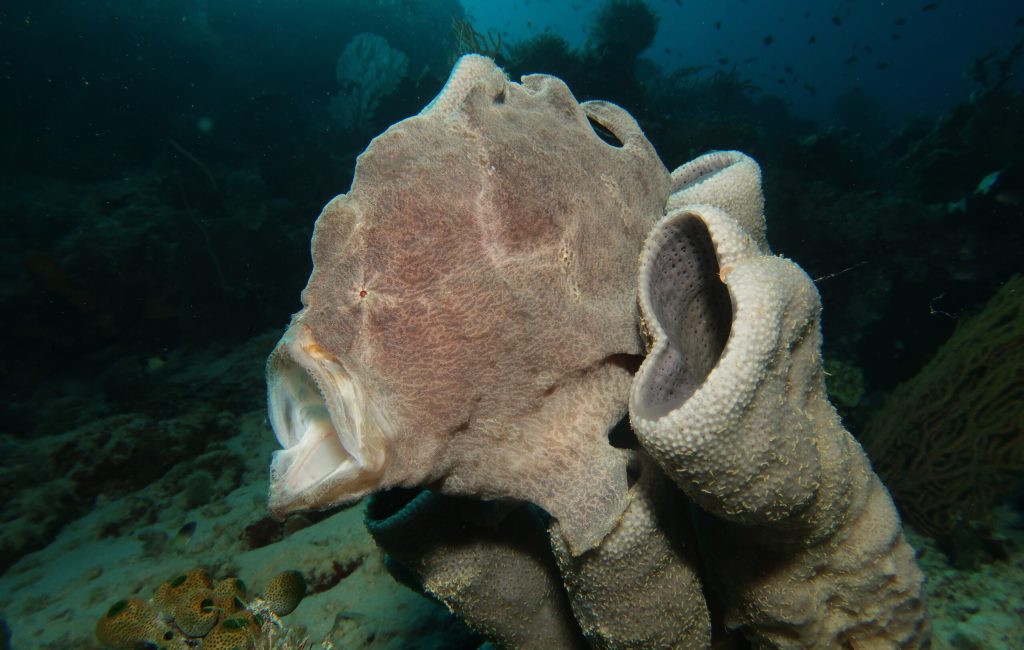
- Strange critters: Mimic octopus, different kind of shrimps, leaf scorpionfish, seahorses, nudibranchs, and rare crustaceans
Big encounters: Thriving pelagic life in the channels, schools of tuna and barracuda, reef sharks, hammerheads, manta rays, and occasional visits from sperm whales, dolphins, and migrating giants.
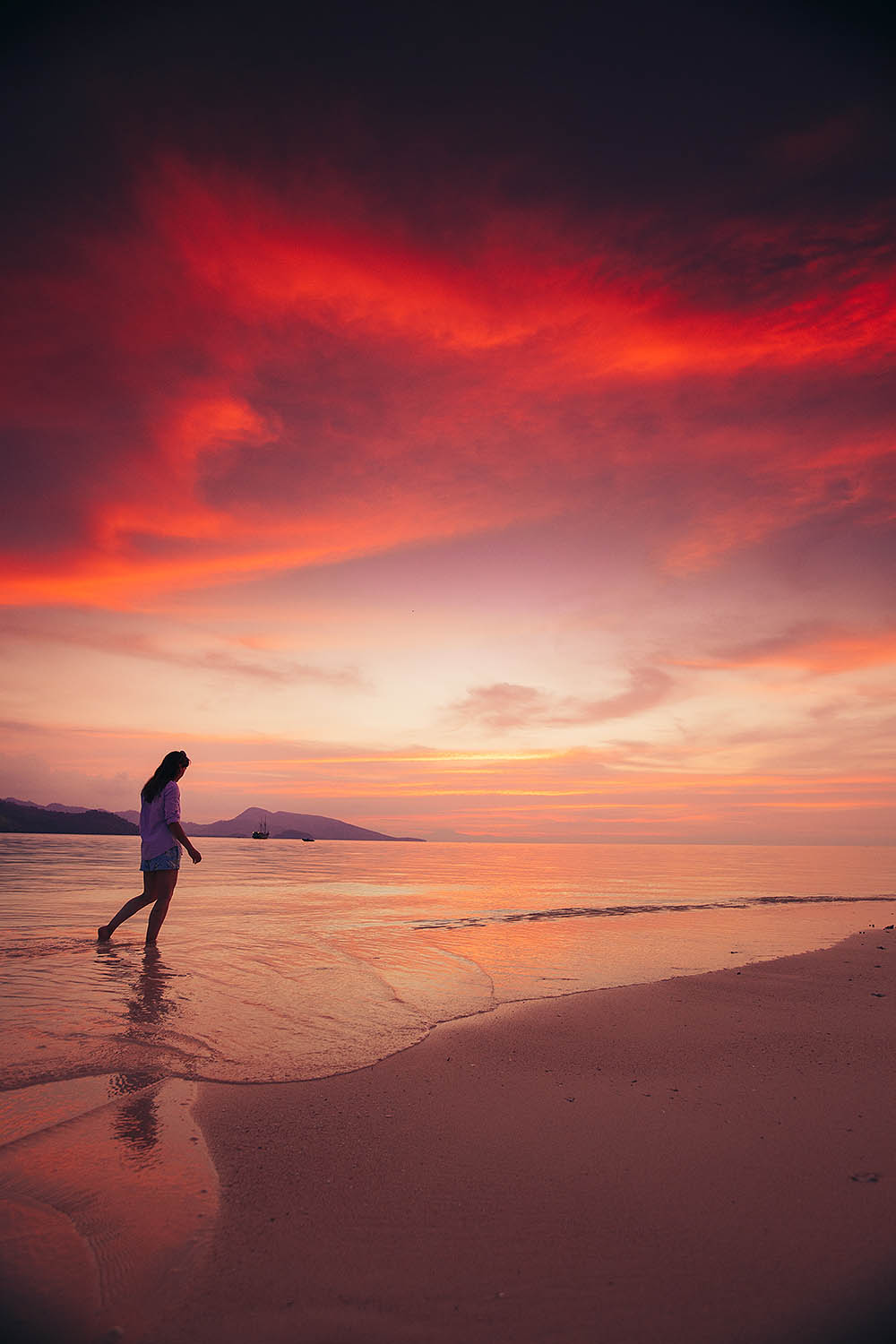
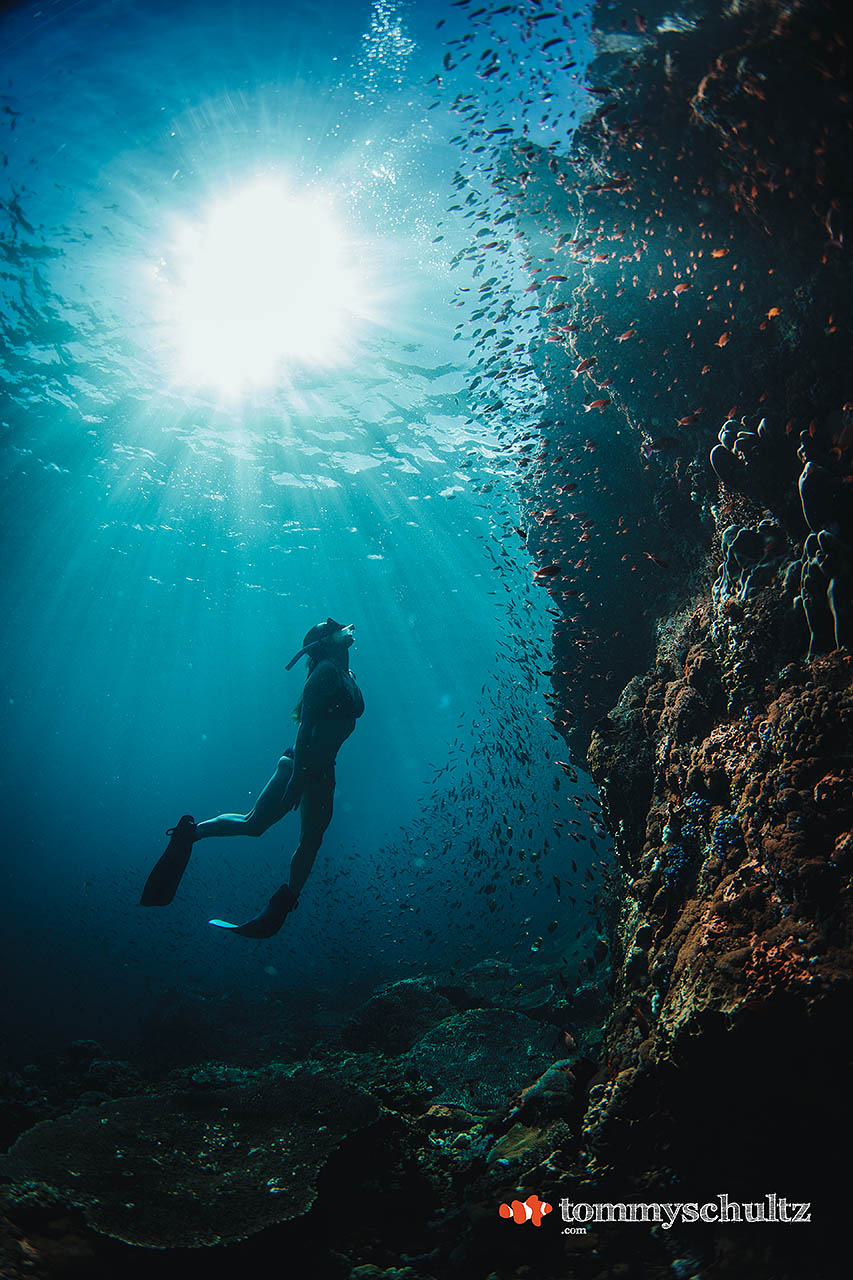
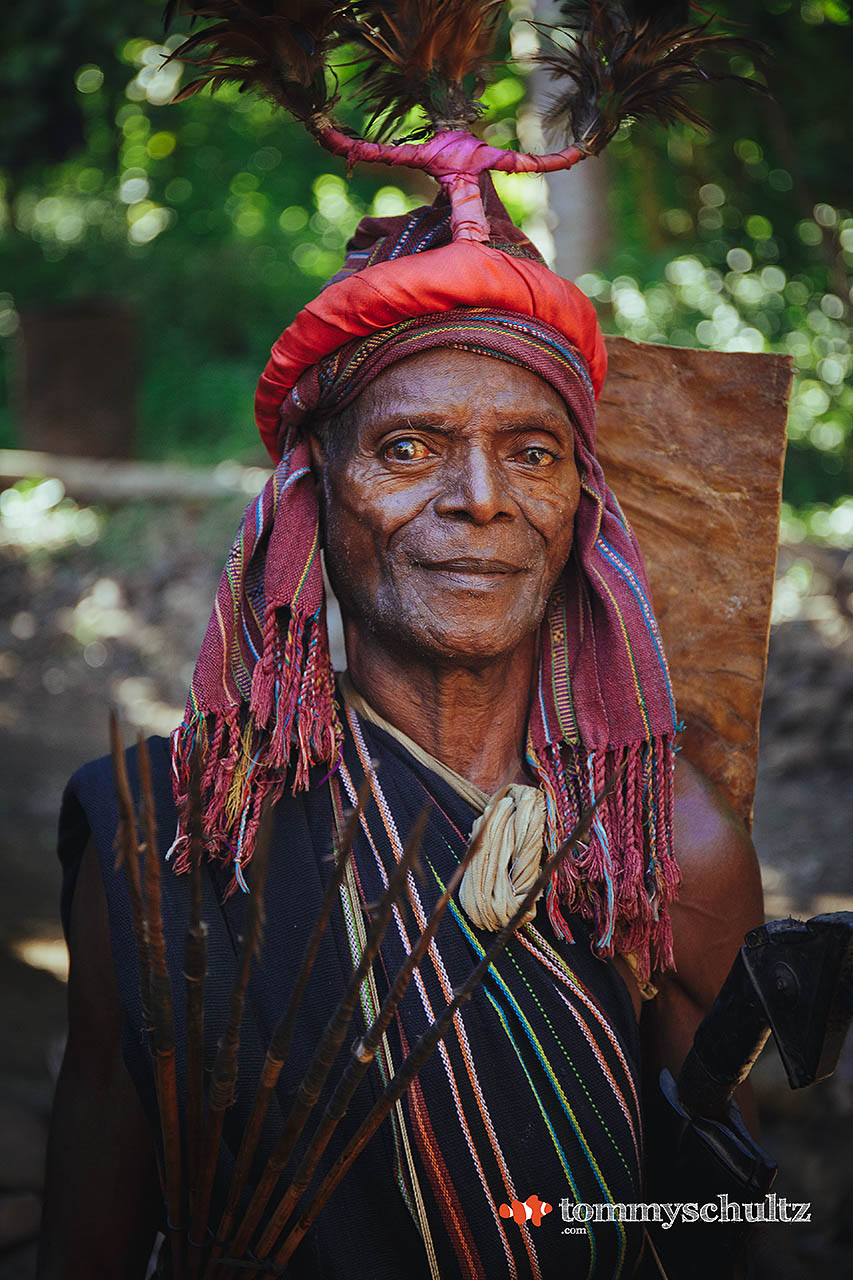
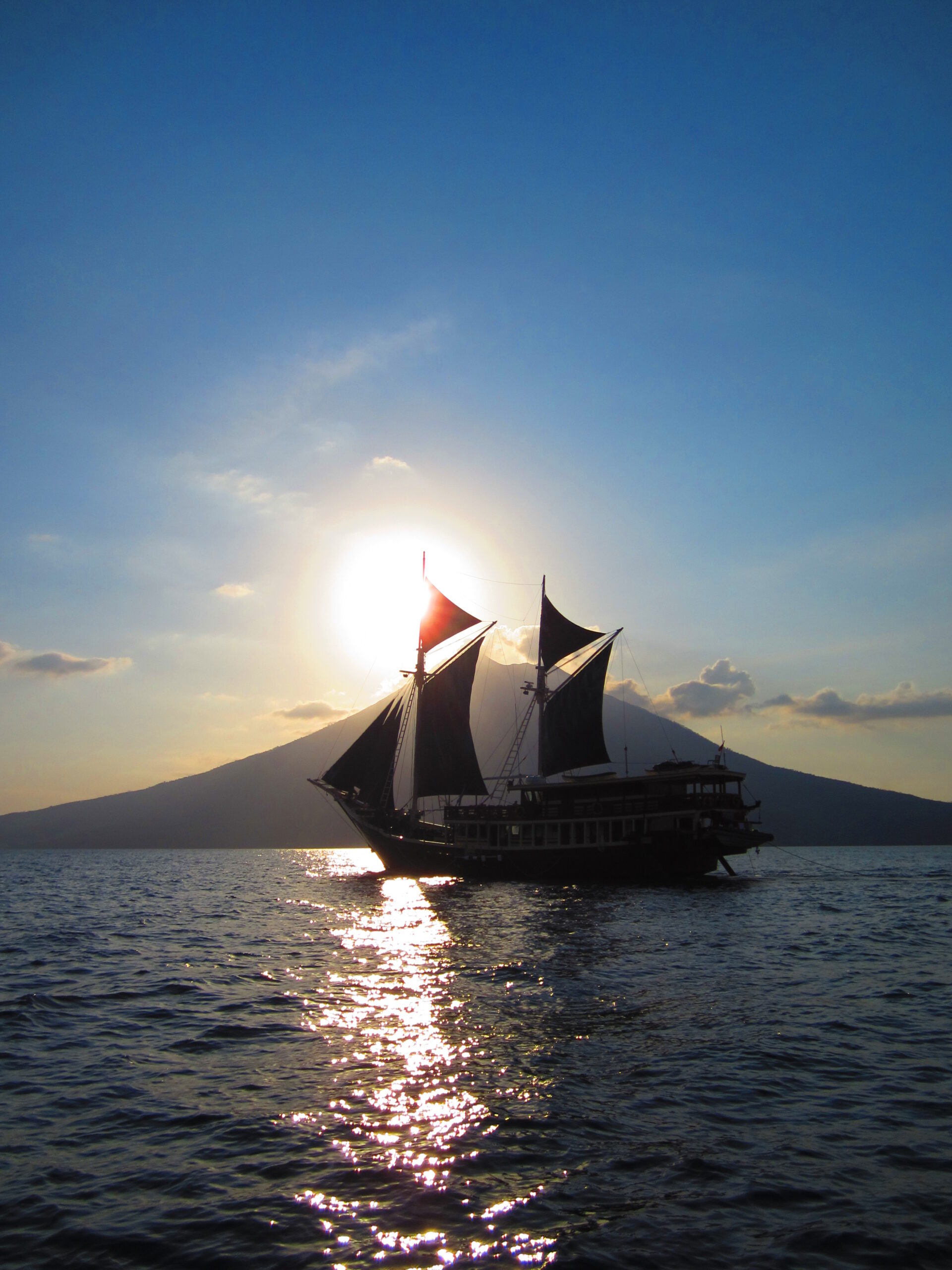
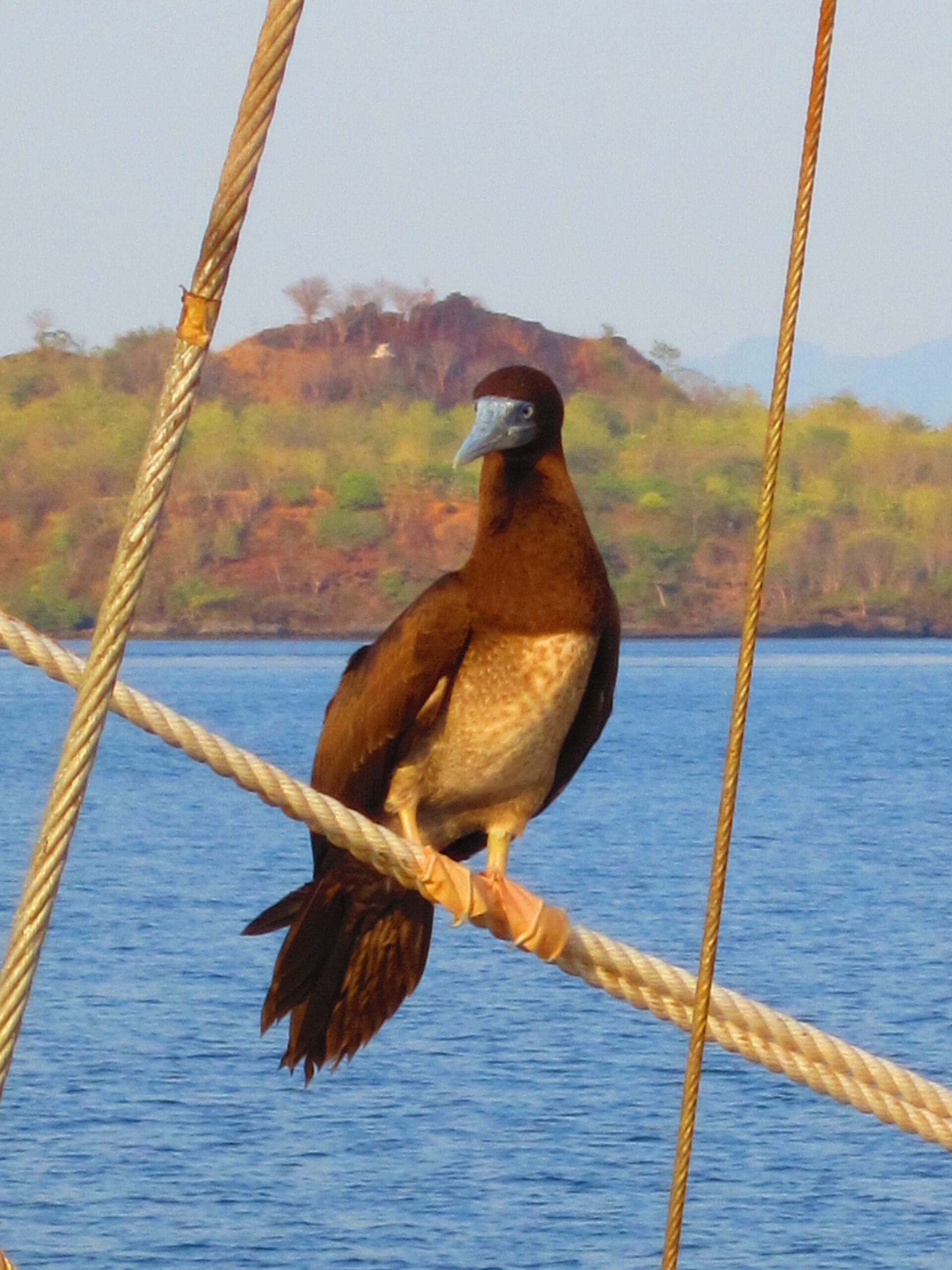
Global Conservation Diving and Exploring the Archipelago East of Flores. Indonesia October 3 – October 14, 2026
You are invited to an exclusive diving and exploration experience in the Archipelago East of Flores, hosted by Global Conservation aboard the majestic Seven Seas liveaboard. Upon arriving in Maumere from Jakarta or Bali, we will spend eleven days and twelve nights exploring the incredible underwater world of eastern Flores.
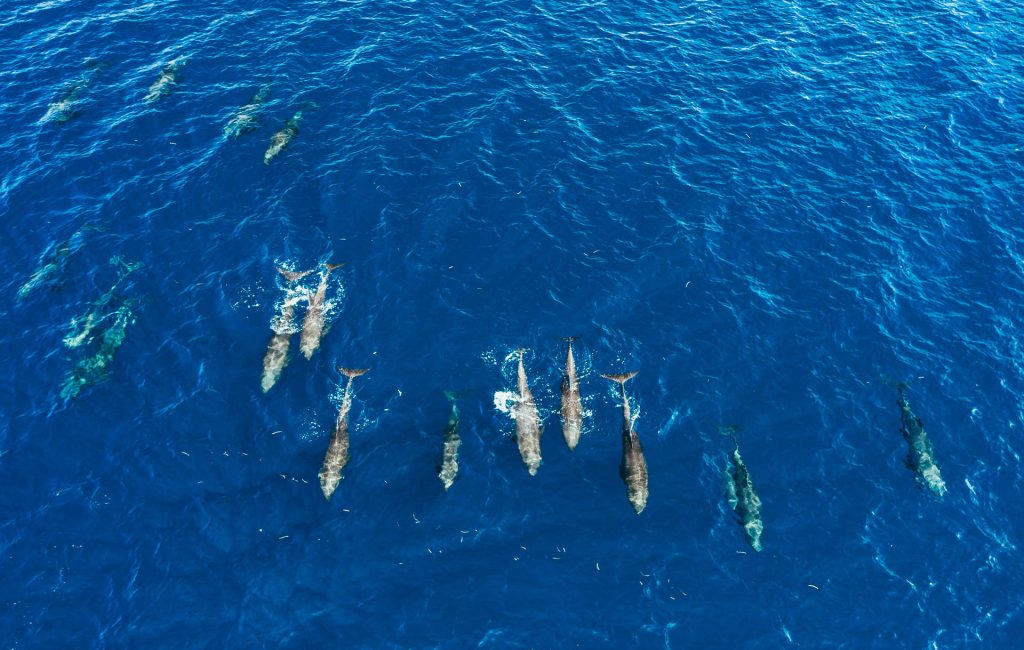
Expect vibrant walls and coral reefs teeming with colorful fish, hammerhead sharks, dolphins, and melon-headed whales. Flores Sea and its surrounding waters are one of the ocean’s last hidden treasures — a rare gem waiting to be discovered.
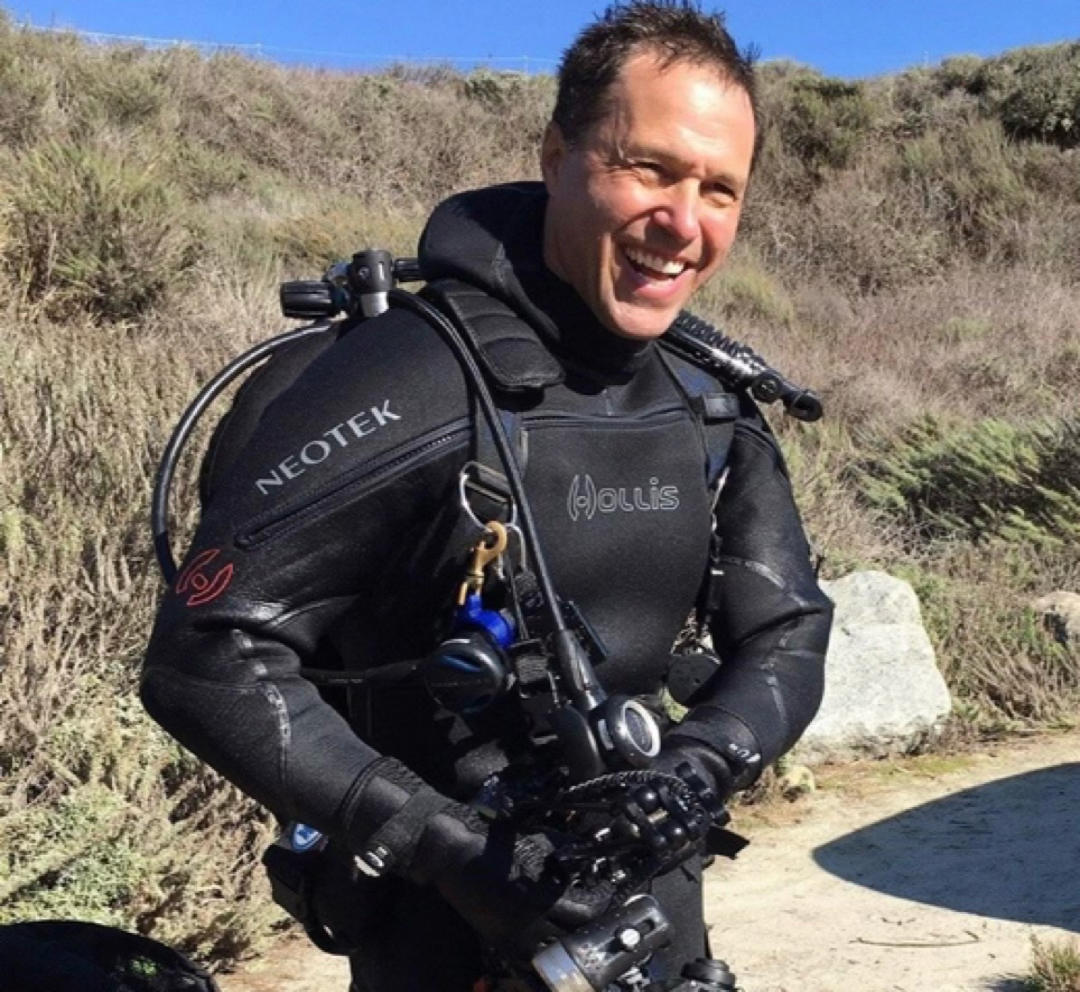
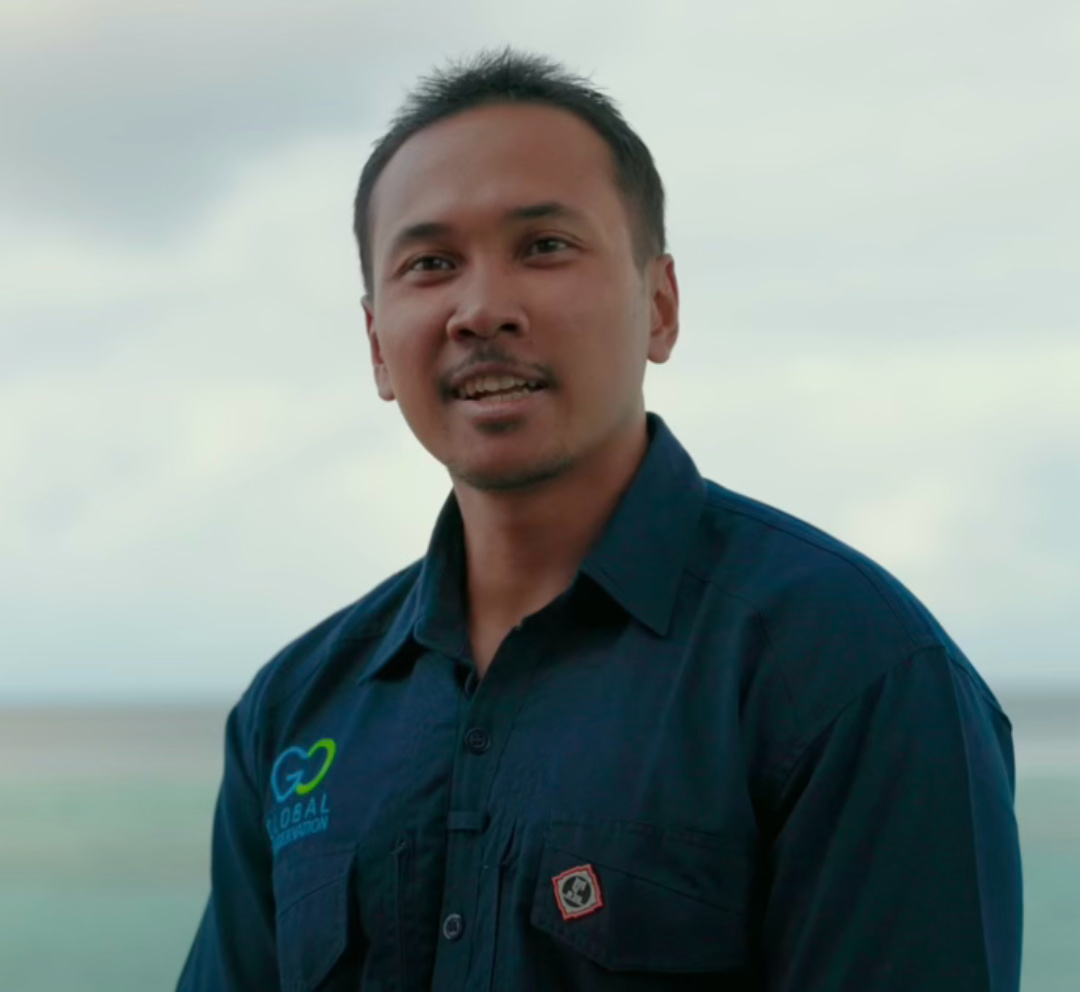
Led by Dr. Dadang Mujino (Director of GC Indonesia), Dr. Greg Asner (GC Advisor and Head of ASU Global Discovery) and Michael Sutton, President of the Goldman Prize, this incredible journey takes you far from the tourist areas of Raja Ampat, deep into the Indonesian Coral Triangle, accompanied by one of the most experienced crews and a world-class diving and touring vessel – the Seven Seas.
For more on the Seven Seas, see: www.thesevenseas.net
A Cultural Journey Beneath and Beyond the Surface
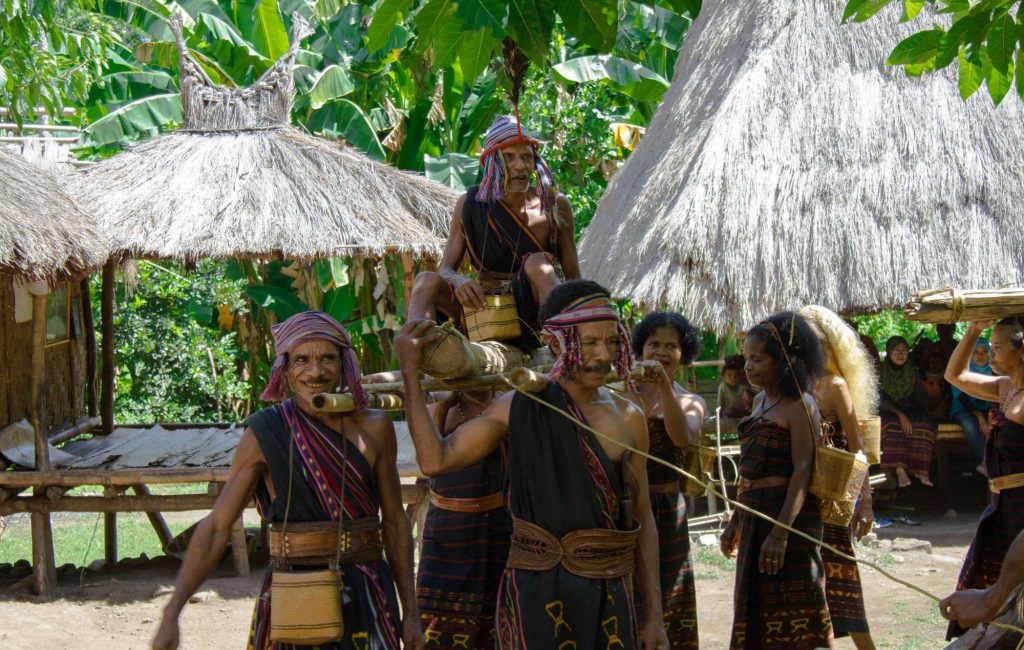
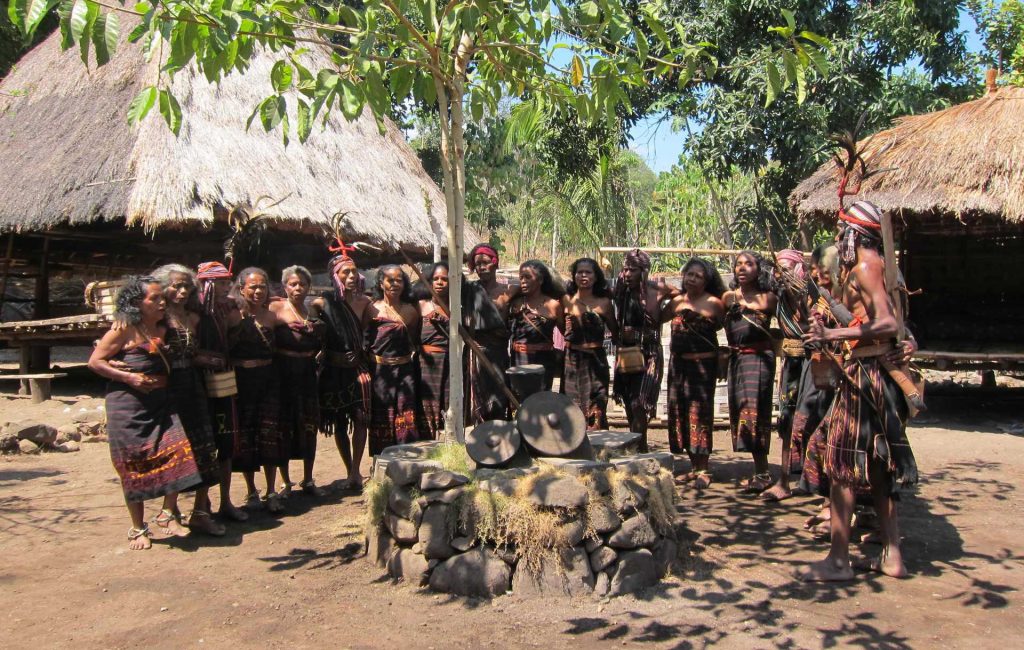
The Archipelago East of Flores is equally captivating above water. The volcanic islands are rugged and green, dotted with traditional villages where time seems to stand still. Flores is more than a dive destination — it is a land deeply rooted in tradition and community. The islands are home to more than a dozen ethnic groups, each with its own language, music, and rituals. The most prominent are the Abui people, known for their striking traditional attire, harmonious chants, and symbolic dances performed in sacred stone circles.
Villages like Takpala offer glimpses into a way of life preserved for generations. Handwoven ikat textiles, rhythmic gong music, and storytelling through dance are all part of the living culture here. Guests are often welcomed with warmth and ceremony, making cultural excursions as memorable as any dive.
Folklore is rich with tales of ancestral spirits, sea creatures, and sacred mountains — stories passed down through songs and ceremonies that still mark the seasonal cycles and rites of passage.
It remains one of the last places on Earth where the ocean feels untouched and the adventure is still real. Undiscovered by the masses, untamed by development, it’s a destination for the few — not the many.
This is not a place for everyone.
It’s for those who crave more.
More nature.
More meaning.
More mystery beneath the waves.
In the Archipelago East of Flores, you trade the rhythm of the city for the rhythm of the sea.
You leave behind traffic and timelines, and instead drift alongside trevallies in currents that pulse with life.
You exchange noise for the soft flutter of a nudibranch, routine for the raw magic of a coral wall that drops into the blue unknown.
Come dive in the Archipelago East of Flores and remember what it feels like to fall in love with the ocean all over again.
Tentative Itinerary
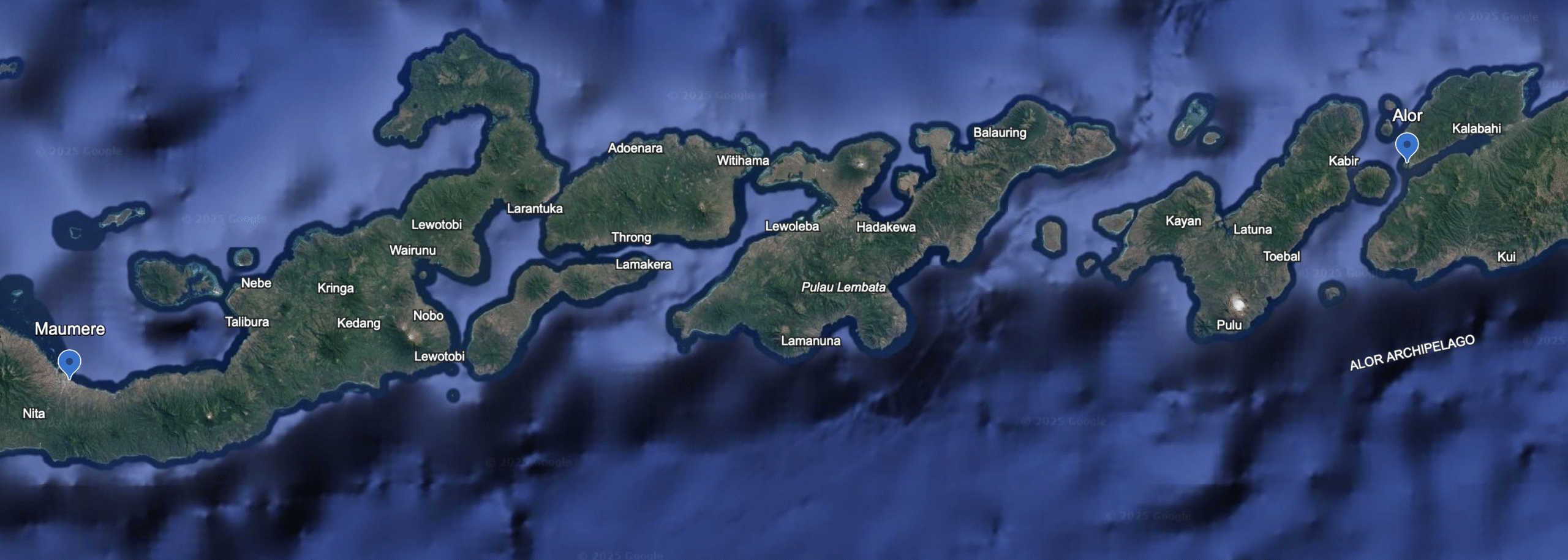
The itinerary may be adjusted at the discretion of the captain and cruise director based on weather conditions, which can sometimes be unpredictable, as well as the group’s overall experience. The goal is to offer the best possible diving and snorkeling sites according to the group’s interests and skill levels.
Day 1 – October 3 – MAUMERE
Flight to Maumere. Transfer to the Seven Seas, setting up gear meanwhile we are steaming out and afterwards we’ll do a general briefing, after some refreshments and lunch and we’ll do our check out dive.
Day 2 – October 4 – NORTH COAST OF FLORES
Tanjung Sada and Tanjung Batuboga.
A spectacular underwater plateau that suddenly plunges into a dramatic drop-off, Tanjung Sada is one of the true hidden gems of East Flores. The top of the plateau is dotted with vibrant coral bommies, alive with reef fish and bursting with color. As you drift toward the tip, the reef transforms into a mini seamount rising to just 18 meters, cloaked in giant sea fans, barrel sponges, and thriving coral growth.
This site is as rich in marine life as it is in structure: pygmy seahorses hide in the fans, while the blue water just beyond the drop-off often comes alive with schools of rainbow runners, barracuda, surgeonfish, and hunting reef sharks. The combination of shallow bommies, dramatic walls, and the seamount at the tip creates a dive packed with variety and constant surprises.
So exciting is Tanjung Sada that on discovery dives here, we often go back for a second drop, just to take it all in again, exploring new corners, searching for more critters, and watching the pelagics cruise by in the deep blue.
Day 3 – October 5 – FLORES SEA
Gosong Bone and Pomana Kecil.
Also known as Bone Atoll, this dive site is a classic coral atoll featuring shallow reef flats that suddenly drop into deeper walls. The underwater scenery is spectacular, with lush coral gardens, giant sea fans, and vibrant sponges creating a colorful seascape. Schools of reef fish swirl around the slopes, and pelagic visitors occasionally pass through the channels, adding an element of surprise to every dive. For macro lovers, the surrounding sandy and rubble areas can reveal hidden treasures such as nudibranchs, unusual critters, and small invertebrates perfect for photography. Conditions are generally moderate, with currents influenced by tides, making it well-suited for intermediate divers. Gosong Bone combines the serenity of pristine coral viewing with the thrill of diving in a living, dynamic reef system.
The twin islands of Pomana Besar and Pomana Kecil, located in the heart of Maumere Bay, are home to some of the area’s healthiest coral reefs. Shallow reef tops, starting around 5–20 meters, cascade into deeper walls and slopes covered with an extraordinary diversity of hard and soft corals. These vibrant reefs are teeming with tropical reef fish, while cracks and crevices shelter countless macro species waiting to be discovered. Divers often encounter reef sharks cruising along the walls, and larger pelagics are sometimes spotted in the deeper blue. The shallow coral gardens are perfect for relaxed dives, while the drop-offs provide more dramatic scenery and opportunities for adventurous descents. With excellent visibility and generally mild conditions, Pomana Besar and Kecil offer something for every diver: a mix of easy reef exploration, superb macro photography opportunities, and breathtaking wall dives in a pristine setting.
Day 4 – October 6 – NORTH EAST OF FLORES
Dambila and Babi.
These dive sites features a steep vertical reef wall that drops into deep water and includes a large underwater crack formed during the 1992 earthquake and tsunami. The wall starts at around 5 to 7 meters and extends well beyond recreational limits. The reef is rich in marine life and coral formations, with large sea fans, black corals, soft corals draped along ledges, and barrel sponges of impressive size. A gentle current often allows for a relaxed drift dive, revealing small caves, ledges, and crevices that serve as shelter for various reef species. Divers may encounter moray eels, nudibranchs, butterflyfish, fusiliers, and occasionally white-tip reef sharks and eagle rays. With strong biodiversity and good visibility, Pulau Babi offers excellent opportunities for both macro and wide-angle photography, making it a rewarding start to the trip.
Day 5 – October 7 – SERBETE
Tanjung Gedong and Serbete, crossing to Adonara.
Tanjung Gedong, located on the northeastern coast of Flores Island near Maumere, offers a diverse underwater landscape with a gentle reef slope that leads into sandy bottoms dotted with large coral bommies. Deeper areas are covered in soft corals and wide table corals, creating a vibrant reef environment. Marine life includes stingrays and ghost pipefish in the sand, while the reef wall is home to lionfish, moray eels, and angelfish. The shallower reef top features healthy staghorn coral formations. With generally mild currents and good conditions for both macro and wide-angle photography, Tanjung Gedong provides a rich and varied dive experience.
Pulau Serbete Ridge, just off the northeastern coastline of Flores near Maumere, offers a dynamic dive along a wide, elongated reef structure that supports abundant coral growth and marine life. The ridge is made up of gradual slopes and drop-offs, covered in vibrant hard and soft corals, along with barrel sponges. Divers frequently spot schools of fusiliers, butterflyfish, angelfish, and larger animals like blacktip and whitetip reef sharks, as well as turtles that often cruise along the reef.
We’ll head south between Flores and Adonara, passing through a narrow strait that is used by blue whales during their migration at this time of year. This stretch of water offers a good chance to spot them from the boat as we make our way through.
To end the day, we’ll do a night dive at Anatuka, a beach entry site known for excellent macro life. After sunset, the shallow sandy bottom comes alive with nocturnal activity. Divers can expect to find frogfish, octopus, squat lobsters, and a variety of crustaceans moving across the reef and sand. It’s a productive site for critter hunting and macro photography.
Day 6 – October 8 – IPET
Ipet Island, diving, beach and flying foxes.
Ipet and Watu Peni coastal zone is located on the northeastern coast of Adonara Island, next to the deep channel that separates Adonara from Lembata. The coastline features steep slopes and rocky outcrops, with the seafloor dropping rapidly into deep water. The area is shaped by volcanic activity.
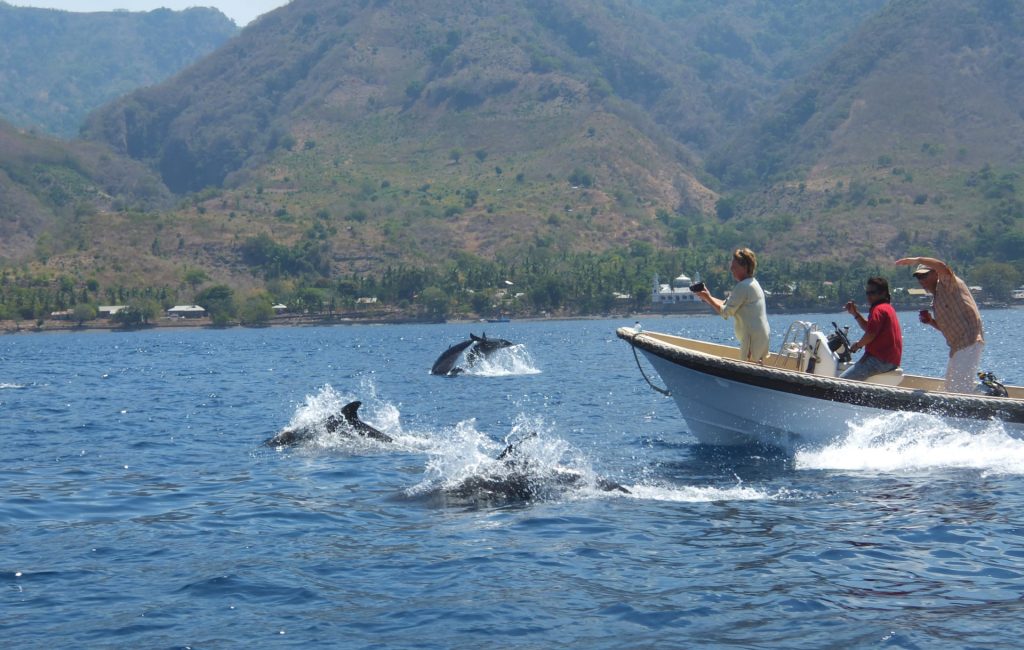
A pearl farm operates near Ipet. It produces Akoya or South Sea pearls using suspended lines and baskets in protected reef zones. The farm supports the local economy and helps limit boat traffic and fishing activity in the surrounding area. The strait is part of a migration route for blue whales, which pass through the area seasonally — mainly between September and December, and March to May, as they move between feeding and breeding areas in the Banda and Savu Seas. Dolphins are also sometimes seen.
Ipet area on the northeastern coast of Adonara has steep underwater terrain, including drop- offs, vertical walls, and a coral ridge called Ipet Ridge. The reef is in good condition with hard and soft corals, sea fans, and sponges. Common marine life includes white-tip and blacktip reef sharks, fusiliers, trevallies, and turtles. Ipet Drop Off is a deep wall dive with current, while Ipet Ridge offers a gentler slope with good opportunities for spotting small marine species.
Watu Peni, located close to shore, is primarily dived at night. It features a sloping reef with coral bommies and sandy areas. The site is known for calm conditions and high macro biodiversity. Typical night-time sightings include decorator crabs, bobtail squid, cuttlefish, octopus, sleeping parrotfish, moray eels, frogfish, and bluespotted stingrays. Bioluminescent plankton may also appear. The site is more protected than Ipet and suitable for less experienced divers.
After a full day of diving, we’ll have the chance to see flying foxes emerge from the coastal forest near Ipet. As the sun begins to set, these large fruit bats take flight, moving silently overhead as they head out across the strait to forage for the night. It’s a peaceful and memorable way to end the day by the sea.
Day 7 – October 9 – KOMBA ISLAND
Komba Island, Volcano, where the Flores Sea meets the Banda Sea.
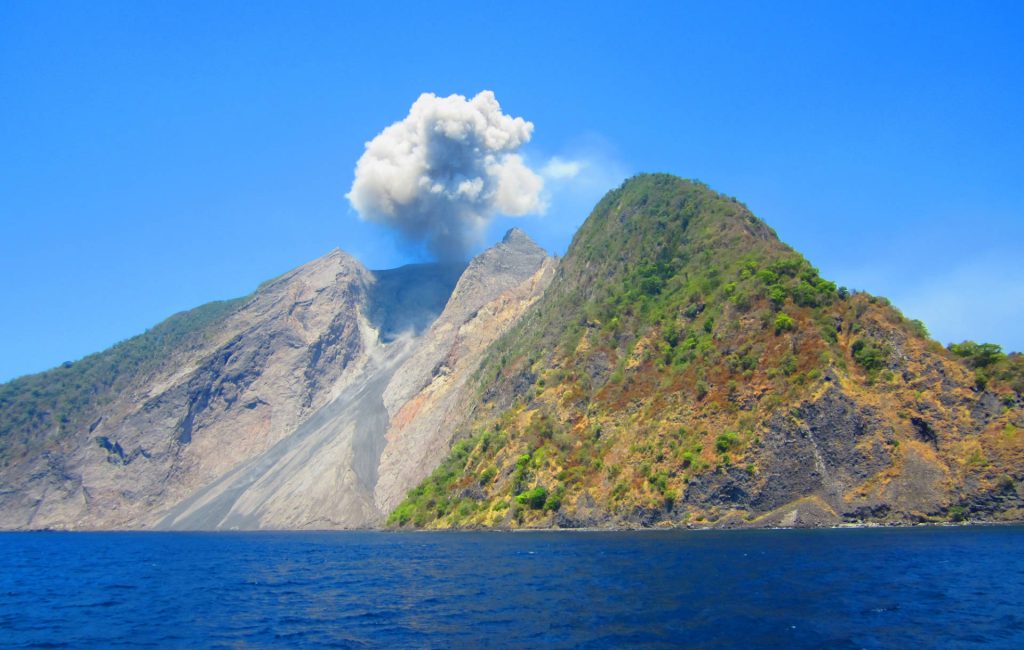
Pulau Komba is a remote volcanic island off the north coast of Lembata. It’s dominated by Mount Batutara, a small but active volcano that frequently emits smoke and ash, adding a dramatic view during surface intervals and between dives.
The underwater landscape includes rocky slopes, black sand areas, coral sections, and steep reef walls. Coral growth is healthy, with a mix of soft and hard corals, sponges, and volcanic rock formations. Divers often see fusiliers, trevallies, and surgeonfish in the open water, along with moray eels, scorpionfish, and leaf fish along the reef. Occasionally, larger species such as tuna or white-tip reef sharks may be seen cruising by.
Visibility is generally clear. The combination of active volcanic activity, lava-formed terrain, and black sand diving makes Pulau Komba a distinctive and memorable site.
Day 8 – October 10 – KAWULA
Lewaling Bay at North Kawula.
The Lewaling area offers a mix of sloping reefs and wall dives, with healthy coral cover and good visibility. The walls start shallow and drop steeply, covered in soft corals, sea fans, and sponges. Wall dives here often allow for a drift along the face of the reef.
Divers can expect to see fusiliers, snappers, anthias, and triggerfish, turtle and reef sharks as well as leaf scorpionfish and other reef species.
One of the dive sites, called Cardinals, is very shallow and ideal for longer dives. It is known for large numbers of cardinalfish, with several species often seen in the same area, especially around coral heads and rocky patches. Above the water, the active volcano Mount Lewotolok creates a dramatic backdrop to the diving.
Day 9 – October 11 – ALOR AREA
Pulau Rusa & Beangabang around Pantar.
Just off the southwest coast of Pulau Rusa lies Watu Balu, a rugged islet surrounded by some of the most vibrant and undisturbed reefs in Indonesia. Exposed to the open Indian Ocean, this site is influenced by nutrient-rich currents that fuel incredible marine biodiversity and deliver thrilling diving conditions.
The reef is bursting with colorful hard corals, including massive table corals swarming with anthias and other reef life. Divers are often treated to sightings of yellow snappers, schooling surgeonfish, red snapper, and sleek rainbow runners darting through the current. Bamboo sharks are commonly spotted nestled beneath coral structures, and the elusive wobbegong shark may make a rare appearance.
When temperatures drop, there’s even a chance to encounter a Mola Mola (ocean sunfish)—a bucket-list moment for any diver.
The underwater landscape features a sponge-covered wall that flows into tiered coral ledges, creating a dramatic and visually rich environment ideal for wide-angle photography and exploration.
Rainbow Ridge it is an underwater ridge lies to the southeast of Pulau Rusa, extending into deeper waters influenced by the Indian Ocean. This submerged feature is known for attracting a wide range of marine life due to the surrounding nutrient-rich environment. It offers a combination of reef structure and open blue water, making it a rewarding site for spotting both reef species and occasional pelagics.
Fusiliers and surgeonfish are often seen schooling along the ridge, while larger species like Napoleon wrasse may be observed patrolling the reef. The ridge is also home to patches of hard and soft coral, which support smaller reef fish and invertebrates.
Beangaban, located on the eastern coast of Pantar Island, is a unique dive site known for its excellent muck diving and the opportunity to connect with the local village community. With its black volcanic sand, scattered coral rubble, and generally calm conditions, the area is perfect for spotting rare and unusual marine life, making it a favorite among underwater photographers and divers who enjoy searching for small, hidden creatures.
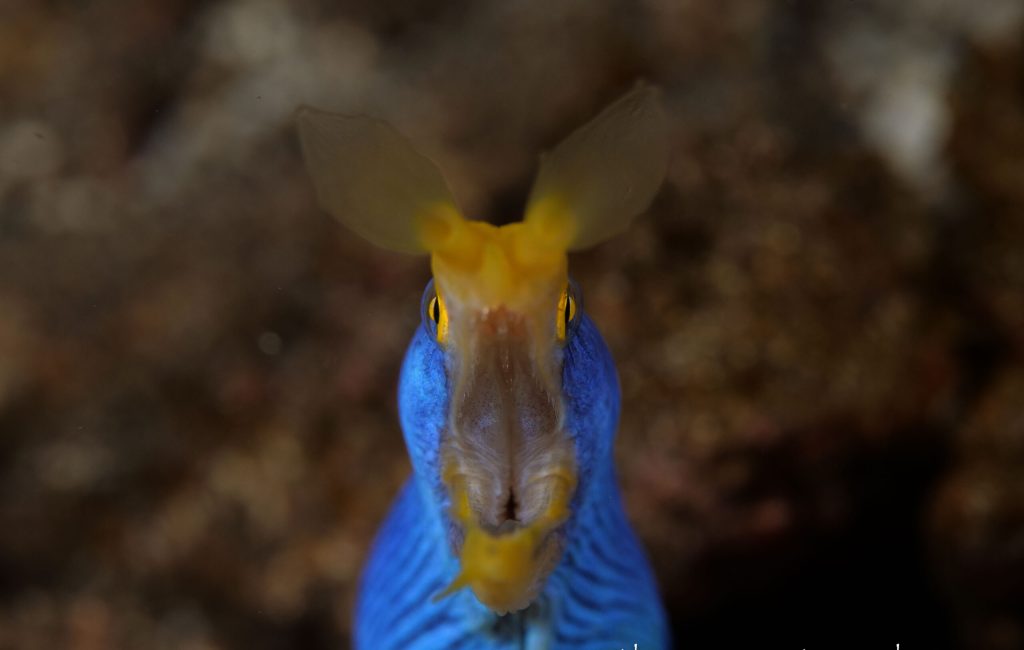
The site offers a rich variety of critters. Divers can expect to find frogfish, both pygmy and thorny seahorses, mimic octopus, wunderpus, ghost pipefish, dragonets, and snake eels. Nudibranchs are abundant. Among the coral and rubble, small shrimp and crabs are common—including the hairy orangutan crab, which is often seen on bubble coral or sandy patches. While the focus here is on macro life, juvenile reef fish and fusiliers are also commonly seen along the reef edges.
In addition to the muck dive, there is a nearby site that features a beautiful shallow top reef and a sloping wall covered in soft corals and healthy reef life. This area provides a contrast to the sandy bottom of the main site, offering colorful scenery, small schooling fish, and excellent conditions for relaxed reef exploration.
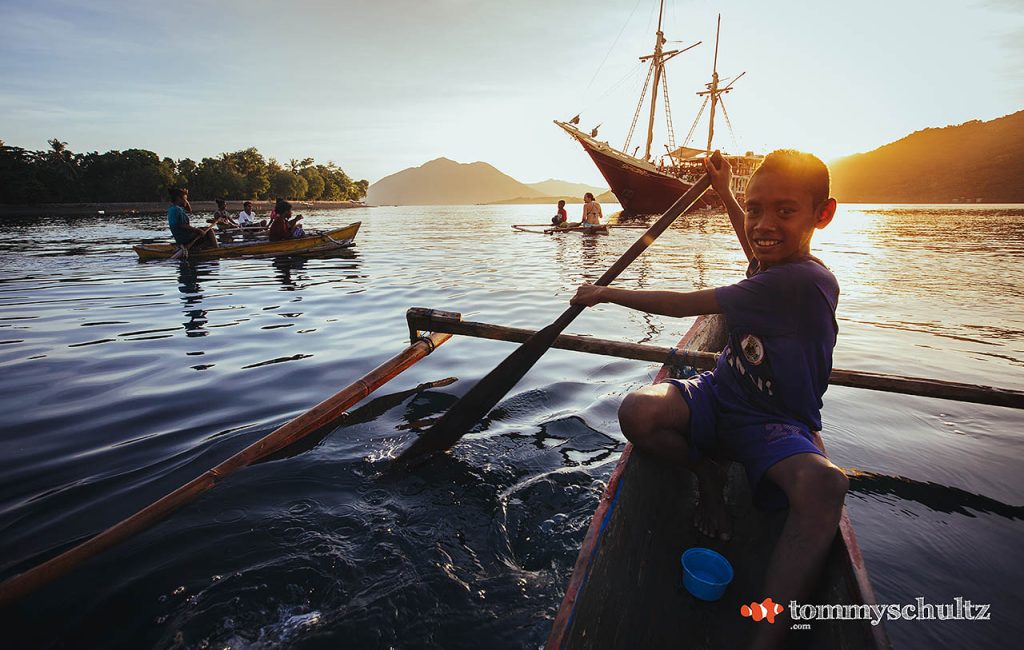
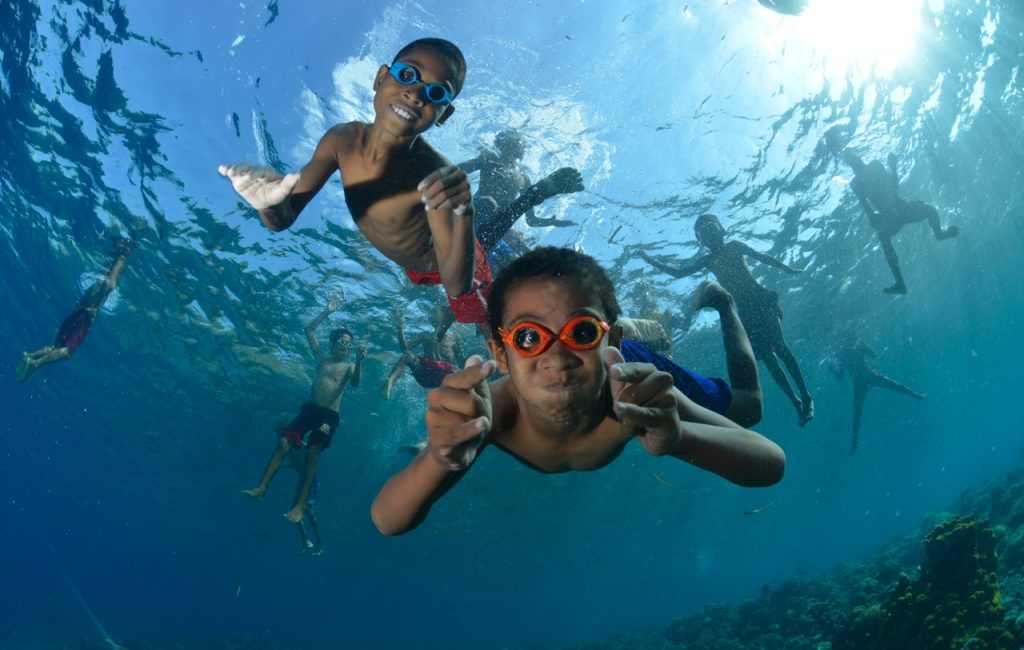
Above the surface, Beangabang village provides a warm and authentic local experience where visitors can walk through the community, interact with residents, and observe daily life, such as drying fish, collecting coconuts, or preparing food. Children often greet arriving boats with smiles and curiosity.
Diving at Beangabang offers more than just marine biodiversity; it’s a chance to slow down and enjoy both the underwater world and the culture of coastal Pantar. With both critter hunting and vibrant reef scenery in one area.
Day 10 – October 12 – ALOR AREA
Pulau Pura and Ternate.
In the heart of the Alor Strait lies Pura, a small volcanic island where every dive pulses with energy and life. Here, the ocean is raw, powerful, and wildly beautiful.
The waters around Pura are renowned for their nutrient-rich waters, which attract an explosion of marine life. Massive schools of jacks, barracudas, and fusiliers swirl in silver tornadoes, while Napoleon wrasses, giant groupers, and reef sharks glide through deep canyons and coral-covered slopes.
During the right season, lucky divers may even encounter Mola mola (sunfish) or hammerhead sharks. But what truly sets Pura apart is its biodiversity: pristine coral gardens, dramatic drop-offs, and muck diving sites teeming with bizarre and beautiful critters: rhinopias, mimic octopus, pygmy seahorses, and an endless variety of nudibranchs.
Clown Valley (aka Apuri Bay): Home to one of the largest concentrations of anemones and clownfish on the planet.
Pura Island Wall: A world-class vertical reef wall off Pura Island, starting around 8 m and plunging to depths well below recreational limits. Rich with sea fans, whip corals, and sponge gardens, this wall often attracts eagle rays, manta rays, and various shark species patrolling the depths.
The volcanic islands of Ternate, in the Alor Strait, lies one of Indonesia’s best-kept secrets: a series of dive sites where thriving reefs, and where every descent feels like a front-row seat to a marine symphony.
Babylon: Located on the southern coast of Ternate Island, this site is a classic vertical wall dive, descending from shallow coral gardens into depths of 25 to 30 m or more, with exceptional visibility often reaching 25–30 m, a sloping reef full of soft corals, reef fish, and occasional pelagic visitors.
The Arch: Hidden in the waters off Ternate Island in the Pantar Strait, The Arch is a standout dive site renowned for its dramatic underwater architecture, a natural archway carved into a steep coral wall that plunges to depths of 20–30 m
Day 11- October 13 – ALOR AREA
Pulau Pura and Takpala Village visit.
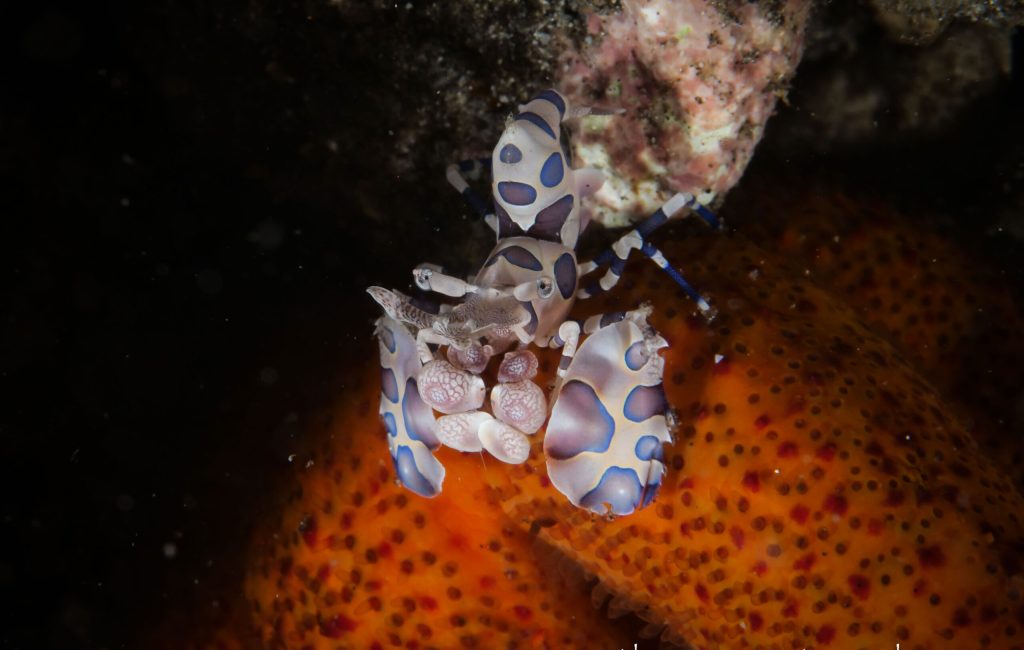
Pasir Merah (Red Sand): Located north of Pura, this site features volcanic red sandy slopes with bubbling gas vents, a hallmark of Pura’s volcanic seabed. It’s teeming with macro life including mandarin fish, hairy shrimp, and even bamboo sharks and nurse sharks at deeper sections.
Bakalang Jetty: Dive beneath the weathered pillars of Bakalang Jetty, where soft corals cling like marine tapestries and frogfishes uses them as a hidden place. Rays and schooling batfish may dance in the blue beyond, but it’s the bold texture and color of macro life that steals the show here. With clear water and gentle conditions, this site is a macro magician’s dream and a perfect intro to Alor’s muck scene.
On the last day, after our final dive, we’ll head inland to visit Tapkala, a traditional Abui village located in the hills above Kalabahi. The village preserves ancestral customs, with houses built from natural materials and arranged around a central ceremonial area. We’ll be welcomed by the locals with traditional dances and have the chance to learn about their culture, rituals, and way of life.
On the way back to the boat, we can stop at the local market in Kalabahi if we still have some energy left, to soak in the atmosphere and see a bit more of island life before returning onboard.
Day 12 – October 14 – KALEBAHI
Disembarkation in Kalebahi, Alor. Flight to Bali via Kupang.
About Global Conservation
At Global Conservation, we believe that merely designating marine protected areas to achieve the 30×30 goal is insufficient for safeguarding nature. To reach the 30×30 target, we must secure funding and enhance local capacity to effectively protect what we have already recognized as special and important – Marine Protected Areas (MPAs), National Marine Parks, UNESCO Biosphere Reserves, and Community Fishing Refuges.
Our oceans are under siege, and Global Conservation is on the frontlines of marine protection.
Our aim is to implement our Marine Protection model in every endangered and viable Marine Protected Area (MPA) in the developing world, targeting deployment in 100 MPAs by 2035.
Every boat has a radar, and we believe every MPA should have a radar.
We facilitate effective marine protection and ensure financial sustainability so that Marine Protected Areas (MPAs) and their unique, priceless ecosystems can thrive in the future. Otherwise, they will simply remain ‘Paper Parks’.
For many years, countries have established new Marine Protected Areas (MPAs) with great fanfare, but few are truly well-protected against illegal fishing, reef destruction, trawling, pollution, overfishing, and marine wildlife poaching. Few MPAs even have an operational patrol vessel and a marine warden team to enforce the existing fishing laws. Without real enforcement and penalties for our endangered MPAs, the oceans will continue to be ravaged.
Global Conservation is working to implement park and wildlife protection in the world’s most endangered National Marine Parks and UNESCO World Heritage Sites located in developing countries. When oceans are healthy, local communities thrive. Coastal fisheries provide food, income, and livelihoods, especially in developing countries, where 85% of fishing is conducted by small-scale fishers in coastal waters.
In Marine Protection, we focus on sustainable island and coastal fisheries, collaborating with marine protection teams, local communities, and fishers to maintain healthy and intact marine ecosystems.
Of the hundreds of GC Assessments conducted on existing MPAs, we choose to support those that have strong local leadership, an effective rule of law, government commitment and co-funding, as well as operational patrol vessels and marine ranger teams. We provide them with the systems, equipment, and training necessary for strategic and rapid responses to illegal activities.
What’s at stake is not just our collective natural heritage, represented by marine biodiversity, but also the future of coastal communities. Well-protected areas contribute to flourishing oceans and more prosperous local populations.
Global Conservation focuses on empowering marine wardens, local communities, and fisheries to enhance law enforcement in Marine Protected Areas (MPAs) and Fishing Refuges, including the Rāhui system in French Polynesia and Refugios Pesqueros in Latin America.
We implement our effective, cost-efficient Global Park Defense (GPD) model for Marine Protection and Community Protection methodologies, which collaborate to enhance the efficiency and effectiveness of marine protection.
Our Global Park Defense Marine Protection tools comprise innovative Marine Monitor (M2) radar systems, long-range surveillance cameras, drones, satellite monitoring, and SMART Patrolling and EarthRanger systems designed to combat illegal fishing and protect marine life from poaching. Combining technology and community empowerment is key to success.
Almost every vessel is equipped with radar, and we believe that every MPA should also possess marine radars to monitor traffic and illegal activities. The combination of technology and community empowerment is essential for success.
This enforcement improvement strategy, along with empowering local communities and stakeholders to become long-term stewards, is crucial for success and has produced excellent results over Global Conservation’s 4-5 year program in support of marine protection.
About Econusa Foundation
EcoNusa is the largest and most effective indigenous NGO in Eastern Indonesia, with 55 staff members in 9 local offices, leading efforts to save the world’s third largest rainforest while protecting marine resources and biodiversity in the heart of the coral triangle region, particularly on the islands of Papua and the Maluku Archipelago.
EcoNusa has raised nearly USD $25 million from the Norwegian Government (NICFI)/RFN, Packard Foundation, CLUA, Wedgetail Foundation, SWIFT Foundation, London Stock Exchange Foundation (LSEG), Walton Family Foundation, and the Rainforest Trust. See: www.econusa.id
Global Conservation Diving and Exploration of Alor and Flores Sea (October 3rd – October 14th 2026)
Contacts
Jeff Morgan
Executive Director
Global Conservation
[email protected]
+1 (650) 814-2045
Kelsey Tatum
Director of Operations
Global Conservation
[email protected]
+1.810.542.0913